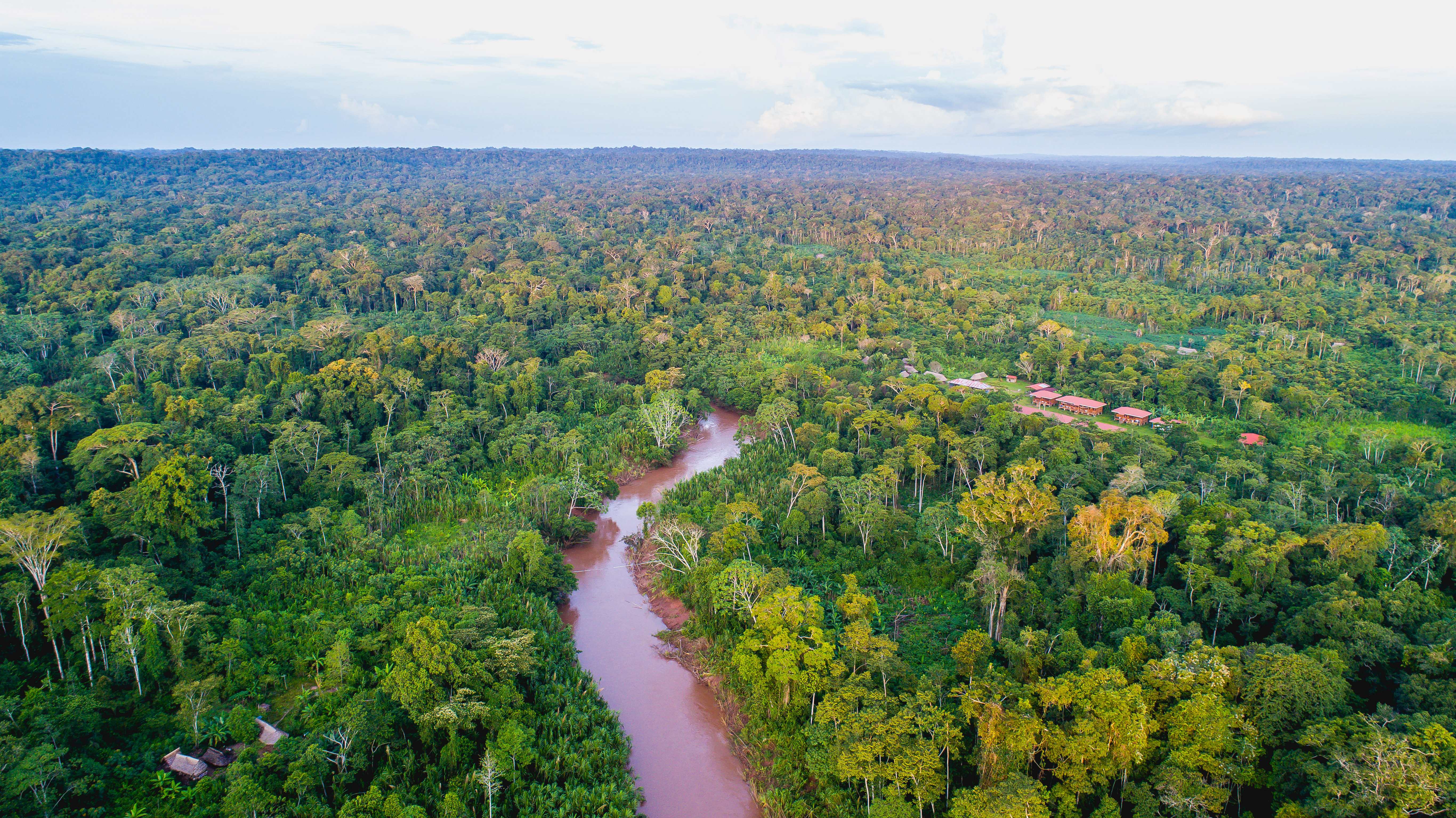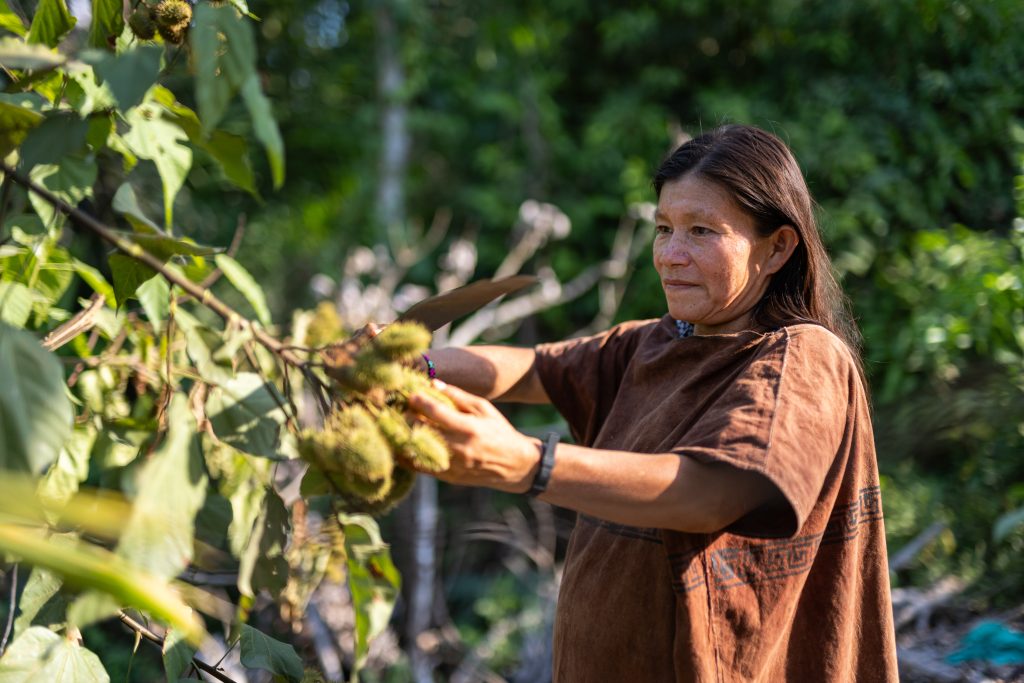
A new opportunity for entrepreneurs and organizations in the Peruvian rainforest. This is the "Fruits of the Amazon" competitive fund, an initiative that seeks to strengthen local economies and promote forest conservation by financing up to 20 business plans for a total amount of US$1.1 million.
This initiative is part of the Amazonian Forests ASL2 project, which is led by the Ministry of the Environment, with funding from the Global Environment Facility (GEF), and implemented by the Food and Agriculture Organization of the United Nations (FAO), the International Fund for Agricultural Development (IFAD), UNIDO and implemented by Profonanpe.
The selected ventures will have access to non-reimbursable seed capital, ranging from S/ 100,000 to S/ 300,000 per project. In addition, they will receive on-site technical and business consulting, enabling them to strengthen their organizational, production, commercial, and financial capacities.
In this first edition, “Fruits of the Amazon” will be aimed at native communities, producer associations, cooperatives, community enterprises and other rural organizations, including those in the process of formalization, in prioritized districts in the provinces of Loreto-Nauta (Loreto), Atalaya (Ucayali) and Satipo (Junín).
The application process will be conducted through a public competition, which will include stages of admissibility assessment, eligibility, business plan development, and a final technical evaluation. During this period, applicants must demonstrate the economic viability and social impact of their proposals and comply with environmental criteria that guarantee the conservation of their ecosystems.
Those interested can submit their proposals from April 20 to May 20. For more information about the requirements and rules of the competition, please visit the website profonanpe.org.pe/bosquesamazonicosasl2/ or write to the email address [email protected].
“Through these actions, the Amazonian Forests ASL2 project seeks to generate a positive impact on Amazonian communities by promoting sustainable business models and strengthening the role of the population in the development and conservation of their own territories,” said Cristina Portocarrero, technical coordinator of the Amazonian Forests ASL2 project.