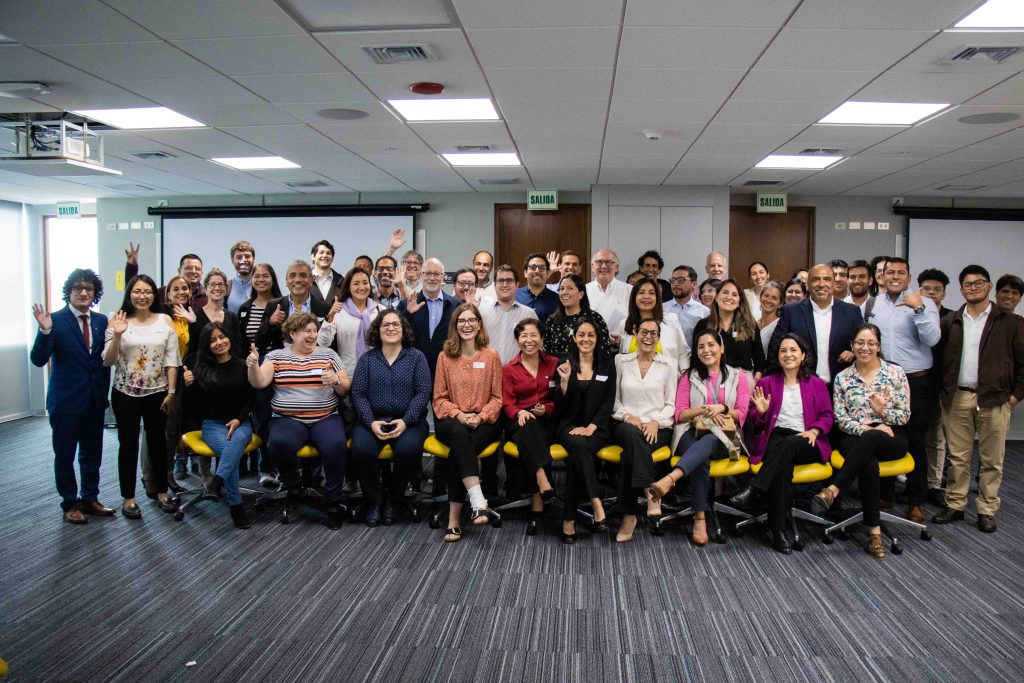
As part of our thirtieth anniversary, Profonanpe concluded this year's thematic sessions with a meeting that brought together diverse voices from the public, private and civil society sectors to learn more about the design of a revolving seed capital fund model for the development of projects in the voluntary carbon market.
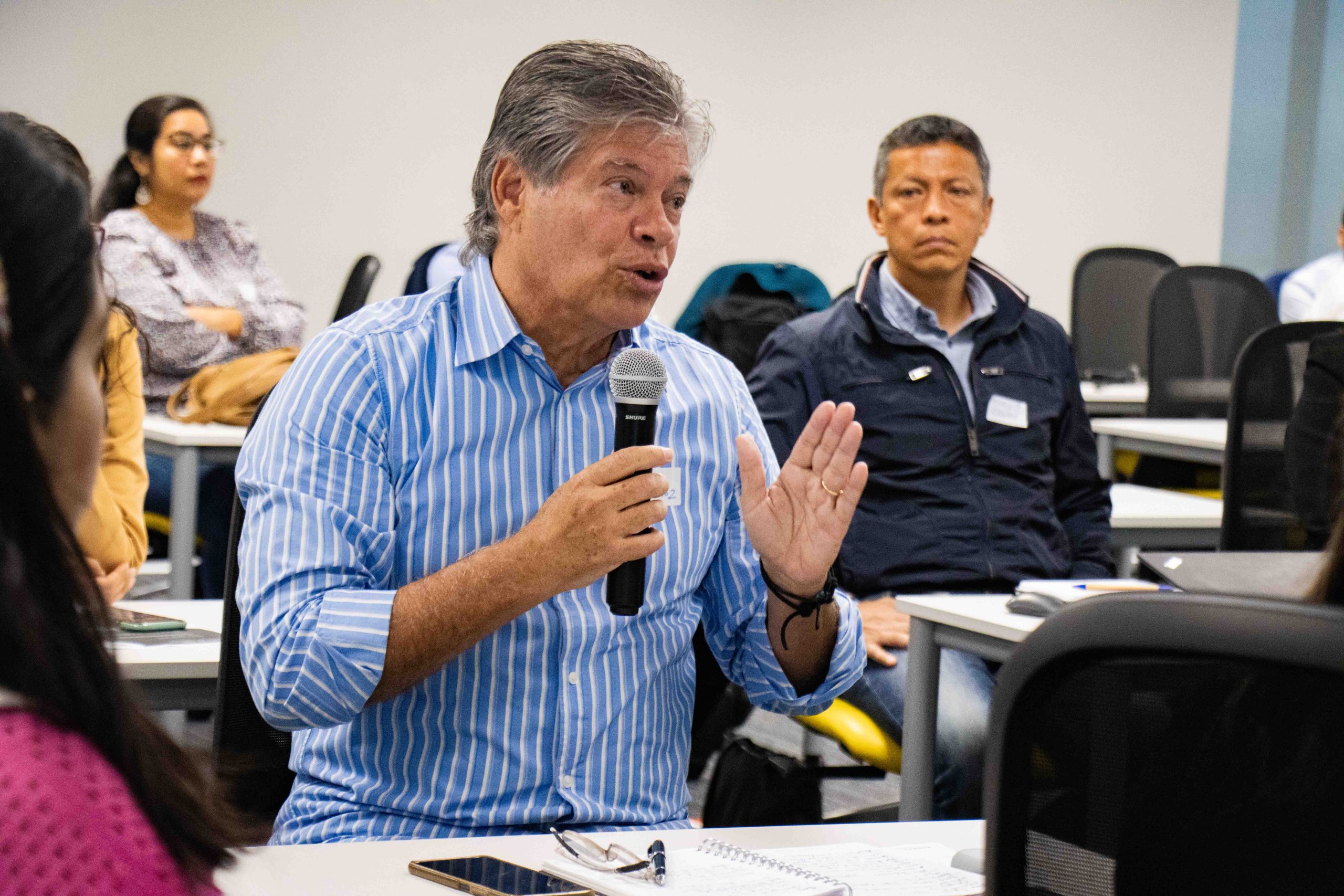
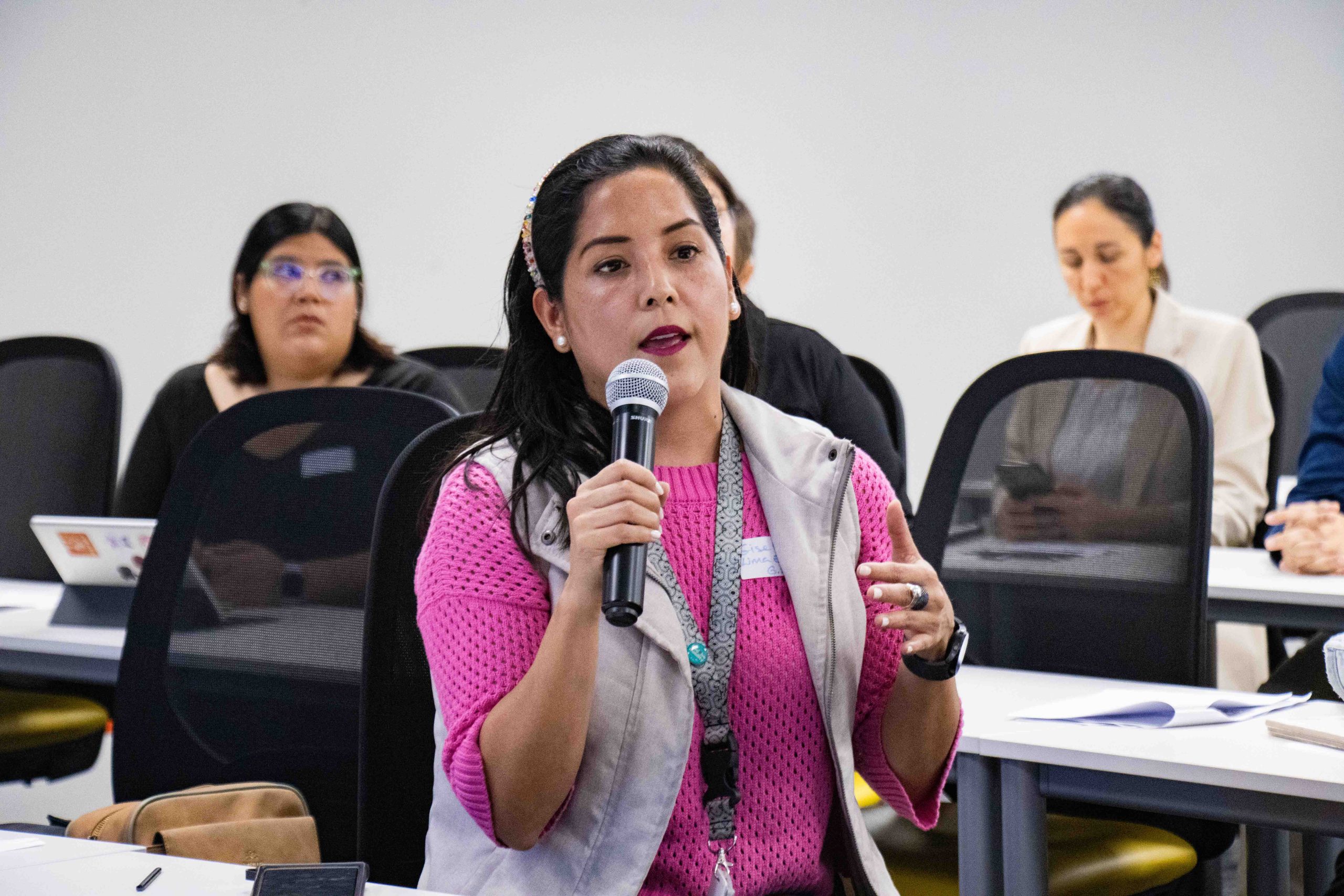
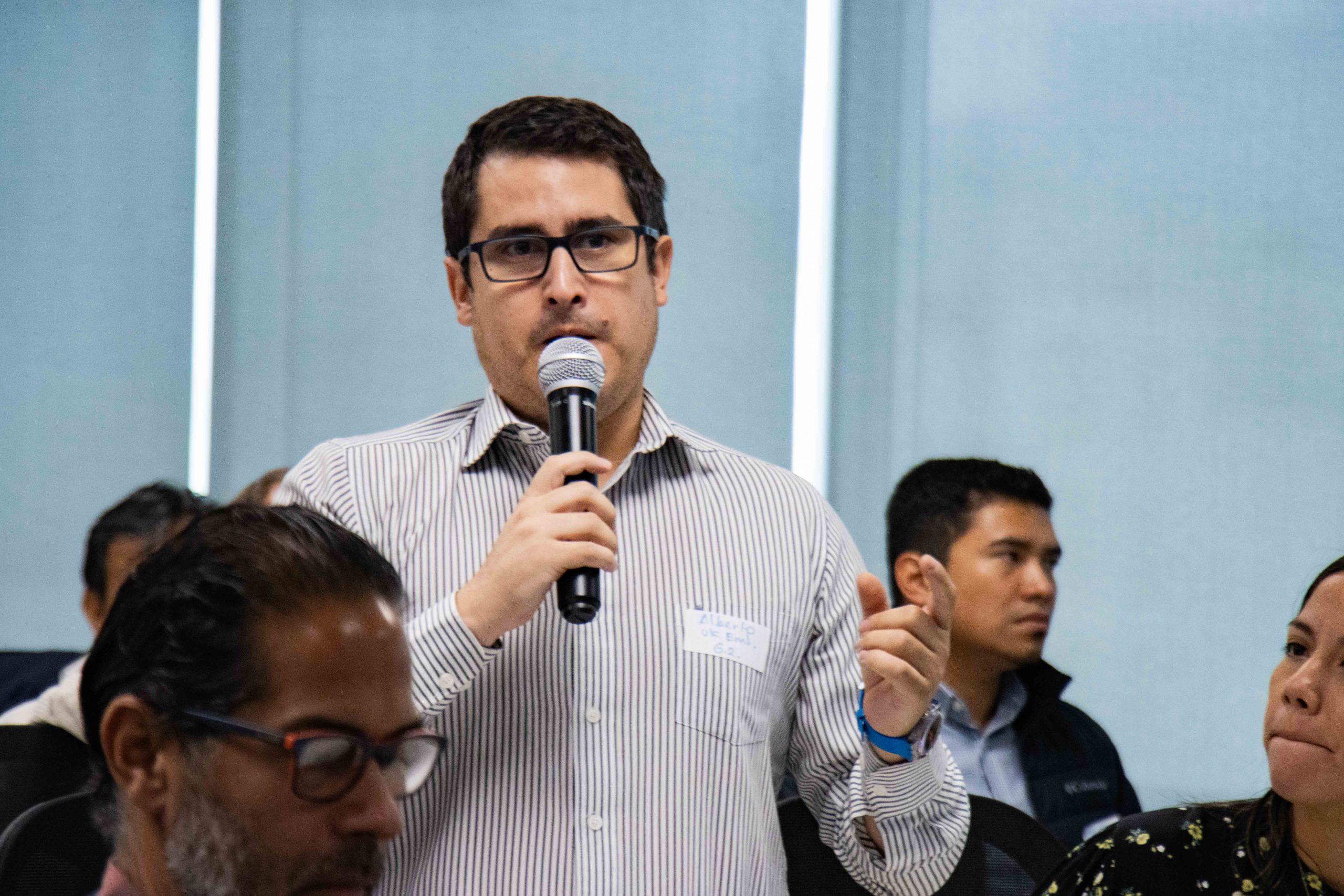
This approach fostered a constructive dialogue to address the conditions necessary for the model to function, design the financial mechanism, and discuss the distribution of responsibilities and benefits among the actors involved.
Peru has enormous potential for developing carbon projects, primarily Nature-based Solutions (NbS). However, the Peruvian carbon market is small and complex, which hinders project development.
Stefanie Delgado, Director of Investment Portfolio Management at Profonanpe, emphasized, “We have the Voluntary Carbon Markets Integrity Initiative, which is basically generating guidelines for corporations to ensure that the purchase of credits goes hand in hand with a comprehensive action plan to reduce emissions, and that the purchase of credits is simply one more tool in that process.»

Learn more about Basic concepts of a carbon project
At Profonanpe, we are designing a seed capital fund to finance carbon-based solutions (SbN) projects. The fund will finance the initial stages of these projects, which are crucial for their success. Funded developers will be required to meet the highest environmental standards and involve local/indigenous communities as partners. They will also be required to repay the fund through the sale of carbon credits.





Learn more about Seed Capital Fund.
Main conclusions
The Profonanpe thematic working groups identified a set of challenges and opportunities for the Peruvian carbon market. These challenges include the need for adequate legislation and regulation, amending the Forestry Law, aligning individual project management systems with national legal frameworks, establishing tax and financial incentives, and integrating small-scale producers into reforestation initiatives.
Regarding the responsibilities and benefits of the actors involved, the importance of highlighting the philanthropic vision of the fund, establishing investment policies that guarantee the sustainability of the projects and the equitable distribution of benefits, effectively communicating the project to the communities, and including the gender perspective in the formation of new projects was emphasized.
Overall, the thematic panels highlighted Peru's potential to develop carbon projects, but also emphasized the need to address the identified challenges so that the Peruvian carbon market becomes an effective mechanism for climate change mitigation and sustainable development.