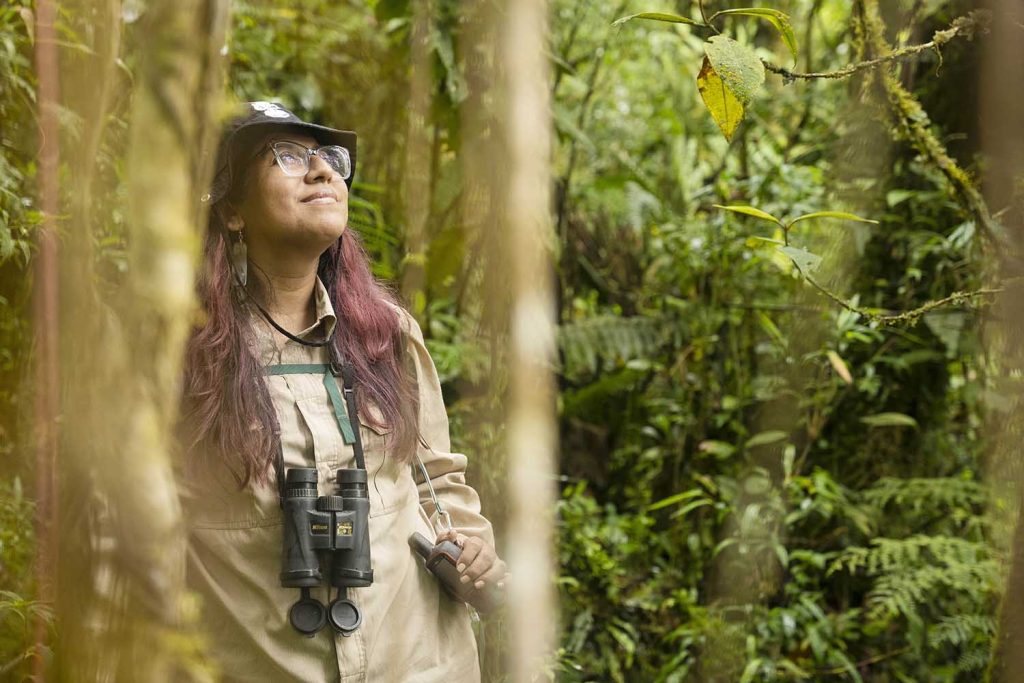
Excitement, satisfaction, and responsibility. These were the first feelings Fanny Cornejo had when she learned she was one of the 10 finalists for the Emerging Conservationist Award, a prize given by the organization. Indianapolis Prize in order to recognize researchers around the world under the age of 40 who achieve a significant impact on the conservation of endangered species.
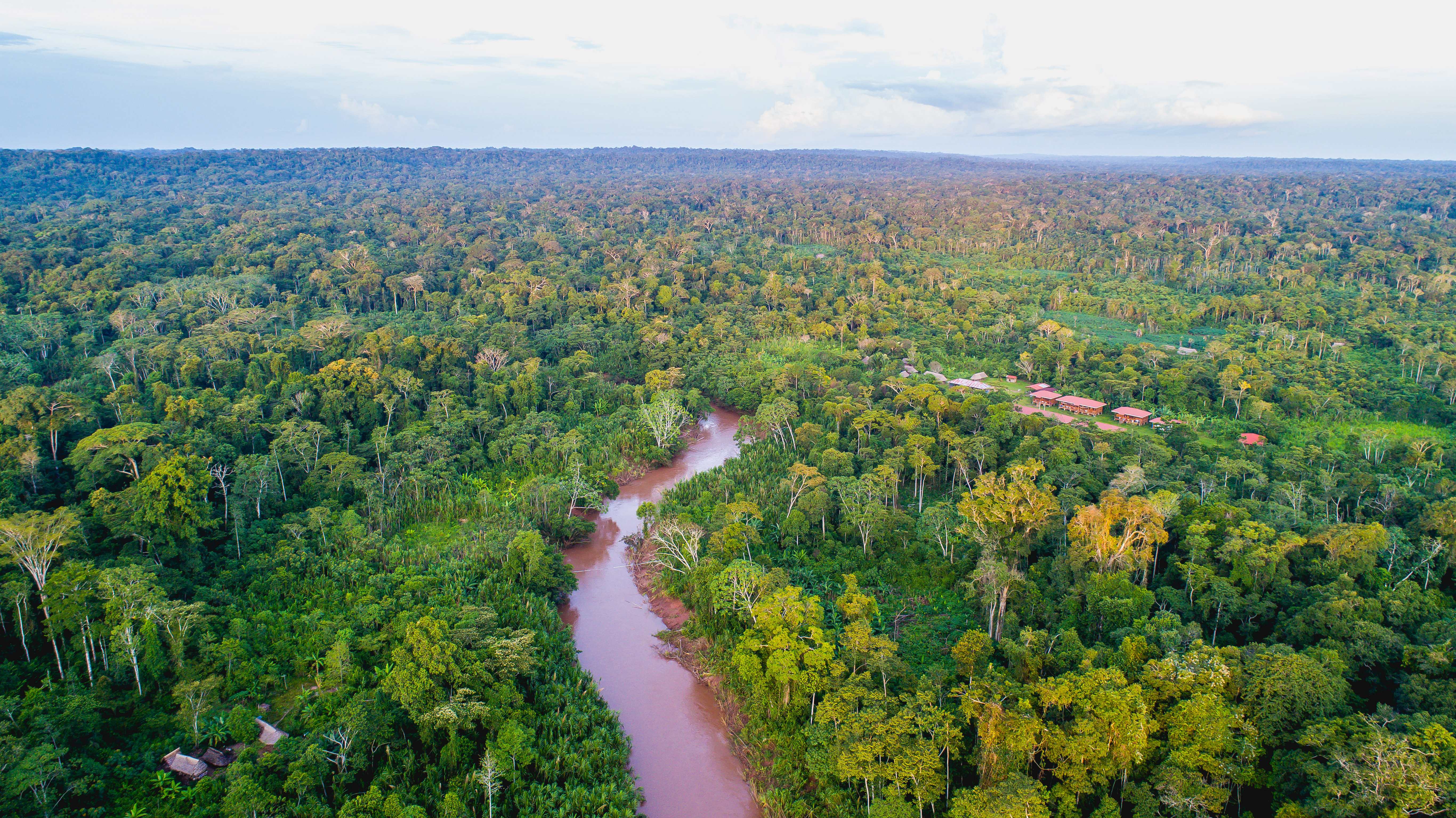
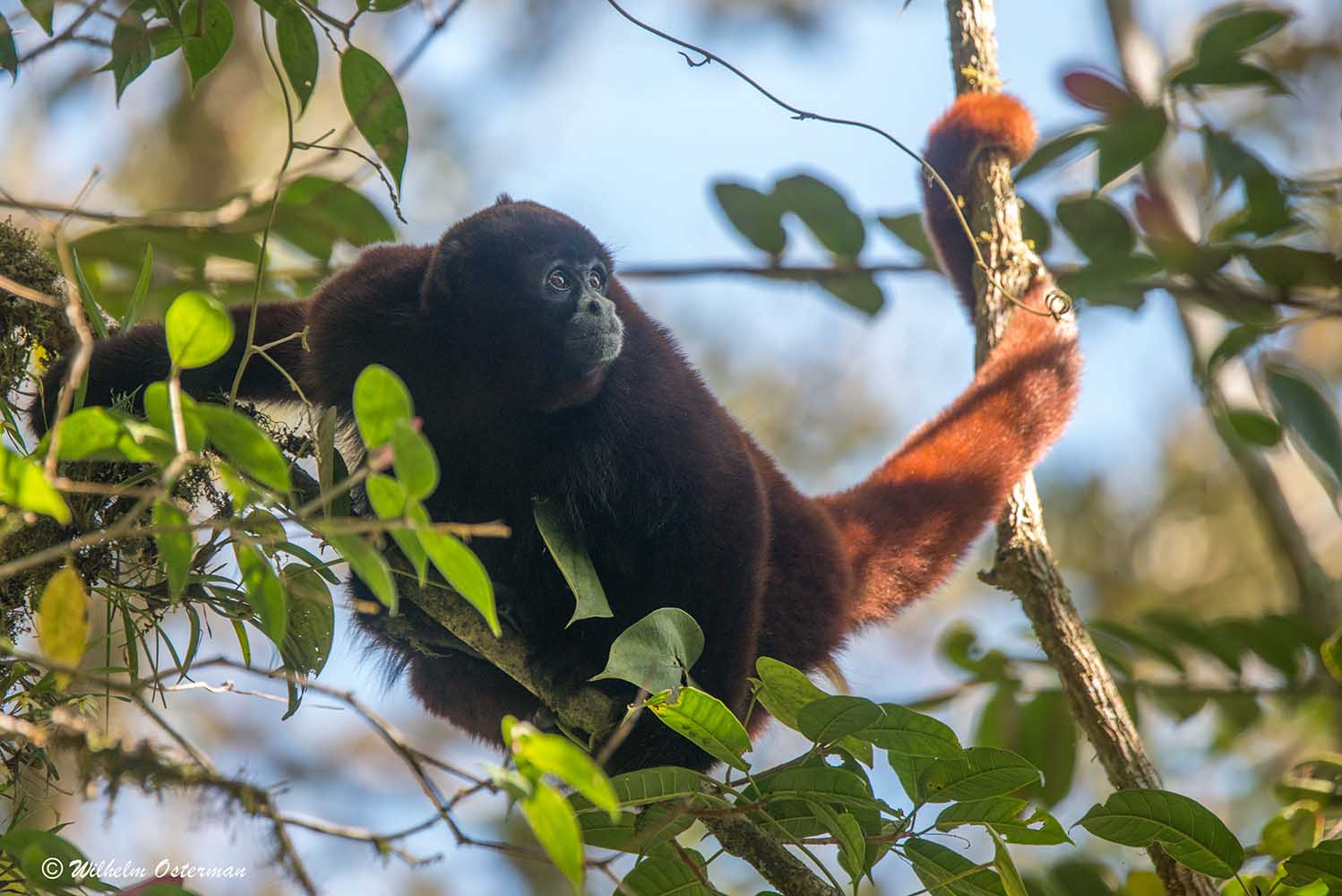
Fanny's work is backed by over 15 years of experience protecting the yellow-tailed woolly monkey (Lagothrix flavicauda), which inhabits the cloud forests of the Tropical Andes. She also emphasizes the value that this work had for her and the Yunkawasi Civil Association, the organization he leads, the support provided by the Critical Ecosystem Partnership Fund (CEPF).
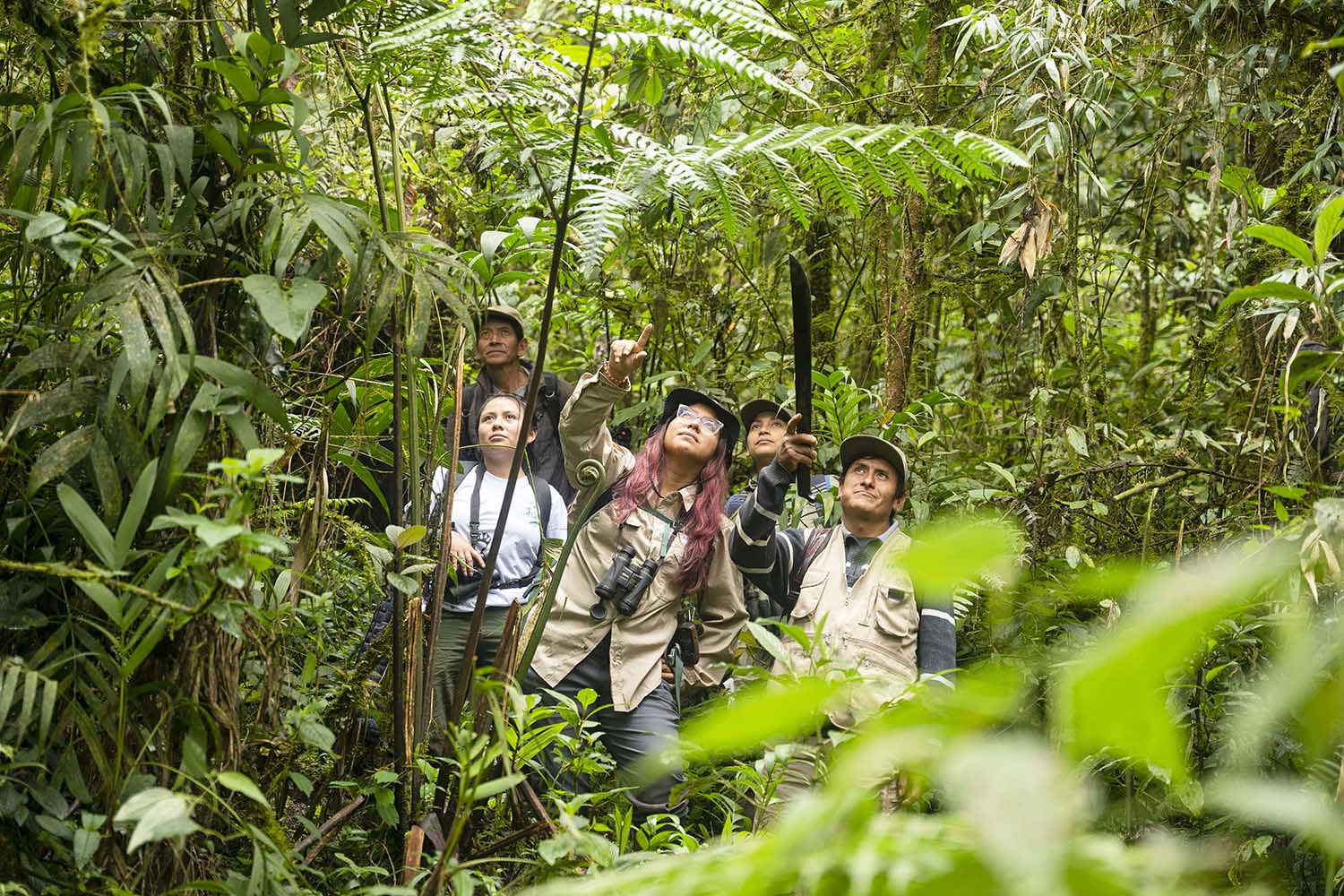
“The first organization that believed in us and supported us when we incorporated other work approaches in Yunkawasi was CEPF in 2016. It was the key support for our growth and we greatly value the support as it allowed us to consolidate new actions,” he says.
Since then, Yunkawasi has managed to add more institutions to its donor portfolio, which now allows them to have projects in seven regions of Peru and a team of more than 40 professionals, whom Fanny recognizes as crucial to her nomination, as it is the result of conscious and teamwork.
“The CEPF investment model is truly important. The creation of ecosystem profiles, which generate a regularly updated baseline to identify priorities, investment themes, and institutions as potential beneficiaries of those investments, is fantastic,” he acknowledges.
But the best thing, for Fanny, is CEPF's commitment to local organizations and peasant communities, who, through alliances, can strengthen conservation actions in the territories they inhabit and thus achieve the great desire: sustainability.
An achievement that encourages us to keep working
Being a woman, researcher, and biologist in a society where gender equality remains an outstanding debt and many gaps still need to be closed is not easy, but the recognitions and nominations Fanny has received motivate her and the organization where she works to provide spaces for young professionals to have the opportunity to develop in the field of conservation.
“The issue of seeing themselves represented is very important. For someone who is training, seeing someone like you, who looks like you, is very inspiring. That's why it's crucial that more and more institutions include these (gender) approaches in their daily work,” she reflects.
Fanny, who also received the Medal of the Order of Merit for Women in 2014, adds that it is important to provide spaces for women to participate in communities, so that girls can see themselves reflected and the impact does not remain only in these spaces, but goes beyond them.
Finally, Fanny explains that it's not necessary to work for conservation organizations to contribute. “We ourselves, as consumers, are crucial when we think about, for example, the origin of the products we consume, ensuring they don't come from crops that cause deforestation. We can do so much right now, which is a critical moment for us, because it's our present,” she concludes.
About the CEPF project – Tropical Andes Hotspot
The Critical Ecosystem Partnership Fund (CEPF) is an initiative that seeks to ensure that civil society is dedicated to conserving biological diversity.
As part of its regional intervention strategy throughout the Tropical Andes, CEPF has established the Regional Implementation Team (RIT) comprised of the Natural Heritage Fund from Colombia, Profonanpe from Peru and ACEAA (Bolivian Association for Research and Conservation of Andean-Amazonian Ecosystems) from Bolivia to undertake conservation initiatives in three countries of the region that are part of the Tropical Andes HotspotBolivia, Colombia and Peru.