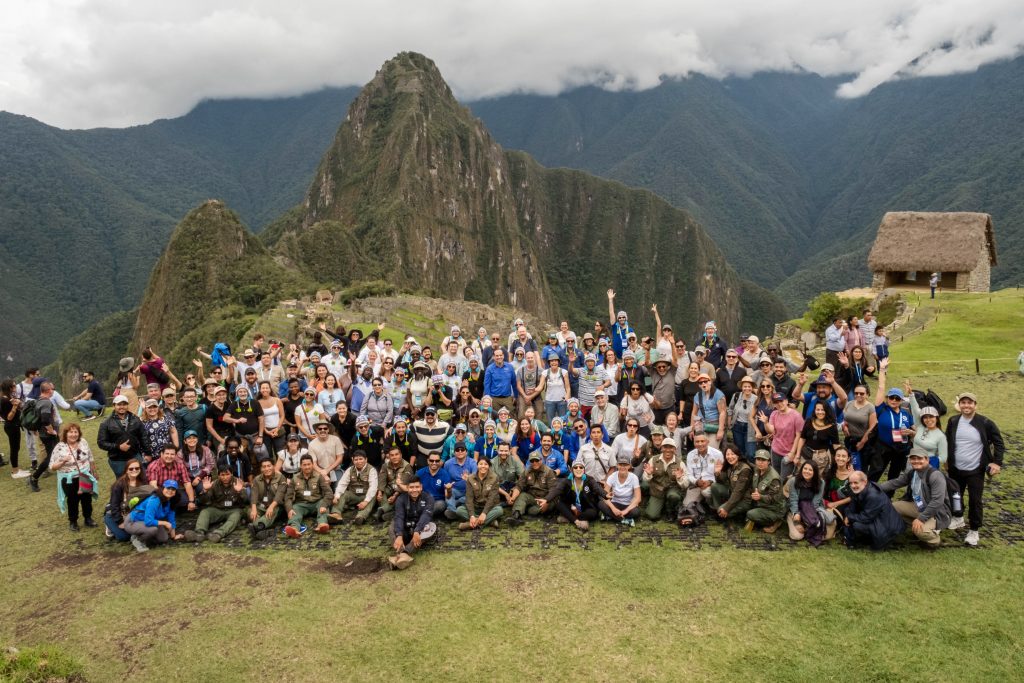
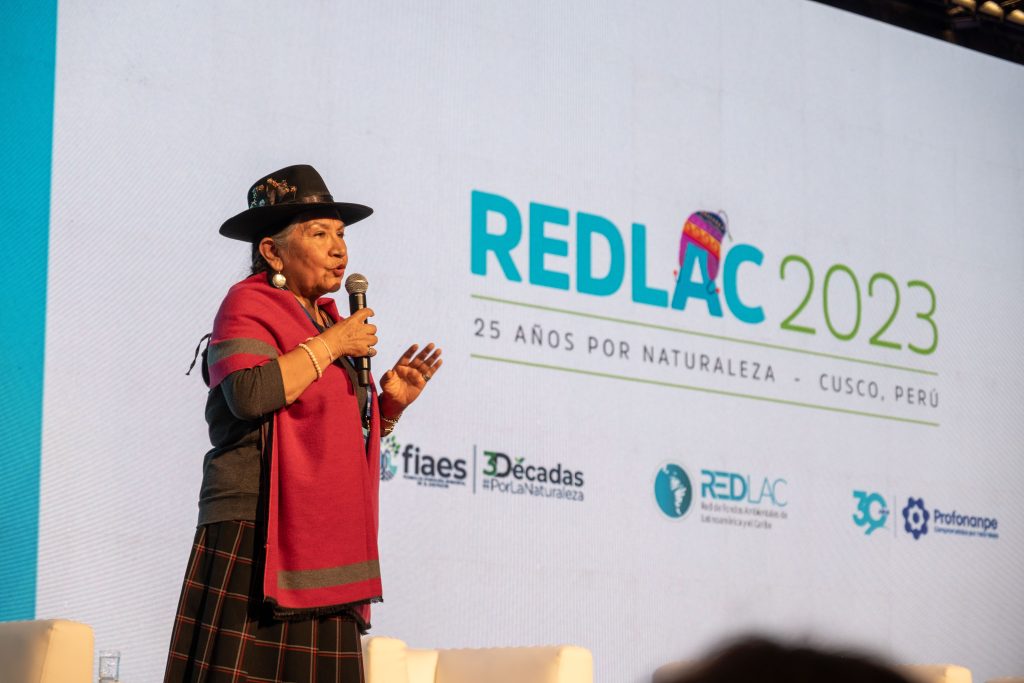
The XXV International Congress of the Latin American and Caribbean Environmental Funds Network (RedLAC 2023), held in Cusco, established a series of new challenges and commitments to mitigate the impacts of climate change at the regional and global level.
Among them, the search for alliances to promote financial proposals for biodiversity conservation and the inclusion of indigenous women in access to these international funds was highlighted.
At meetings from October 23 to 25, officials, business leaders and 350 climate fund management specialists from 35 countries stressed the urgent need to increase investments in conservation and promote sustainable practices.
The importance of rapidly mobilizing these resources to the most vulnerable territories and generating impacts through projects that strengthen environmental protection was emphasized.
“Over the next six years, an additional US$1,000,000 must be mobilized for biodiversity conservation issues, and environmental funds are called upon to play the most important role in mobilizing these resources in the countries of the region,” reported Anton Williems Delanoy, executive director of Profonanpe, the institution that organized this environmental event, the most important in the region.
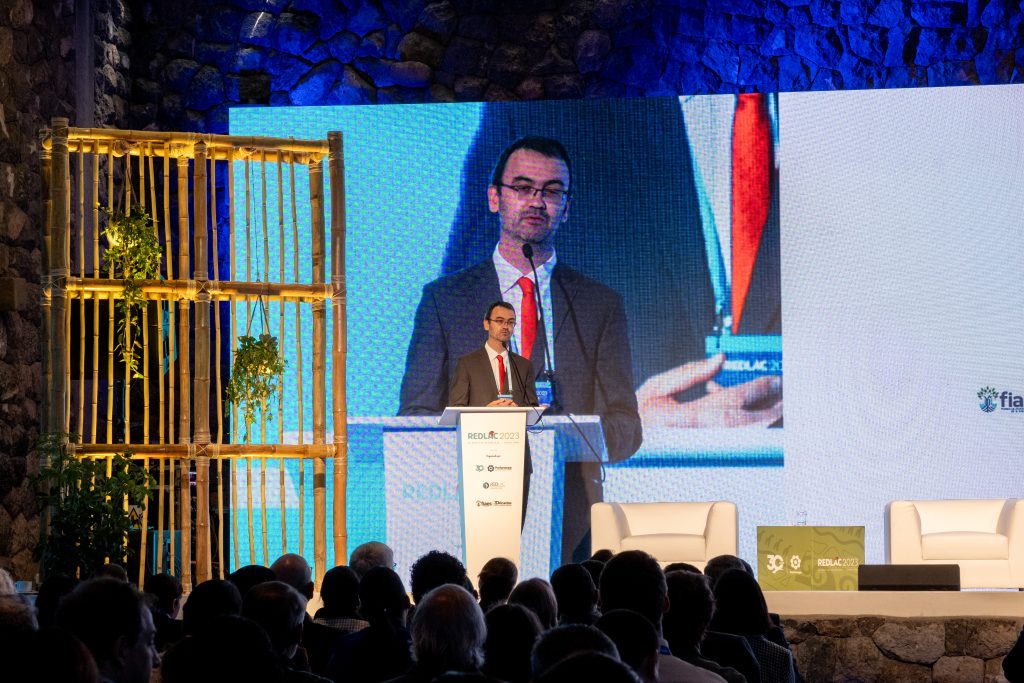
Addressing the fact that international agencies are not the only ones involved in resource management, he stressed the need to build alliances with the private sector to face environmental challenges.
Williams commented on the interest, for example, of the cement industry, which is committed to decarbonization and investing in natural infrastructure projects to neutralize emissions. No less than 3.8 billion tons of carbon in Latin America.
The aviation industry is also seeking to contribute to biodiversity conservation projects, aligning itself with the CORSIA standard (Carbon Offsetting and Reduction Scheme for International Aviation) in order to limit CO2 emissions from airline flights.
Regarding the mining industry, crucial to Peru's GDP, the sector faces the challenge of managing water and moving towards sustainable development goals, acting as a catalyst for the sustainability of the territories.
In this context, Profonanpe and other environmental funds will play a key role in transferring information and mobilizing resources to the territory.
The executive also emphasized that Protected Natural Areas (PNAs) constitute the natural capital that serves to generate continuity in environmental interventions, such as ecosystem conservation and restoration projects., in addition to highlighting the role of Natural Heritage of Peru as the strategy that will allow the management of protected natural areas as a single natural asset. These interventions are carried out by working together with indigenous communities.
Indigenous communities: the Cusco Declaration
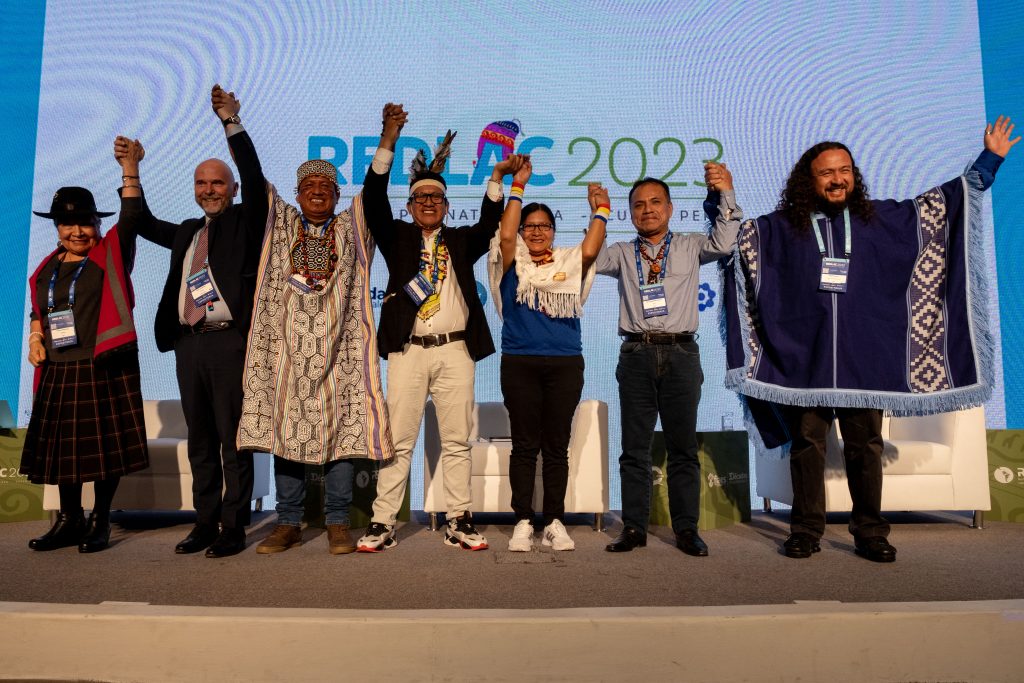
At the 25th RedLAC2023 Congress, Indigenous Peoples had their own dedicated section for the first time. Representatives from Peru, Chile, and other regions participated, working on a Cusco Declaration. They expressed interest in the role environmental funds can play in mobilizing the US$1.7 billion pledged to them at COP26.
Inclusion of women in access to funds
The event concluded with significant commitments. Among them, an agreement was reached to establish a working group with the Global Environment Facility (GEF) to facilitate the transfer of additional resources to the countries. This meeting, to be held before February 5 in the United States, will allow Latin America to present its proposals to this global fund.
In addition, the proposal was made to include indigenous peoples in the design and creation of projects and to strengthen their capacities to directly receive resources in the future.
Emphasis was placed on greater inclusion of women, especially indigenous women, in access to international funds. “They are the most affected by climate change, as they lead household activities and are impacted by decreased food security, access to water, and healthy housing,” Willems explained.
State participation
It is worth highlighting that, on behalf of the State, the participation of the Minister of the Environment, Albina Ruiz, in RedLAC2023 and her commitment to the environmental agenda demonstrated that Peru has reclaimed its place in discussions on climate finance. The president of the Global Environment Facility, Carlos Manuel Rodríguez, emphasized that Peru is one of the 10 most relevant countries for the global biodiversity agenda.
Finally, it was reported that the agreements reached will be part of the discussions at COP 28 in Dubai. And it was announced that the next RedLAC event will be held in October 2024 in Saint Lucia, a Caribbean island.