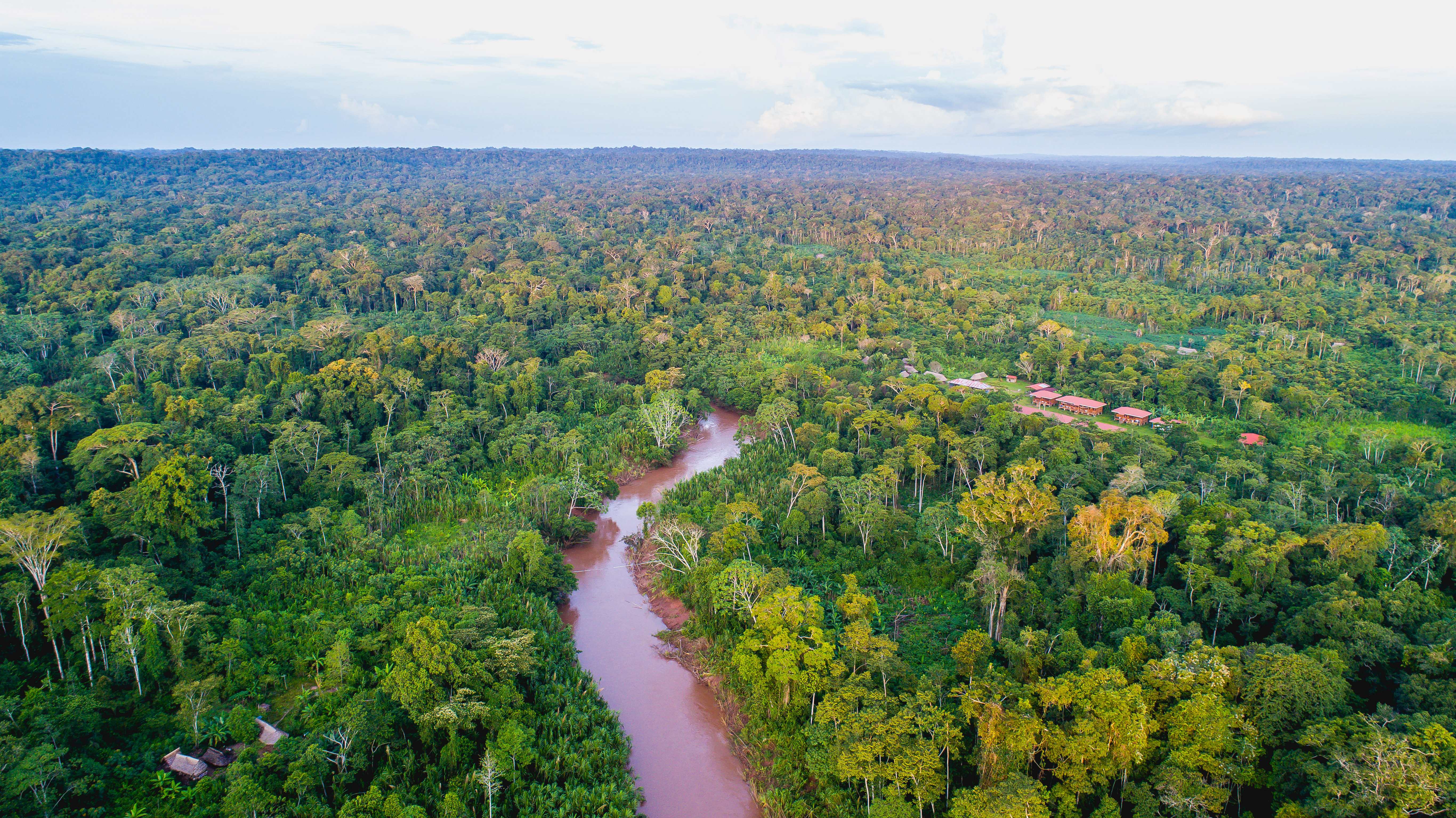
The Candungos Native Community, located in the Amazonas region, carried out a participatory process to protect its floodplains and palm swamps in an area of 8842 hectares, within the framework of the proposal for the Private Conservation Area “Kuaman Amutai Achu Tepaa”.
As part of this process, community members, traditional authorities, and representatives from the surrounding communities participated in workshops, general assemblies, and field trips that helped define the scope of the proposed area, its zoning, conservation objectives, and the long-term vision for the Private Conservation Area (ACP). This process received technical support from the APeruvian Association for Nature Conservation (APECO) and the support of Bird Conservation Initiative.
Roberto Wisum, leader of the Candungos Native Community, highlighted the collective work carried out by the community to make the decision to protect their territory. “As a community, we are working together with APECO to protect our forests and palm swamps that are linked to our culture and traditions.”, the apu mentioned.
Collective decisions to protect the territory
Through participatory workshops, the community identified the area's natural assets and the threats affecting the territory, such as deforestation and the inappropriate use of resources. Based on this assessment, the community zoned the area, differentiating between zones of multiple use and zones of limited use.
As part of the workshops, Glend Seitz, a social specialist from APECO, He highlighted the community-based approach of this process, which stems from dialogue and consensus.“When planning stems from dialogue, informed decisions are made that help reduce conflicts and protect biodiversity without affecting the well-being of the population.”,” the specialist explained.

Participatory workshop at the Candungos NPP © Glend Seitz
As a result, the community validated the name. “Kuaman Amutai Achu Tepaa” which, in the Wampis language, means Floodplains and Swamps, This reaffirms cultural identity as the central focus of conservation. Furthermore, progress was made in developing its Master Plan and Financial Sustainability Plan, key tools for ensuring effective management of the area.