With the 2026 presidential elections approaching, Yupanqui and Carrasco expressed a shared concern: the political debate continues to ignore the origin of the country’s wealth and the consequences of extractivism. “Very uncertain times are coming, and no one is stepping up to the plate. We have seen politicians from all sides of the political spectrum, and many are linked to extractivism,” warned Yupanqui. For both of them, it is impossible to project Peru’s future without understanding which territories sustain its economy and are at risk if they are not protected.
They explained that this disconnect between the economy and the territory shows why thousands of public and private decisions are made without considering the country’s environmental base. Hence their advocacy for clear and accessible communication: “We want the information to be rigorous and simple, so that my mother, my grandmother, and even those who think gold is the best thing ever without knowing how it is obtained can understand it.”

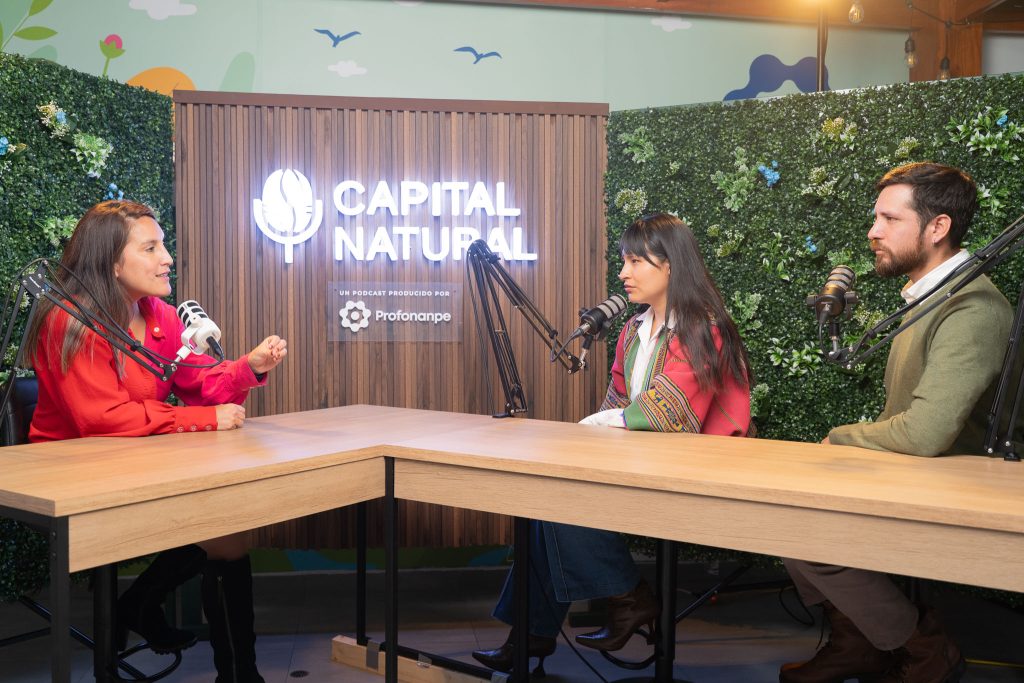
This episode of Capital Natural delves into the urgency of telling stories that mobilize decisions and strengthen citizen participation in the face of Peru’s environmental challenges.
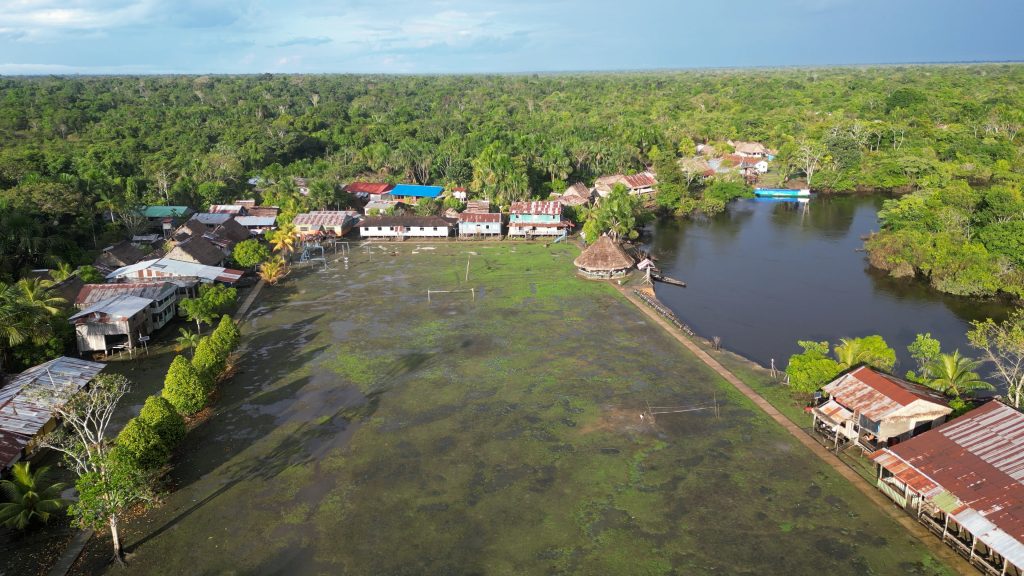
One of the most emblematic cases presented was the work carried out in an Amazonian community impacted by drug trafficking. After recording testimonies and launching a digital campaign, the official process of territorial demarcation began. The example demonstrates how a well-constructed story can accelerate decisions that had been pending for years.
Sapiens has also identified communication gaps that affect citizen participation. In the south, for example, radio and Facebook remain the most widely used media, while Twitter (now X) is almost non-existent. For this reason, they are committed to content in indigenous languages and to revitalizing community spaces: if a radio announcement fills an assembly, they say, that response is also a valid metric.
Both advocate for communication that involves research, listening to local communities, and narratives that inspire action. “Today, there are territories, decisions, and struggles that need to be told so that the country can make better decisions,” says Yupanqui.
Carrasco complements this view from a financial perspective: “Finance is communication, because it can convey stories that give us perspective on the magnitude of environmental problems.” Mobilizing cooperation, investment, or environmental funds requires raising the profile of communities that today face illegal mining, logging, drug trafficking, and other pressures that do not usually appear on the public agenda.
This episode is part of Capital Natural, Profonanpe’s podcast that brings together diverse voices to understand how communication can promote conservation, social cohesion, and more informed decisions throughout the country. The episode is available here.