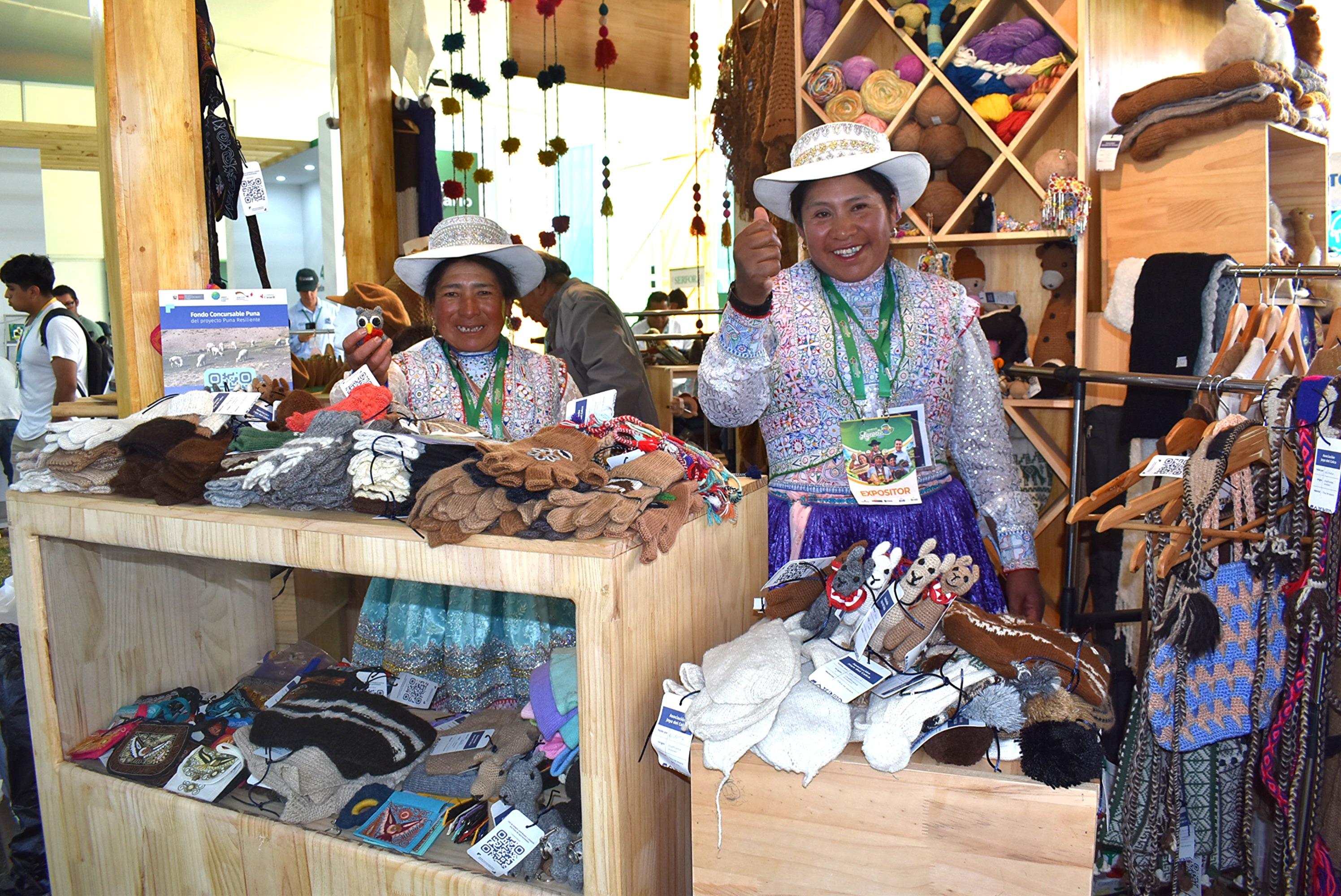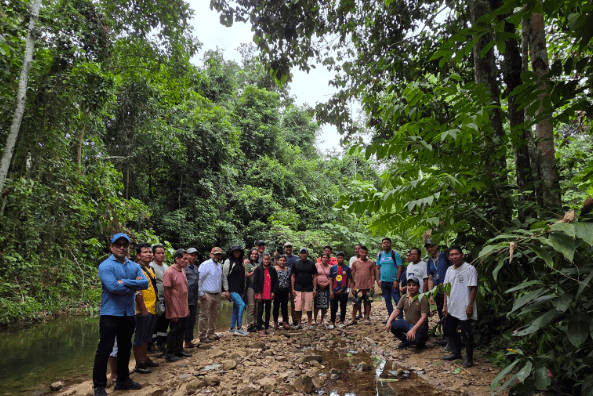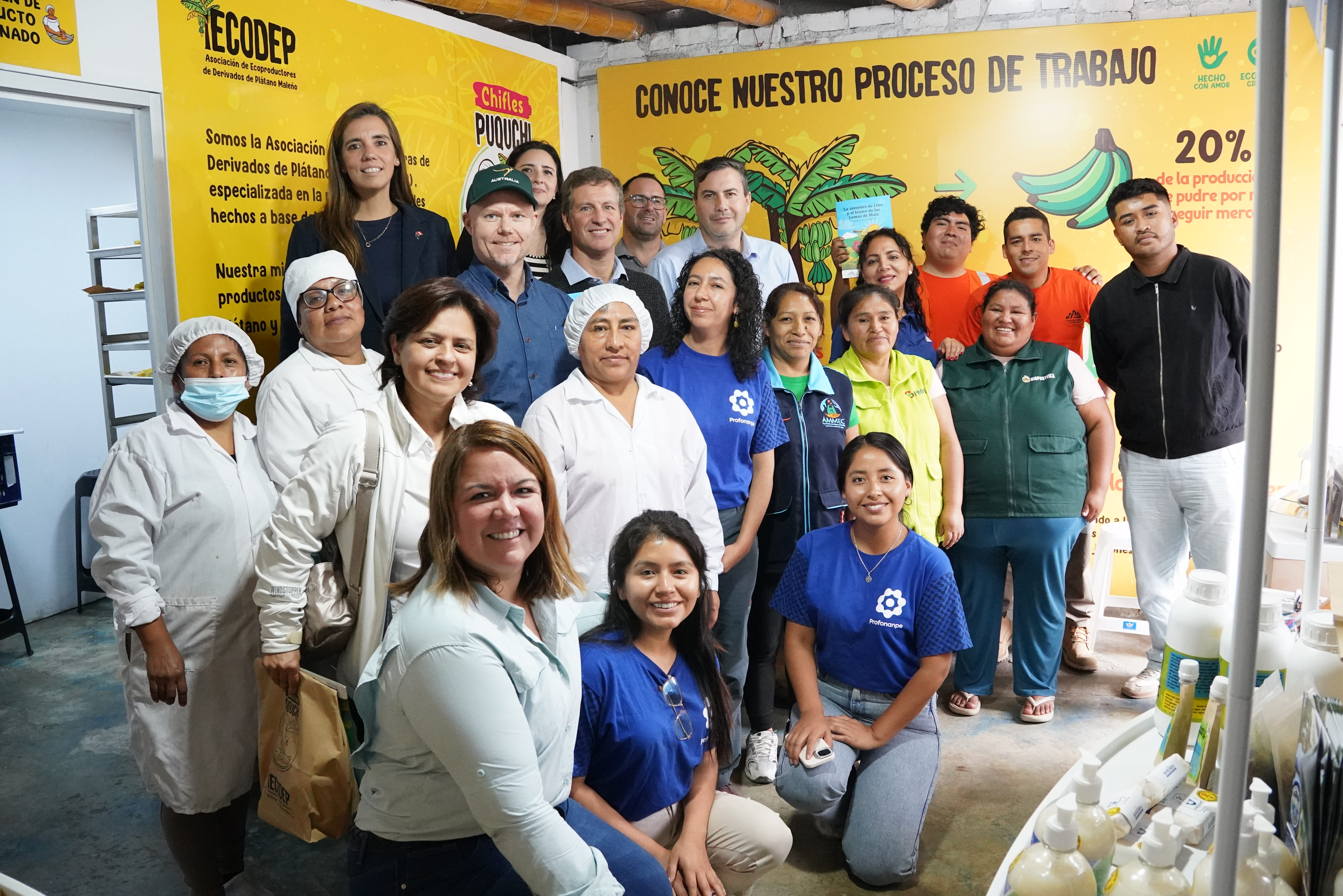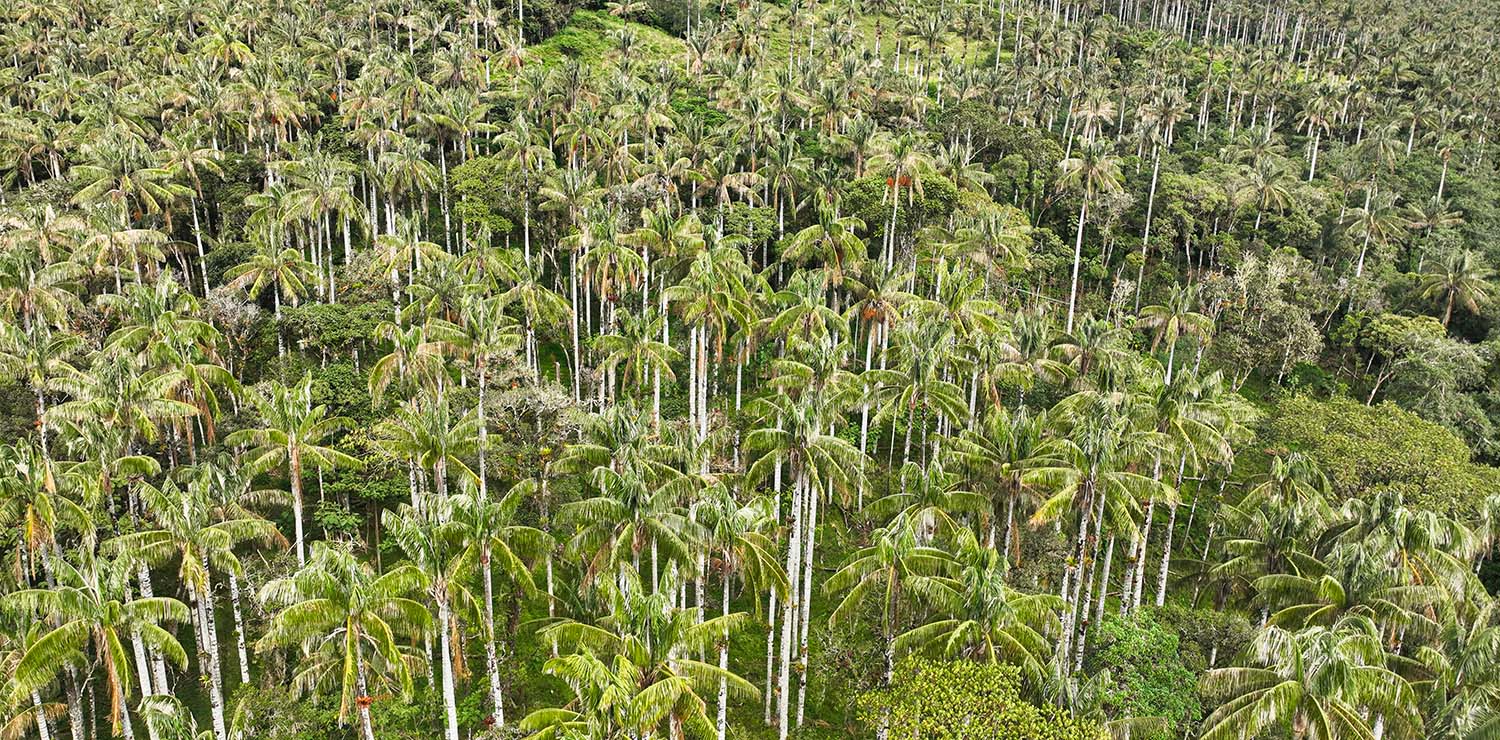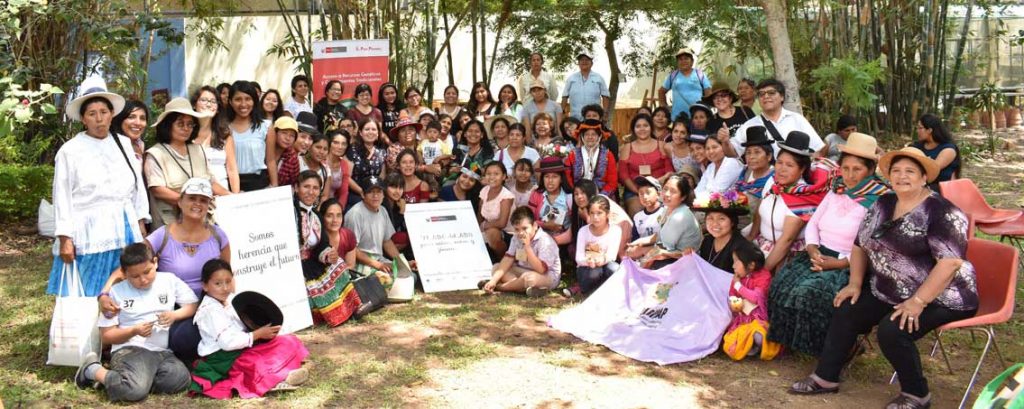
During the workshop, spaces were created for the integration of the different peoples, strengthening identity and promoting dialogue, within the framework of respect for the different worldviews and native languages. A relevant focus within the workshop was that of gender equality, where girls, young adults and older adults participated equally in all the activities. In this way, an encounter of knowledge was achieved between the scientists of the Natural History Museum and the women transmitters of ancestral knowledge and conservationists of native plant species, which has allowed the sustainable use of biological and genetic resources through generations.
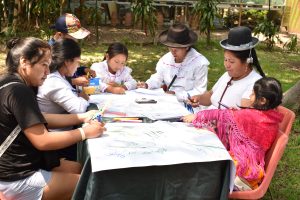
In addition, the children and young people were able to express through art their perception of the biodiversity that surrounds them in their towns or communities and manifest the relationship that exists with these resources, generating an important space for intergenerational dialogue among the youngest participants.
This workshop was held in March, with the participation of girls, boys, young people and women from the National Federation of Peasant, Artisan, Indigenous, Native and Salaried Women of Peru (Federación Nacional de Mujeres Campesinas, Artesanas, Indígenas, Nativas y Asalariadas del Perú – FENMUCARINAP). The event was held at the Natural History Museum of the Universidad Nacional Mayor de San Marcos, and brought together participants from 19 regions of Peru, Arequipa, Puno, Tacna, Moquegua, Cusco, Apurímac, Loreto, Amazonas, Ucayali, Madre de Dios, San Martin, Tumbes, Piura, La Libertad, Cajamarca, Pasco, Junín, Ica and Lima. The majority participation of women and the diversity in the use of different native languages were highlighted.
The data:
The GEF-ABS-Nagoya Project, funded by the Global Environmental Facility (GEF) and implemented by the Ministry of Environment, Profonanpe and UN Environment, aims to strengthen national capacities for the effective implementation of regimes for access to genetic resources and traditional knowledge in accordance with the Nagoya Protocol and thus contribute to the conservation of biodiversity and the well-being of people in the country.
About the Nagoya Protocol:
The Nagoya Protocol, in force since October 2014, is a supplementary agreement to the Convention on Biological Diversity (CBD) that aims at the fair and equitable sharing of benefits arising from the utilization of genetic resources. It is currently made up of 126 member countries and Peru has been a party to this Protocol since July 2014.