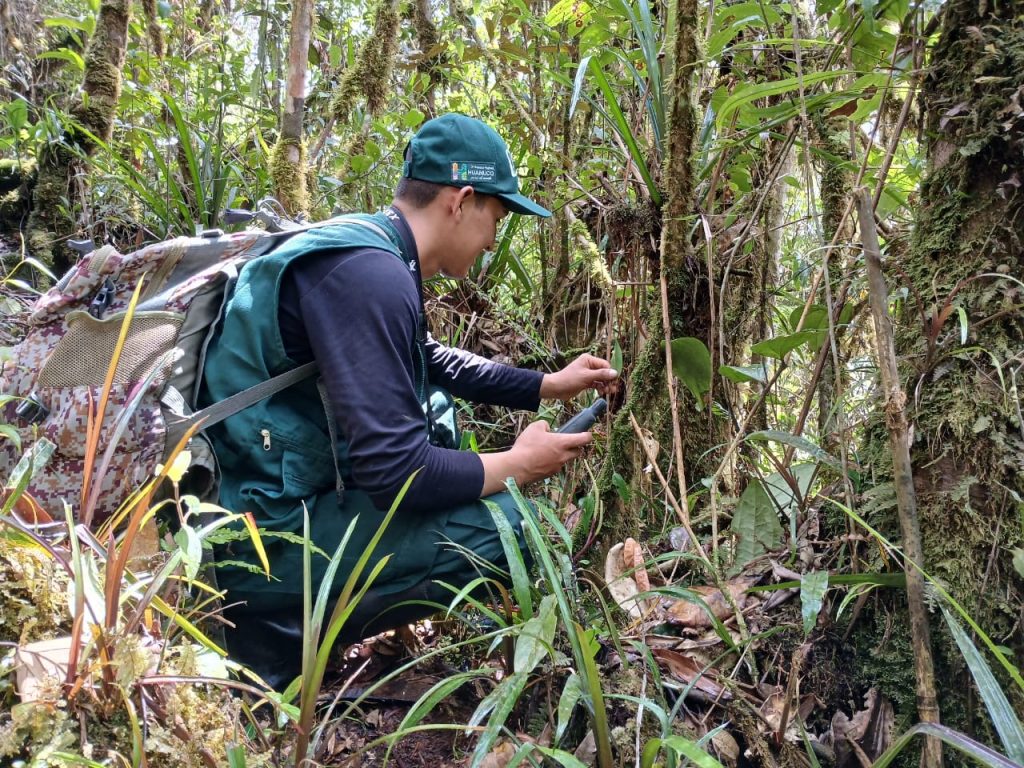
Photo: Ramiro Polinar
«The orchids are cut off at the root, dehydrated, without leaves or roots, but little by little they come back to life with the right care.» This is how Ramiro Polinar describes the process of rescuing orchids from degraded areas in the forests of Huánuco. At 19, he has found his passion: saving orchids that have been uprooted and giving them back their life.
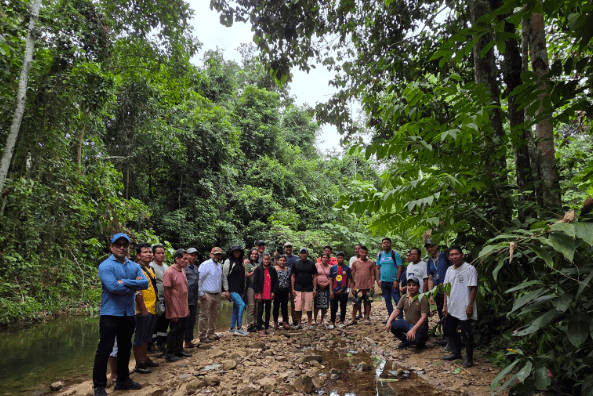
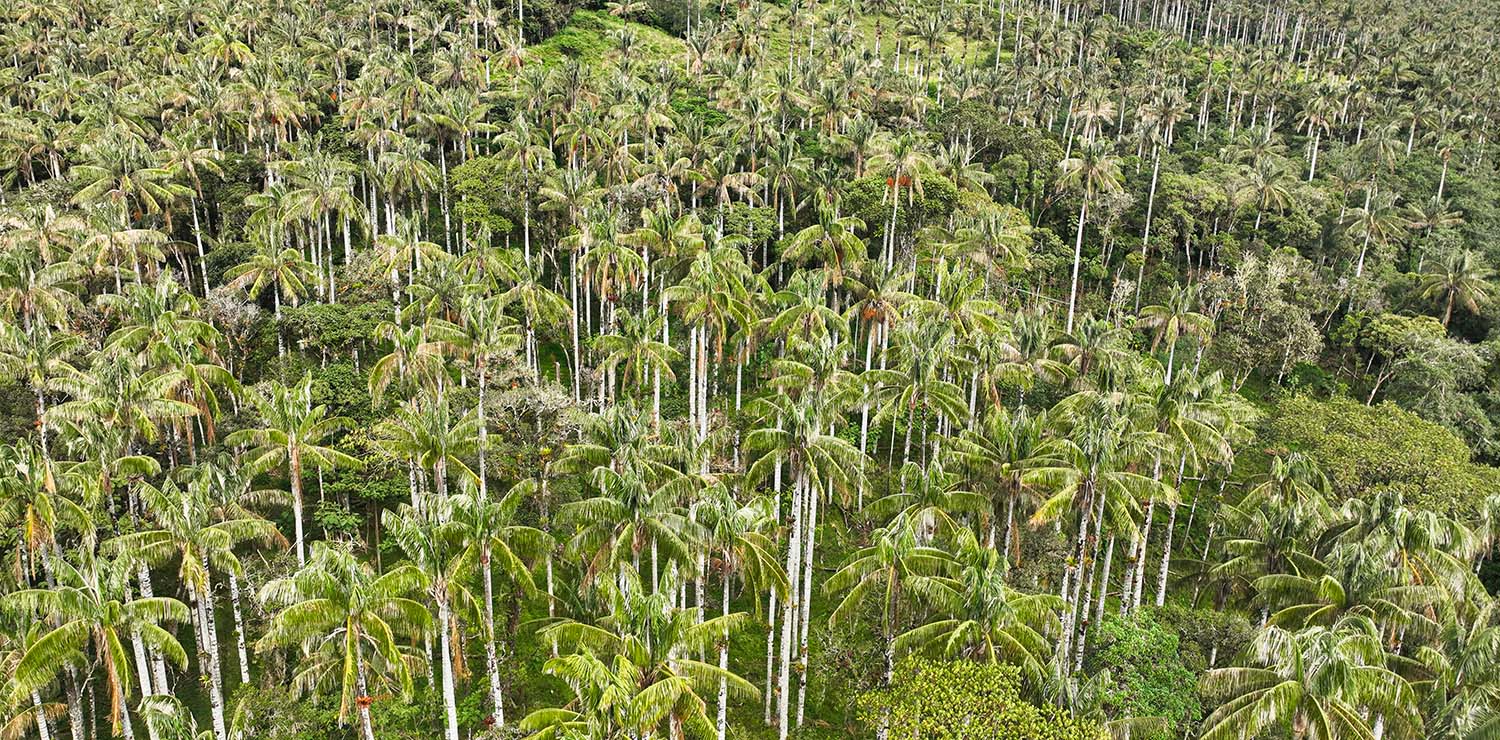
As a volunteer Community Watchman in the Carpish Montane Forest Regional Conservation Area (ACR), During his patrols he finds these plants abandoned on the ground or carried by the river, and takes them to his nursery to care for them. Their dedication is not only focused on protecting these forests, but also on rescuing a unique species in the area, whose flowers are being lost due to deforestation.
This conservation effort is supported through the financial mechanism of the Joint Declaration of Intent (JDI), led by the Ministry of the Environment (MINAM) and executed by Profonanpe, which provides technical and financial support to the ACR Bosque Montano de Carpish and the Community Environmental Monitoring Committees, of which Ramiro is a part.
Profonanpe spoke with him about his passion for orchid conservation and his tireless work as a volunteer park ranger in this conservation area.
What motivated you to open a nursery specializing in orchids?
I've always loved plants since I was little. I think it's in my nature, and I just started taking care of them. I'm 19 years old, and this initiative came from me alone; my parents never talked to me about conservation.
What is the orchid recovery process like?
The orchids I rescue are usually cut off at the roots, dehydrated, and with withered leaves. I place them in pots with high humidity and water them so they can recover their leaves and roots. The nursery is at kilometer 62 on the main road to Chinchao. To transport them, I only use my scissors and my backpack; I don't need anything else.
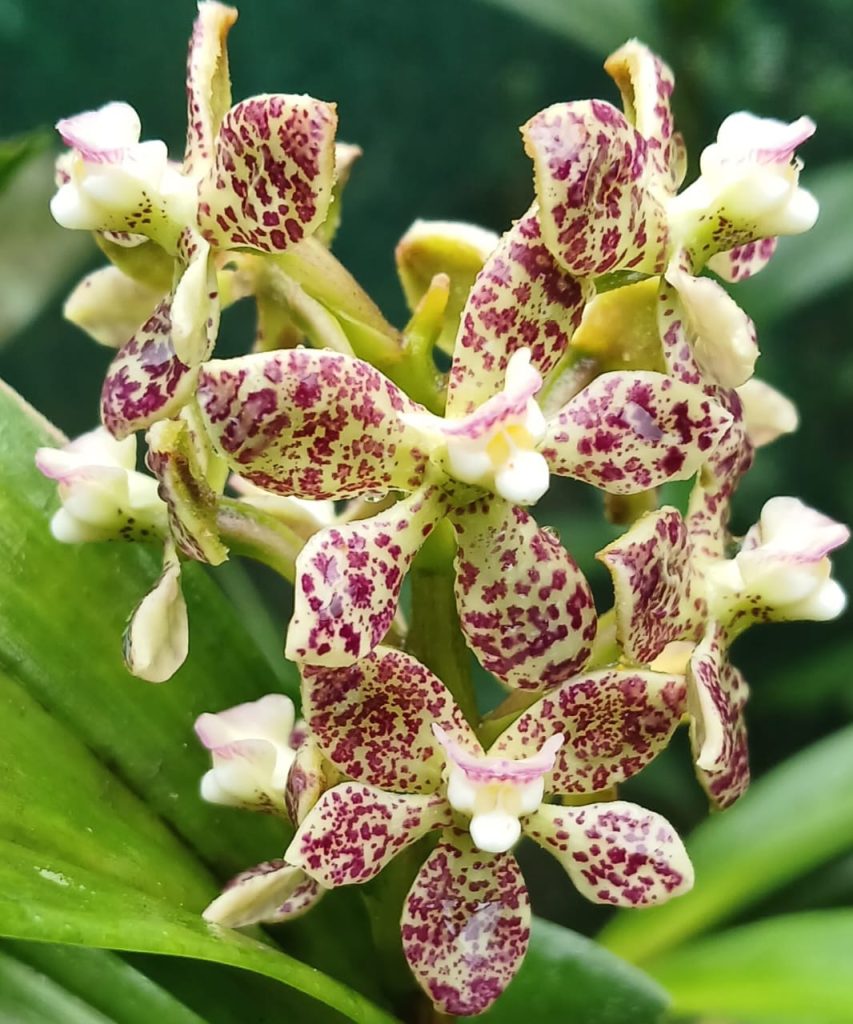
Photo: Ramiro Polinar
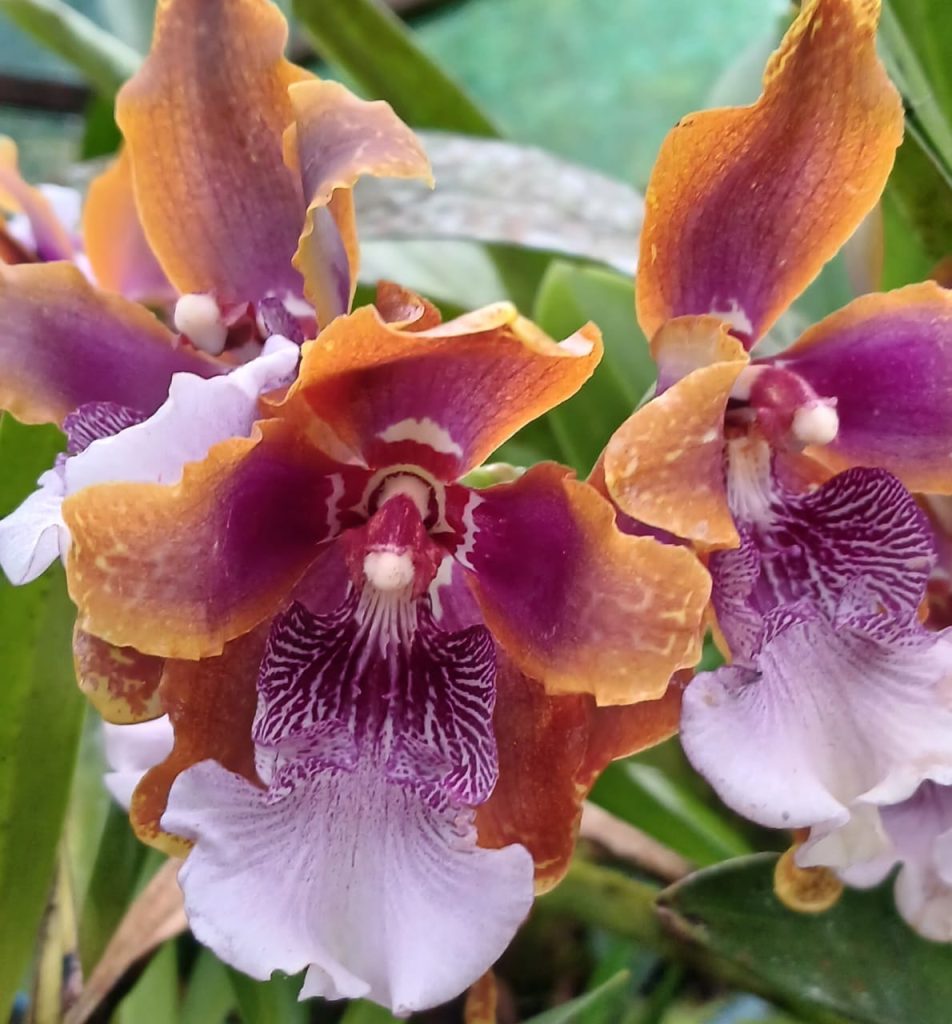
Photo: Ramiro Polinar
Why do you consider orchids important for biodiversity and the environment?
For me, they're important because I like them and they're unique to this area. Most of them aren't found anywhere else, and I have them here in the nursery. Even though I'm working on this project alone now, I make time to care for them. Some people come to visit, but it's not something that interests many.
How do you manage to maintain your two activities: being a Volunteer Community Watchman for the ACR and conserving orchids?
It's complicated, but I always make time for my plants. I was on patrol recently and said, "Today's the day to check on the plants." I organize myself by day, but I'd like to get more resources and direct support.
What would you like to do in the future with this orchid nursery?
I've been thinking about expanding the nursery and starting to propagate the plants because they thrive and there are more and more of them. I'd also like to make this a sustainable project. To that end, I've already begun the necessary procedures with the Forestry and Wildlife Technical Administration to obtain the permits and authorizations required by law.
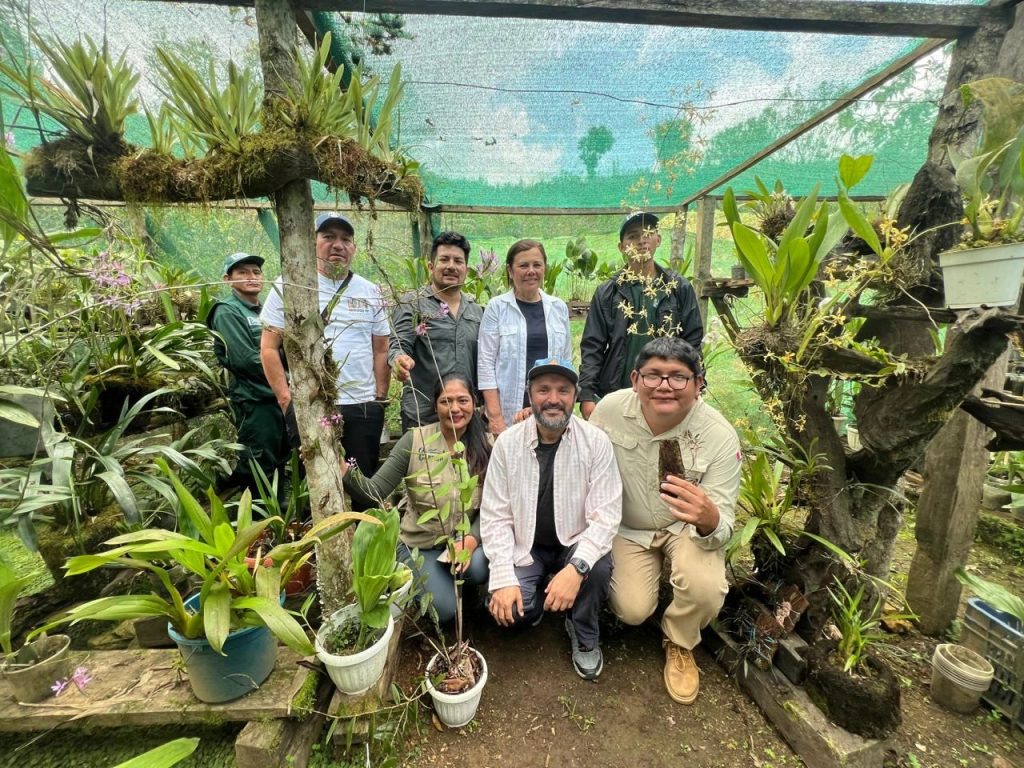
Photo: Ramiro Polinar