The Joint Declaration of Intent has become a driving force for change in the Amazon, where nearly 5 million hectares are being protected and conserved thanks to this commitment.
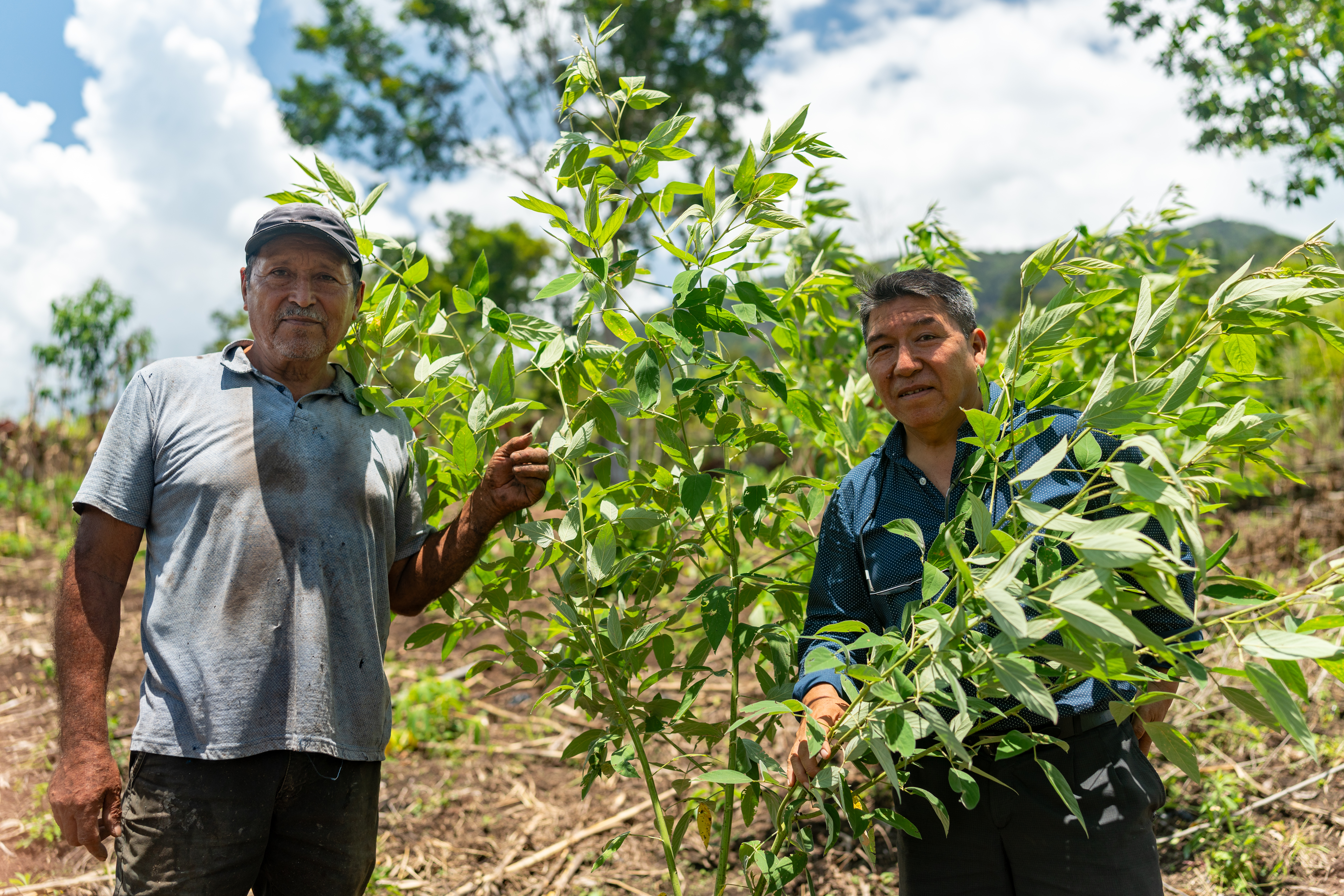
Through agroforestry systems and community forest management, the DCI financial mechanism, The project, led by the Ministry of the Environment (MINAM) and implemented by Profonanpe, has benefited more than 75,000 people in 608 communities., contributing significantly to the reduction of emissions and the protection of forests.
This financial mechanism also supports local communities by improving their quality of life, providing them with tools to manage forest resources sustainably and ensure their well-being. To date, 631% of the target, 3.024 billion hectares, has been placed under conservation measures.. All of this with the aim of continuing to move towards a more sustainable future.
This significant progress is the result of collaborative work between the DCI's financial mechanism and its 13 partners, including the central government, regional governments, and national Indigenous organizations and their grassroots members. A participatory and intercultural approach is used to continuously evaluate project goals and identify gaps and challenges.
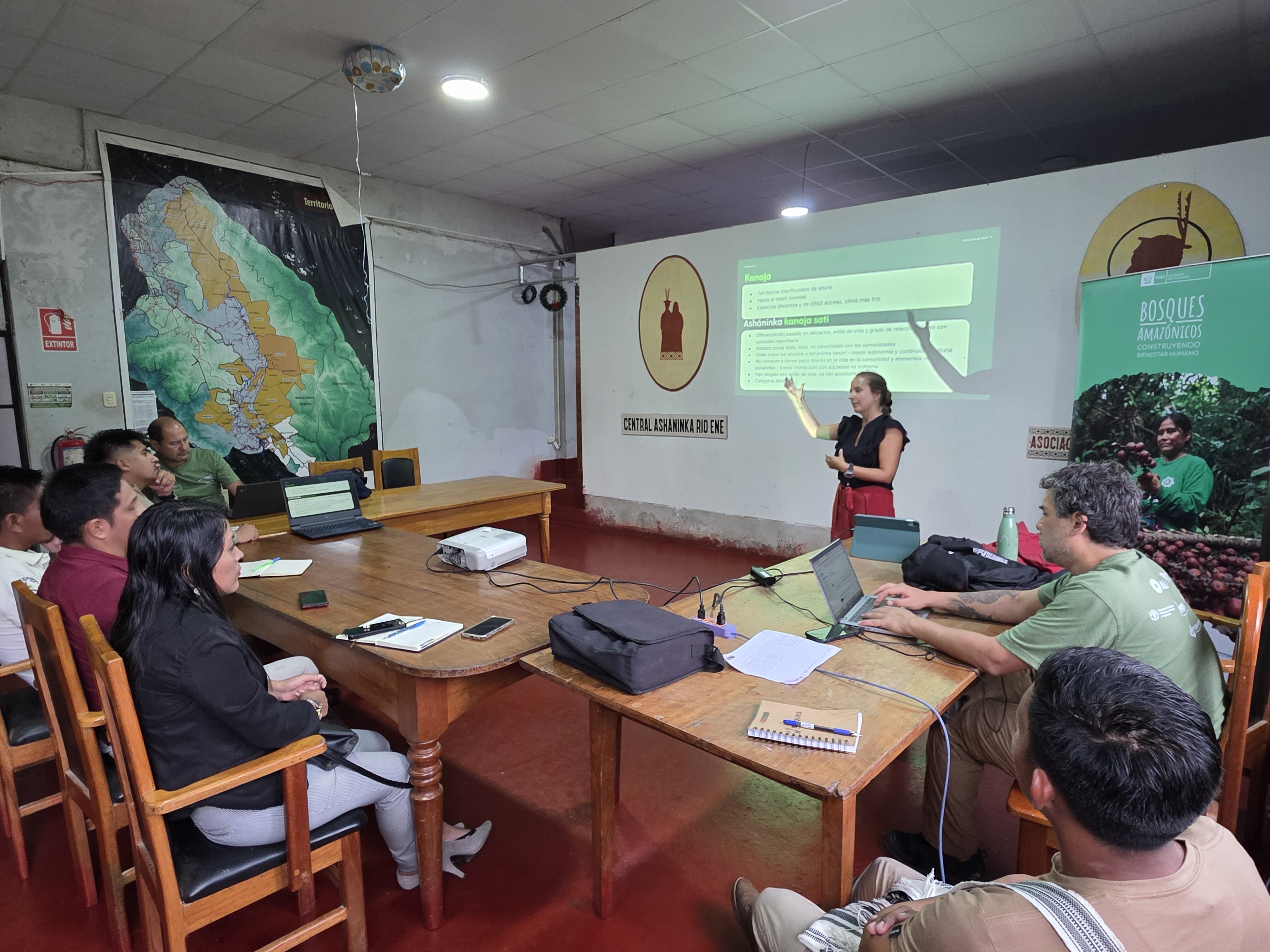
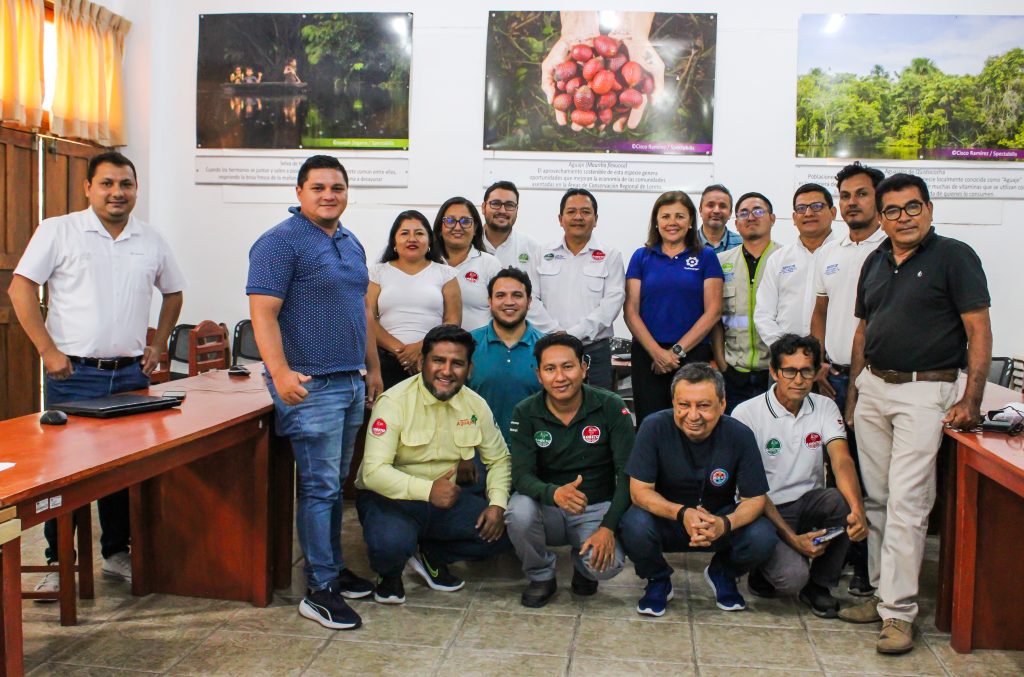
Thus, during the month of October the project has carried out 13 planning meetings, both virtual and in the territory, essential spaces to identify strategies and propose solutions for the work of 2025. These meetings facilitate the planning of a budget of approximately $4.5 million, which will be allocated to achieving the reduction of deforestation in the country's Amazonian forests.
Commitment to partners
As we approach the new year, the DCI Financial Mechanism remains focused on its mission to reduce deforestation and promote sustainable practices. Through planning meetings and management documents, we will achieve the goals of the Global Operational Plan.
Luigi Schettini, focal point for the indigenous organization ANECAP at Profonanpe, comments that “The meetings with the Profonanpe technical team are essential to clarify concerns about the processes. A significant achievement has been the delivery of technical packages with agricultural inputs and tools to implement Agroforestry Systems (AFS).”.
Schettin also adds: “All the effort we make seeks to promote the participation of women, ensuring that their voice and skills are an integral part of our work in the territory”.
For her part, Rocío Escudero, Project Director at CONAP, emphasizes that the meetings are fundamental to understanding more clearly the approaches of the DCI, as well as the needs of the users and donors with whom they work directly.
«"Although we have achieved short-term interventions, This process has strengthened indigenous peoples in forest conservation, allowing us to reach communities that had never before received institutional support. This opens the door for us to develop sustainable activities and complement ongoing interventions.”
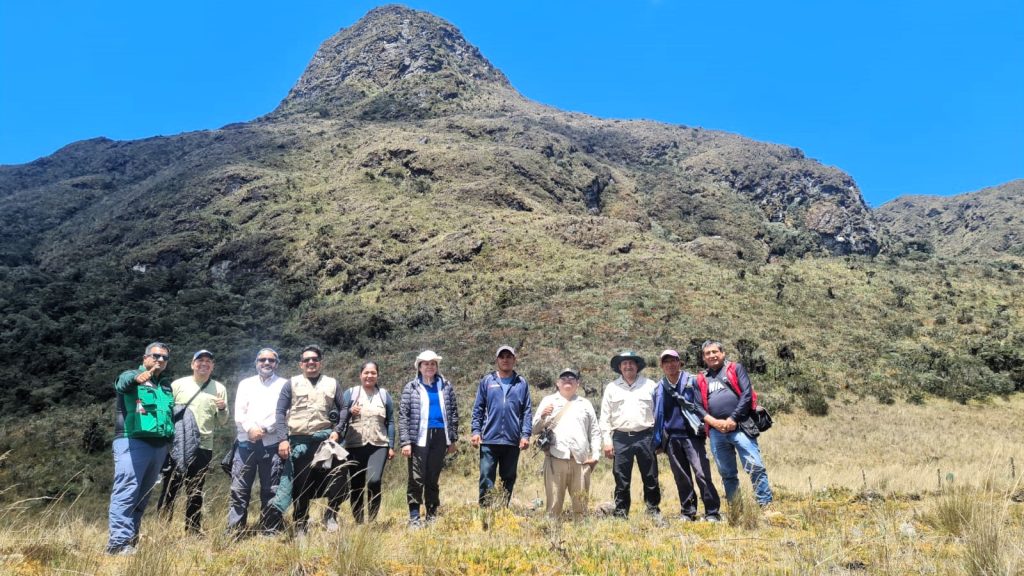
Julio Ravines, Regional Manager of the Regional Environmental Authority in Amazonas, emphasized the need for on-site support: “These field meetings are valuable to us. And although there is still much to be done, With more visits and supervision, we will be able to do our job better.”.
He also noted that, thanks to the financial support provided, key resources such as boats and watercraft have been acquired, in addition to having specialized personnel. “These advances are fundamental to bringing us closer to the necessary technology and improving our management in the region.”, Ravines adds.