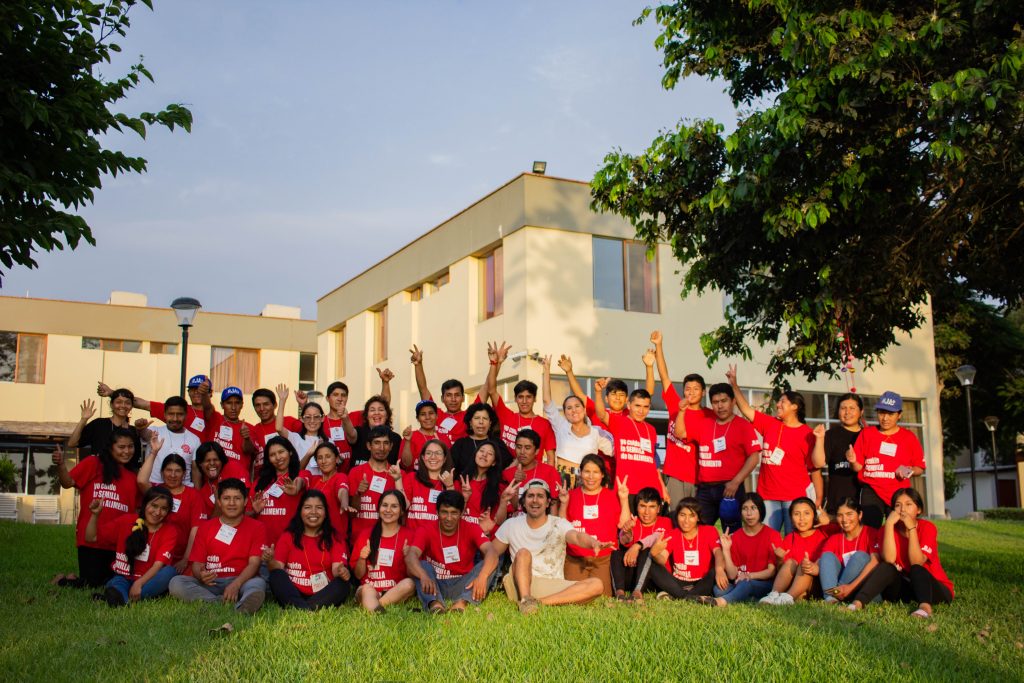
From March 27 to 29, young leaders in agrobiodiversity issues, from different regions of the country, met in the city of Lima to share their knowledge and experiences, as well as to develop a plan that will allow them to continue the Youth Network for Agrobiodiversity, promoted by the GEF Agrobiodiversity SIPAM project.
This network, which began under the name of “Young Farmers Network”, today it is transformed into the “Youth Network for Agrobiodiversity” In response to the serious problem of rural abandonment and loss of agrobiodiversity occurring in the country's various agricultural regions, the network brings together university students, chefs, marketers, entrepreneurs, and other advocates for agrobiodiversity conservation. They seek to promote sustainable development within our food system, with agriculture as its cornerstone.
During the training process, young people with strong communication skills were identified. Despite limited access and connectivity in their regions, they have demonstrated great effort in publicizing the activities they carry out in their communities. These young people received training in communication skills that will allow them to raise awareness of their needs and the actions they are taking to recover agrobiodiversity products.
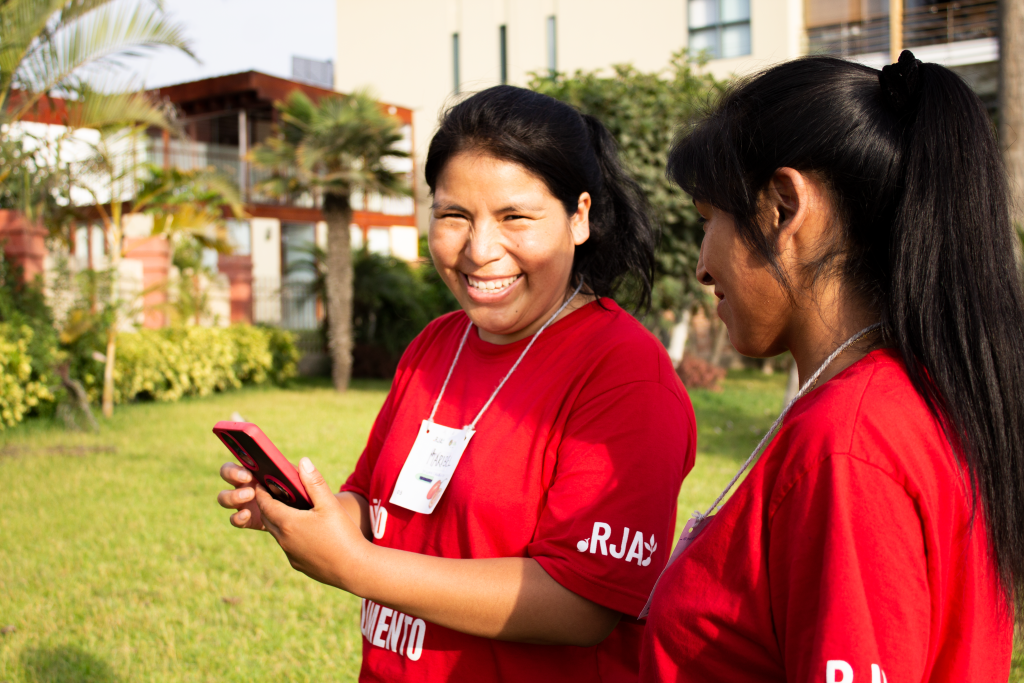
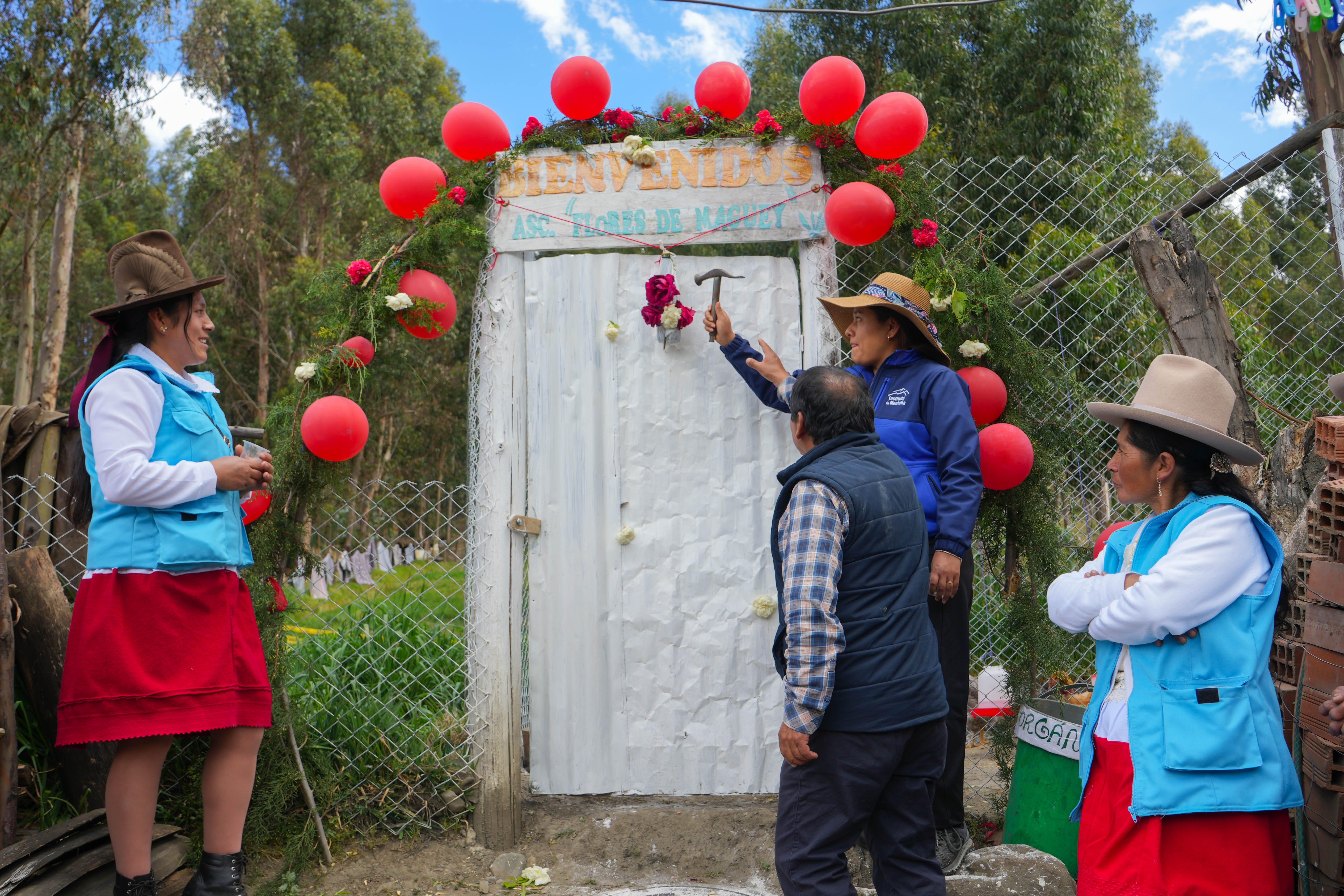
Young people from Huancavelica are part of the Youth Network for Agrobiodiversity.
During the meeting, Yuliana Castro, Communications and Corporate Affairs Manager at Profonanpe, She shared with attendees the organization's experience in disseminating projects through digital channels and traditional media such as print, television, and radio. She also emphasized the importance of involving more young people in telling their own stories and promoting the conservation of agrobiodiversity in all regions of the country.
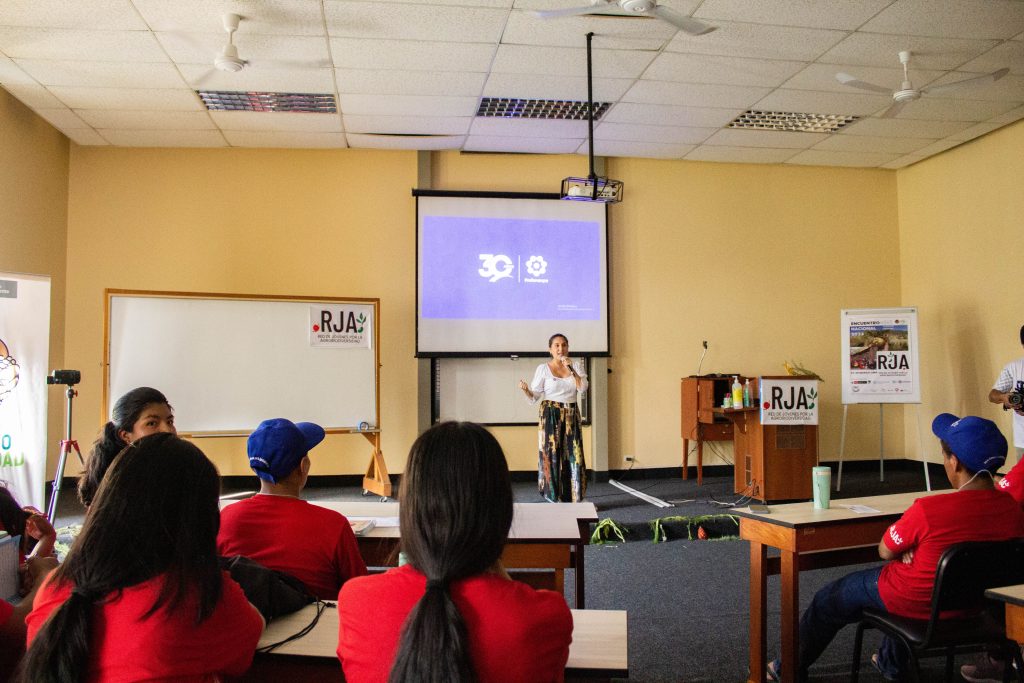
During the youth gathering, various activities focused on strengthening community leadership were carried out. One of these was the creation of a map of stakeholders and key assets in their respective communities, with the aim of identifying the resources and capacities they possess for project development. In addition, leadership training tools were provided, addressing the topic of communication for development, facilitated by the GEF-Agrobiodiversity-GIAMS Project.
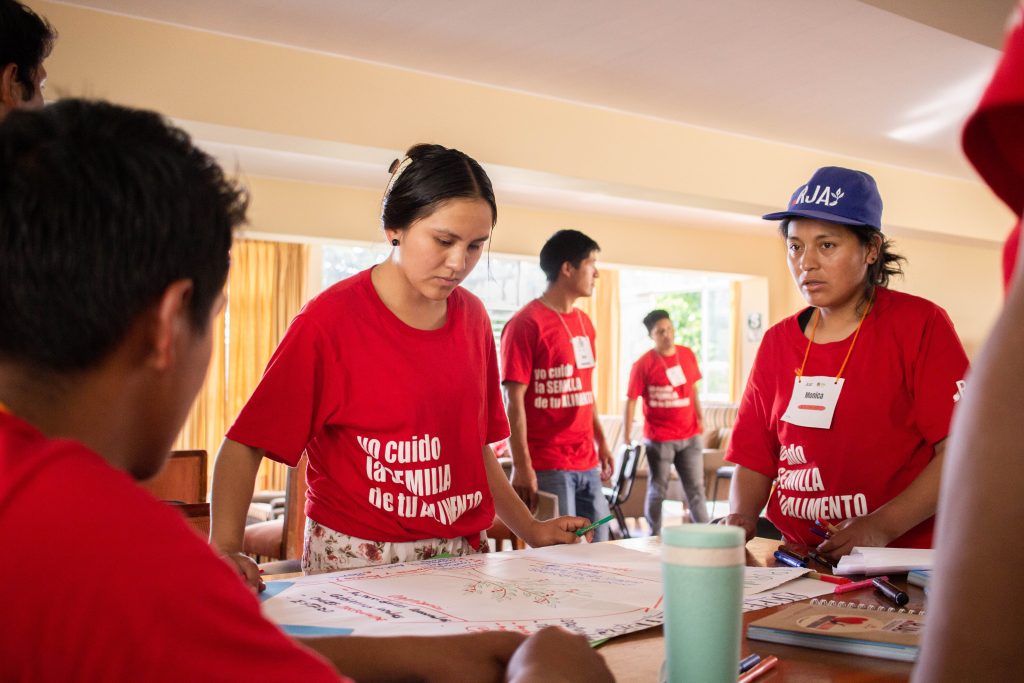
Also present were Guadalupe Benavente, GIAHS Project communicator, who shared his experience and knowledge on the subject. All of this, together, allowed the young people to acquire skills and tools to lead initiatives in their communities and promote sustainable development.
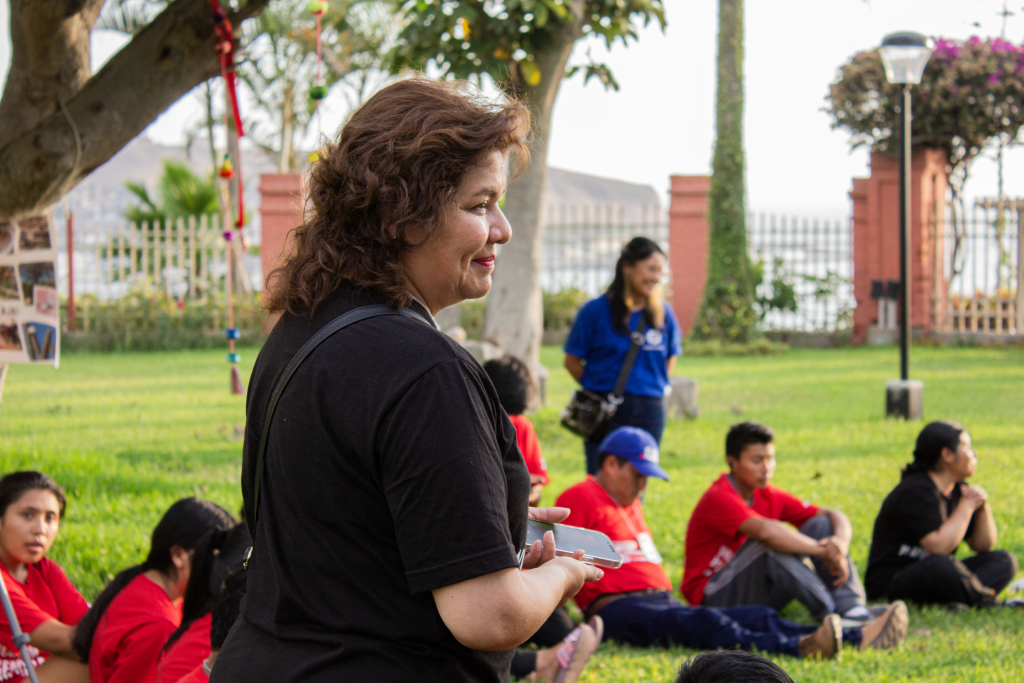
The regional meetings of young farmers have been a replica of the SISAY meetings, organized every two years by the Slow Food Volunteer Network in Peru. These spaces were conceived as a meeting place and exchange of experiences for young people dedicated to agriculture, the conservation of agrobiodiversity and sustainable food from different roles such as farmers, producers, agronomists, trans
About the GEF Agrobiodiversity GIAHS project
The GEF Agrobiodiversity SIPAM project seeks to conserve agrobiodiversity in the localities of Acora (Puno), Huayana (Apurimac), Lares (Cusco), Laria (Huancavelica) and Atiquipa (Arequipa), through traditional farming systems, integrated management of forests, water and land resources; and the maintenance of ecosystem services.
This initiative is financed by the Global Environment Facility (GEF), executed by the Ministry of Environment and the Ministry of Agrarian Development and Irrigation, with the implementation of the Food and Agriculture Organization of the United Nations (FAO) and the administration of Profonanpe.