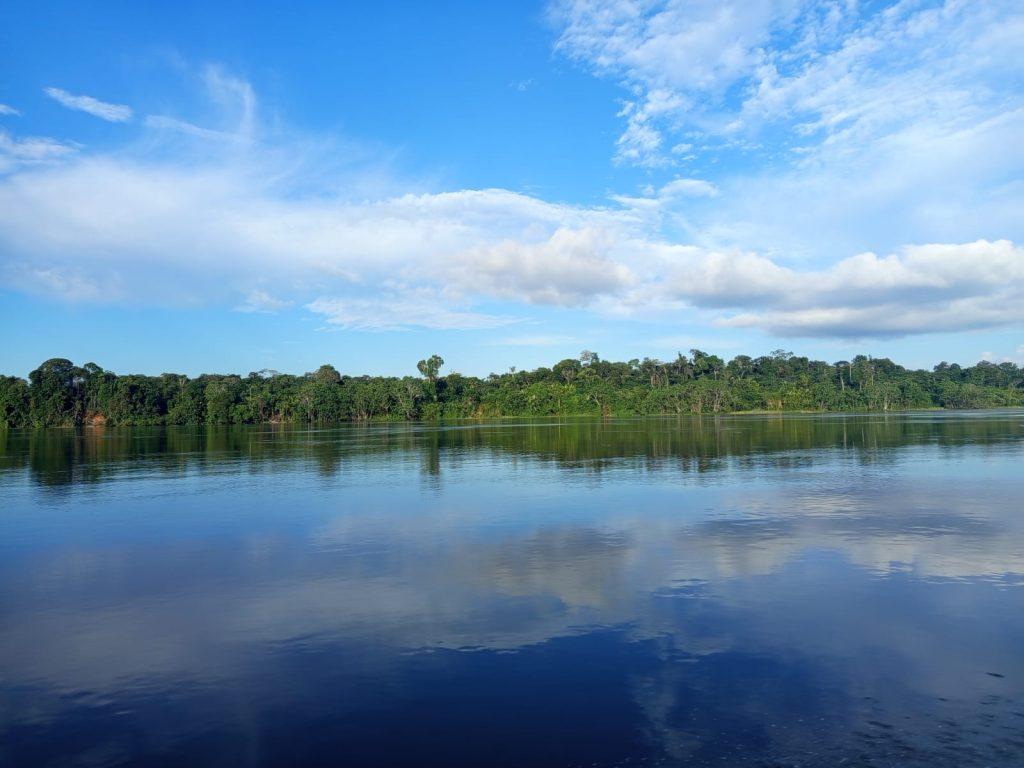

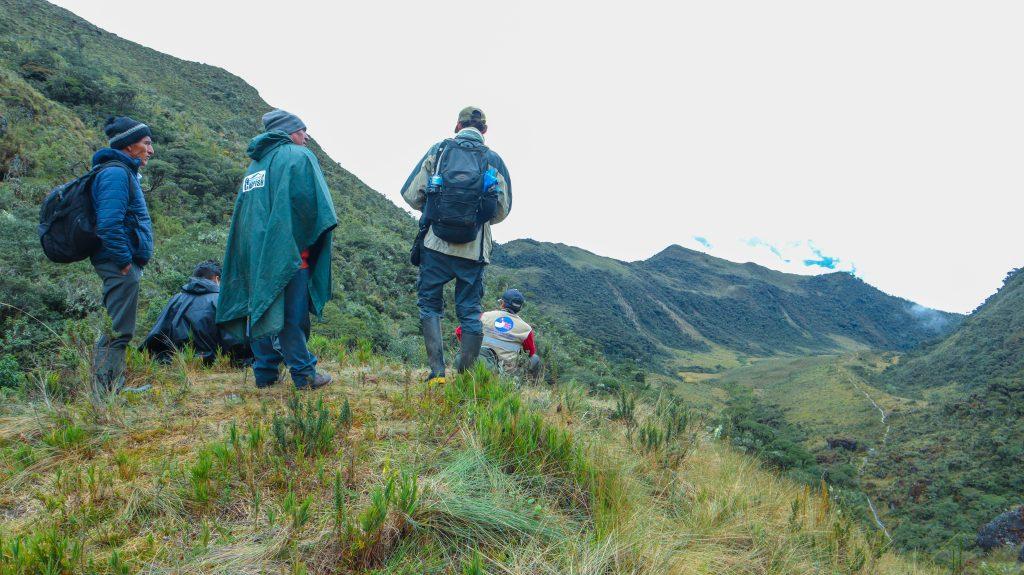
The rural community of Cochabamba continues to make significant progress in the project “Expansion of the Unchog Private Conservation Area,” developed by Islas de Paz Peru, which seeks to protect endemic and threatened birds in the area. During recent field trips, the technical team carried out community outreach, environmental education, governance training, and biological research, strengthening the technical and social basis for the expansion of the protected area.
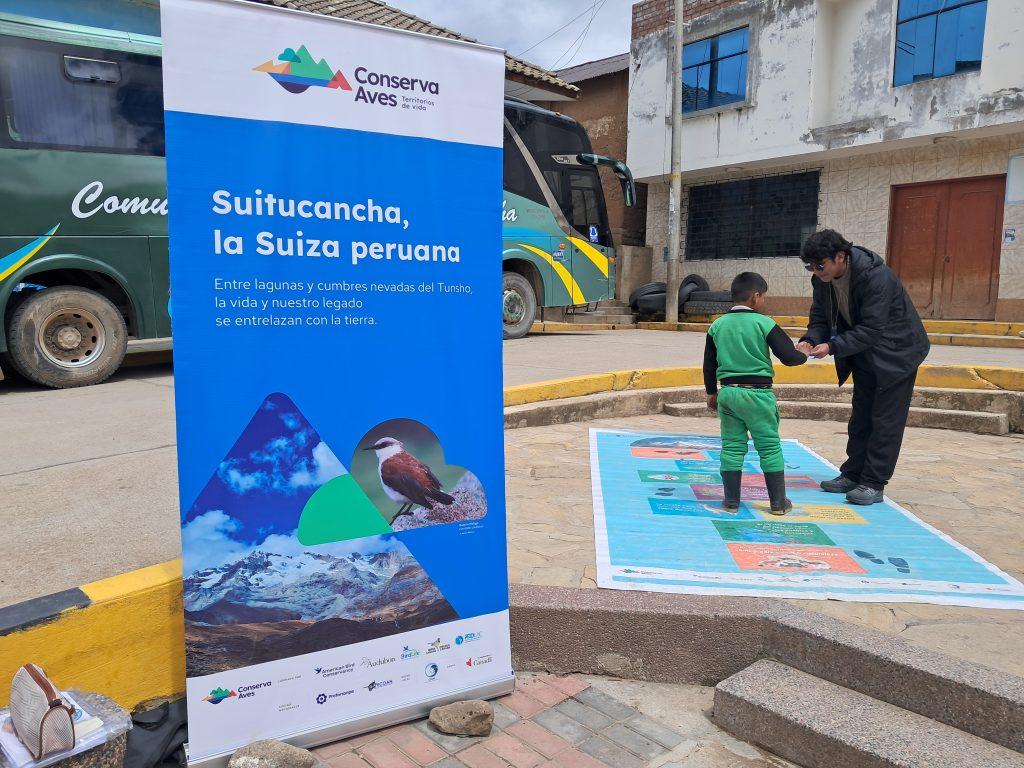
Within this framework, in coordination with the Samuel Cárdich Ampudia Educational Institution, students and teachers participated in a day where they explored the forests of Unchog and learned about conservation and responsible tourism. As a result, it was agreed to carry out replicable teacher training with students and families, strengthening the educational commitment and sense of belonging to the territory.
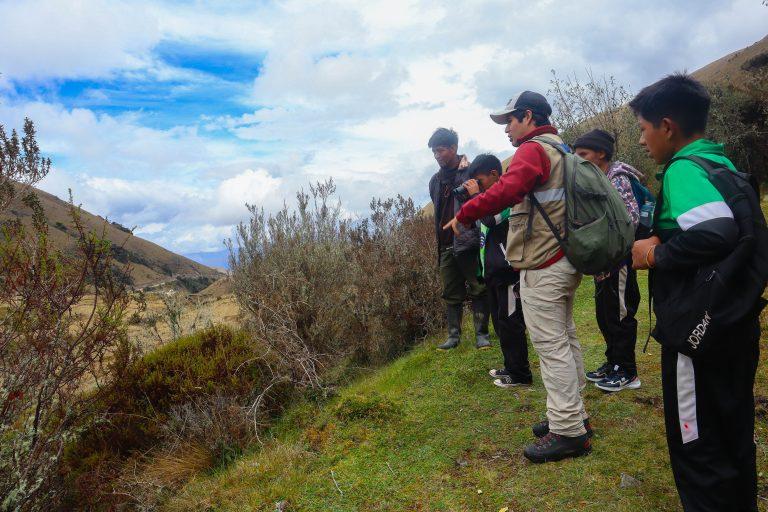 Bird watching with students from IE Samuel Cardich Ampudia. © Islas de Paz Peru.
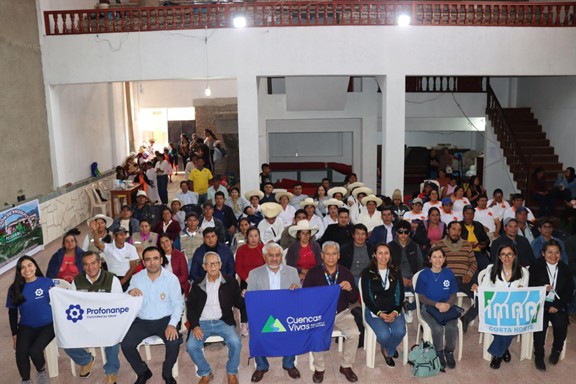
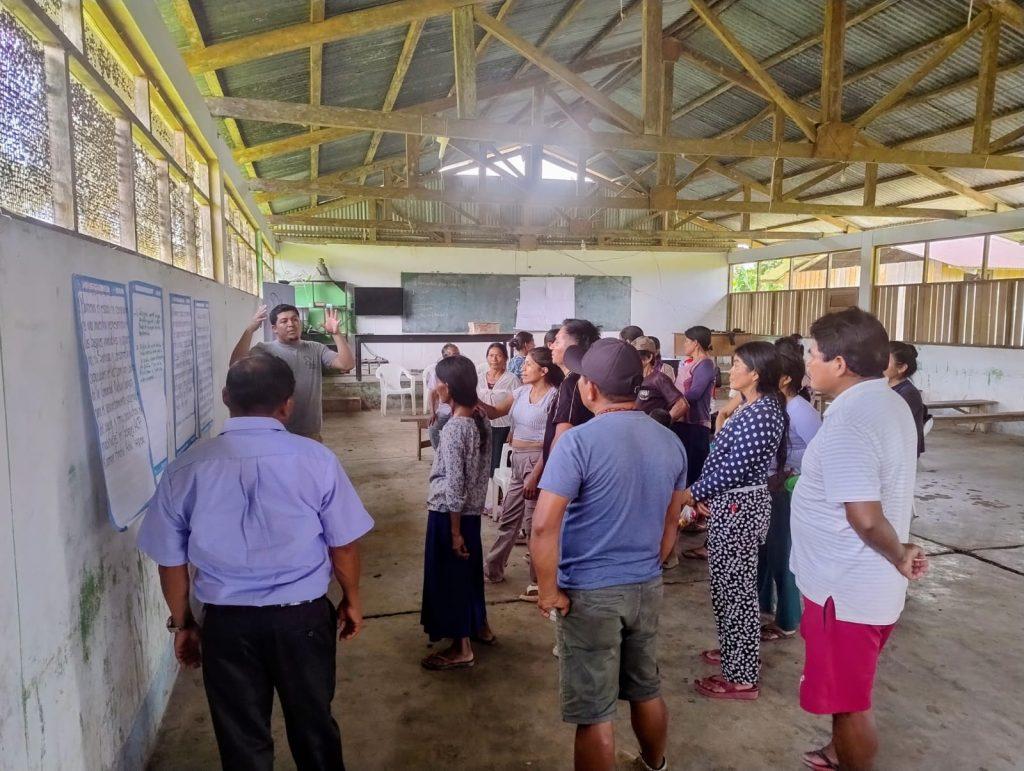
A workshop on “Inclusion and Gender Equality in Community Conservation” was also held, at which concrete agreements were reached to promote greater participation by women and young people in community committees, encourage rotating spokespersons, and foster shared responsibility in the home and community.
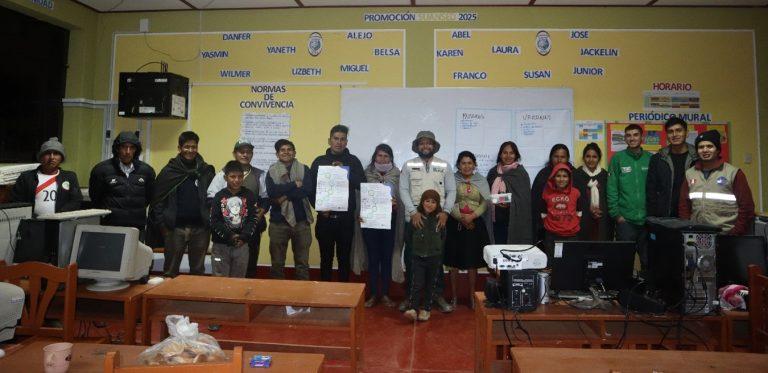
Participants in the workshop on Inclusion and Gender Equality in Community Conservation. © Islas de Paz Peru.
Growing commitment to conserving territories of life
The biological component made significant progress with the collection of information for the bird baseline and the georeferencing of points in the new polygon. During the field trips, emblematic species such as the Chestnut-backed Sunbird (Aglaeactis castelnaudii), the Rufous-browed Hemispingo (Poospiza rufosuperciliaris), and the Yellow-scarfed Tanager (Iridosornis reinhardti) were recorded, as well as native flora such as orchids and carnivorous plants. This data provides essential scientific evidence for the technical file on the expansion of the Unchog Private Conservation Area.
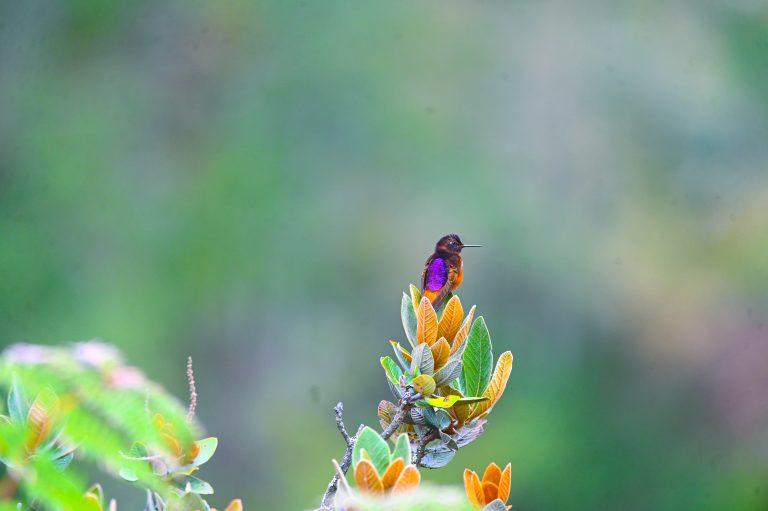
Photograph of a type of bird, the Chestnut-backed Sunbird (Aglaeactis castelnaudii). ©Dorian Medioni
The actions were supported by Carpish Regional Conservation Area, the Cochabamba Tourism Committee, Naturaleza y Cultura Internacional (NCI), and volunteer community members. Trust was strengthened and commitments were made to collaborate on future training sessions, monitoring, and community surveillance.
With these advances, Islas de Paz Peru consolidates its presence in the area and strengthens its joint work with the communities. Thanks to the Conserva Aves Initiative, with the support of the Government of Canada, comprehensive conservation is being promoted that links community participation with ecosystem protection. Future actions will focus on teacher training and formalizing the participation of women and young people in participatory bird monitoring, reinforcing the social and ecological sustainability of the project.