Since the creation of Cutervo National Park in 1961, the first Protected Natural Area (PNA) in the country, the national system of protected areas has grown gradually and sustainably, reaching a total of 76 nationally managed PNAs to date. Alongside the system's growth, threats to biodiversity and pressure on ecosystems have increased. Consequently, the need for funding to ensure effective management of PNAs is ever greater. One of the main challenges has been securing the necessary financial resources for the proper conservation of these protected areas. However, public resources are insufficient, international cooperation is redirecting efforts to other geographic regions, and the current economic and health crisis is causing various stakeholders to shift their focus to other objectives, without considering the close relationship between ecosystem health and human well-being.
In an effort to quantify the amount of resources needed to cover the management costs of protected natural areas (PNAs), the funding deficit—also called the financial gap—of national PNAs has been calculated. This represents the amount of resources not covered by the government or the various stakeholders involved in their management. León (2007) made an initial attempt to estimate the annual financial gap for the entire protected area system at approximately S/ 66 million (US$1,444,000). Meanwhile, the Heritage Initiative of Peru (2021) estimated a financial gap of S/ 46.2 million (US$1,444,000) for the 38 PNAs in the Amazon biome.
With the emergence of the COVID-19 pandemic and the actions implemented by the Peruvian State in order to contain the spread of the virus, This impacted the allocation of public resources and limited revenue-generating activities in protected natural areas (ANP), such as tourism. SERNANP's public budget for 2021 was approximately 83 million soles, representing a 25.1% decrease compared to its 2020 budget. The 2022 budget remained the same as 2021; however, due to the unusual inflation of that year, it was as if there had been a 6.1% decrease in real terms compared to the previous year. The evolution of the public budget can be seen in the following graph, which shows that we are still far from pre-pandemic budget levels.
Evolution of the public budget by funding source 2009-2022
(in Peruvian soles S/)
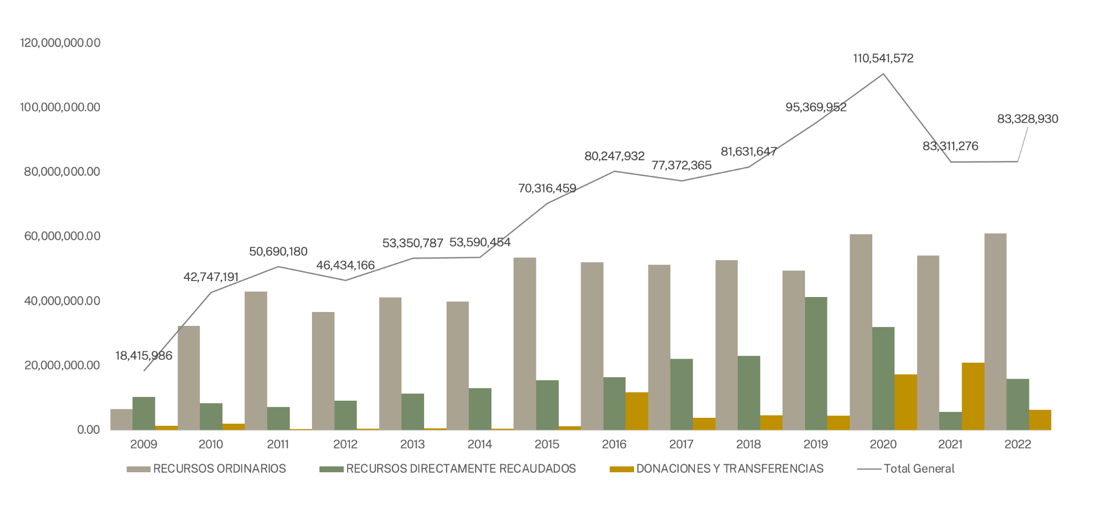
Similarly, social distancing measures, travel restrictions within the country, and the closure of national airspace led to a decline in tourism nationwide, primarily from international visitors. This resulted in lower revenue for many protected natural areas (ANP). These lower revenues were reflected in the 2021 total of S/ 5.6 million, 831,000 soles less than in 2020. While there has been a slight increase in 2022, it still represents less than half of the 2019 figure.
This context compels us to pause and rethink the need to establish a Financial Sustainability strategy for Protected Natural Areas (PNAs), considering that the pandemic has widened the existing financial gap, forcing us to diversify funding sources and promote innovative mechanisms. In this way, we can integrate various approaches, ranging from generating more resources and optimizing spending to reducing and/or sharing management costs over time through the incorporation of strategic alliances.
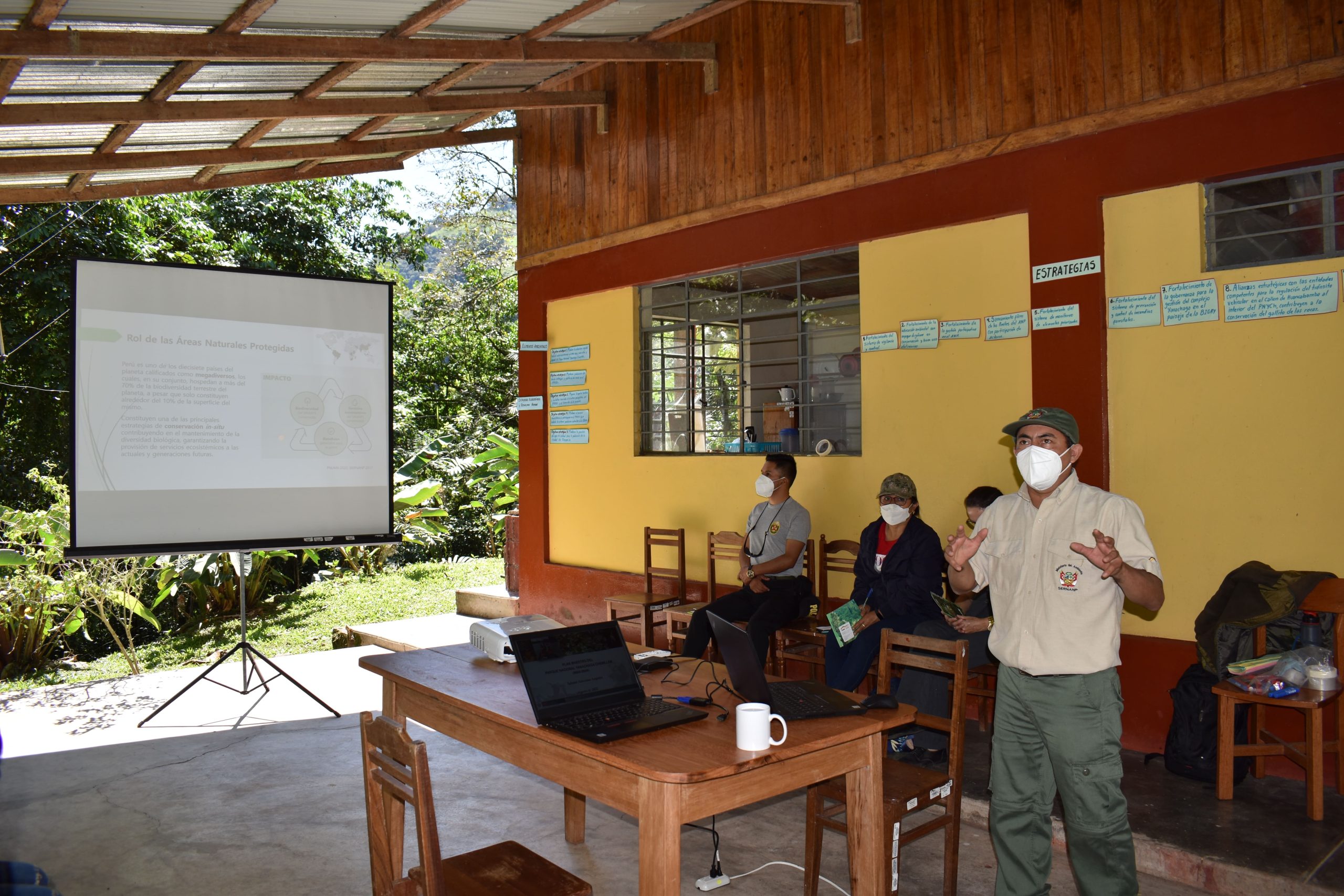
The Heritage Initiative of Peru, primarily through the GEF 6 project "Securing the future of Peru's protected natural areas", has been supporting SERNANP – through the Financial Sustainability Unit – to integrate financial planning into the institution's strategic planning, which are closely linked, hence the importance of this integration, in order to have a comprehensive vision of the conservation of protected natural areas.
Furthermore, new or enhanced financing mechanisms are being promoted to address the financial gap in the medium and long term, as well as to diversify revenue sources and channels. Examples of these mechanisms include the promotion of a water-related ecosystem services payment mechanism (MERESE) in the Allpahuayo Mishana National Reserve; a new Environmental Compensation methodology to allow large-scale investment projects to offset impacts in key areas and conserve protected natural areas (ANP); a proposed law to grant SERNANP (National Service of Natural Protected Areas) the power to enforce the collection of fines and penalties; a proposal to update entrance fees to ANPs; and consideration of redirecting financial resources toward the conservation of watershed headwaters, among others.
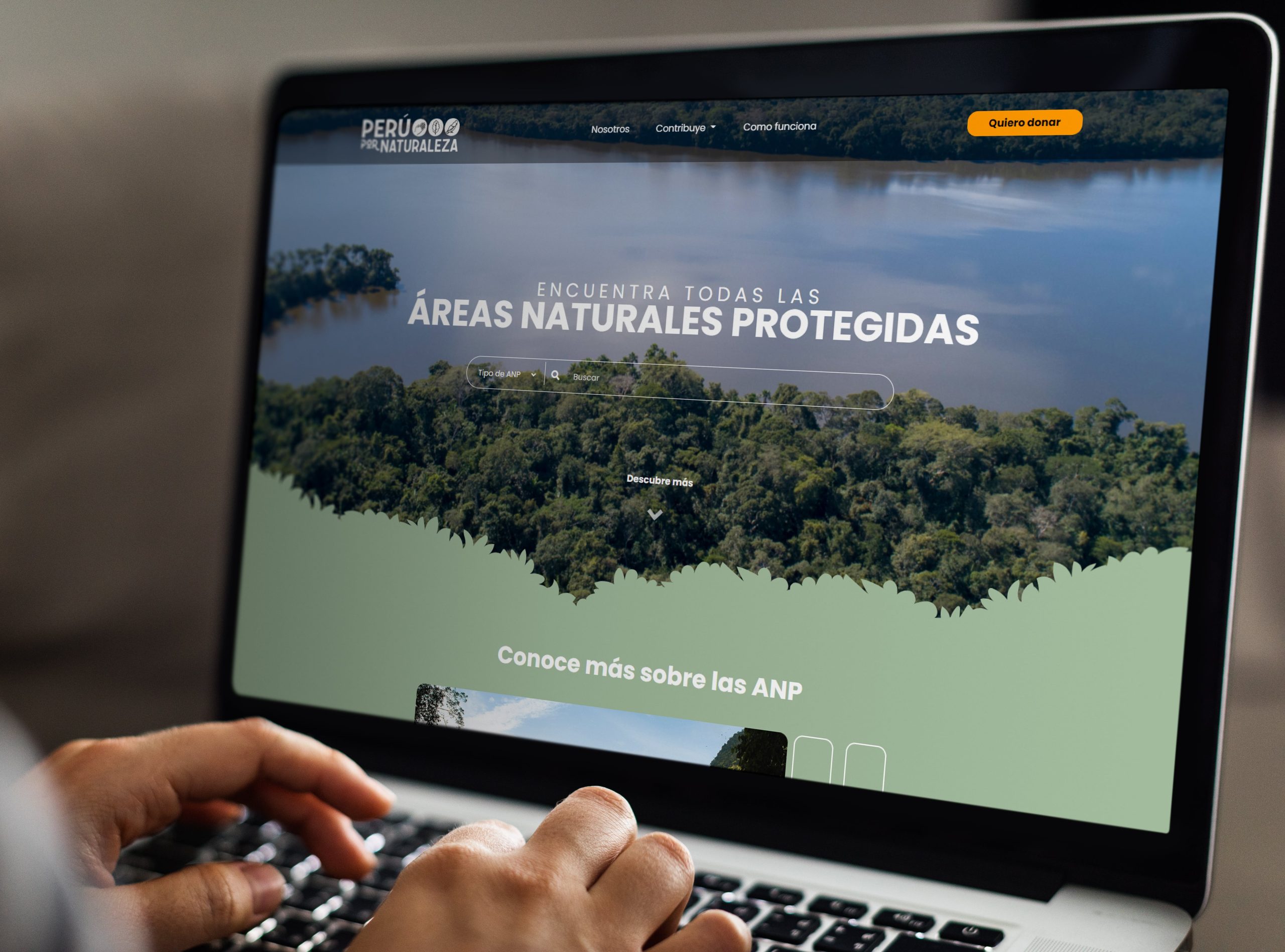
We also believe that the participation of civil society and the business sector is necessary for the conservation of protected natural areas (ANP). Therefore, a donation system is being implemented in four ANPs so that visitors can contribute to the management of these areas through the "Peru for Nature" platform.“. Likewise, through the INNOVA ANP Project, which is financed by the Moore Foundation and the GEF6, and is jointly implemented by Profonanpe and SERNANP, business strategies such as Green Banking are designed to promote financial products that generate additional resources for SINANPE and to involve companies in conservation through their corporate social responsibility and other products designed in conjunction with them.
However, this path, which is just beginning, requires political support beyond SERNANP, where it is key to involve the Ministry of Economy and Finance (MEF), the Ministry of Foreign Trade and Tourism (MINCETUR), and even the Congress of the Republic itself to implement financing mechanisms that generate greater revenue, such as green taxes., Thematic bonds, modifications to the Extraordinary Tax for the Promotion of National Tourism Development and the tax on plastic bags, and other impactful initiatives, so that part of the revenue from these instruments goes to the ANP (National Protected Areas), and contributes to the well-being of millions of people in the country.
This is a medium- to long-term path, but we must begin now. This is the challenge for which the support of all Sernanp employees and officials is of utmost importance, as the leading institution of the PdP initiative for the financial sustainability of the effective management of protected natural areas, along with the contribution of key stakeholders through strategic alliances with other public sectors and the private sector.
Raising awareness of the importance of conserving protected natural areas and ensuring the availability of financial resources over time is everyone's responsibility—from the government and the business sector to NGOs, academia, and citizens. We must shift our perspective to recognize that these areas, in addition to providing food security, health, culture, and other ecosystem services, are above all spaces that should foster the development of local populations, native communities, and the country itself. Dreaming costs nothing! Action is now!
We're counting on you.
Authors:
Martin Astocondor
Economic Specialist for the Natural Heritage Initiative of Peru
mastocondor-pdp@sernanp.gob.pe
Alberto Cuba
Specialist in financial sustainability of the GEF 6 project – Natural Heritage Initiative of Peru
acubagef6-pdp@sernanp.gob.pe