August 2021. – A total of 26 new species of amphibians and reptiles were registered in the Cordillera de Colán National Sanctuary, a protected natural area located in the Amazonas region, reported the National Service of Natural Protected Areas (Sernanp).
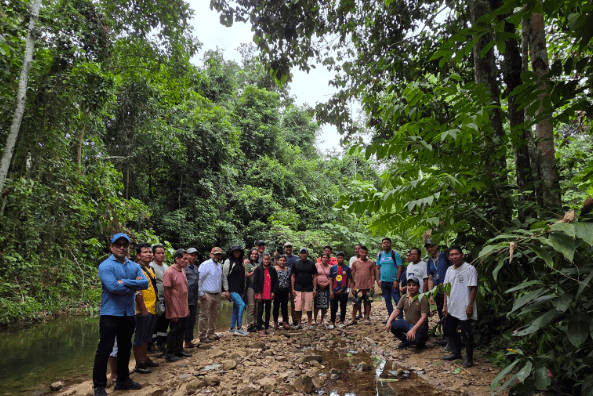
He specified that this important discovery was made as part of the research study developed by the Peruvian herpetologist Pablo Venegas de Corbidi (Center for Ornithology and Biodiversity), with the support of the park ranger and specialist staff of Sernanp, which covered areas both inside and adjacent to the Colán Mountain Range National Sanctuary.
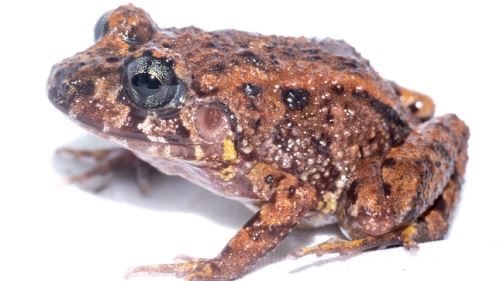
Photo: Pablo Venegas
Sernanp also revealed that, as part of the investigation, Two expeditions were carried out deep into the inhospitable mountains of the Cordillera de Colán, reaching the summit, which had not been thoroughly explored. Each expedition lasted 20 days, and between the two A total of 53 amphibian species and 13 reptile species were recorded., of which 22 amphibians and four reptiles would be new for the Sanctuary.
Of this total, so far, the description of c has been completedfour species: the marsupial frog Gastrotheca gemma sp. nov. (described last April), the mountain toad Rhinella moralesi and the directly developing frogs Lynchius waynehollomonae and Oreobates colanensis, These last two were recently described for science in the Neotropical Biodiversity scientific journal.
Both species were found in the cloud forests located in the area adjacent to the Sanctuary, within the territories of the Copallín Private Conservation Area and the Cerro El Adobe Conservation Concession. Direct development frogs belong to the Brachycephalioidea family, one of the most diverse groups of amphibians on the planet, characterized by not undergoing metamorphosis from tadpole to frog, because they are born fully developed as miniature replicas of an adult frog.
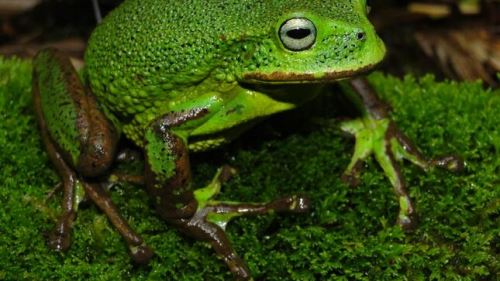
Photo: Pablo Venegas
In the case of Lynchius waynehollomonae, This species has grainy skin and long legs, characteristics that distinguish it from most of its relatives, which have smooth skin, stocky bodies, and short legs. Furthermore, it is the only species that inhabits the Peruvian Yungas ecoregion. While the Oreobates colanensis It has a pattern of colorful spots on the groin and inner surfaces of the legs, and is the only Andean species of the genus Oreobates, which reaches as far north as Peru.
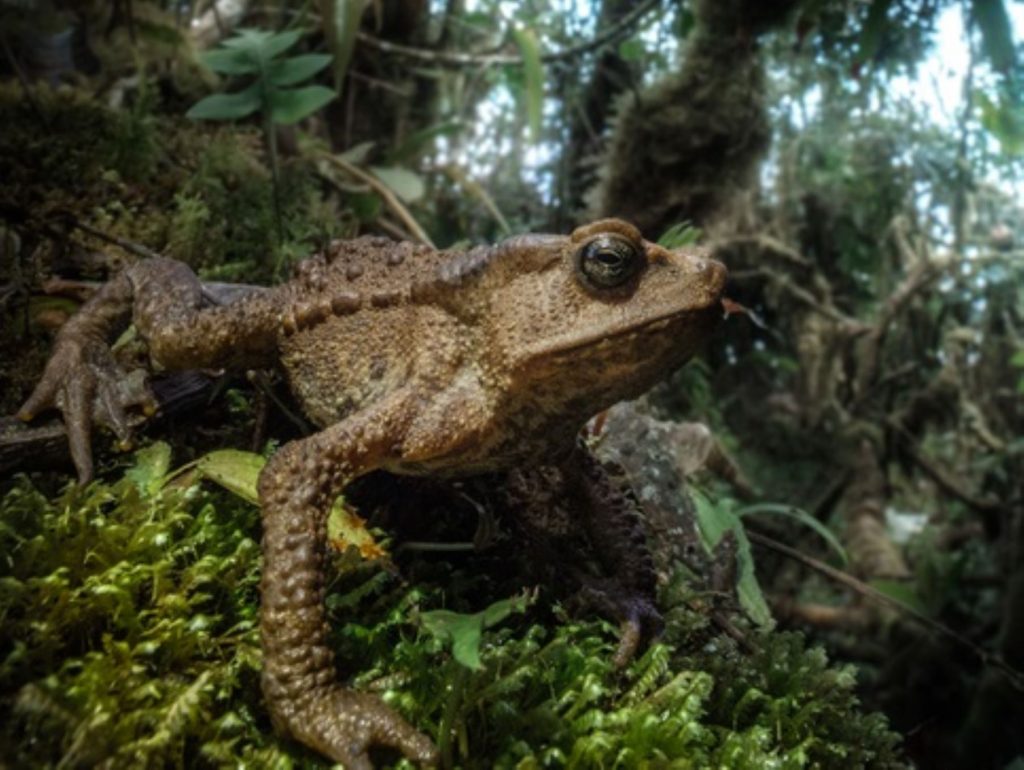
Likewise, the mountain toad Rhinella moralesi It is a medium-sized species with specimens reaching up to 9 centimeters in length. It was first discovered in Río Abiseo National Park in 1999 by herpetologist Lily Rodríguez and then, between 2008 and 2019, by herpetologist Pablo Venegas in six more locations, situated between 1788 and 2305 meters above sea level in the Amazonas and San Martín regions, including the area adjacent to the Cordillera de Colán National Sanctuary.
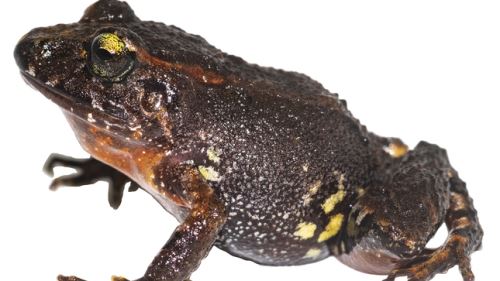
Photo: Pablo Venegas
This study was funded by the Critical Ecosystem Partnership Fund, through Profonanpe, Peru's environmental fund.
Source: ANDINA