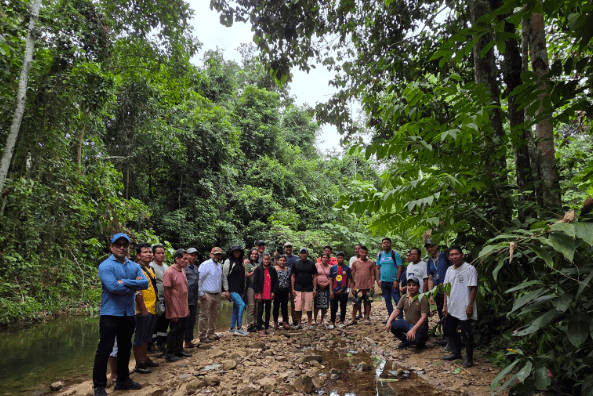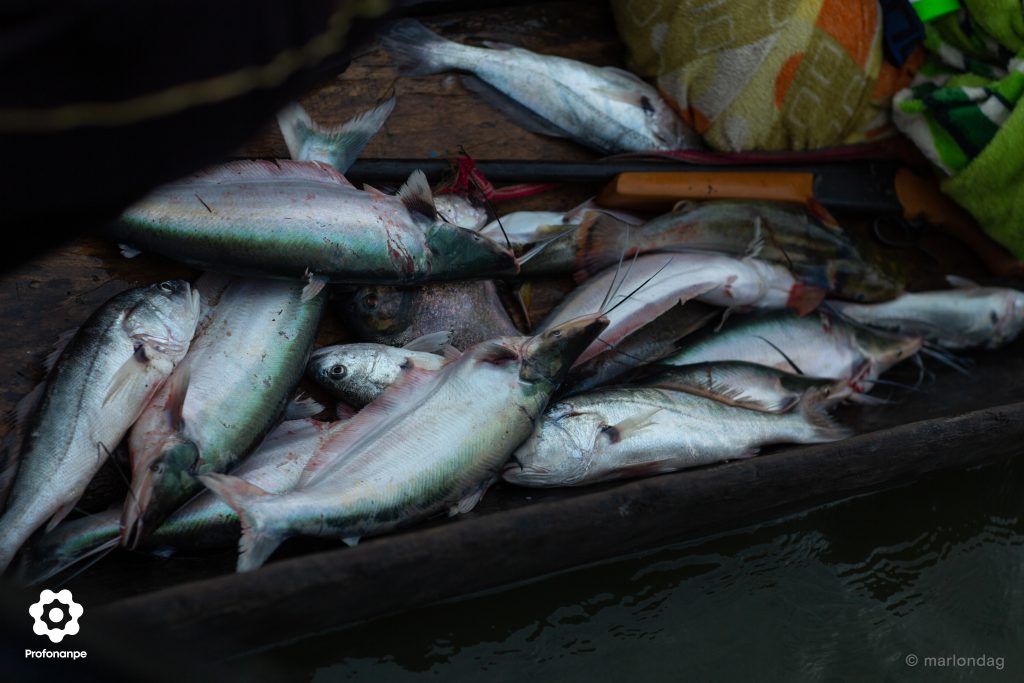
In the communities of Kandozi Musa Karusha and San Fernando, where the Katinbashi and Kachispani artisanal fishing associations have been organized, located in the Datem del Marañón province of Loreto, artisanal fishers continue to strengthen their capacity for the conservation and management of fishery products. Due to various challenges in freezing and transporting fish, they sometimes lost up to 301,000 pounds of their catch to spoilage. Therefore, within the framework of the Datem del Marañón Wetlands Project, a joint initiative of Profonanpe, KOICA, and the Green Climate Fund, an ice plant with insulated containers and a 10-ton vessel were implemented to consolidate the Amazonian fresh fish supply chain. To complement these efforts, a fisheries management program for association leaders was held at the end of May. This was done in partnership with the CITE Productivo Maynas, which is part of the Technological Fisheries Institute and the Ministry of Production, and with the National University of the Peruvian Amazon.
The workshop delved into the benefits of fish, nutritional information, food safety, and good manufacturing practices. Emphasis was also placed on key points to prevent fish quality from being compromised by delays in processing and transportation. Finally, a training program on good fishing practices and the use of ice for refrigerating fresh Amazonian fish was conducted.
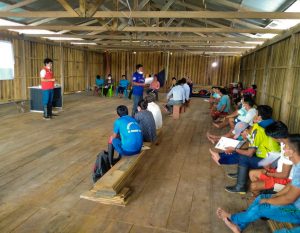
The response from the communities has been overwhelmingly positive, with around fifty artisanal fishers of varying ages participating. They have received these workshops with great interest and have demonstrated a strong commitment to improving their fishing practices and strengthening production chains. This will allow them to become more competitive in the long term and achieve positive results, ensuring the sustainability of their operations. They understand that, as a natural resource, its conservation, along with that of all aquatic resources, must be protected.
This training program will continue in the medium term. Further process improvements for sustainability remain a priority, especially considering that the Kandozi indigenous fish production in Pastaza largely supplies the fish consumed in Yurimaguas and Tarapoto. Workshops are also planned to develop the role of women in the production chain, specifically in the preservation of dried and salted fish. Capacity building and knowledge management are among the pillars promoted by Profonanpe, the Environmental Fund of Peru.