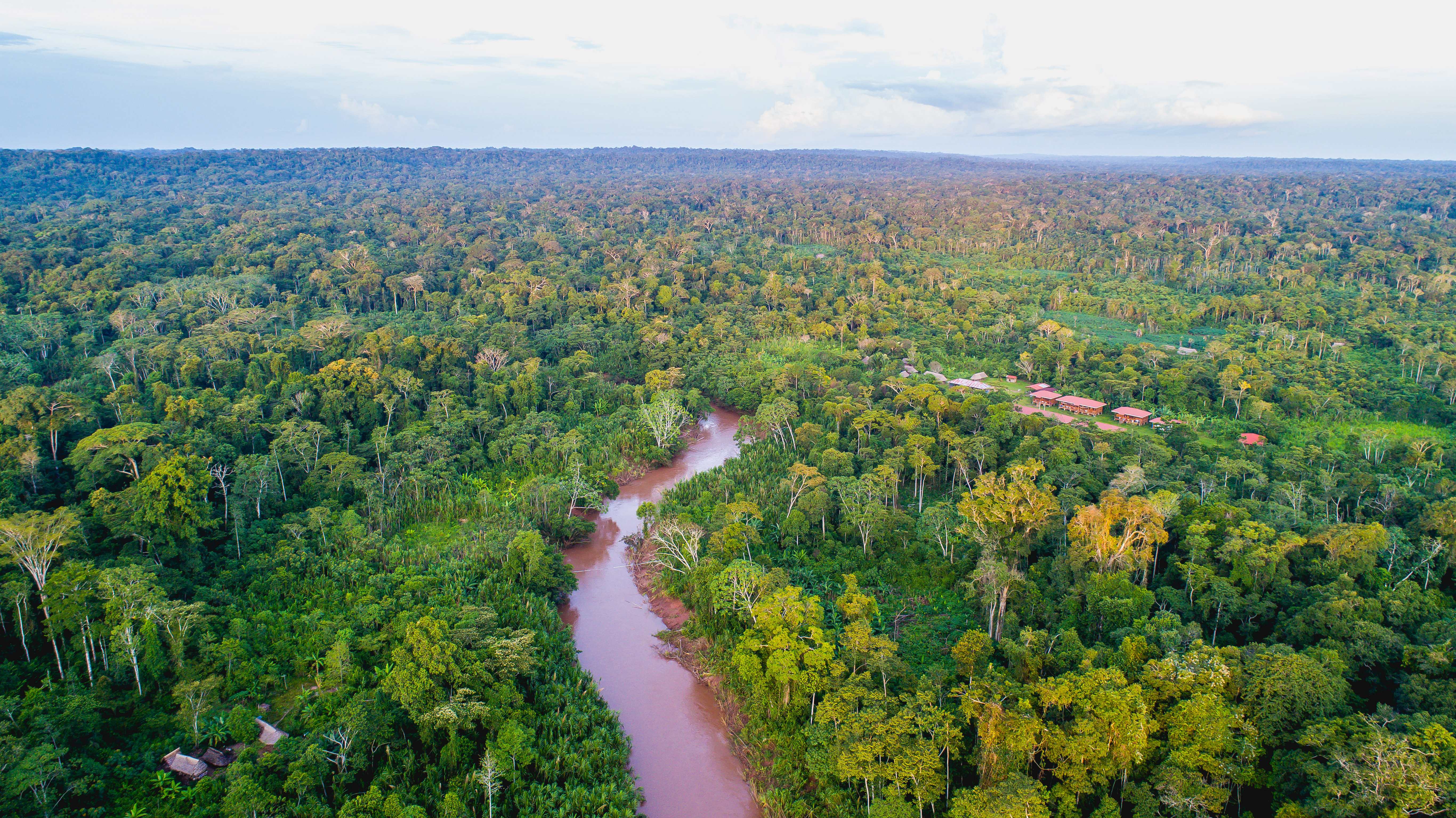
After several months of coordinated and sustained work in the Datem del Marañón Province, new perspectives are beginning to emerge, inspiring confidence and motivating communities and organizations committed to the sustainability of life to continue along the conservation path they began some time ago. On February 15th, the Provincial Municipality of Datem del Marañón issued Municipal Ordinance No. 004-2021-A-MPDM, declaring the Territorial Zoning and Land Use Planning of the province a matter of necessity and interest. This management document aims for the comprehensive planning and management of the territory, which will allow for the future sustainable development of indigenous communities and the entire population living in this province.
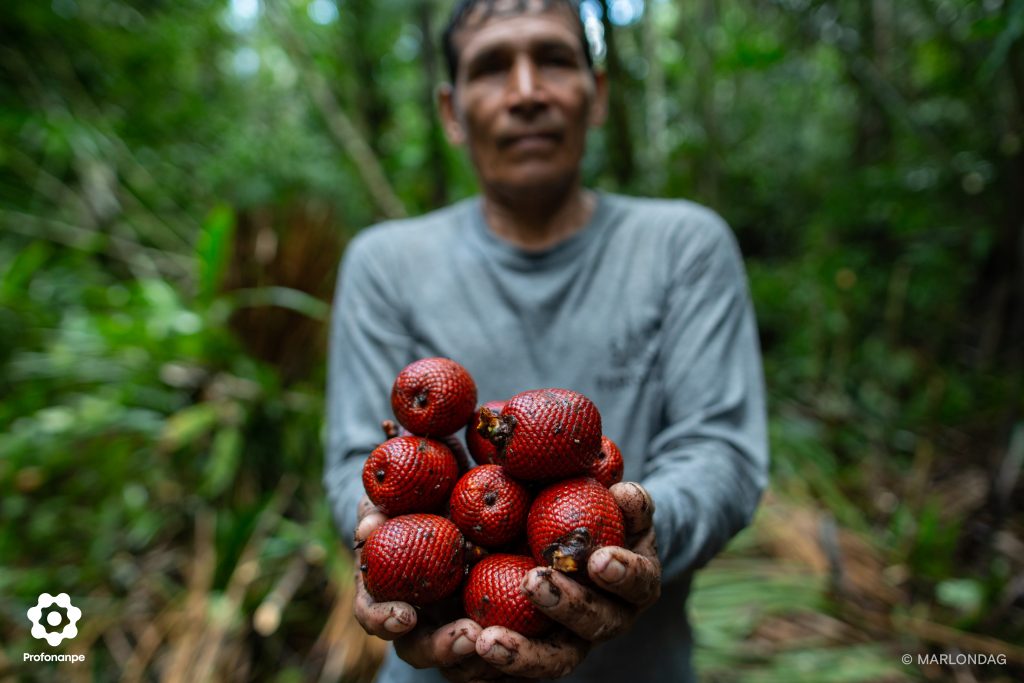
The benefits for the communities are countless, as the zoning document specifies the alternative uses and management of natural resources, such as the aguaje palm. With this document, we are just a few steps away from the regional ordinance for aguaje management being declared of public interest. Therefore, Profonanpe is working in close collaboration with the Forestry and Wildlife Management Office (GERFOR) to develop a Regional Ordinance that guarantees the sustainable use of the fruit of Mauritia flexuosa (“aguaje”) as an emblematic resource of the Loreto region. This would prevent communities from continuing to pay high taxes for harvesting the resource, which would be a significant incentive for them, as they invest considerably in production and logistics processes, resulting in a small profit margin. For their part, the communities commit to fulfilling their environmental obligations by no longer cutting down the aguaje palm—but rather climbing it—to ensure the sustainable use of their resources.
The Territorial Zoning process is being promoted in a coordinated manner by public, private, and academic institutions, civil society organizations, and Indigenous communities, along with the Provincial Municipality of Datem del Marañón, which is also committed to leading the Local Technical Commission, as stipulated in the Municipal Ordinance. It is expected that the methodological guide will be presented on May 4th and 5th, at which time it will be finally approved and can begin to be implemented. The guide ensures the formalization and guarantee of the sustainable use of territories and their resources in a strategic and orderly manner, as well as a reduction in processes that complicate production. One of the major challenges now being addressed is the continued development and implementation of instruments, based on the worldview of Indigenous communities, for the sustainable management of resources.
Profonanpe, through the Datem Wetlands Project team, has played a key role in the development of the Territorial Zoning and is focusing its efforts on ensuring that government agencies approve and endorse the methodological guide. After being debated at the municipal level, it will be submitted to the regional government and then to the national government for approval by the Ministry of the Environment, the Ministry of Culture, and the Presidency of the Council of Ministers. The participation of Indigenous communities, largely through the Regional Coordinator of Indigenous Peoples (CORPI), has been essential in strengthening their role in the mechanisms for promoting, consulting, and citizen participation, as well as in the processes of dissemination and technical training.
Much work remains to be done to strengthen bio-businesses and the sustainable growth of indigenous communities that safeguard ecosystems, so the final approval of this regional ordinance is viewed with optimism, as it will benefit all Peruvians through Territorial Zoning.