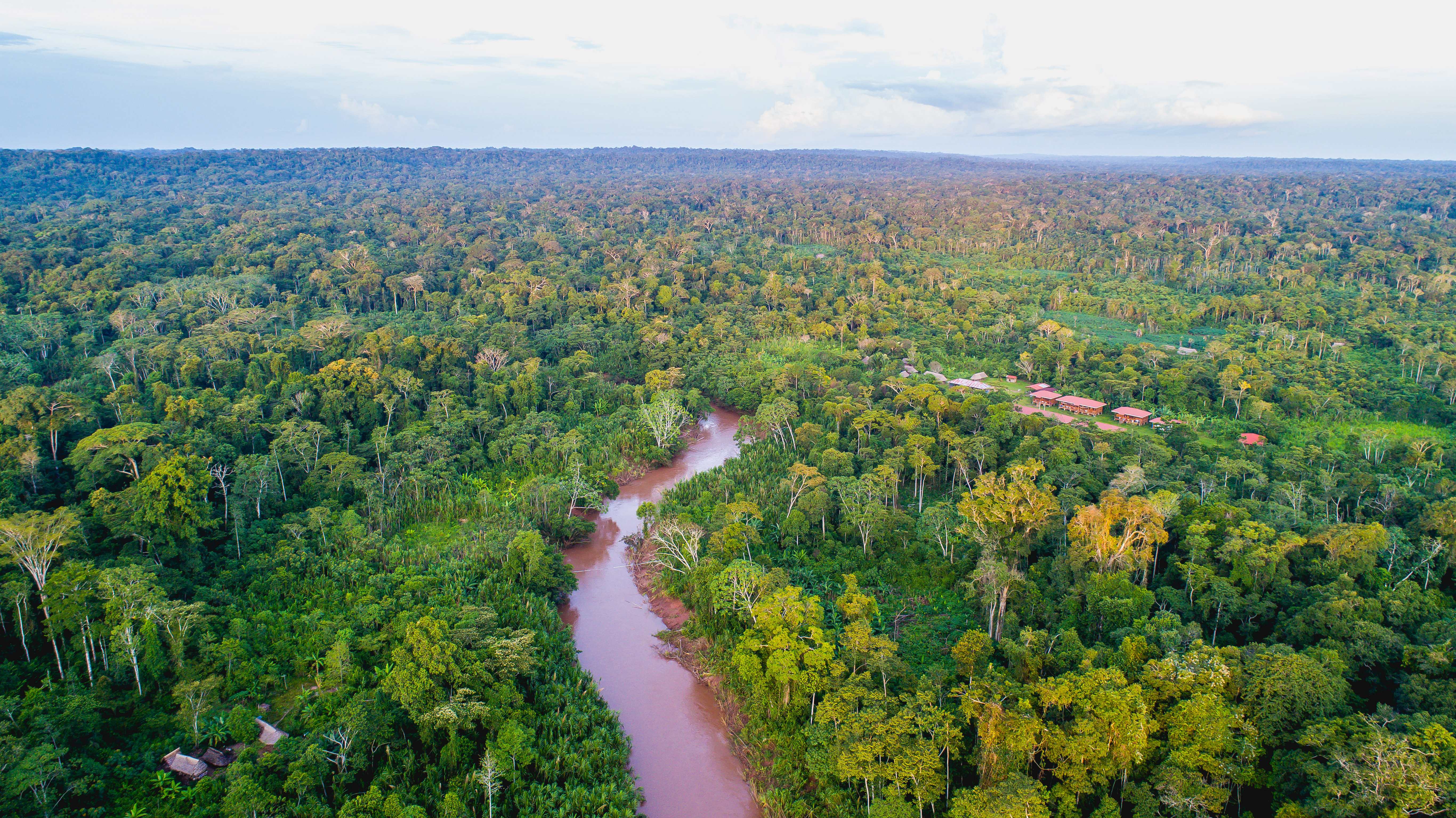
In the early 1990s, the discussion on the climate crisis gained momentum internationally, and, as part of the process, developing countries were advised to strengthen their environmental assets through debt swaps. In this context, in Peru, NGOs and members of civil society recommended the creation of an environmental fund to address the global need to mitigate the impacts of climate change by protecting natural areas.
Profonanpe was created by law on December 29, 1992, with the objective of being the financial mechanism to leverage public, private, or international cooperation resources for the benefit of Peru's protected natural areas. Over time, this need has evolved, and it has become a natural ally for various entities in collaborating on the implementation of the environmental agenda.
Their purpose is to promote the sustainability of life by connecting humanity with the environment, and they embody this in each of their actions, since Profonanpe's intervention covers 304 communities of indigenous and native peoples distributed in 12 departments of Peru, involving 21 of the 55 indigenous and native peoples existing in the country.
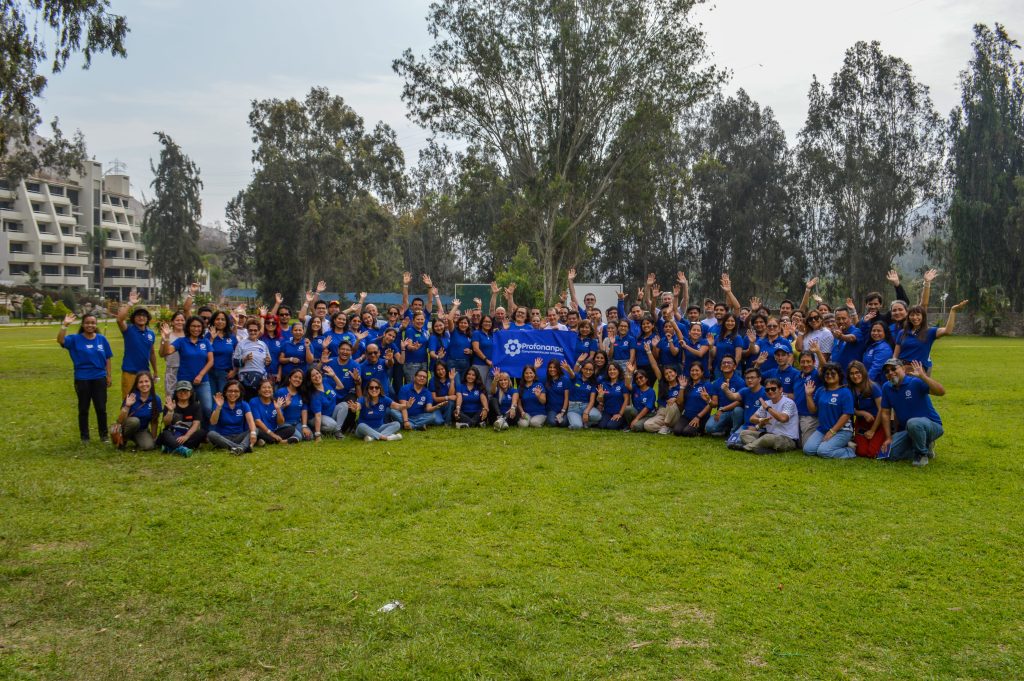
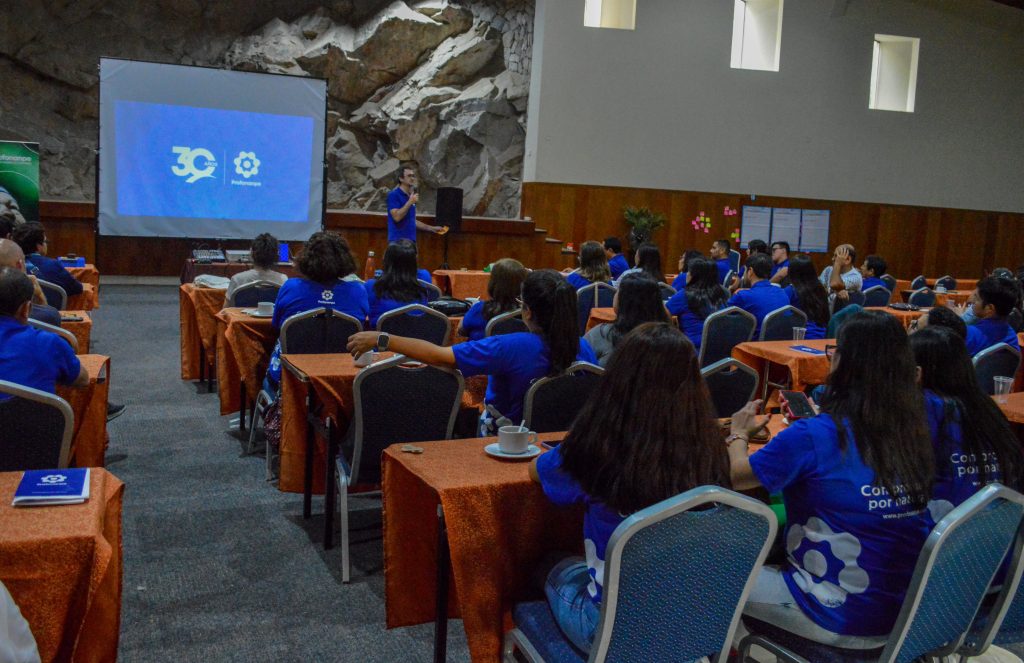
As part of their institutional activities, staff from across Peru gathered to exchange experiences and evaluate the institution's performance over its 30 years of existence. During this meeting, opportunities for improvement were identified and goals were set for 2024.
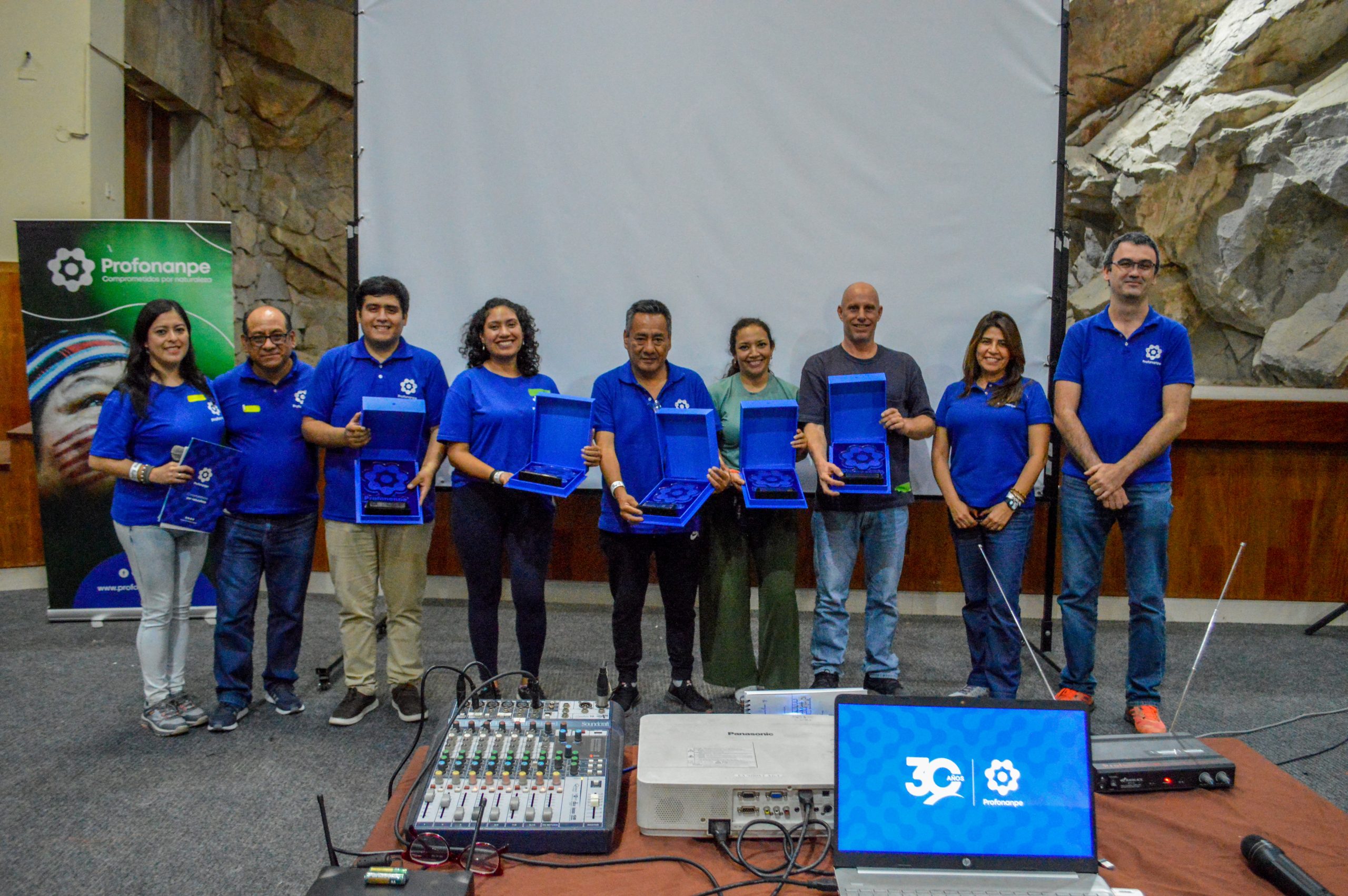
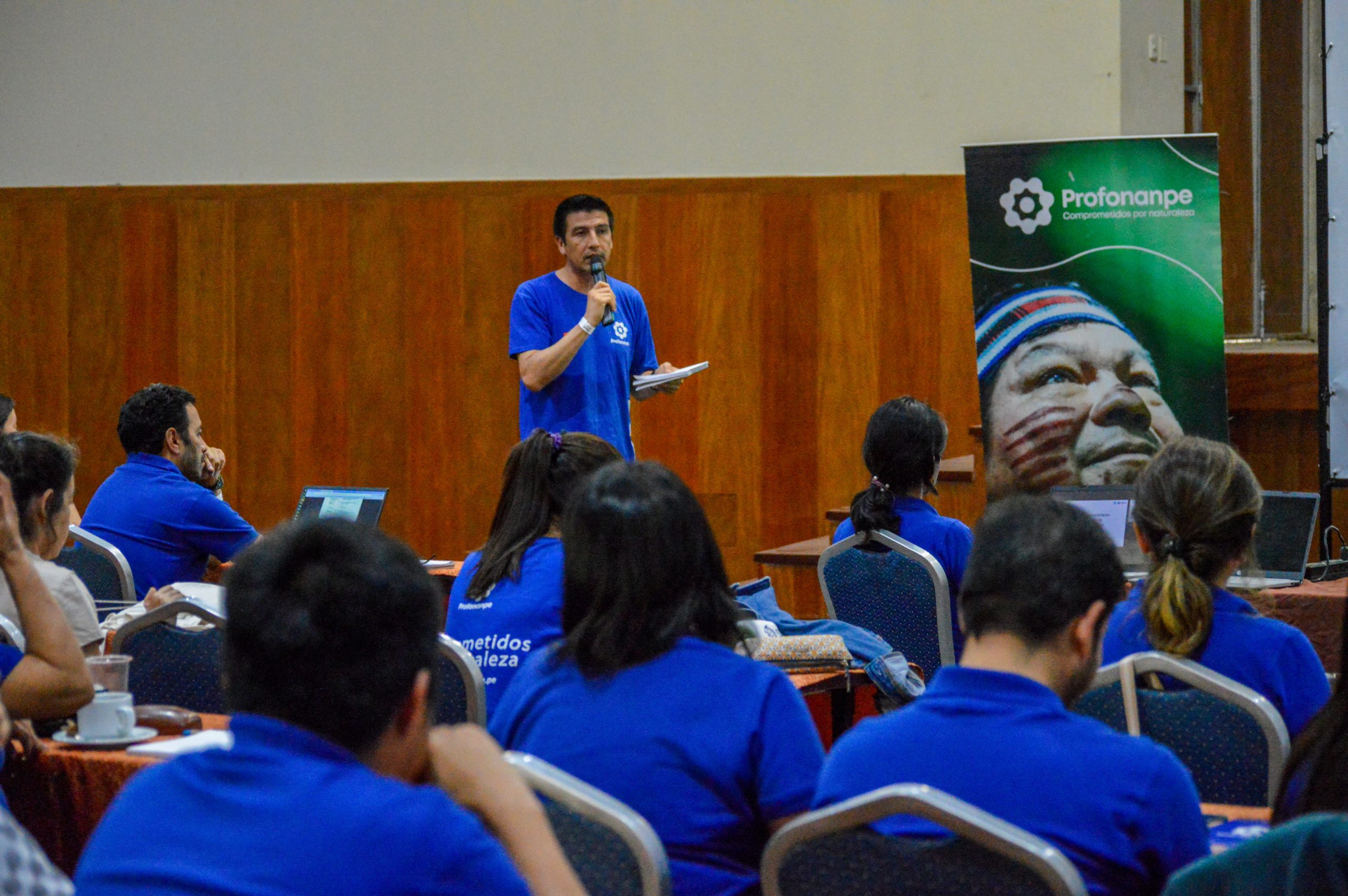
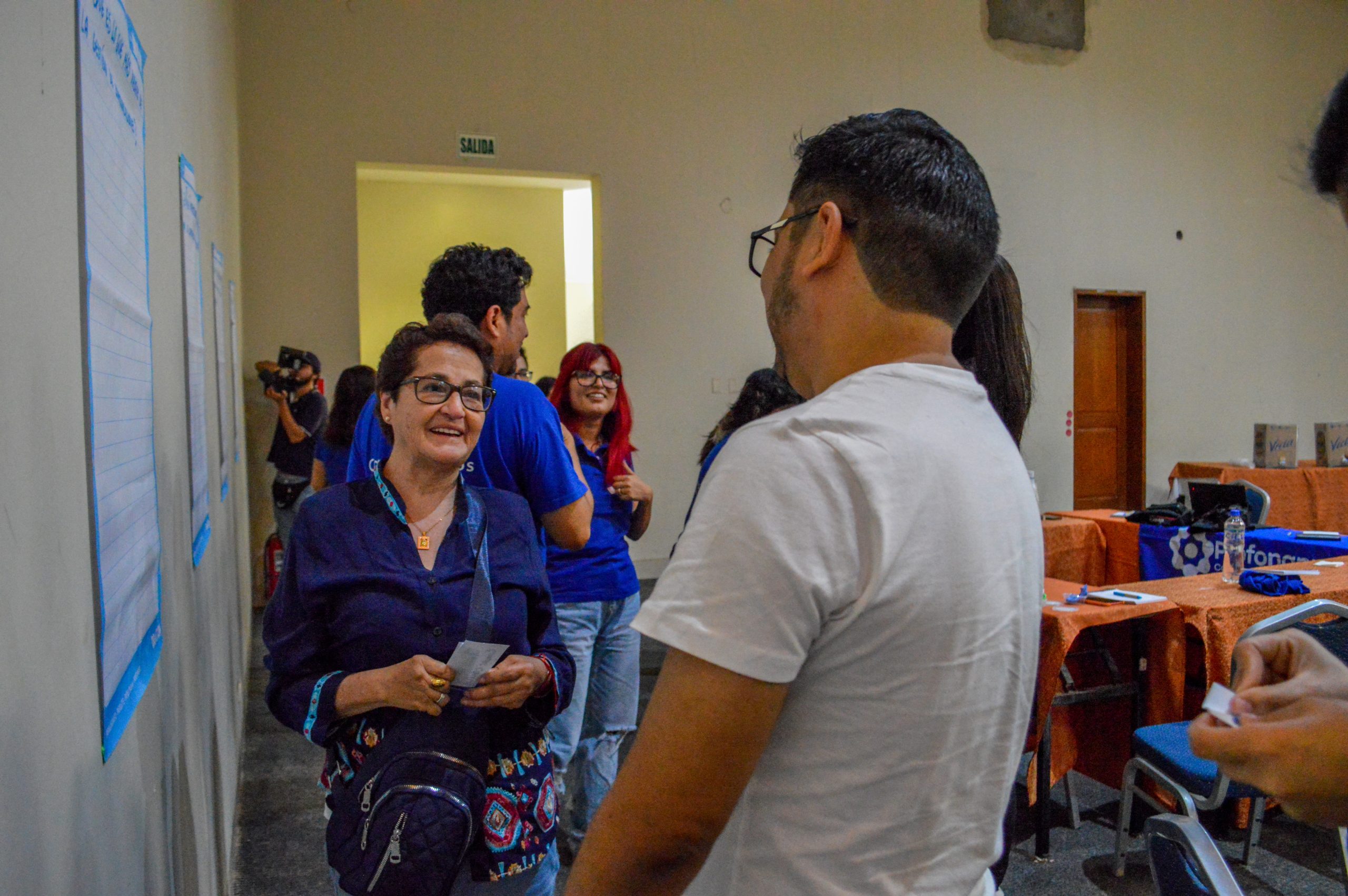
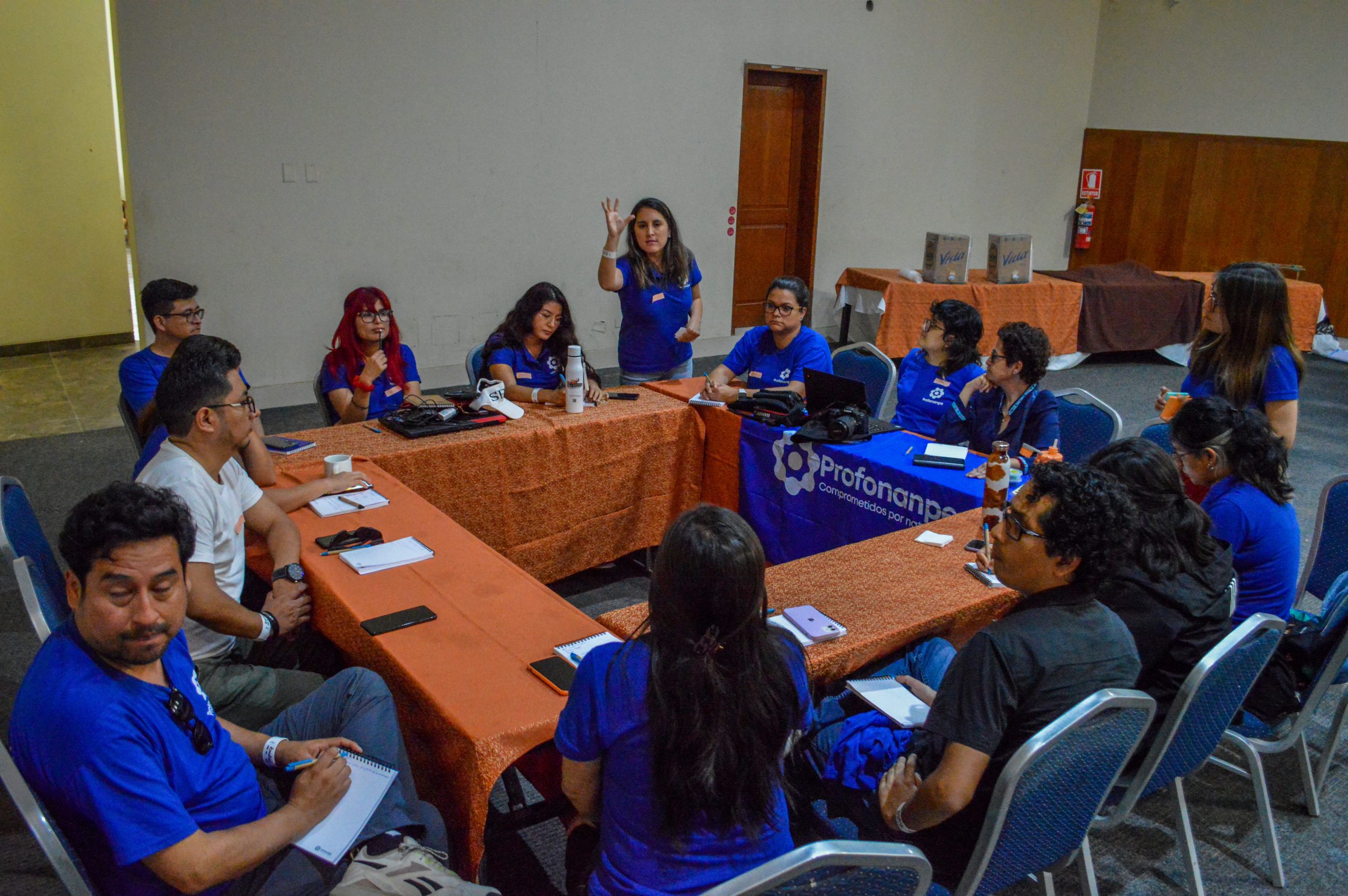
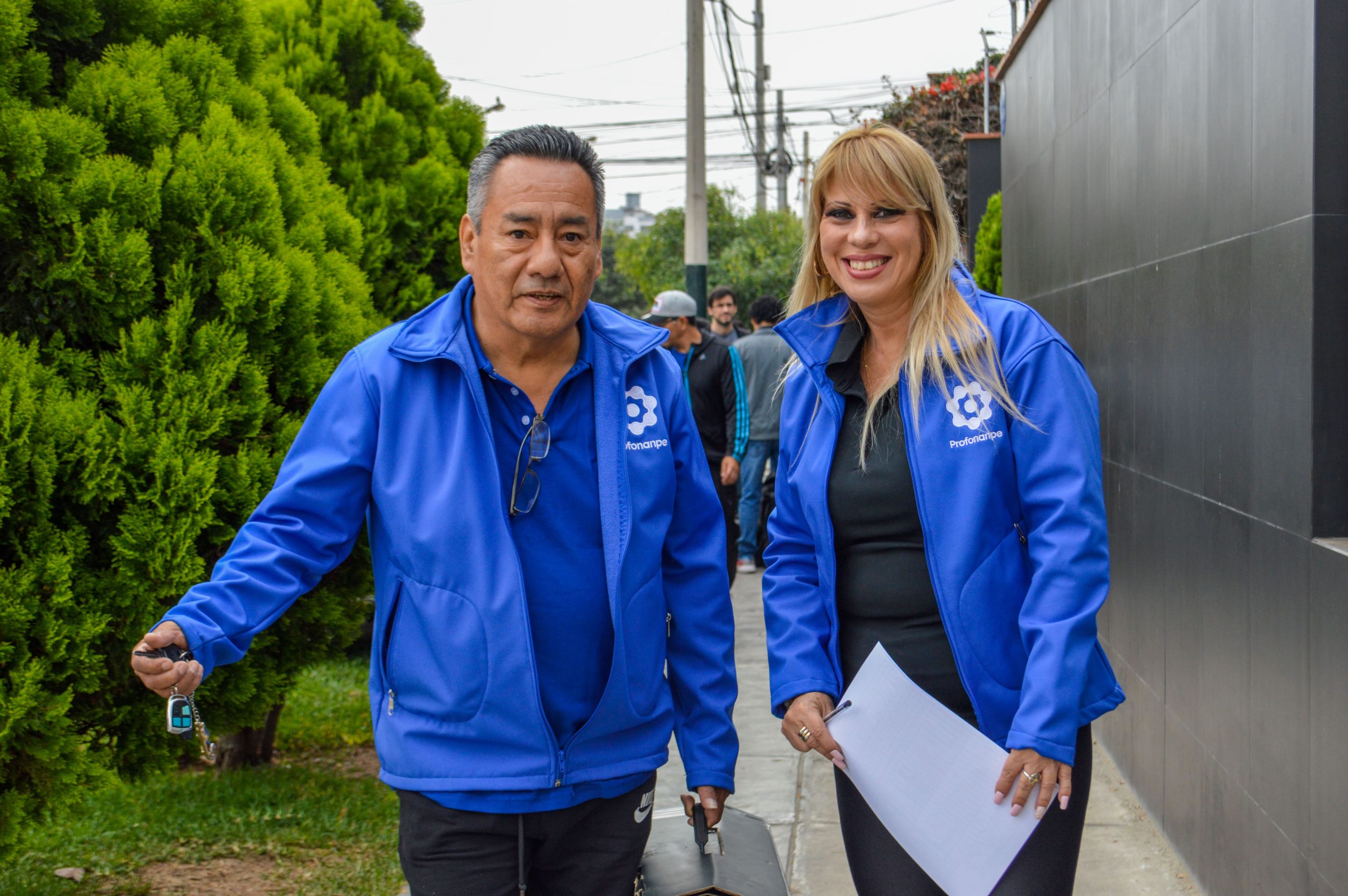
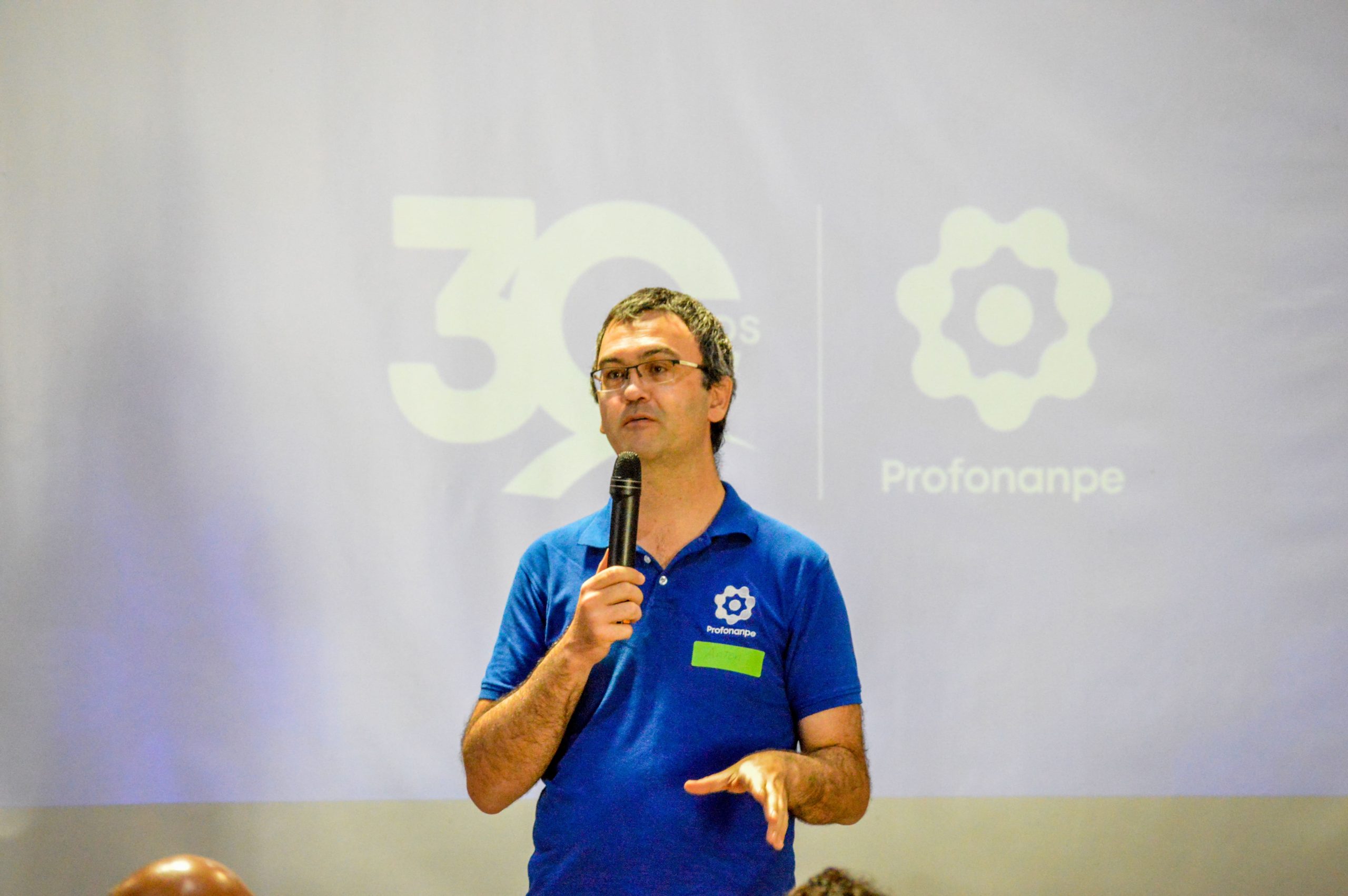


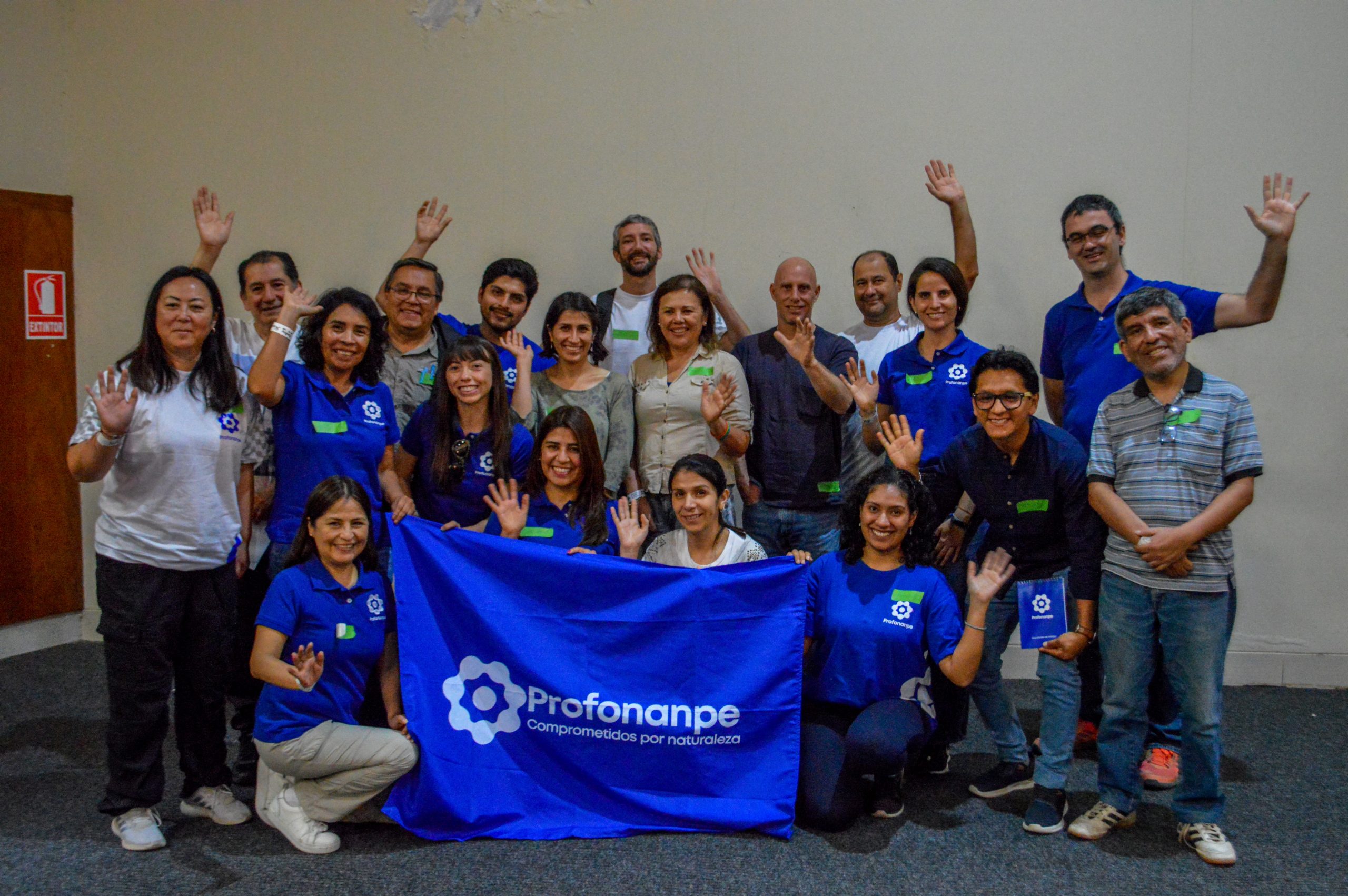
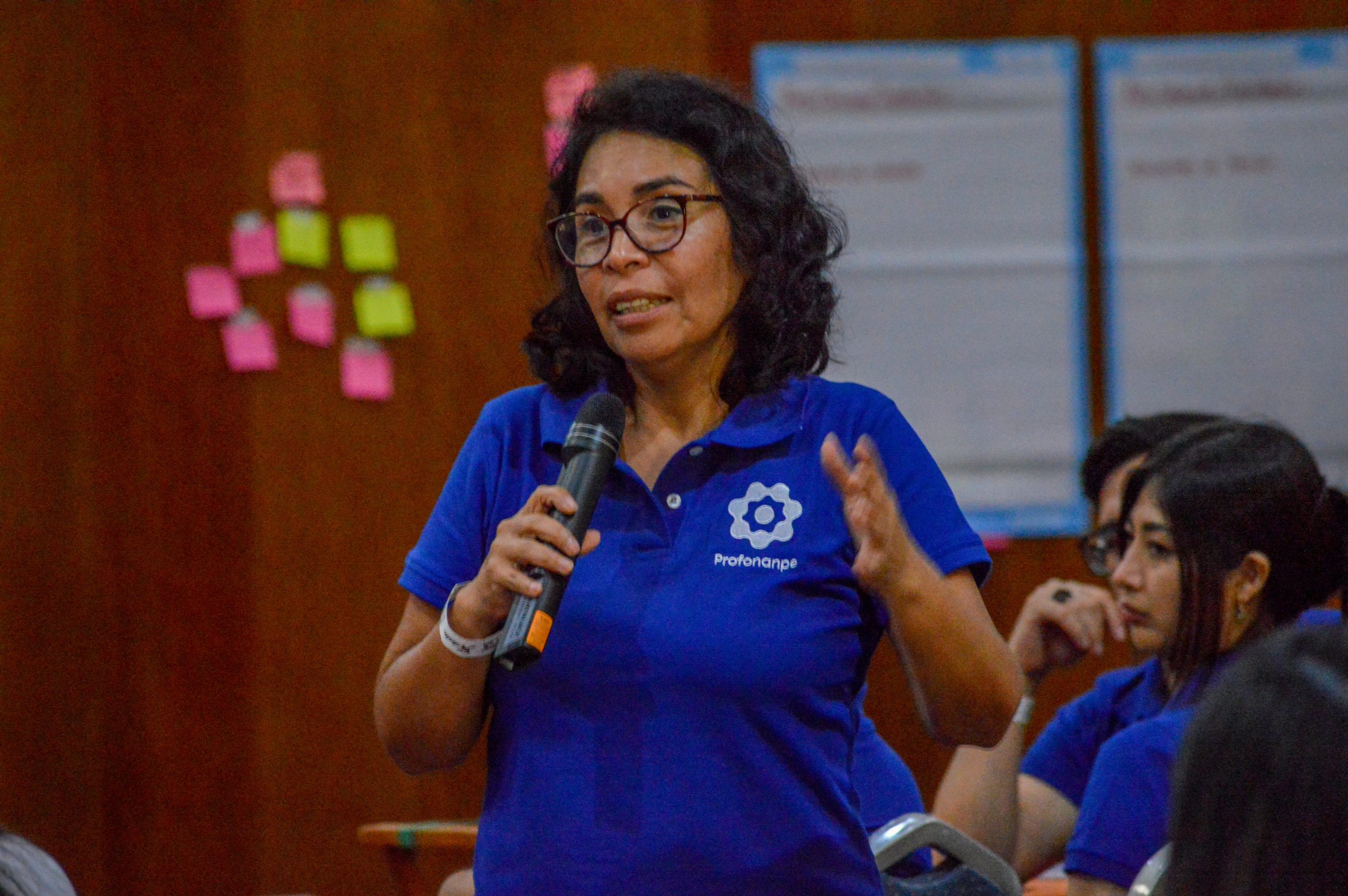

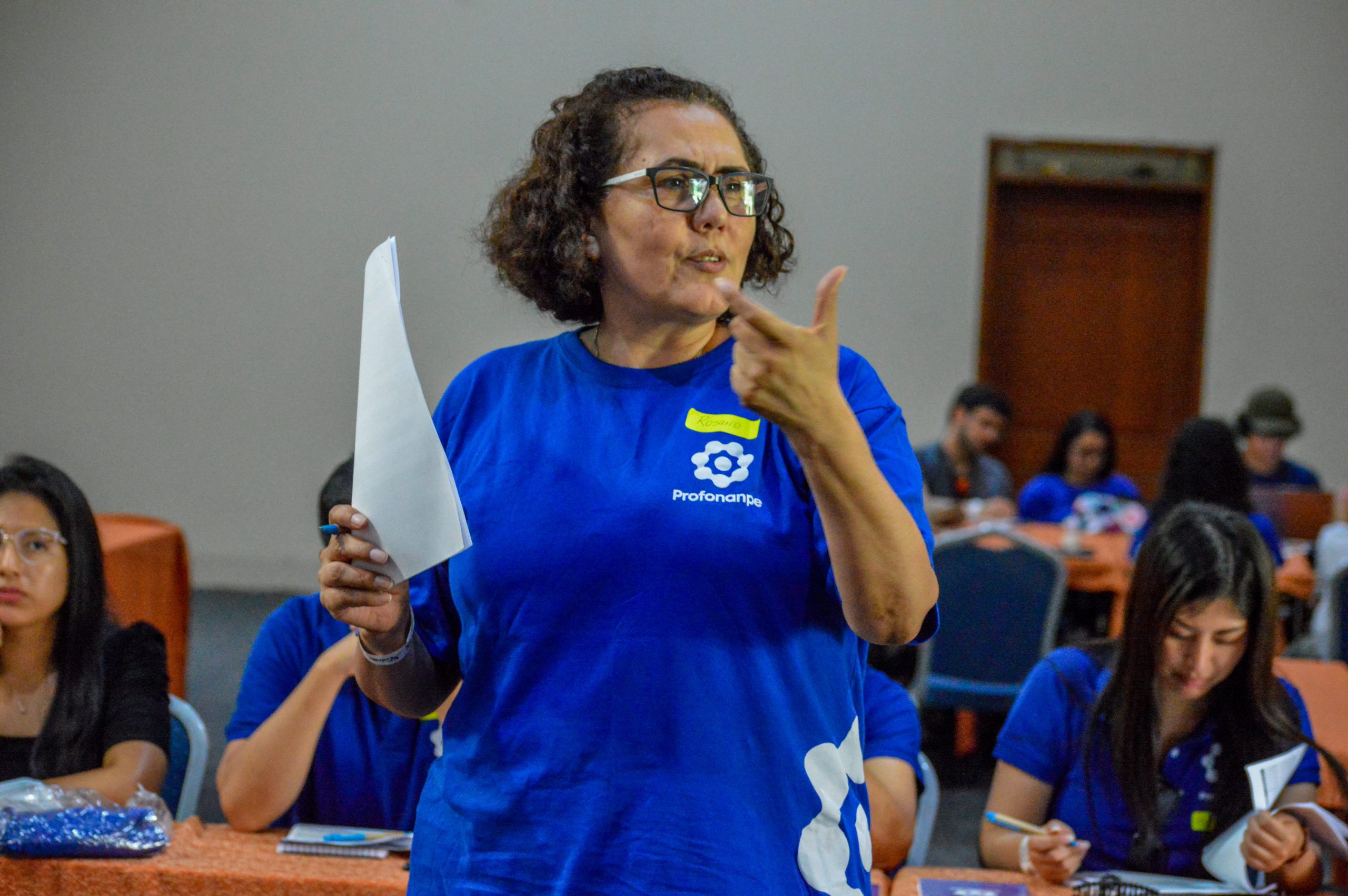
In this context, Profonanpe reaffirmed its urgent commitment to responding to the climate crisis and environmental emergencies. The institution intends to maintain its role as a strategic partner, facilitating effective connections between institutions and partnerships with key stakeholders in the field. Furthermore, it underscores its ongoing commitment to developing innovative financial mechanisms that ensure the conservation of natural heritage.