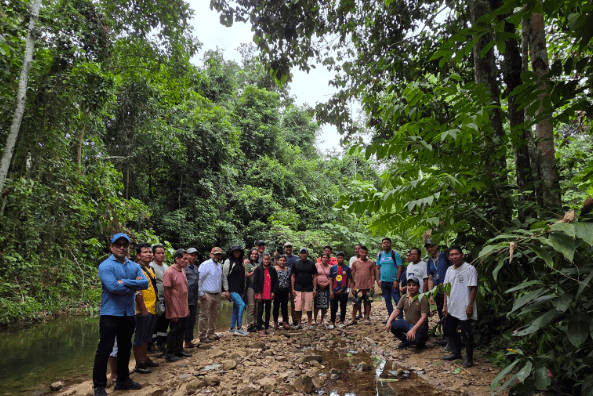
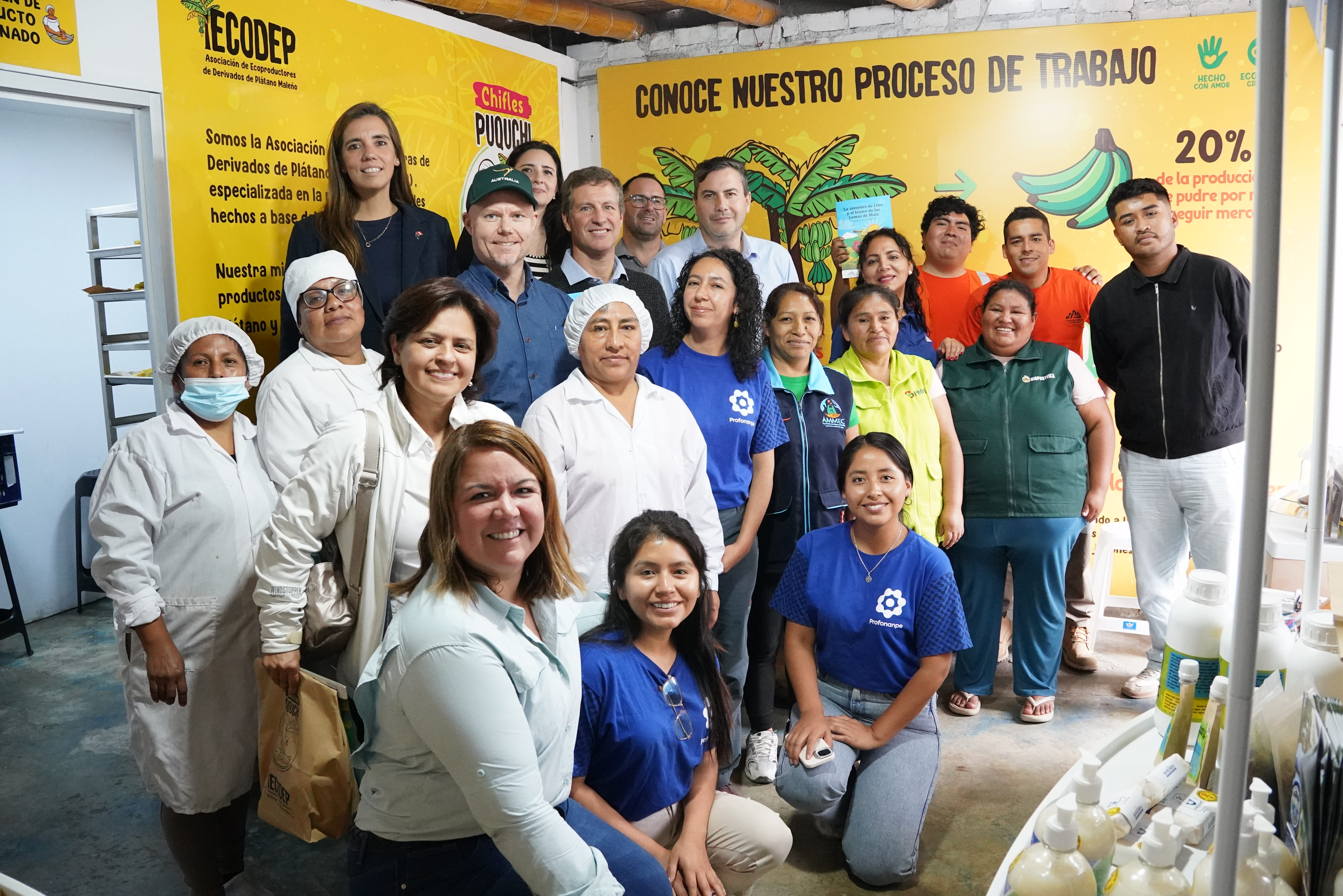
In Pucallpa, 12 indigenous craftswomen from Amazonas, Ucayali and Madre de Dios met to share experiences, lessons learned and challenges related to their community bioeconomy enterprises. The meeting, promoted by AIDESEP within the framework of the Profonanpe ICD Project, marked a key point in consolidating the strengthening work that has been carried out with this indigenous organization in the territories since 2024.
From AIDESEP, this process is part of a strategy to strengthen the indigenous economy from the communities themselves, through enterprises that combine traditional knowledge, sustainable use of the forest and collective organization.
“We are strengthening the indigenous economy program by working with the grassroots and the regions, with ventures in different lines such as handicrafts, agroforestry and forest harvesting.”, explains Nelsith Sangama, head of AIDESEP's Indigenous Economy Program.
Bioeconomies that generate income and open up opportunities
In the communities, these enterprises represent an alternative to generate income and improve the quality of life, especially for women and young people. Kely Cahuantico, from the Mashco Yine Association of artisans in Monte Salvado, Madre de Dios, is an example of this.
“We got together among all the women to make more handicrafts. Before, only the men worked, but now we women have organized ourselves to work with cotton, ceramics and seeds from the forest, and to pay for our children's expenses.”, says Kely Cahuantico, member of the Association of artisans Mashco Yine of Monte Salvado.
This associative work has also made it possible to expand the reach of the products to wider markets. The Asociación de Mujeres Artesanas Maroti Xobo de Ucayali has a store in the city of Pucallpa and has been positioning its products inside and outside the country.
“We have orders from Lima and also from abroad. For example, we are sending products with Shipibo design to England. We want to go out more to the international market”Maria Loyda Amasifuen, a member of the association, emphasizes.

Practical screen printing activity during AIDESEP's community bioeconomies entrepreneurship meeting. Photo: Profonananpe
Forest conservation, culture and sustainability
Beyond their economic contribution, these enterprises are deeply linked to the revaluation of ancestral knowledge and the relationship with the natural environment.
The Organización de Mujeres Artesanas Indígenas Yine (ORMY), in Ucayali, works with forest resources and ancestral knowledge that they pass on to new generations, keeping alive the knowledge and designs that are part of their cultural identity. Along these lines, the artisans of Maroti Xobo emphasize the importance of protecting the species they use in their work, such as huayruro, and work with communities that conserve the forest.

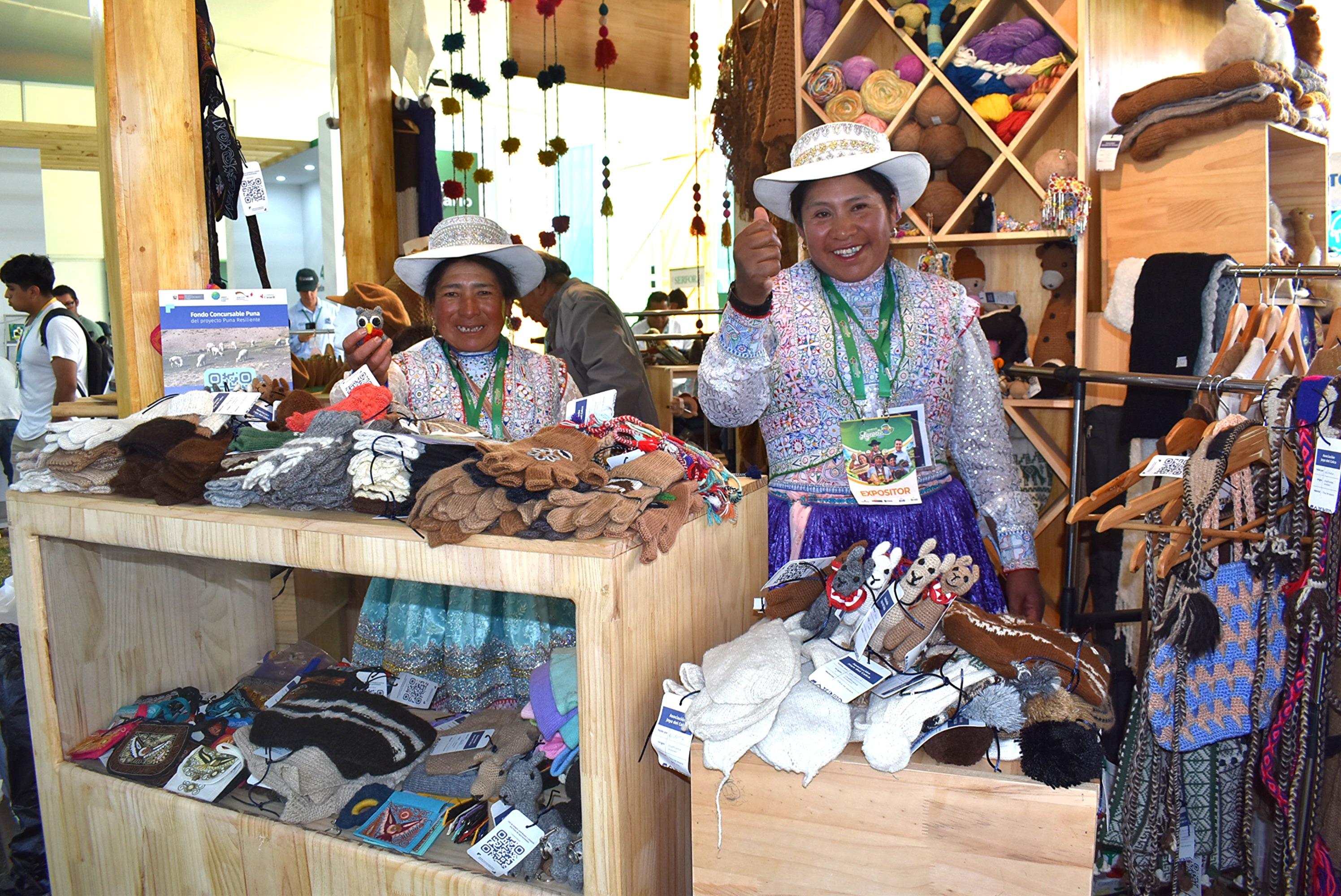
Handicrafts of the Association of Mashco Yine artisans of Monte Salvado, Madre de Dios. Photo: Profonananpe
About the Joint Statement of Intent (JIU), its Financial Mechanism and the JIU Project
The Joint Declaration of Intent (JIU) is a voluntary cooperation agreement signed in 2014 by the governments of Peru, Norway and Germany, aimed at reducing greenhouse gas emissions from deforestation and forest degradation. In the addendum signed for the period 2021-2025, the United Kingdom joined the agreement.
The ICD has a Financial Mechanism, administered by Profonananpe, which manages the resources for the implementation of its phases. Within this framework, the ICD Project is currently being executed, which contributes to the implementation of the Updated Plan 2021-2025. It is led by the Ministry of Environment and executed by Profonanpe, with funding from the Norwegian Agency for Development Cooperation (NORAD) through the Norwegian International Climate and Forest Initiative (NICFI), and the participation as implementing partners of the Ministry of Agrarian Development and Irrigation, through SERFOR; Sernanp; the Ministry of Culture; the regional governments of San Martin, Huanuco, Ucayali, Loreto, Amazonas and Madre de Dios; and the indigenous organizations AIDESEP, CONAP and ANECAP. Learn more here.