These resources were channeled in two ways. On the one hand, approximately US$750 thousand were granted through subdonor agreements in the framework of projects related to the reduction of greenhouse gas emissions, food security, adaptation to climate change, and the protection of natural areas. In addition, approximately US$1.5 million was allocated through competitive funds that promote initiatives related to ecosystem services, sustainable bio-businesses and climate change adaptation measures.
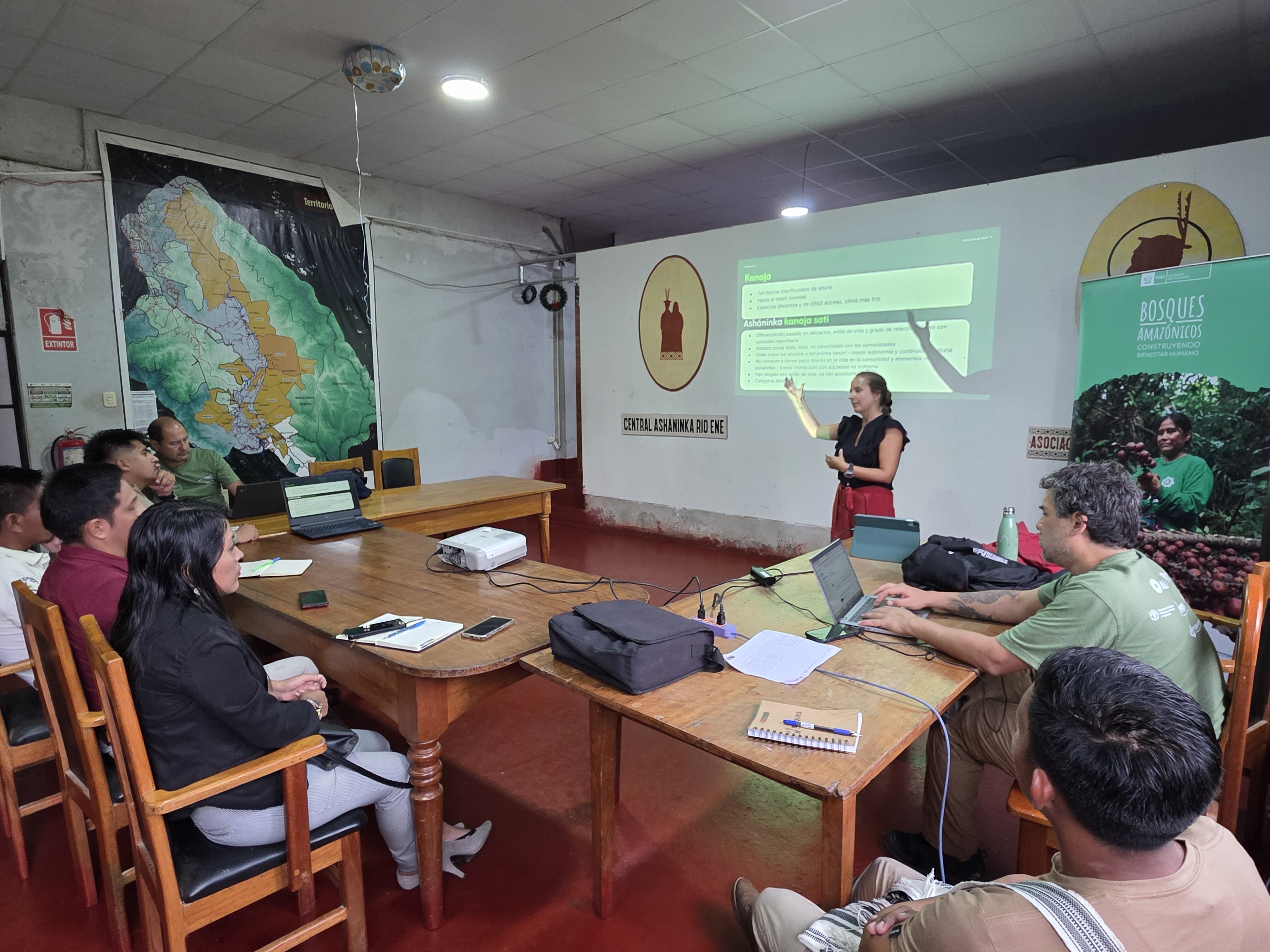
These advances are part of a joint capacity building model that Profonanpe is promoting together with allied indigenous organizations, based on the identification of institutional strengths and needs and the development of action plans that contribute to the progressive strengthening of their administrative, financial and organizational capacities to manage projects and directly access climate finance.
Between 2024 and 2025, this approach allowed us to promote processes of co-creation of environmental initiatives together with Amazonian indigenous organizations, aimed at addressing challenges such as the defense of territories, the effects of climate change and deforestation, territorial legal security and the strengthening of sustainable economies. Two of these initiatives are currently being implemented.
Profonanpe's work with indigenous organizations has also generated concrete results in the territories. For example, the Interethnic Association for the Development of the Peruvian Rainforest (AIDESEP) provided technical advice for the physical-legal regulation of 25 native communities in the regions of San Martín, Loreto, Ucayali, Junín, Amazonas and Madre de Dios, with IDB financing, through Profonanpe and in coordination with the National Forest Conservation Program. Also, together with CORPI-SL in Datem del Marañon, innovative methodologies were designed to contribute to decision-making on climate change and carbon markets, through illustrative puzzles and the board game “Territorios Vivos” (Living Territories), which were part of workshops facilitated with indigenous youth from the communities.
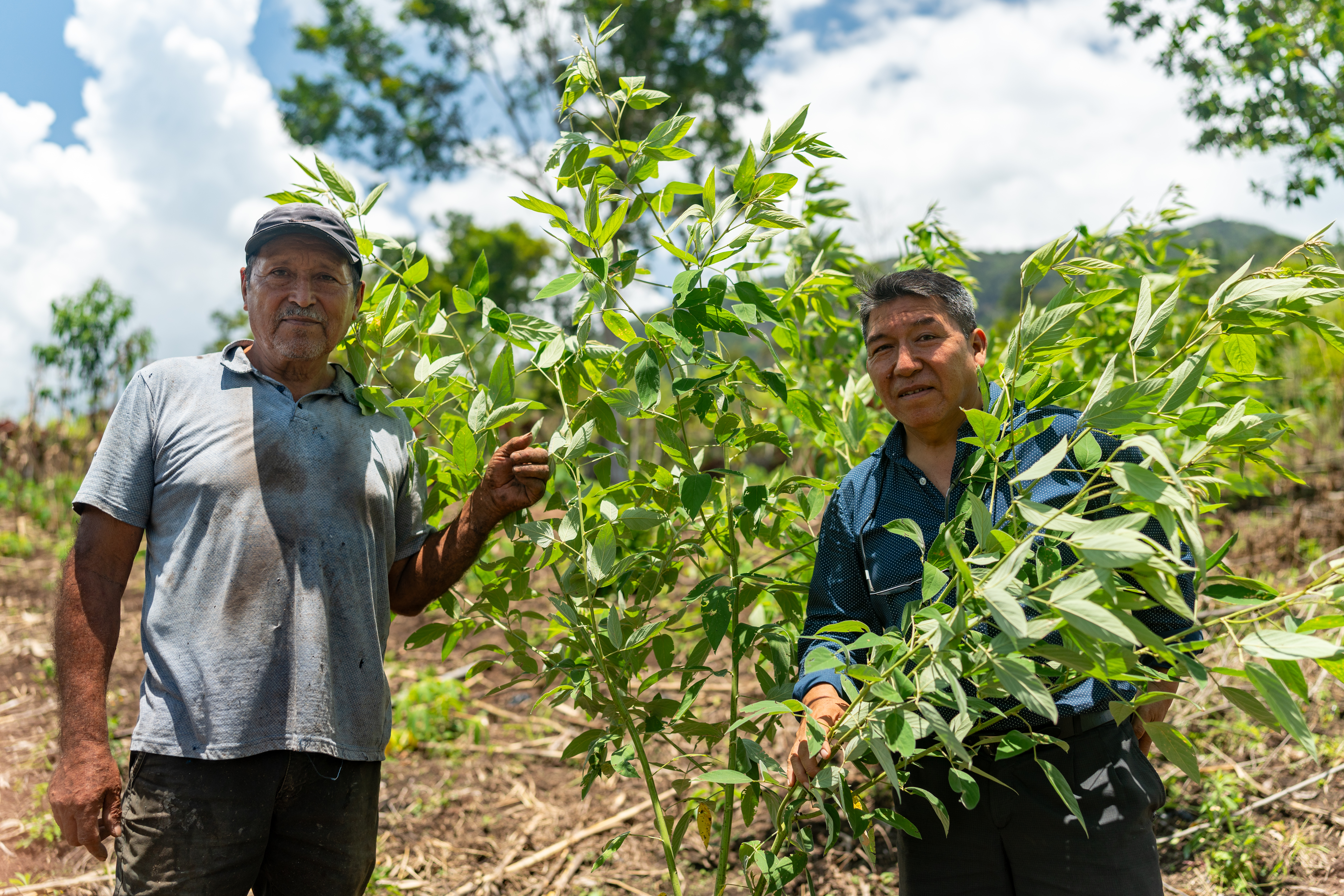
Likewise, within the framework of the Joint Declaration of Intent, in coordination with AIDESEP, the Confederation of Amazonian Nationalities of Peru (CONAP) and the National Association of Contract Executors for the Administration of Communal Reserves of Peru (ANECAP), initiatives were promoted to strengthen sustainable economies in Amazonian territories. These actions have made it possible to conserve more than 3,700 hectares under sustainable management of permanent crops such as cocoa and coffee, secure more than 18,300 hectares under community forest management, and strengthen five indigenous bioeconomy initiatives through exploitation plans developed with associations of women artisans in Madre de Dios, Amazonas and Ucayali.
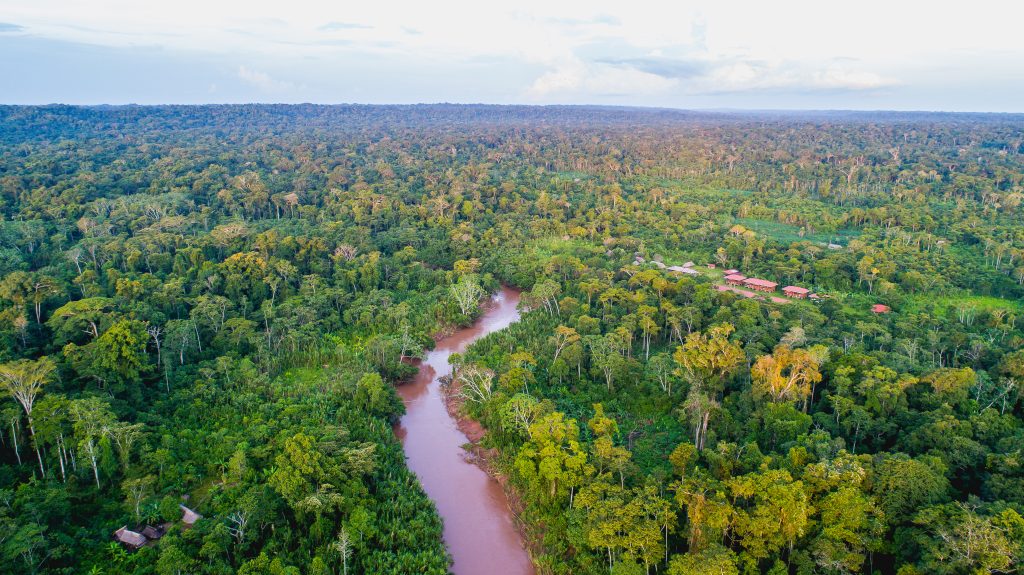
Looking ahead to 2026, Profonanpe will continue to consolidate its role as a technical-financial mechanism that facilitates the direct access of indigenous peoples to climate finance, promoting initiatives that respond to their own development priorities and contribute to the sustainability of forests and livelihoods in their territories.