Within the framework of the Peruvian Environmental Education Week, a meeting was held in Iquitos, Peru. “Ecofair for Environmental Education Week 2025”.”, organized by the Regional Government of Loreto through the Regional Environmental Management (GRAM-Loreto). Through the support of the ASL2 Amazonian Forests project, students, teachers, directors and parents from two educational institutions in the Marañon River basin were able to attend and present the progress of their school environmental projects, thus reinforcing their commitment to sustainability and environmental education in Amazonian territories.
The ecofair made it possible to make visible and strengthen environmental education initiatives developed by the educational institutions of San José de Samiria and Santa Rita de Castilla, promoting the exchange of experiences and the dissemination of good practices aimed at building a citizenry committed to environmental conservation.
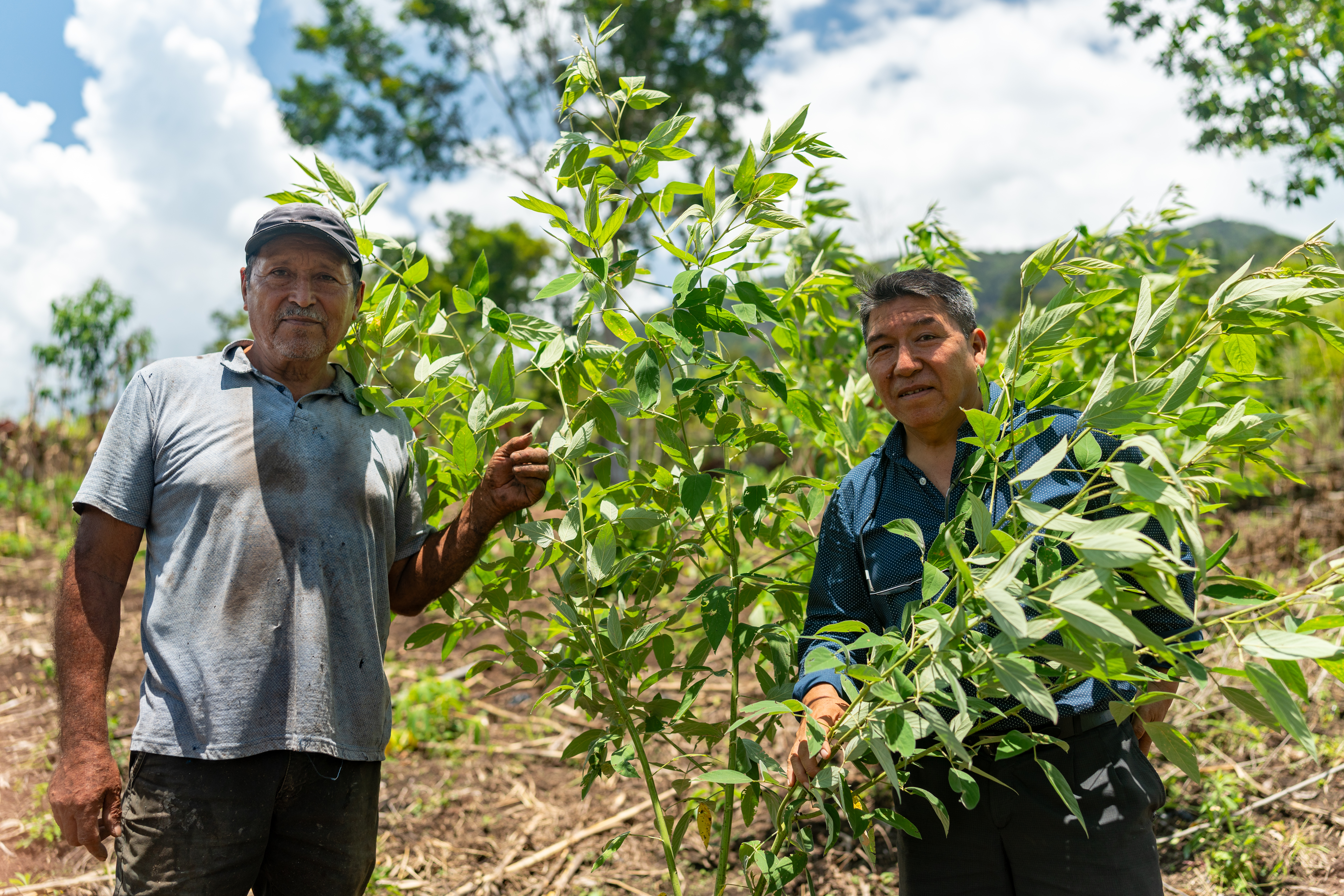
EI No. 60867 in San José de Samiria presented three integrated environmental education projects, including the construction of 60 ecological garbage cans with cultural identity, the creation of 120 ecological signs in native languages, and the reforestation of one hectare with more than 1,500 seedlings of species such as mahogany, aguaje, huasai, and sangre de grado. These actions involved more than 400 people from the community and were integrated into the school curriculum through educational activities related to forest conservation and management.
For its part, the IE No. 60531 of Santa Rita de Castilla presented the project “Sowing awareness, harvesting future”, which managed to install 17 compost bins, develop 9 benches under a circular economy approach, as well as implement ecological garbage cans and ecological bricks with the active participation of students and families, also benefiting more than 400 people.
The event made these advances visible and encouraged recognition of the work done by native communities to promote care for the environment, biodiversity and adaptation to climate change. The population of Iquitos showed great interest in the initiatives, highlighting the technical and logistical support provided by the project, which was represented by Cristina Portocarrero, technical coordinator of the project, and Evelyn Palomino, specialist in environmental and climate risk management.
This activity contributes to promoting the conservation of healthy forests and wetlands through capacity building, intergenerational environmental education and coordination with key stakeholders in the territory. Its participation in the ecofair reinforces the positioning of the project as a strategic ally and contributes to the achievement of goals related to awareness, governance and promotion of sustainable practices that strengthen climate resilience in Amazonian communities.
About the “Amazonian Forests ASL2” project”
The project seeks to promote the conforest servationThe project has been designed to help to maintain healthy, functional and resilient wetlands and wetlands to climate change; maintaining important carbon stocks, avoiding Greenhouse Gas (GHG) emissions and generating sustainable and resilient local livelihoods.
This initiative is being implemented by the Ministry of the Environment (MINAM), with funding from the Global Environment Facility (GEF); and has the support of the Food and Agriculture Organization of the United Nations (FAO), the International Fund for Agricultural Development (IFAD), the United Nations Industrial Development Organization (UNIDO) and Profonanpe.