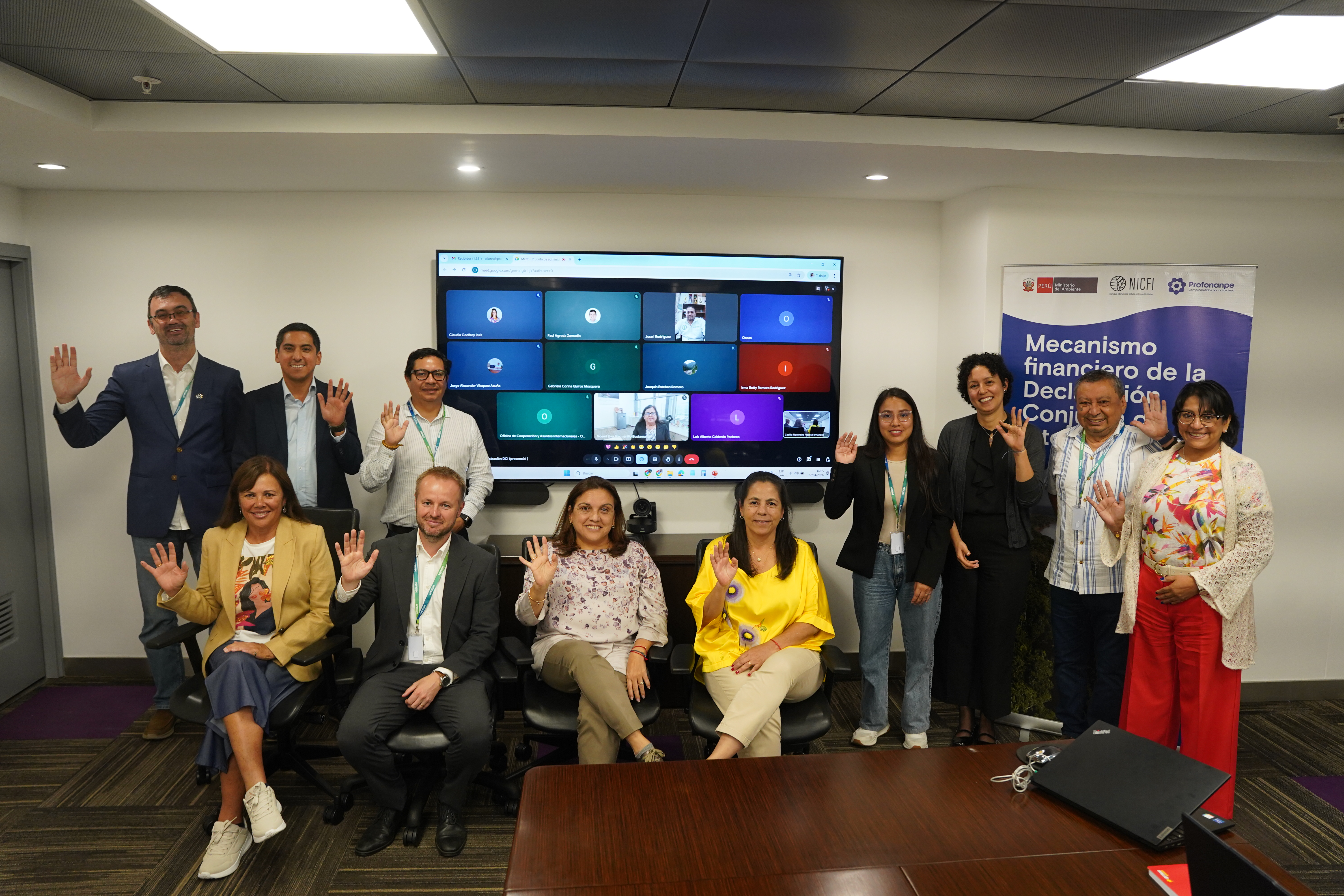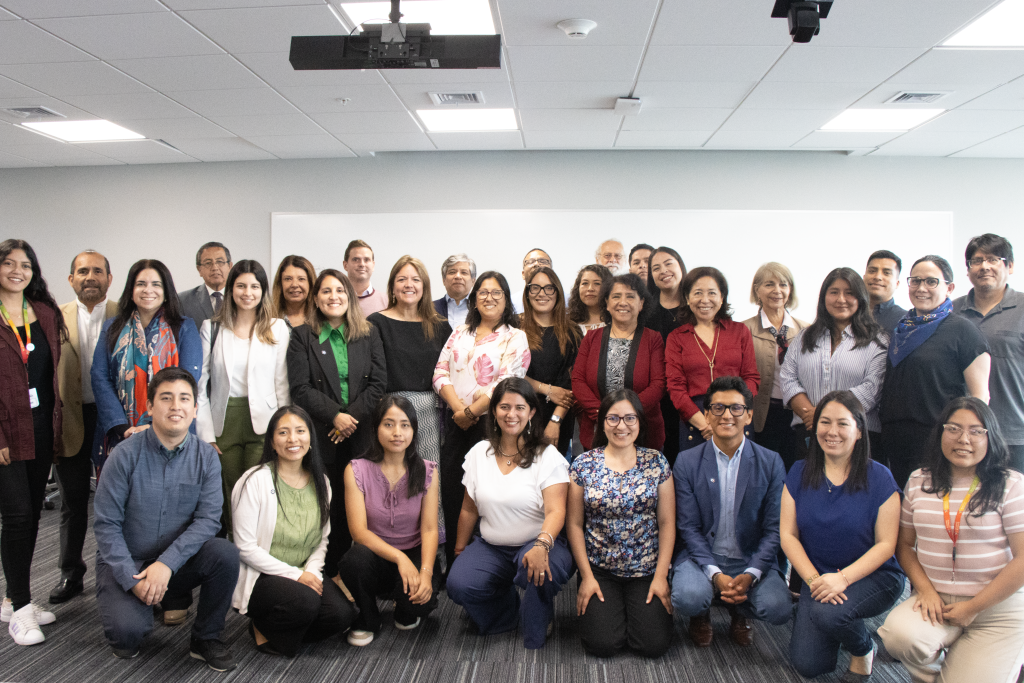
Profonanpe, Peru's environmental fund, organized the last thematic roundtable of 2024, bringing together specialists from the public, private and civil society sectors who shared their experiences working in partnership with mining companies to promote projects that contribute to the development of the communities in their sphere of influence. By 2024, the [...]
By 2024, the mining sector is projected to contribute nearly 10% of Peru’s GDP and, according to the World Bank, account for more than 60% of the country’s exports, making the mining sector a key issue on the country’s environmental agenda.
The experience in Mala
This forum provided an opportunity to learn about the experience of Mala Sostenible, an initiative launched in partnership with Compañía Minera Condestable, which seeks to improve the living conditions of the Mala Rural Community through the diversification of its income sources, the improvement of its basic services, and the conservation and sustainable management of its ecosystems. Thus, efforts have been made to promote local tourism, bio-businesses based on a circular economy approach, and the protection of ecosystems using natural infrastructure.
“Condestable and Profonanpe agree that a sustainable alternative—one that seeks to implement a results-based model focused on impact—will lead us toward sustainable local development,” said Erick Romero, coordinator of the Mala Sostenible project, who has been promoting the development model that drives eco-businesses and eco-tourism to contribute to the well-being of its members and the population as a whole.
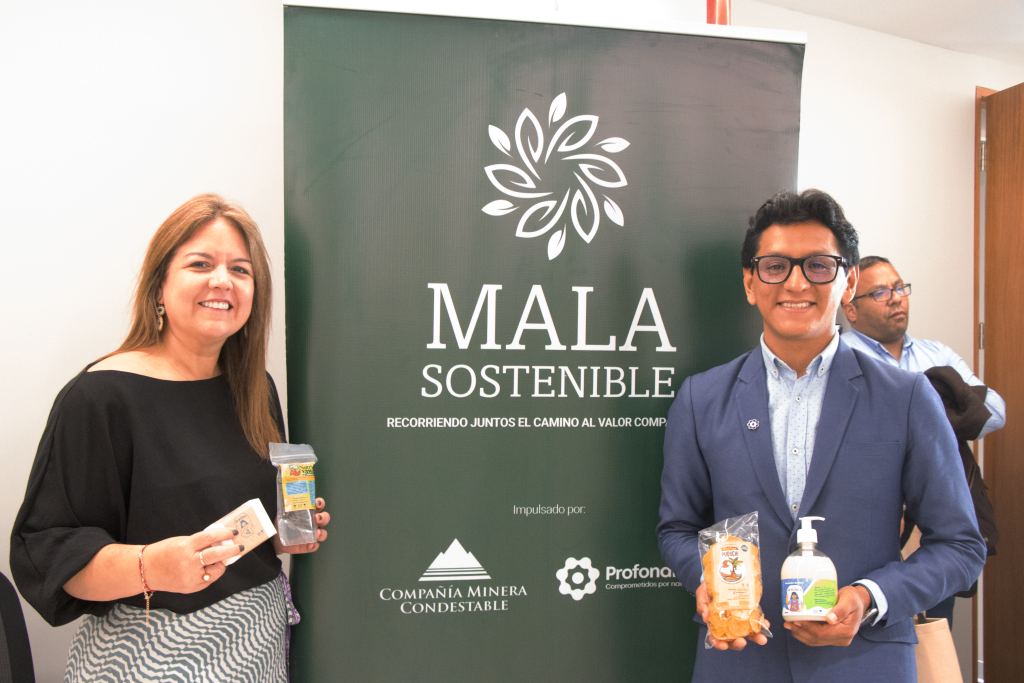
Photo: Profonanpe
In addition to this presentation, three working groups were formed during the event to address issues related to sustainability, the circular economy, and land management.
Long-term sustainability of initiatives
Initiatives of this kind require information, expertise, and funding to be implemented effectively. It is necessary to take into account previous studies in the area, ensure technical support, streamline administrative processes, and coordinate planning tools; but above all, it is essential to strengthen local governance to ensure the financial sustainability of development initiatives based on long-term partnerships.
We need to ensure financial sustainability through coordinated efforts that generate our own funds. “The ideal solution would be to pool funds, because the private sector can provide support, but it is difficult to sustain that support in the long term. That sustainability will be achieved in the future by promoting income generation among the population”, said Pedro Gamboa, Assistant Manager of Environmental Asset Management at UNACEM Group.
A circular economy approach to initiatives
Mala Sostenible develops products using local resources and underutilized organic waste that previously had a negative environmental impact. Through an innovative approach, these resources were repurposed for productive use and to generate income opportunities for the community, integrating economic development with environmental conservation.

Photo: Profonanpe
“It is important to highlight the district’s resources, add value to them, and ensure they are environmentally friendly,”said Erick Romero, who also emphasized the importance of technical support in financial management and community leadership.
Social land management and strategic partnerships
In sustainable development initiatives, it is important to involve all local stakeholders, understand local dynamics, and ensure their active participation by engaging them from the project planning stage onward, in order to establish shared goals and objectives, thereby strengthening trust and a sense of ownership regarding the initiatives undertaken.
“Building trust is a long-term process, and the challenge is to achieve synergy among all identified stakeholders and ensure that the project feels like part of the community,”concluded Lena Rodríguez, legal specialist in Analysis and Processing of Information on Socio-Environmental Issues at the Ministry of the Environment.
Mala Sostenible offers a medium-term perspective, prioritizing issues that should be part of this new model of engagement between businesses and communities, where all stakeholders are important and play an active role in creating new opportunities for communities to build their capacities, lead initiatives, and contribute to the care of their environment.
Learn more about the Mala Sostenible project here.