The Áncash Regional Emergency Operations Center (COER) reported that, as of June 18, frosts have destroyed 95 hectares (ha) of crops in various localities across the region this year. This figure confirms a recurring seasonal trend: frosts are striking high-altitude crops with increasing frequency and directly affecting the livelihoods of families who depend on them (CENEPRED, 2024).
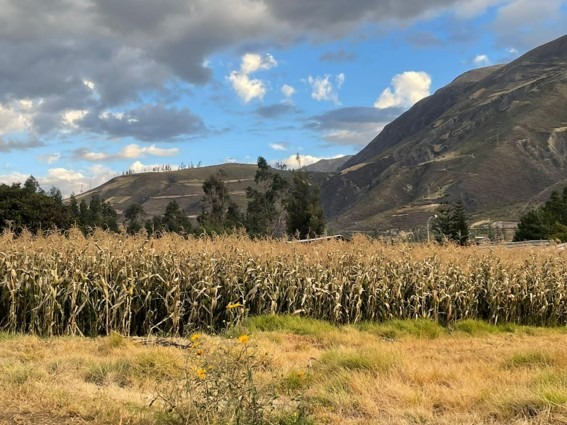
A significant portion of that figure is attributable to the events of June 14 and 15 in Yungay and Carhuaz. In less than 48 hours, low temperatures damaged 53.5 hectares of corn and cowpea: 49.5 hectares in the town of Caya (Yungay), where 147 people were affected, and four hectares in Toma, in the district of Tinco (Carhuaz), where eight farmers were affected.
According to Senamhi (2021) and the IPCC (2022), erratic rainfall and extreme temperature drops are signs of an increasingly variable climate, which threatens food production and water availability for communities that depend on agriculture.
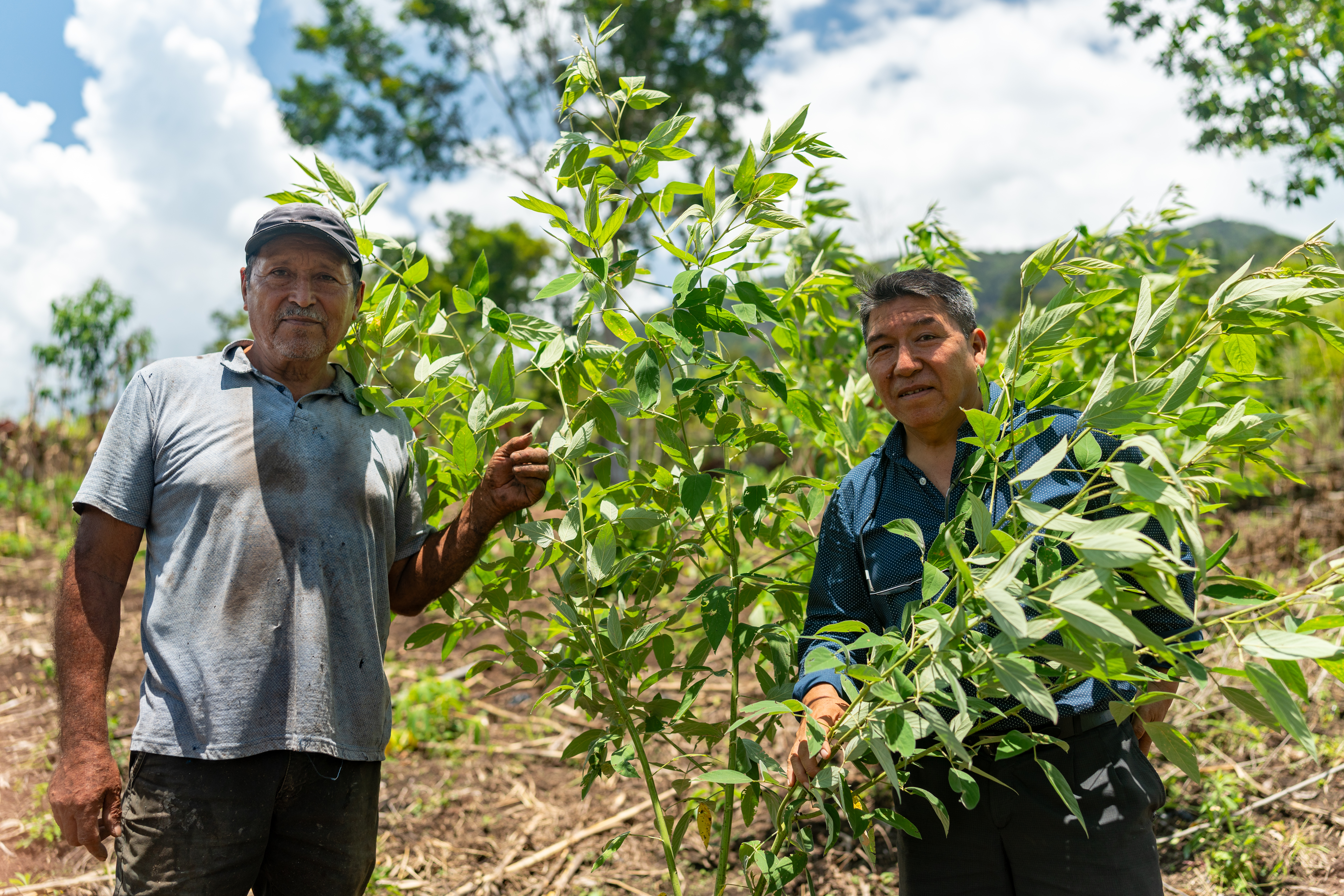
The risk is greater because frosts affect staple food crops, such as corn and chocho. Given this situation, the Áncash Regional Emergency Operations Center (COER) recommends protecting crops with shelters or thermal blankets, keeping irrigation systems operational, and following weather advisories issued by the relevant authorities.
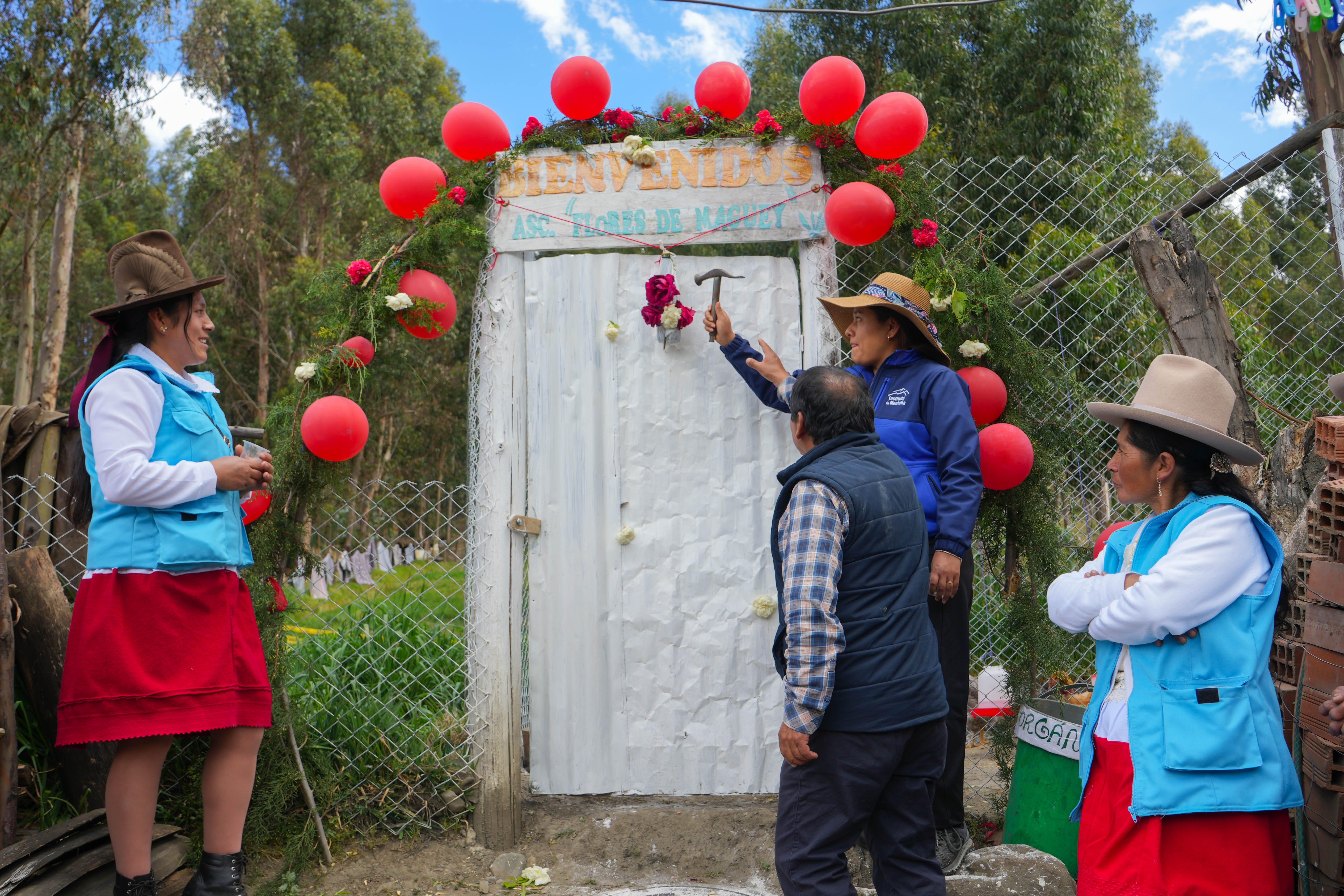
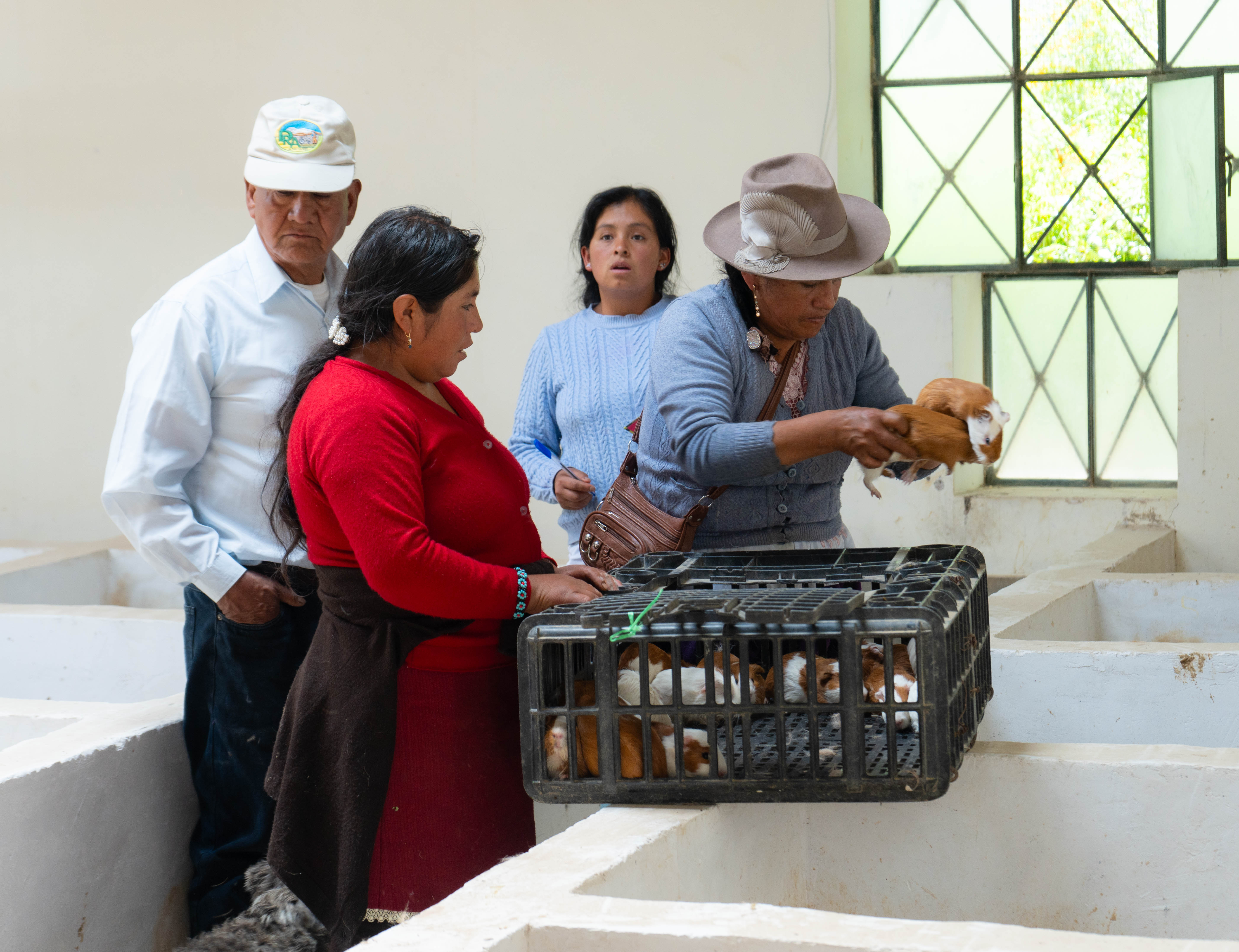
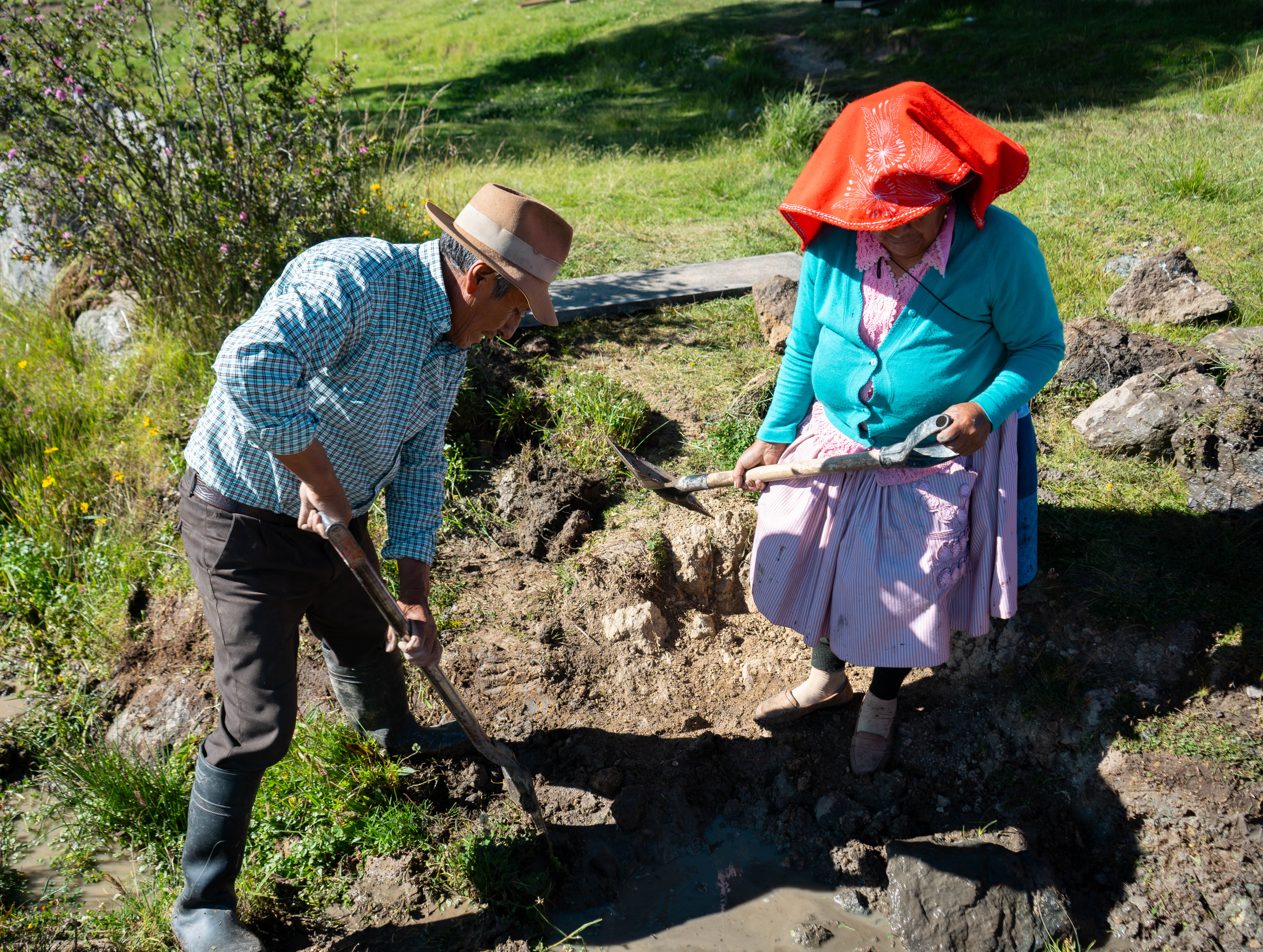
The project Living Basins is implemented by Profonanpe, with financing from the Adaptation Fund, and led by Mountain Institute in the Santa river basin, in the Ancash region. Its objective is to strengthen the resilience of communities and ecosystems in the face of climate change, contributing to national adaptation goals.