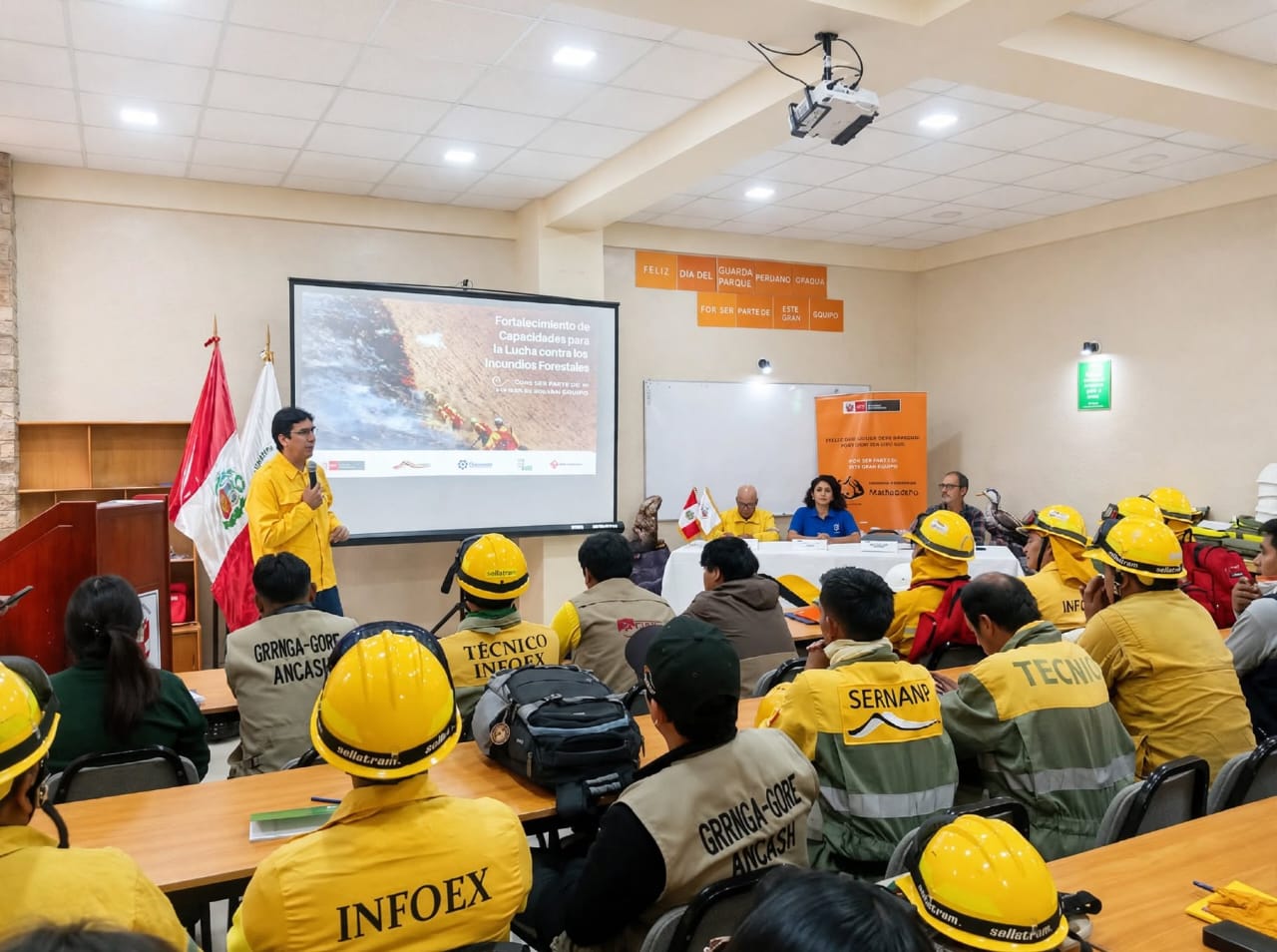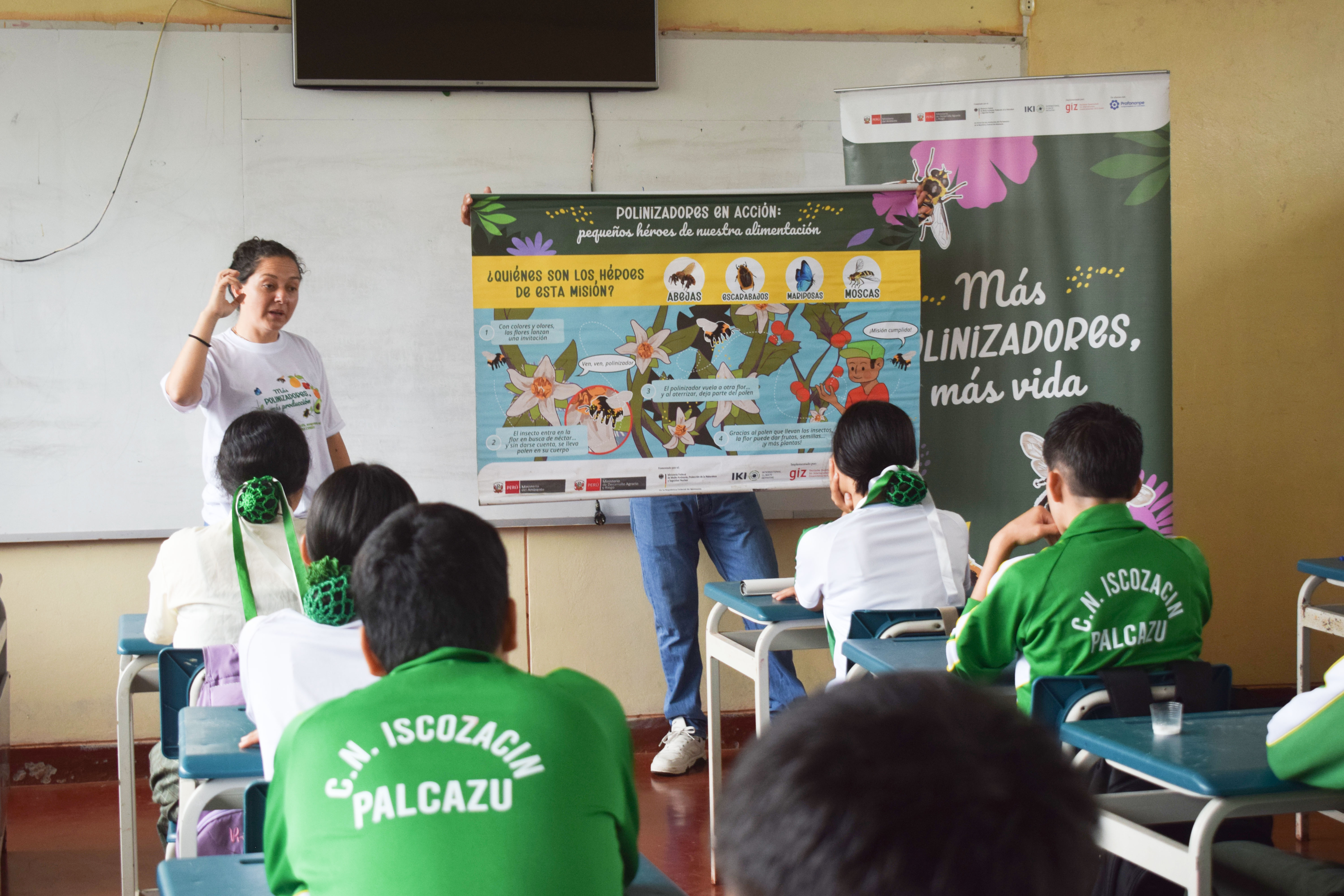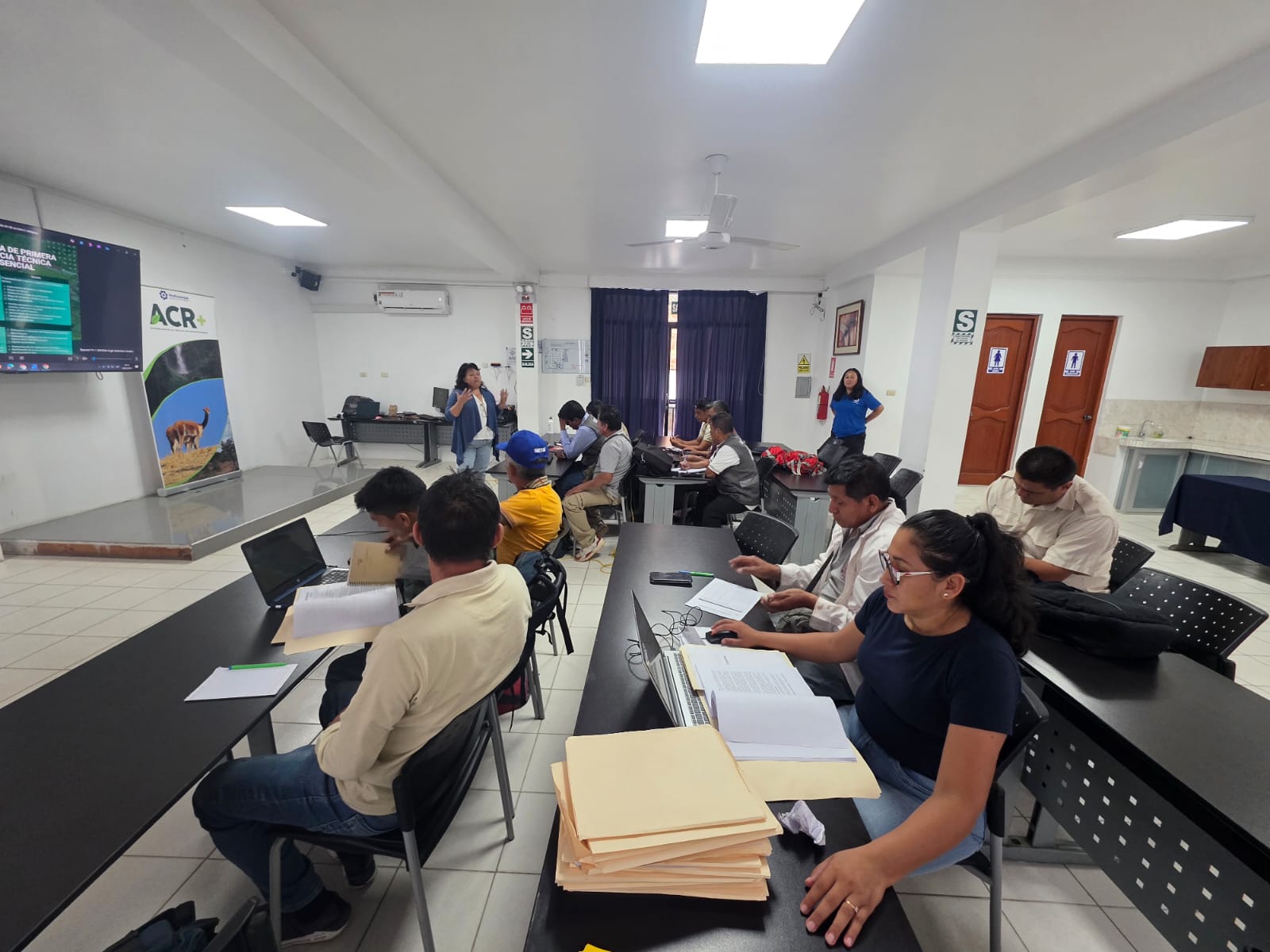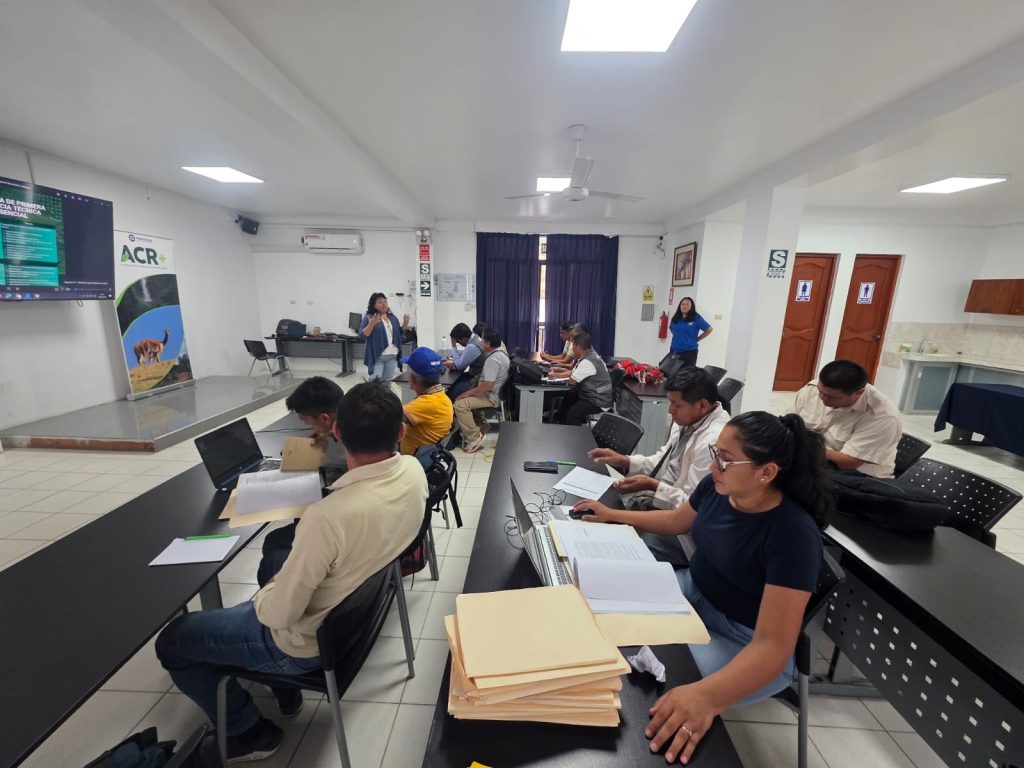
The Training Program for the Effective Management of Regional Conservation Areas (ACR), sponsored by Profonanpe and the National Service for State-Protected Natural Areas (Sernanp), continues its implementation with the development of Module 2, which focuses on sustainable use and territoriality.
This new phase involves professionals from the Environment and Economic Development departments of the regional governments and, in some regions, representatives from the Technical Forestry and Wildlife Administrations (ATFFS) of the SERFOR.
The module was launched on September 24 during a virtual event that brought together representatives from Profonanpe, Sernanp, and Escuela R, as well as professionals from the 20 participating regional governments. Subsequently, the first thematic sessions were held, continuing the training and support process aimed at the teams responsible for managing the ACRs.
The module was unveiled during a virtual event that brought together representatives from Profonanpe, Sernanp and Escuela R, as well as professionals from the 20 participating regional governments. Subsequently, the first thematic sessions were held, continuing the training and support process aimed at the teams responsible for managing the ACRs.
More than just a conventional training program, this initiative proposes a model for strengthening local public management based on applied learning. Participants not only acquire new knowledge, but also work collaboratively and receive specialized technical support to develop tools and solutions tailored to the specific challenges facing their communities.
The program is based on collaboration between Profonanpe, Sernanp and Escuela R, combining complementary skills and expertise. Escuela R brings its expertise in innovation, learning experience design, and agile methodologies; Profonanpe aligns these tools with the needs of the public sector; and Sernanp It contributes its technical and institutional expertise, helping to validate and adapt the content to the realities of the Regional Conservation Areas.
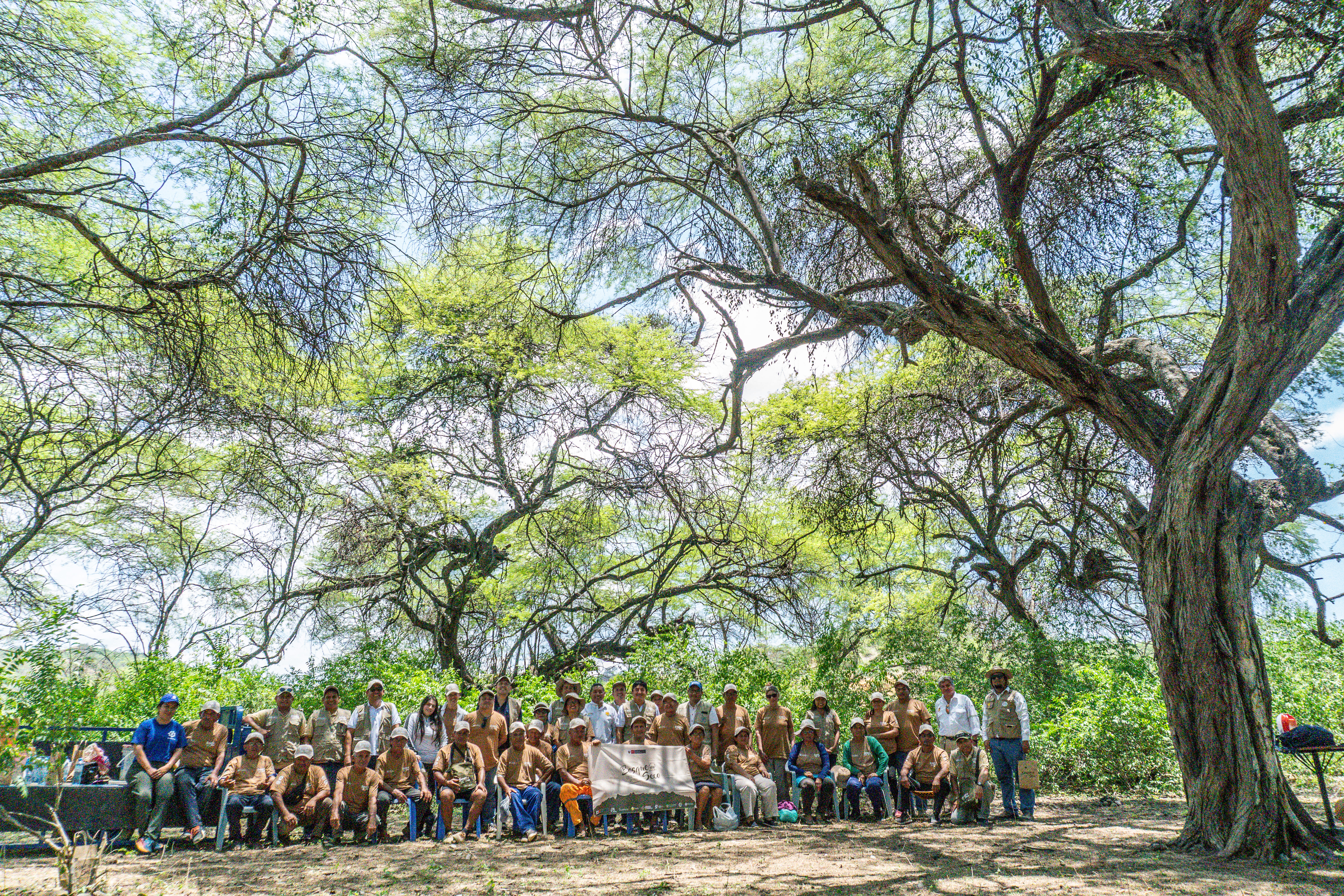
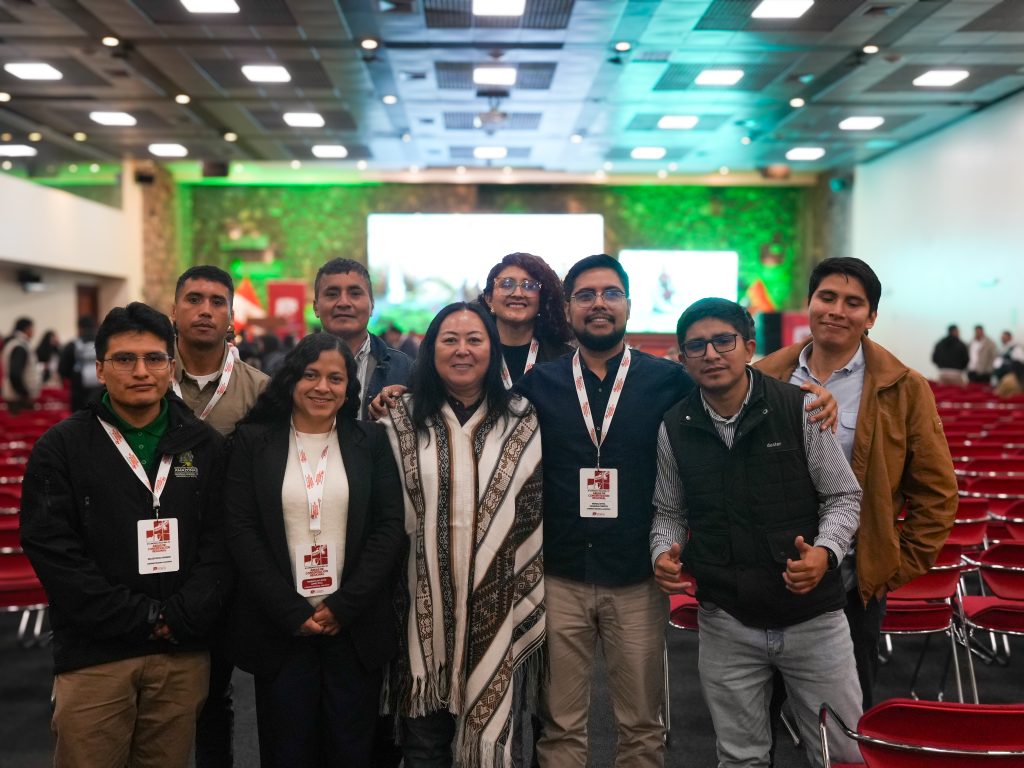 ACR Vista Alegre – Omia Team (Amazonas Region) at the Third National ACR Congress
The experience gained during Module 1, which focused on surveillance, control, and community relations, has already made it possible to identify notable examples among the participating teams. Among them are the teams from the Vista Alegre–Omia Community-Based Conservation Area (ACR) in Amazonas and the Bosques Montanos de Carpish ACR in Huánuco. In recognition of their participation and efforts, Profonanpe’s ACR+ project funded both teams’ participation in the Third National ACR Congress, held in Cusco from September 6 to 9.
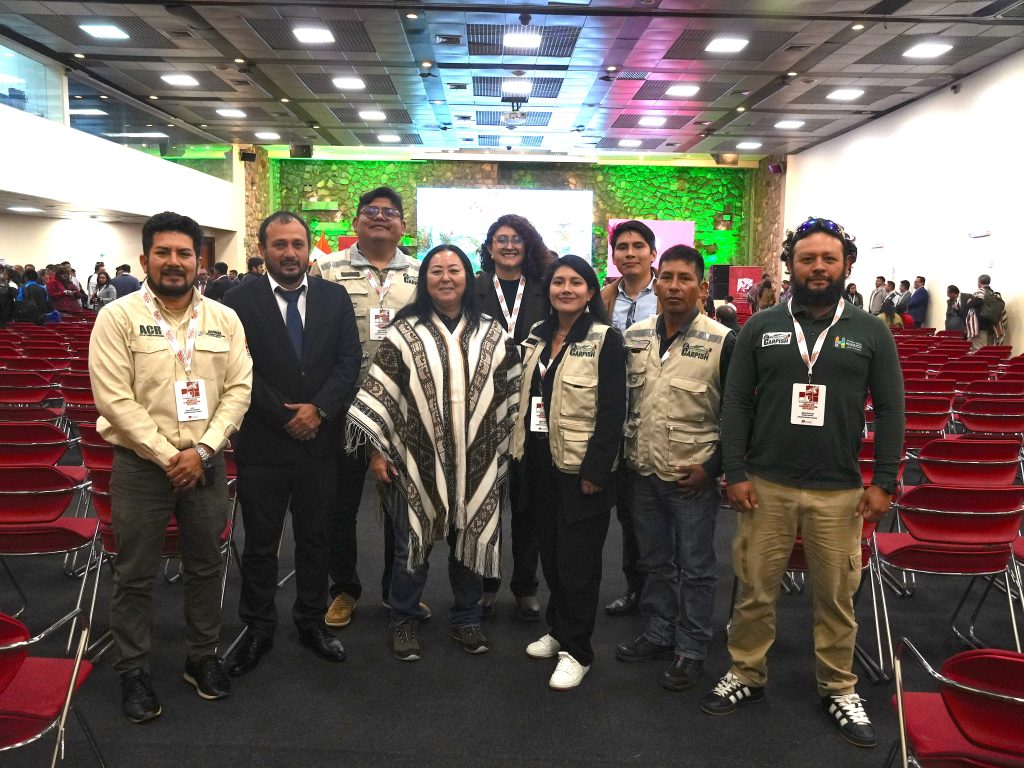 The Carpish Mountain Forests ACR Team (Huánuco region) at the Third National ACR Congress
With the implementation of Module 2, the Training Program continues to expand the capacity of regional teams to address the challenges of managing ACRs from a territorial perspective, promoting the practical application of knowledge and tools that can contribute to more effective management of these conservation areas.