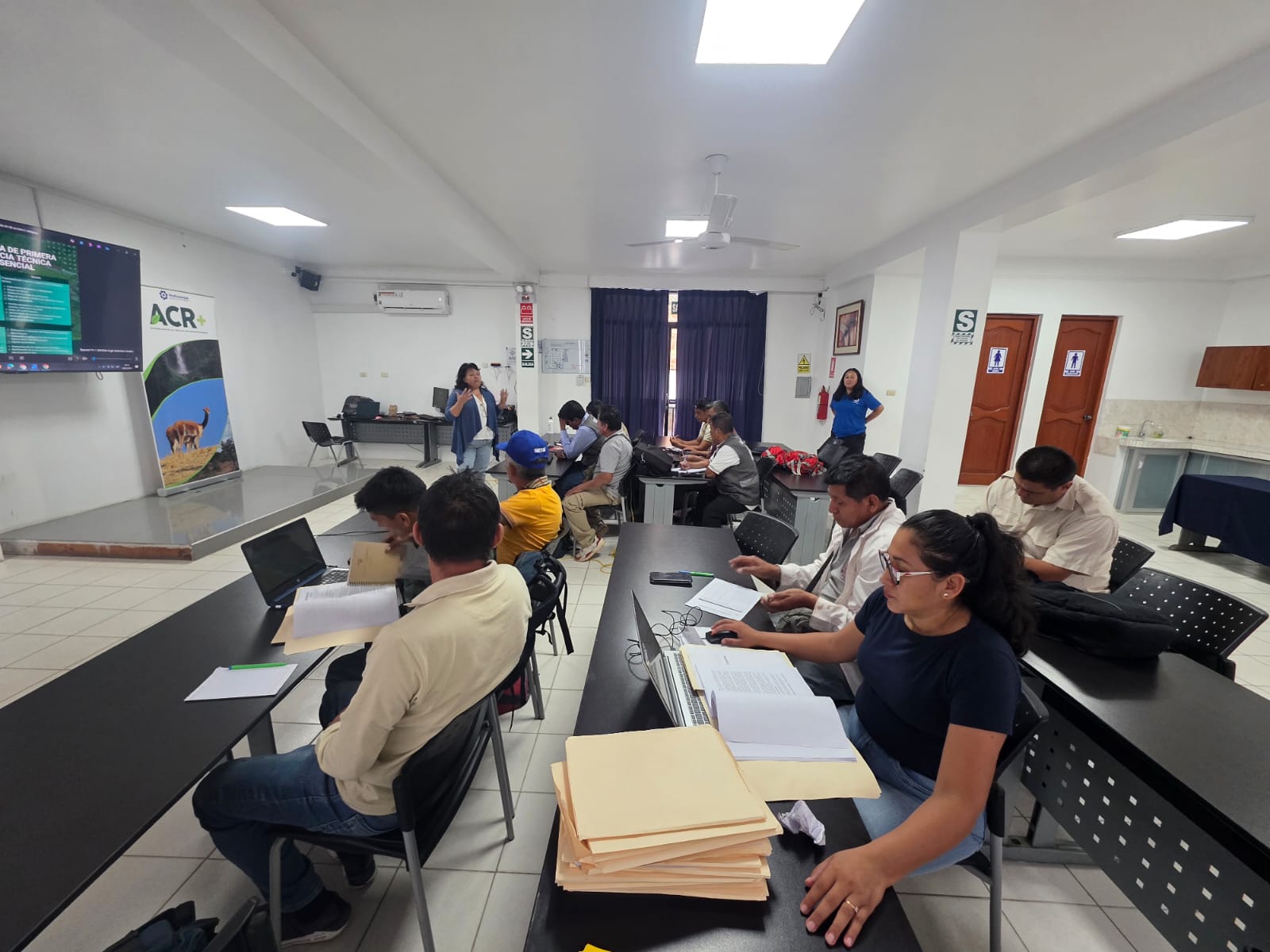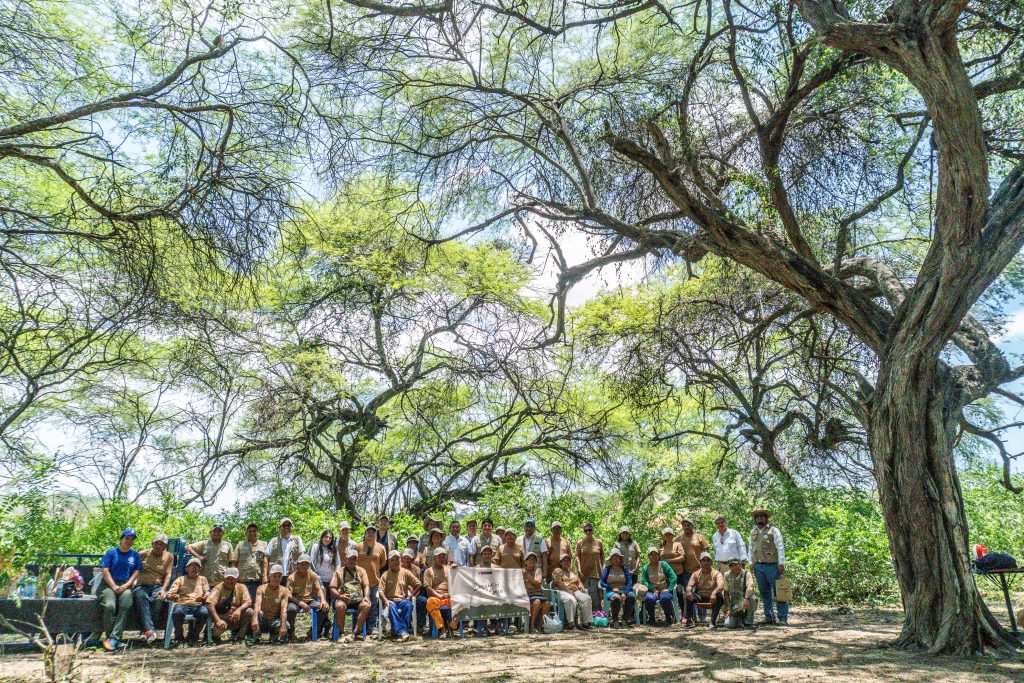
As part of the Second Annual Monitoring Mission to the Dry Forest project of the Ministry of the Environment, a visit was made to eight project sites in Tumbes, Piura, Lambayeque, and La Libertad. These events included presentations by communities, regional governments, and strategic partners on the coordinated efforts undertaken during this third year of the project to conserve this ecosystem.
During the visit to Tumbes, the group visited the La Mancayal Association of Livestock Ranchers and Farmers and the El Salvajal Peasants’ Association for Forest Protection, where more than 50 families carry out initiatives aimed at conserving and restoring the dry forest ecosystem and lead sustainable productive activities such as goat farming.
In Piura, the itinerary included a visit to the José Ignacio Távara Rural Community to learn about the restoration work carried out by more than 30 families from the village of Dios Nos Mire Bajo using the nendo dango technique, as well as efforts to strengthen goat farming through livestock deworming and the provision of a veterinary first-aid kit at this location. Additionally, work on meliponiculture and the nursery was monitored alongside park rangers from the Salitral-Huarmaca Regional Conservation Area; and finally, members of the Andanjo Rural Community presented on the incorporation of forest species into plots cocoa as part of the APPROCAP Agricultural Cooperative.
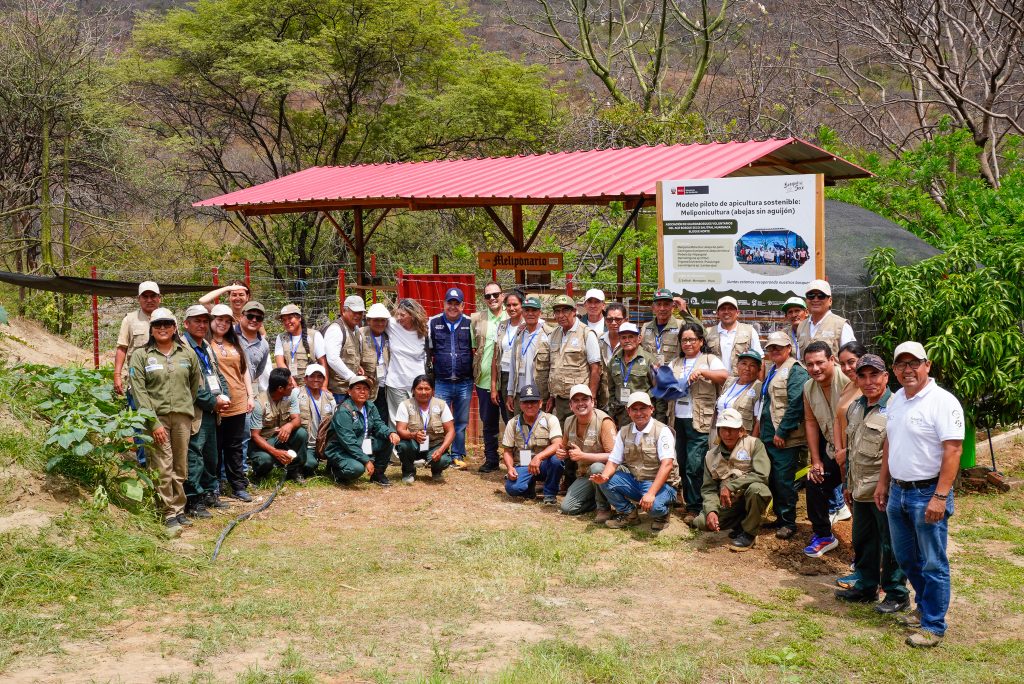
Visit to the Salitral-Huarmaca Regional Conservation Area to learn about progress in meliponiculture and the nursery, Piura.
In Lambayeque, a field visit was conducted with the San Francisco de Asís Peasant Community in the El Algarrobo sector of the Salas district to evaluate the restoration pilot projects and the production at their forest nursery and meliponiculture facility. Next, the group visited the Bosque de Pómac Historical Sanctuary, which encompasses more than 5,000 hectares of dry forest with a cultural history of national and international significance.
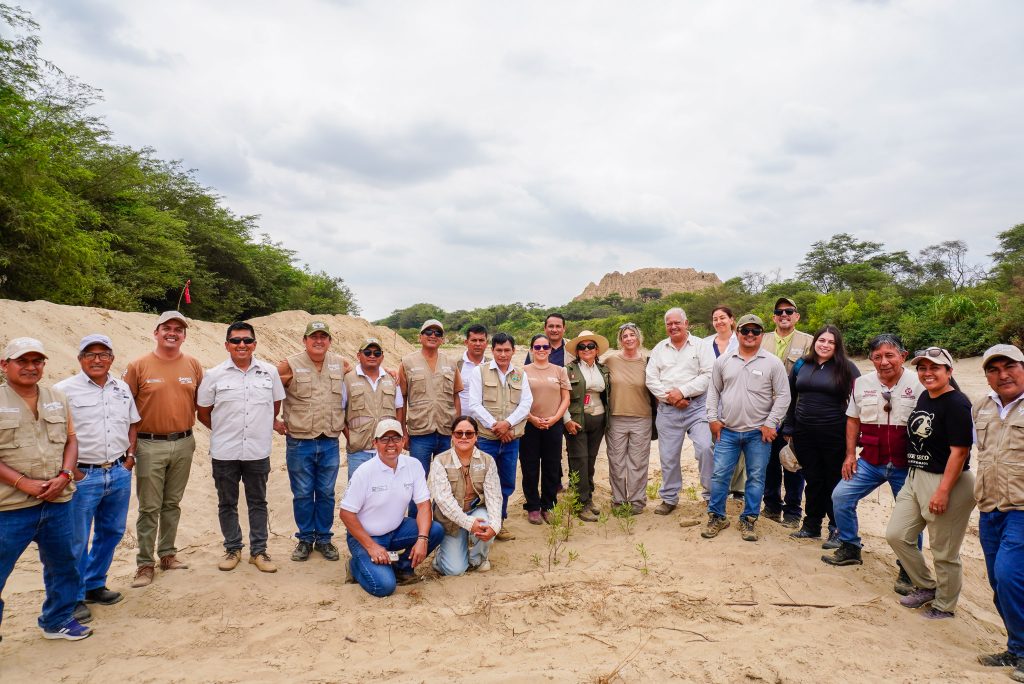
Visit to the Bosque de Pómac Historic Sanctuary, an important dry forest area in Lambayeque.
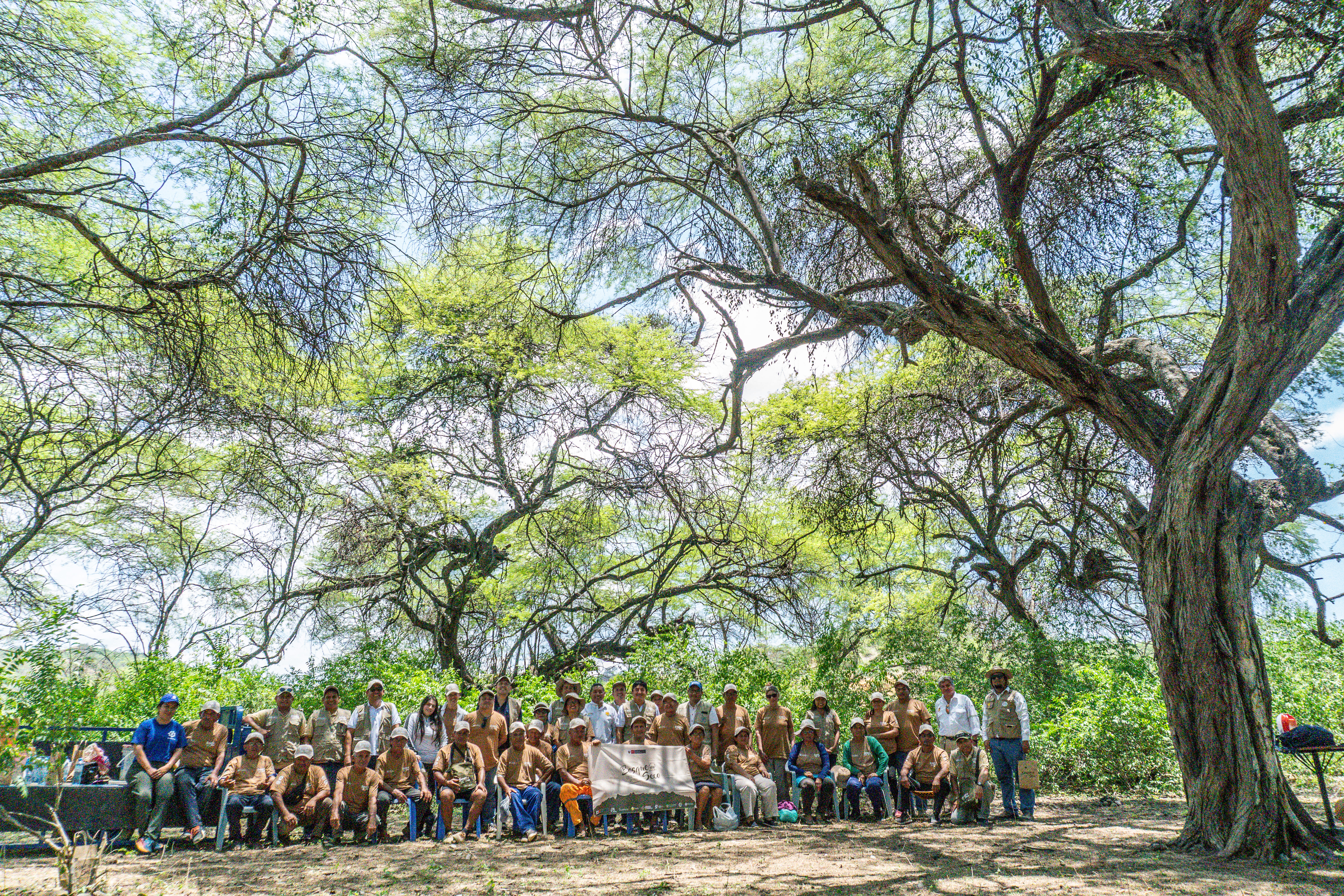
The Second Mission concluded its visit to La Libertad, at the Cañoncillo Private Conservation Area, where members of the Tecapa Agricultural Users’ Cooperative highlighted the support provided by the Dry Forest project through the creation of a Resource Management Plan, two Local Tourism Development Plans in San José and San Pedro de Lloc, and, as a final step, the launch of an ecotourism pilot project.
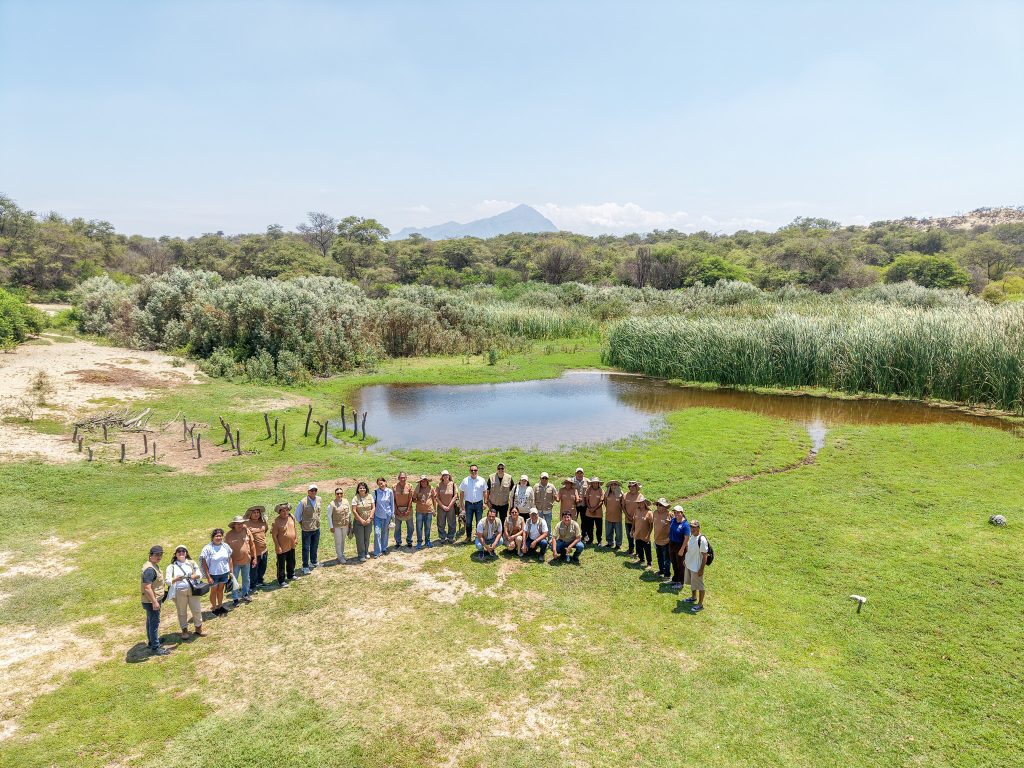
Visit to the El Cañoncillo Private Conservation Area with members of the Tecapa Agricultural Users' Cooperative, La Libertad.
Finally, with the aim of strengthening macroregional governance, several meetings were held with representatives from the regional natural resources management offices in Tumbes, Piura, Lambayeque, and La Libertad. In addition, other strategic partners such as National Forestry and Wildlife Service, National Service for State-Protected Areas, the Piura Regional Directorate of Agriculture, UTP, and SBC; they committed to continuing to provide technical oversight of the project and to strengthening the sustainability of initiatives to protect the dry forest ecosystem.
The Dry Forest Project is an initiative carried out by the Ministry of the Environment, funded by Global Environment Facility (GEF), and is supported by the Ministry of Agricultural Development and Irrigation, Food and Agriculture Organization of the United Nations (FAO), International Union for Conservation of Nature (IUCN) and Profonanpe as an operational partner.