The Peruvian government, through the Ministry of the Environment (MINAM), the National Service of Natural Areas Protected by the State (SERNANP), WWF and Profonanpe, has launched the project “Promoting the conservation of nature and the well-being of people in the Northern Transversal Economic Corridor of Peru”.” (GEF ID 11595), financed by the Global Biodiversity Framework Fund of the Global Environment Facility (GEF).
The initiative will run for six years and seeks to strengthen the management of natural protected areas, promote sustainable bio-businesses led by indigenous peoples and local communities, and contribute to the reduction of over 347 thousand metric tons of CO₂ equivalent.. It will also directly benefit more than 13 thousand people in the intervention area, of which 6,465 are women.
Areas of intervention
The project will intervene in five Natural Protected Areas (NPAs), six Regional Conservation Areas (RCAs) and twelve Private Conservation Areas (PCAs), adding up to more than 590 thousand hectares terrestrial and marine areas. In addition, new conservation areas will be established -one NPA and three RCAs- and Other Effective Area-Based Conservation Measures (OMEC) will be recognized, which will conserve more than 3.8 million additional hectares.
Five strategic components
The intervention includes:
- Strengthen environmental policies and regulations, promoting access to public and private financing.
- Improve participatory management of conservation areas and recognition of OECMs.
- Develop and incubate sustainable bio-businesses, with technical assistance and local capacity building.
- Promote the exchange of knowledge and best practices among local stakeholders, communities and authorities.
- Monitor and evaluate the progress and results of the project.

Active participation of communities
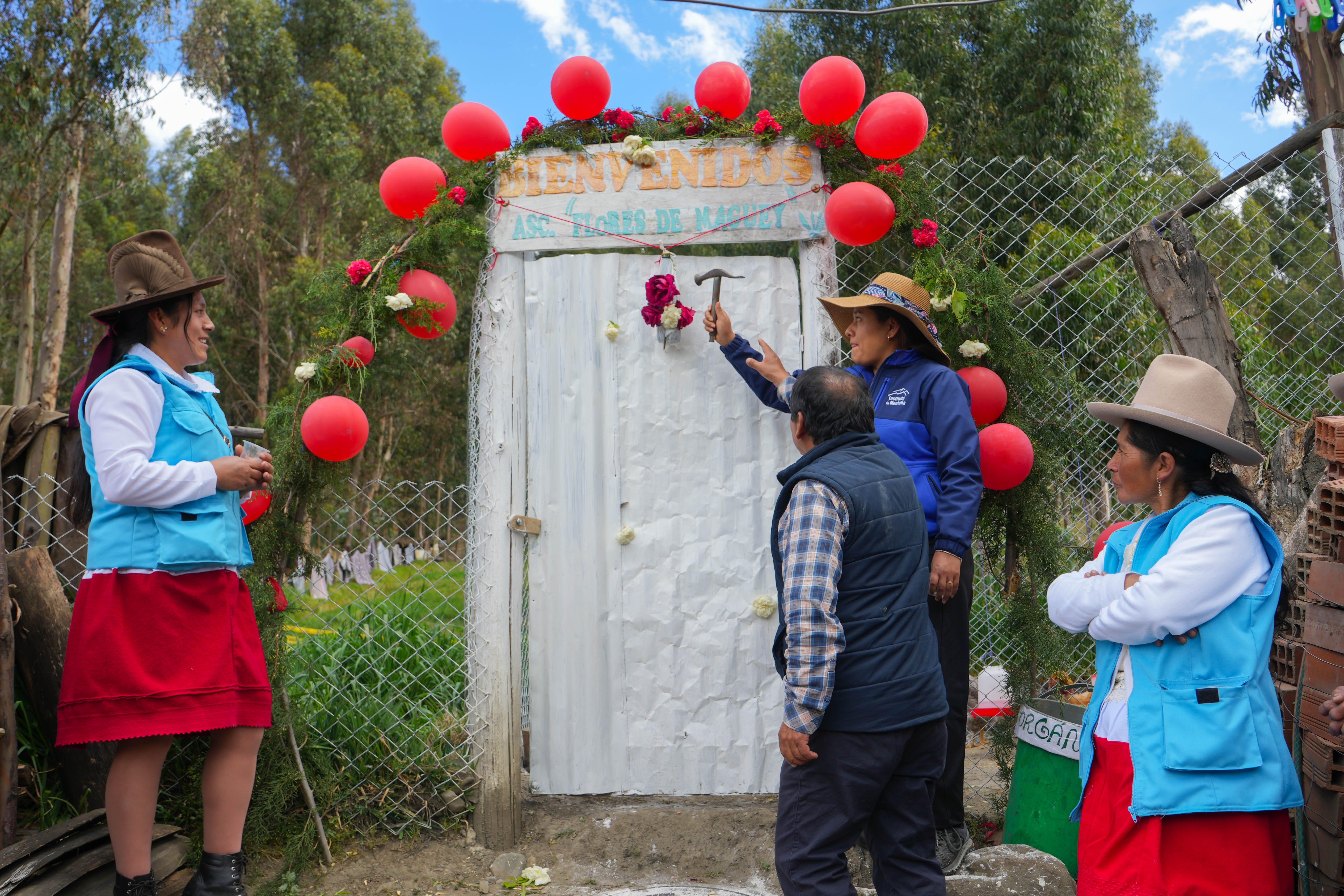
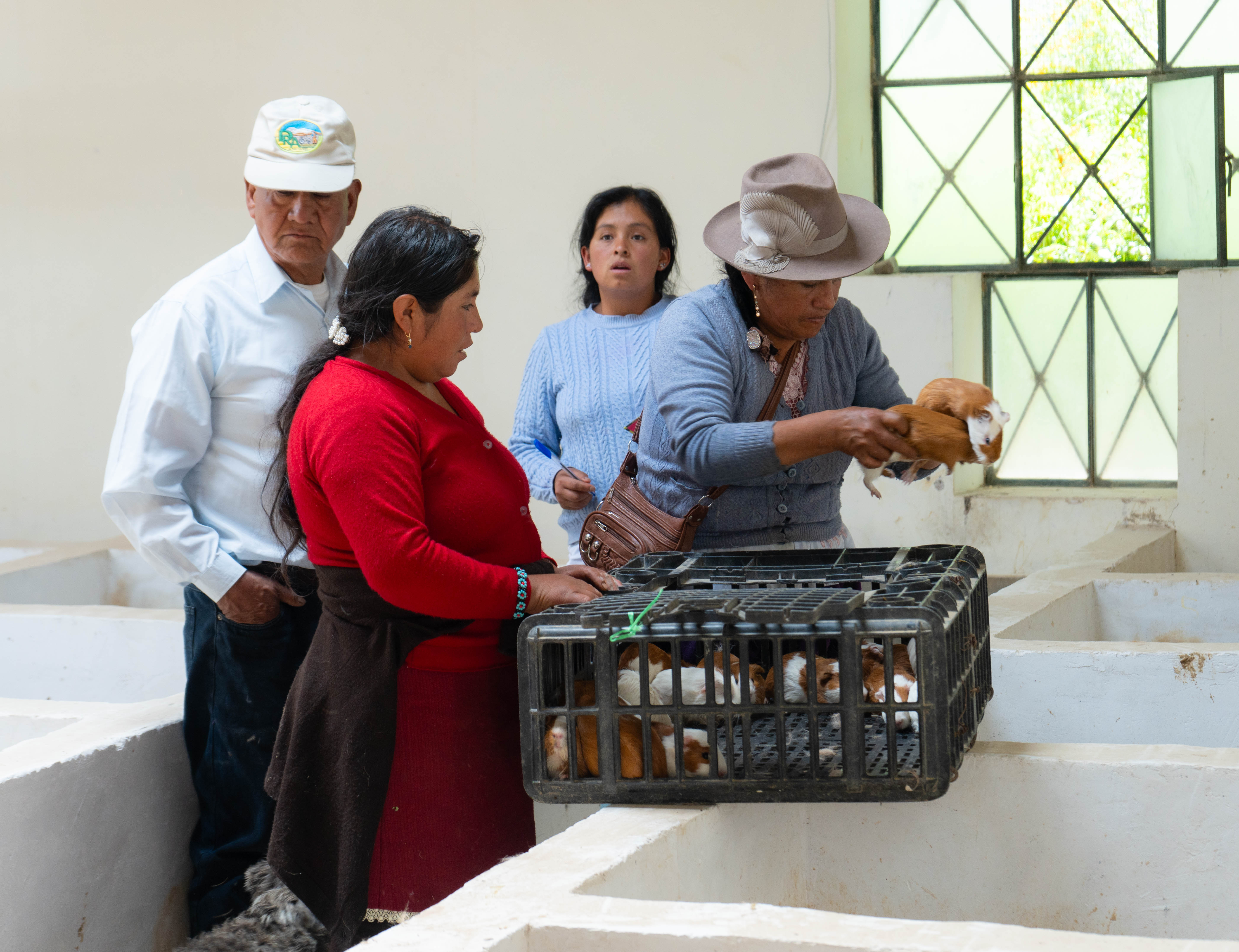
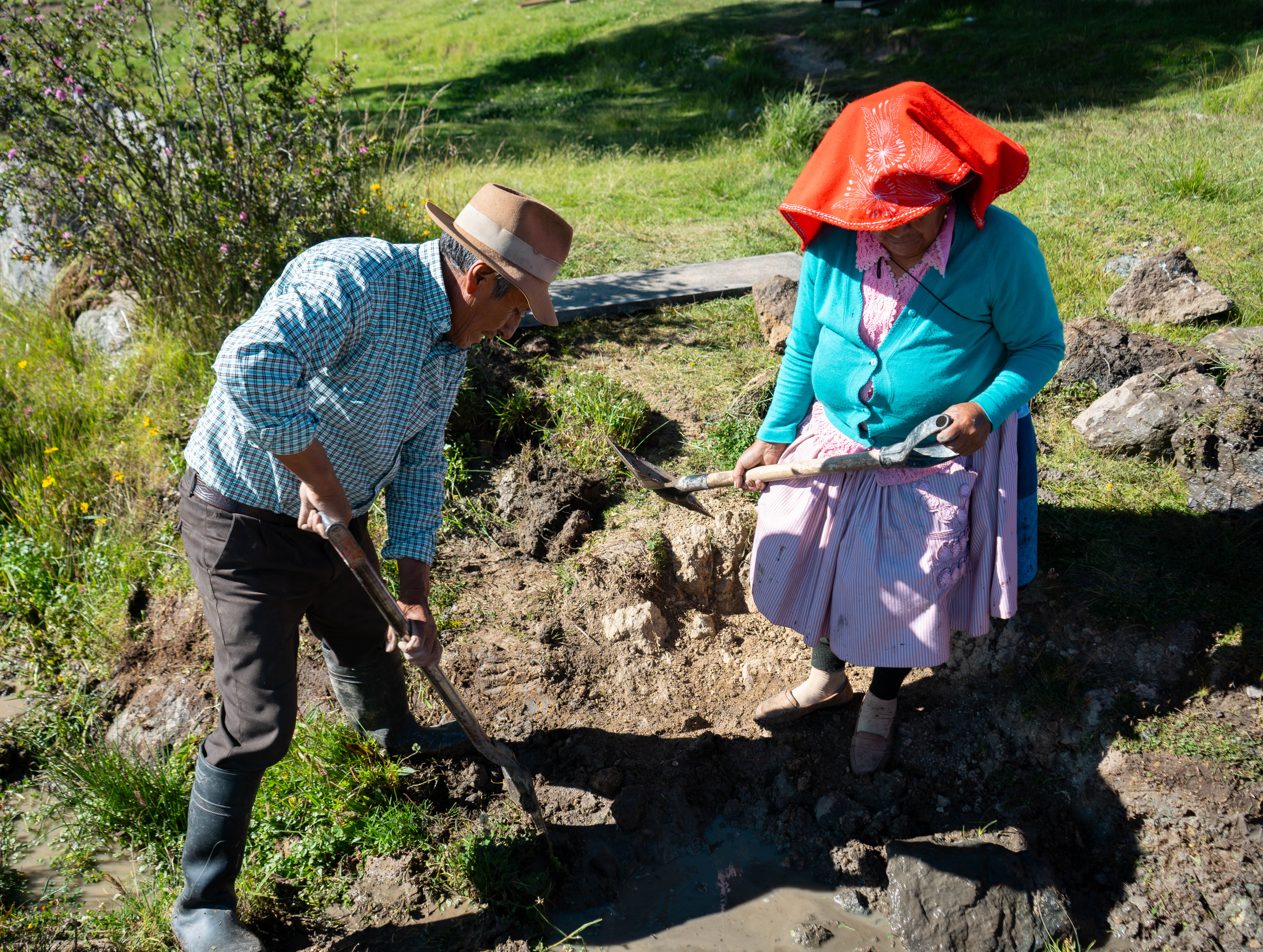
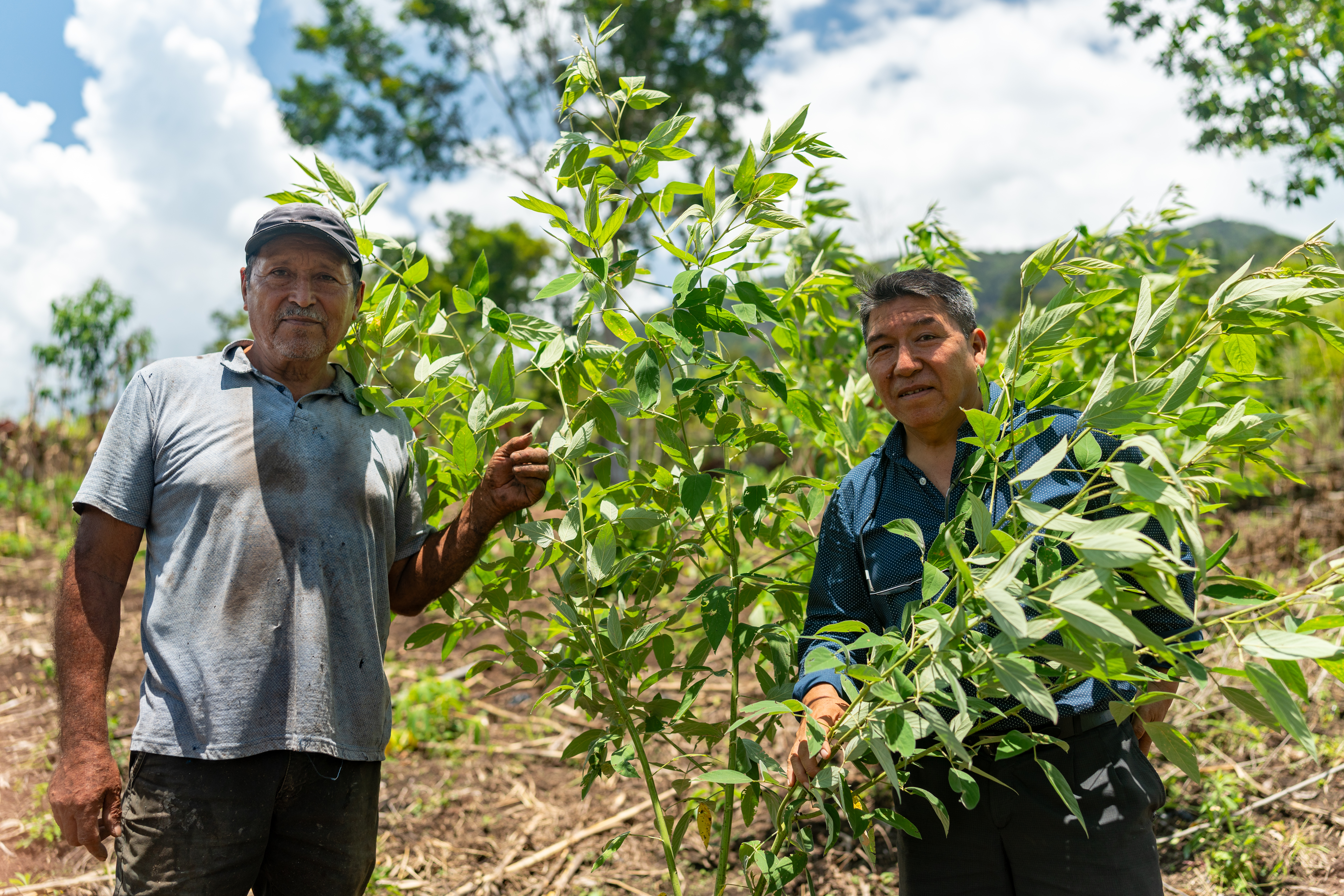
The project recognizes the fundamental role of indigenous peoples and local communities in resource conservation. Their participation is key to achieving more resilient territories and greater economic opportunities through the sustainable management of their territories and the development of bio-businesses.
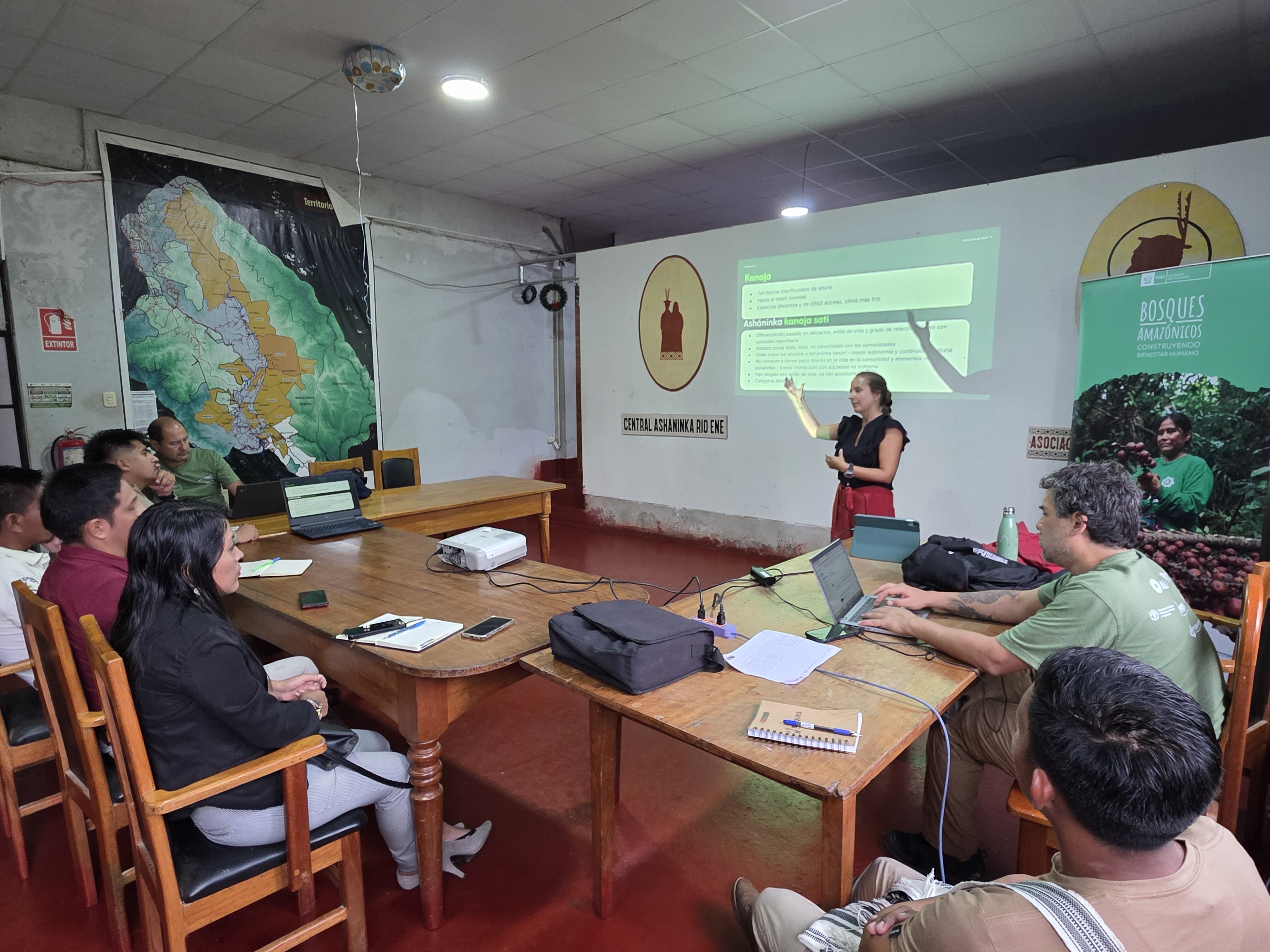
The initiative's formulation and validation process was carried out between 2024 and 2025, with a participatory approach that incorporated a gender, intercultural and intergenerational perspective. To this end, the Environmental and Social Safeguards Framework, the Gender Plan and the Stakeholder Involvement Plan were developed.
This initiative is led by MINAM, financed by the Global Environment Facility's Global Biodiversity Framework Fund (GEF) and executed by WWF as implementing agency, in coordination with SERNANP, and Profonanpe as co-executing partner.
In this regard, the project has an Environmental and Social Safeguards Framework, a Gender Plan and a Stakeholder Involvement Plan. During the project's safeguards disclosure period (45 days), the documents can be reviewed in digital format through this platform, and are also available in physical format at the offices of the heads of the following natural protected areas: Grau Tropical Sea National Reserve, Laquipampa Wildlife Refuge, Tabaconas Namballe National Sanctuary, Chayu Nain Communal Reserve, Cordillera de Colan National Sanctuary and Rio Nieva Reserved Zone. You can see the documents in the following links:
- Stakeholder Engagement Plan
- Environmental and Social Management Framework Procedural Framework & Planning Framework for Indigenous Peoples
- Gender Action Plan
Contributions can be channeled to the e-mail address: salvaguardasgbff@wwfperu.org , and through these headquarters.