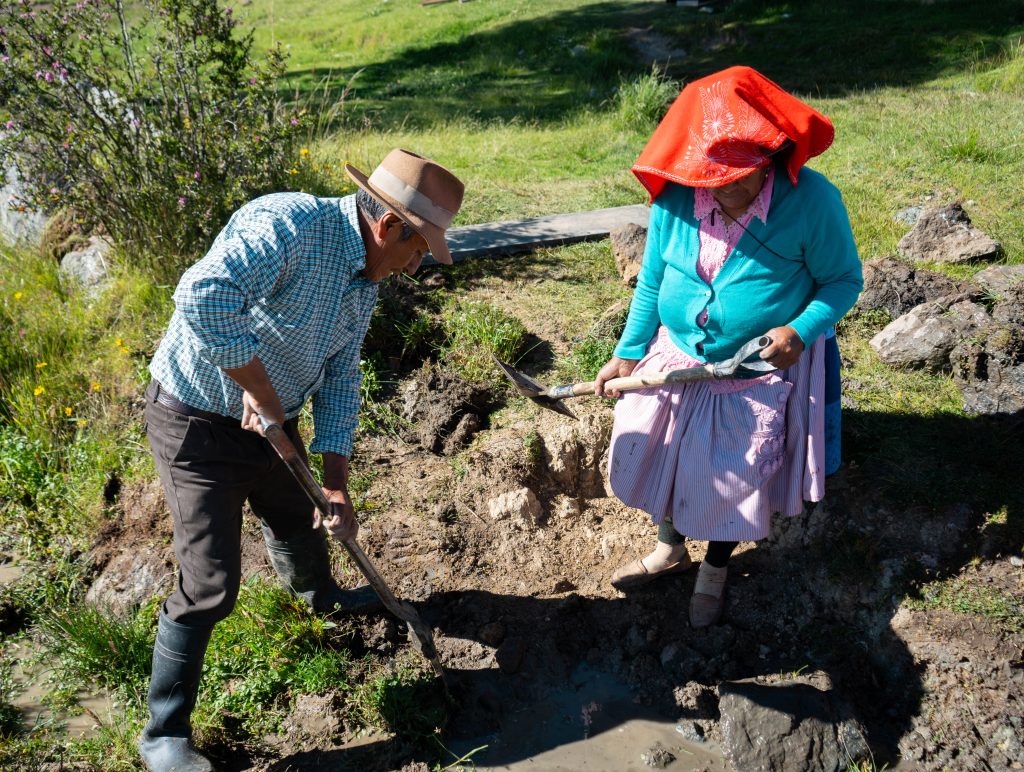
With the goal of improving the availability of water for irrigation and strengthening rural families’ ability to adapt to climate change, the Santa Cruz Users’ Committee, in the district of Huaraz, is organizing community workdays to build water collection systems and improve the canal that supplies water to Lake Willcacocha.
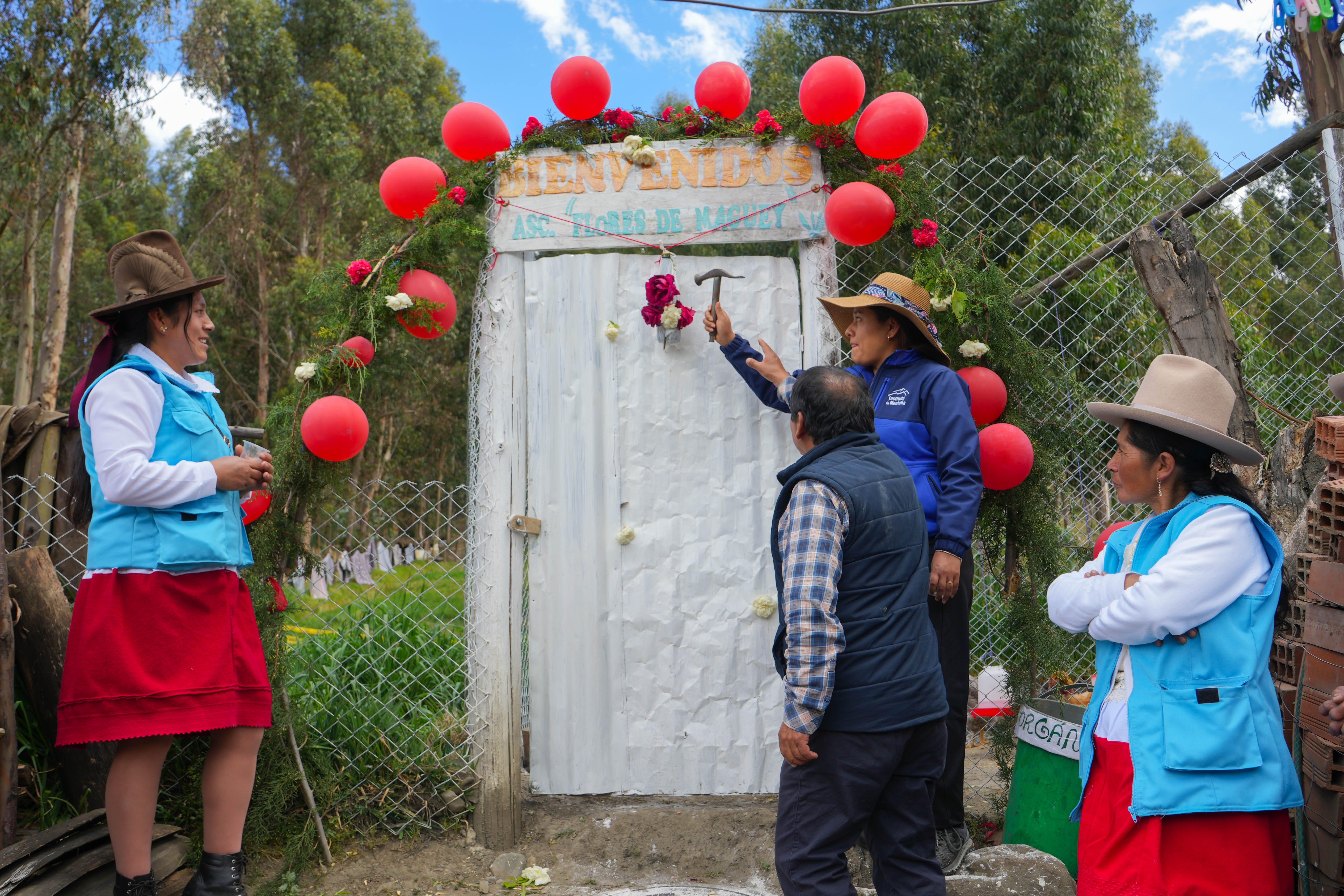
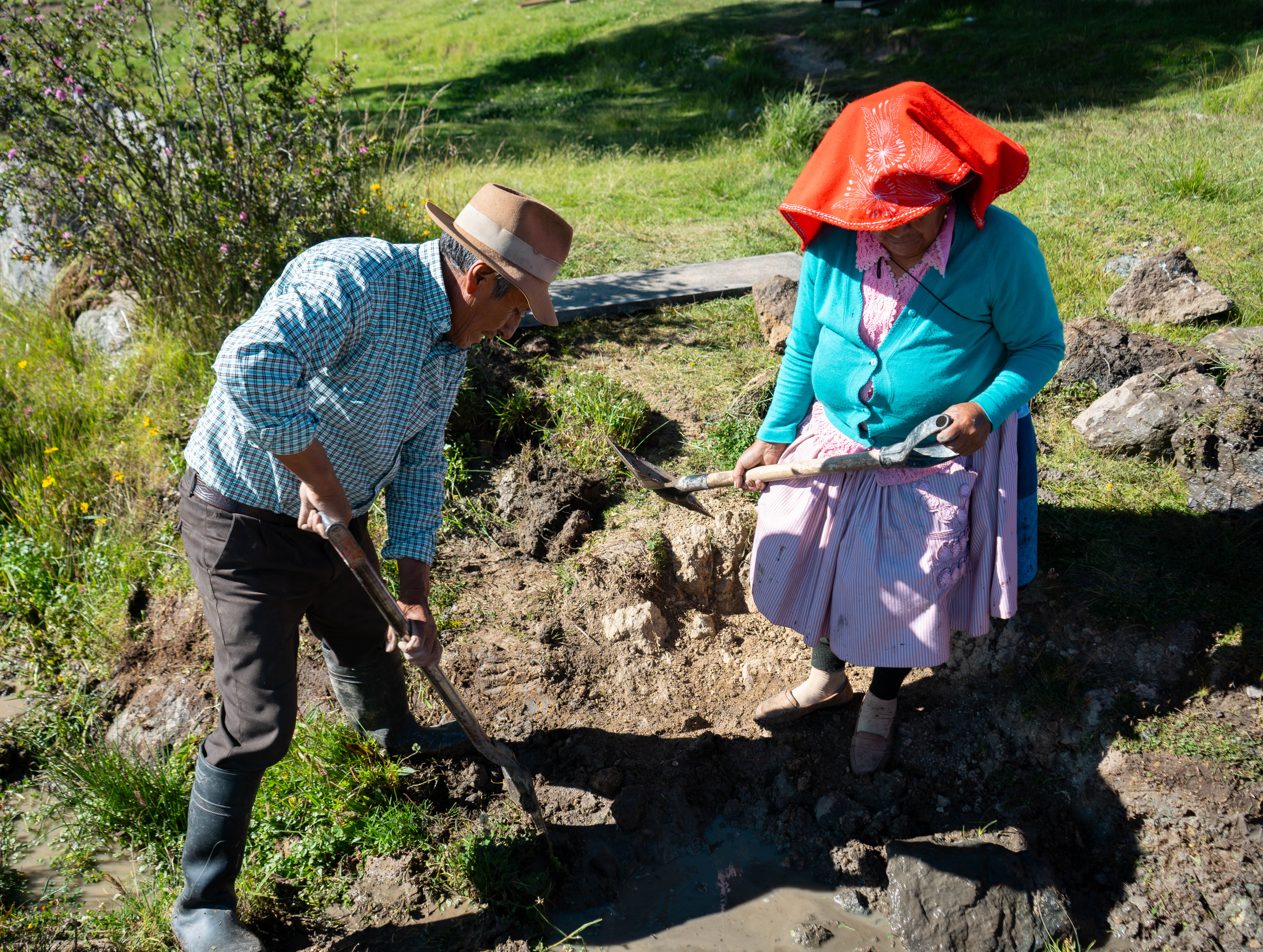
The work is carried out through community workdays in which men and women from the community actively participate, reviving a tradition of collective labor passed down from generation to generation. During these workdays, families collaborate on transporting materials, preparing mixtures, and carrying out various construction activities, reaffirming their commitment to the sustainable management of water resources.
These actions are part of the project “Improvements to the water intake and waterproofing of the earthen canal that supplies water to Willcacocha Lagoon, in the town of Santa Cruz, Huaraz – Áncash”, an initiative aimed at optimizing water distribution and reducing water loss due to seepage in the existing system.
The project involves the construction of an intake structure and a sand trap, as well as the lining of approximately 200 meters of canal. These improvements will increase the efficiency of water transport to Lake Willcacocha, a high-Andean ecosystem that plays a key role in the natural storage and regulation of water. They will also help ensure the water supply for the modernized irrigation system that benefits the families who are members of the committee.
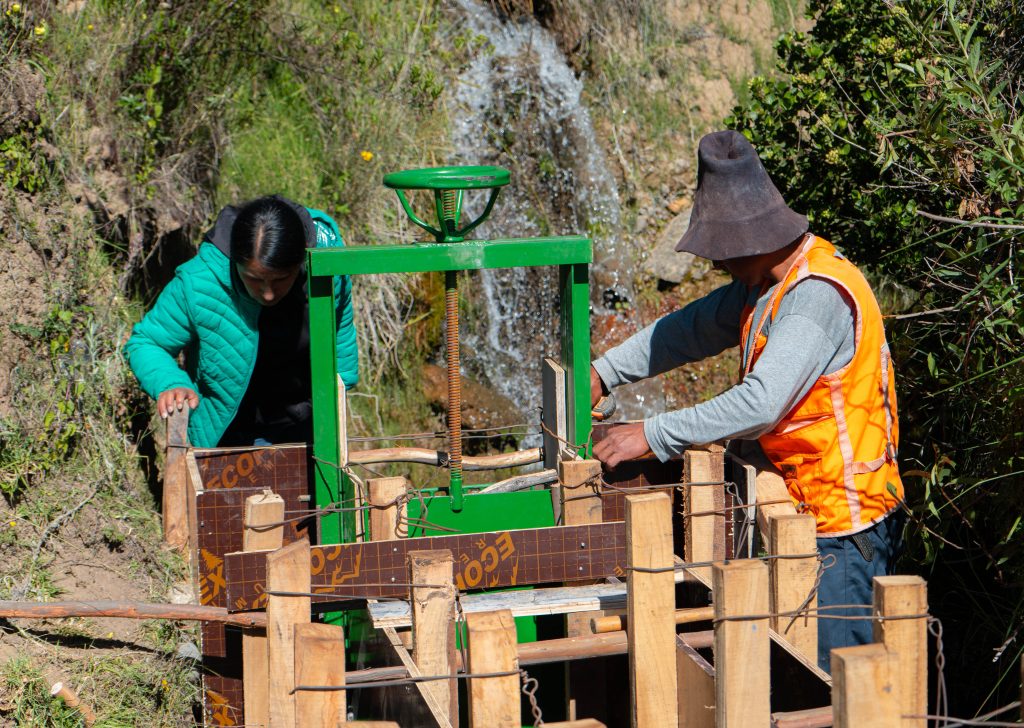
Supervision of water infrastructure construction work in the Shullup Creek. Photo: Instituto de la Montaña.
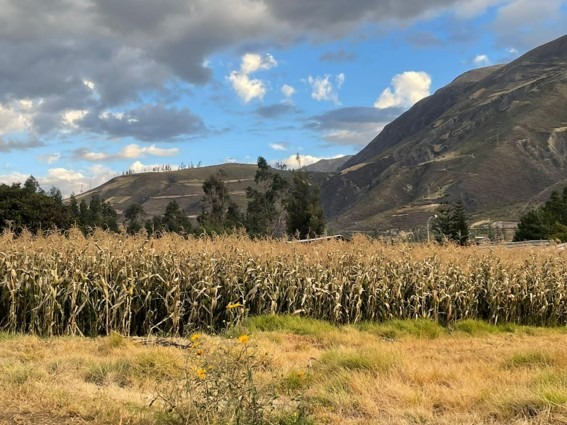
Improving this infrastructure is a concrete adaptation measure to address the effects of climate change in the Cordillera Negra, where variability in precipitation and increasing pressure on water resources pose challenges for agricultural and livestock activities.
In addition to the technical benefits, community workdays strengthen local organizations and highlight traditional practices of cooperation and solidarity. Through their collaborative efforts, women and men contribute to water conservation and to strengthening the livelihoods that support agricultural production and their families’ food security.
The project Living Basins is implemented by Profonanpe, with financing from the Adaptation Fund, and led by Montaña Institute in the Santa river basin, in the Ancash region. Its objective is to strengthen the resilience of communities and ecosystems in the face of climate change, contributing to national adaptation goals.