Implementation of Field School
©ProPurús
Community protection of Amazonian forests
Native communities of Sawawo Hito 40 and Nueva Bella, in the district of Yurua, Ucayali, have implemented Field Schools to strengthen their capacities in land management and environmental conservation. This initiative seeks to consolidate the protection of 25,649 hectares of Amazonian forests that are home to endangered birds, both endemic and migratory, and other key ecosystems such as high terrace forests, aguajales and stream banks, which are essential for ecological connectivity and hydrological balance.
The development of these Field Schools is part of a comprehensive effort that includes the proposed creation of the Private Conservation Area (PCA) Nueva Bella - Sawawo Hito 40. The biological background of the area confirms its high biodiversity, which reinforces the urgency of conserving it.
Local empowerment for conservation
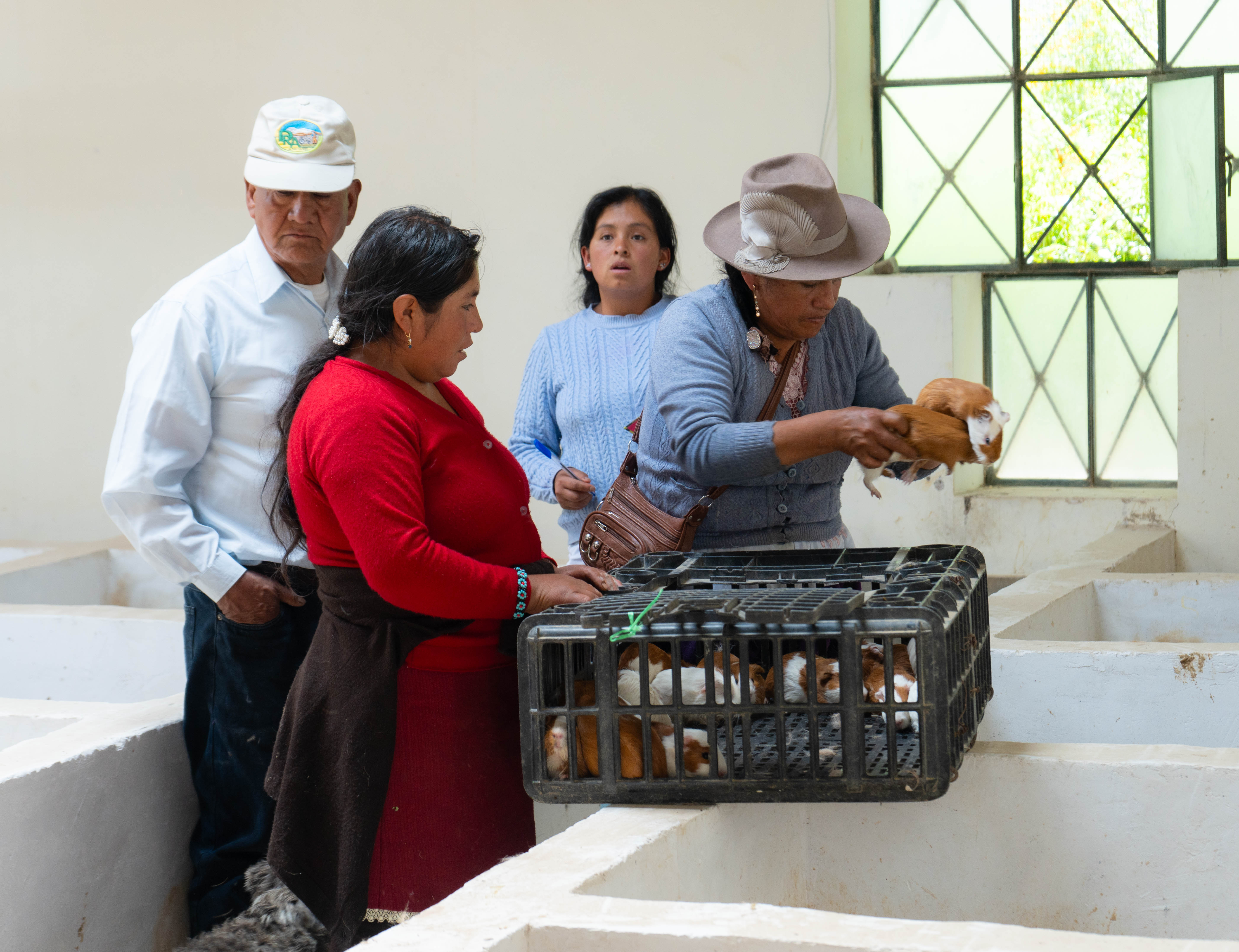
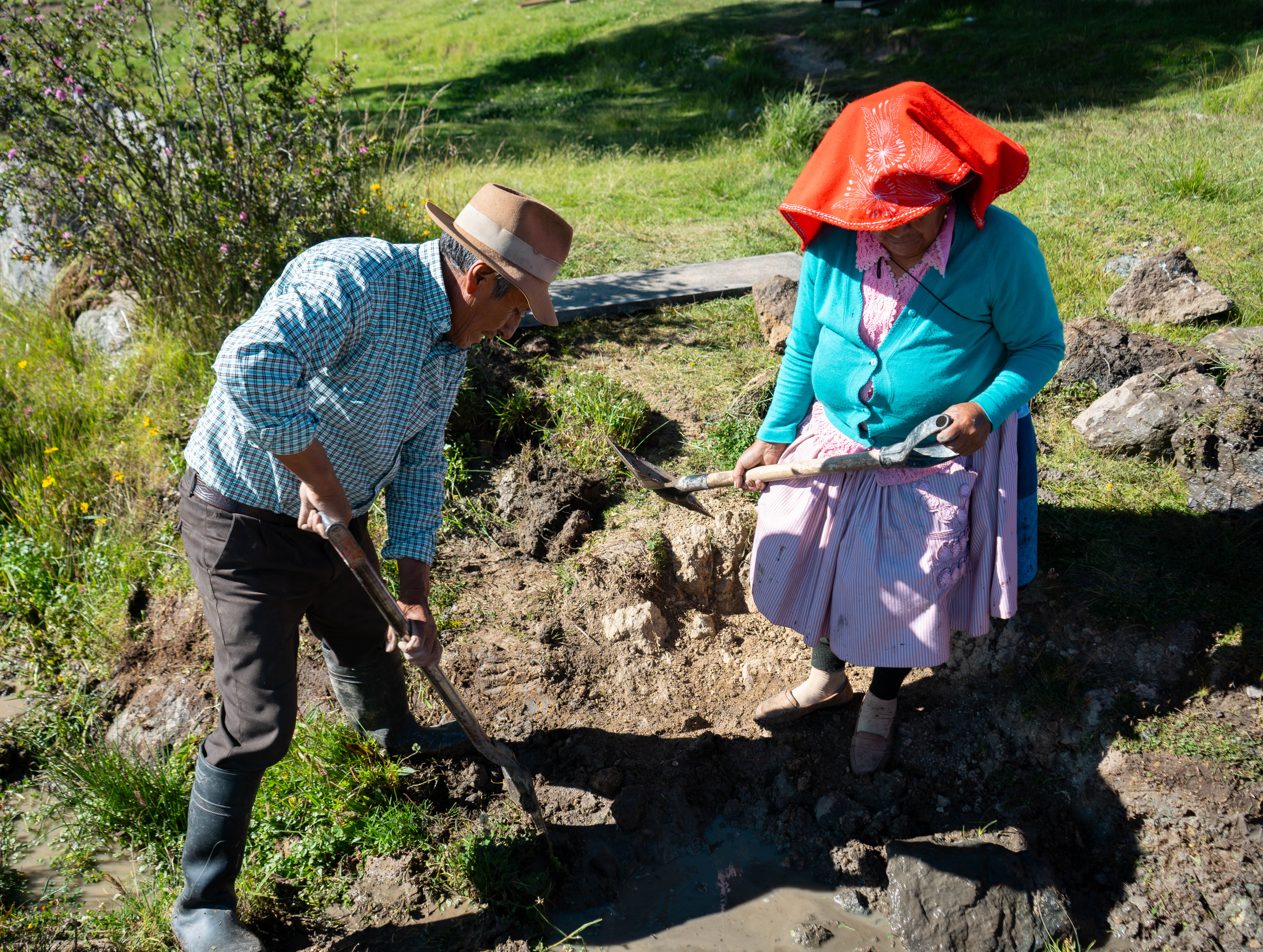
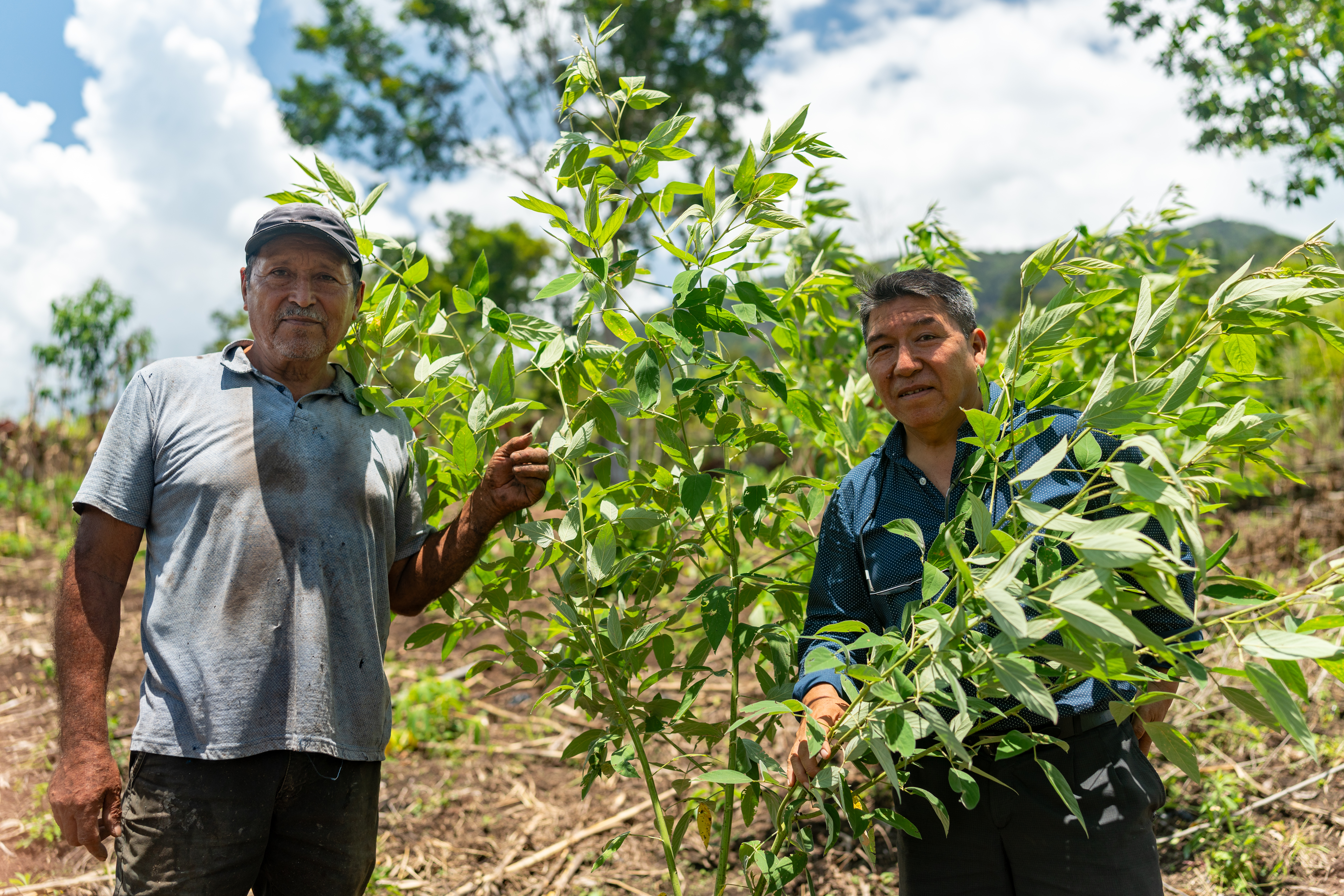
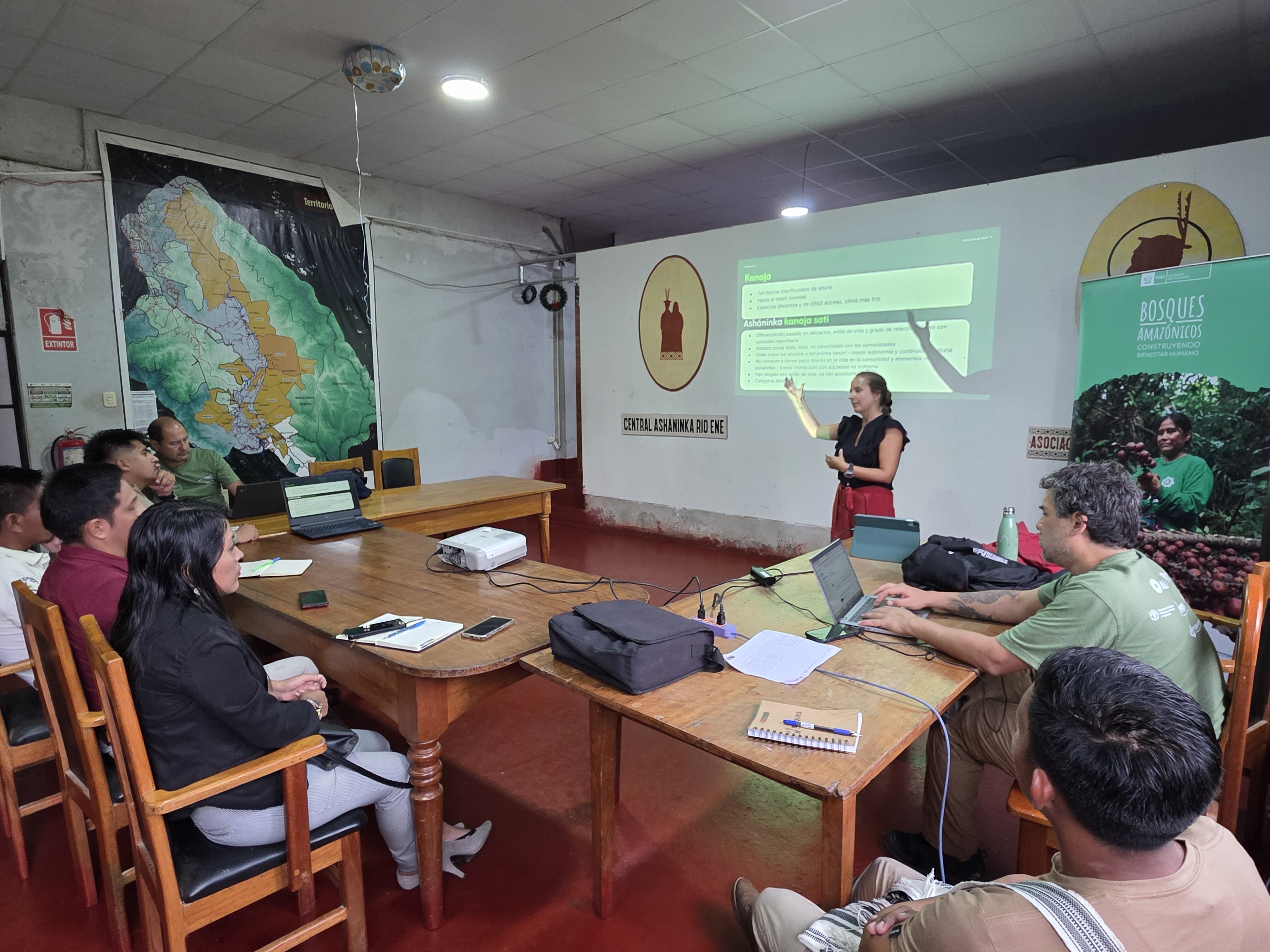
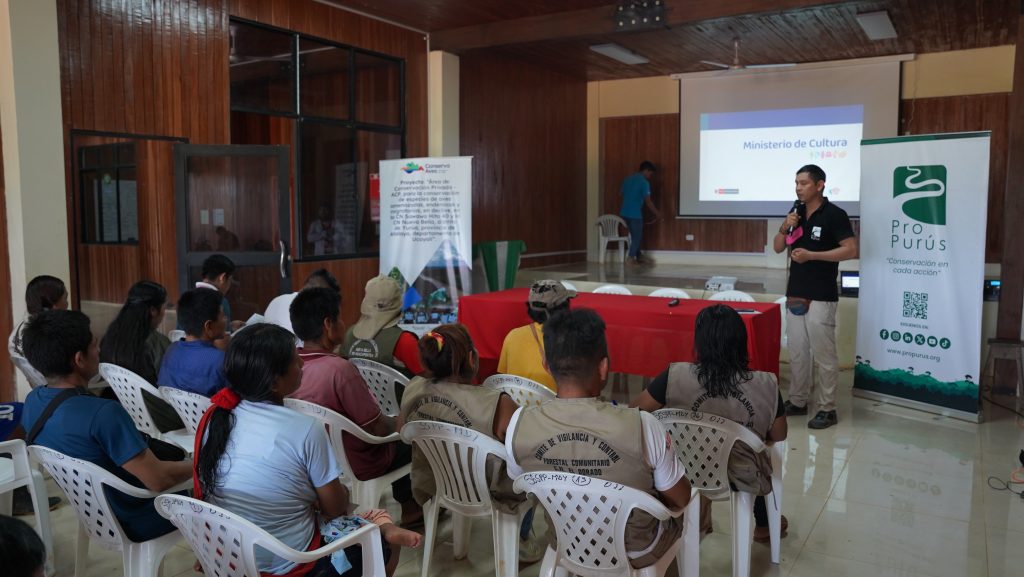
Field Schools provide communities with practical tools in territorial governance, community oversight and sustainable resource management. Through workshops, community members learn about environmental regulations, GPS monitoring and strategies for dealing with threats such as illegal logging and poaching. Community patrol plans and the use of digital maps improve organized response to illegal activities. Sessions combine theory with field practice, ensuring direct application of knowledge.

Community member receiving training on responsible practices
©ProPurús
According to the Ministry of the Environment (MINAM), only In 2020, Peru lost more than 200,000 hectares of Amazonian forest, Ucayali being one of the most affected regions. In this context, the proposal to create a Private Conservation Area (PCA), promoted within the framework of the Conserva Aves Initiative and implemented by ProPurús, has become an effective tool for protecting the ecosystem and strengthening community governance.
Vision for the future with an intercultural approach

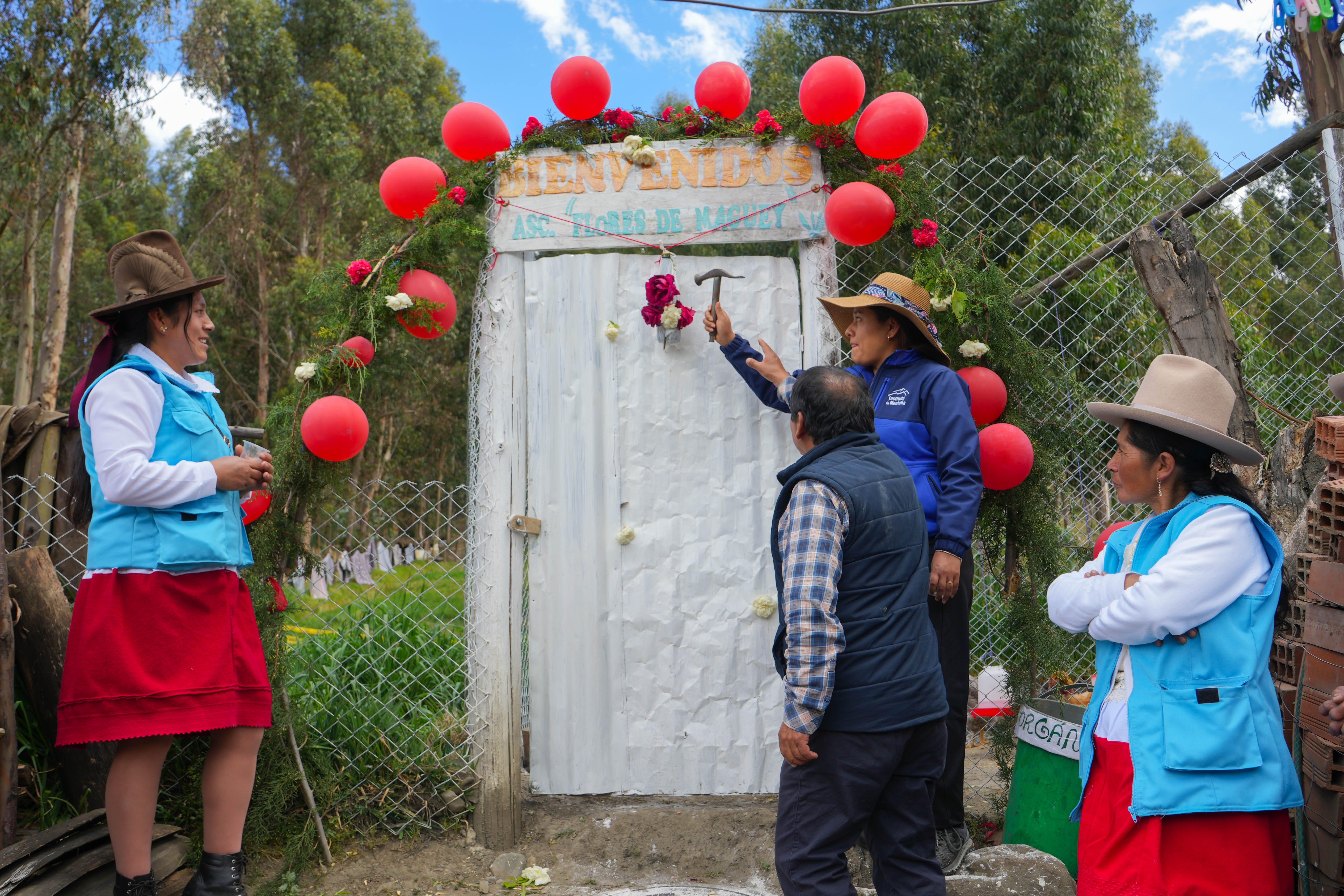
Signing of commitments for the future of the community
©ProPurús
With the support of the The Conserva Aves Initiative promotes a territorial management model led by the communities themselves, that articulates biodiversity conservation, capacity building, environmental education and participatory planning. All this with an intercultural approach that values traditional knowledge and guarantees concrete benefits for communities and wildlife.
In addition, a community monitoring program will be implemented to record biodiversity and threats, as well as awareness campaigns to involve more members of the community in the protection of their territory.
“With the Field Schools, we now know how to take care of our territory with our own tools,” says Juan Perez, Sawawo Hito 40 community member.
is led by the American Bird Conservancy (ABC), National Audubon Society (Audubon), Bird Life International, Birds Canada and the Latin American and Caribbean Network of Environmental Funds (RedLAC). The national partners are Profonananpe and ECOAN, leaders of implementation in Peru, with funding from the Bezos Earth Fund.
Join us
Darvin Aguilar
Communicator
aguilar@propurus.org | 931394074