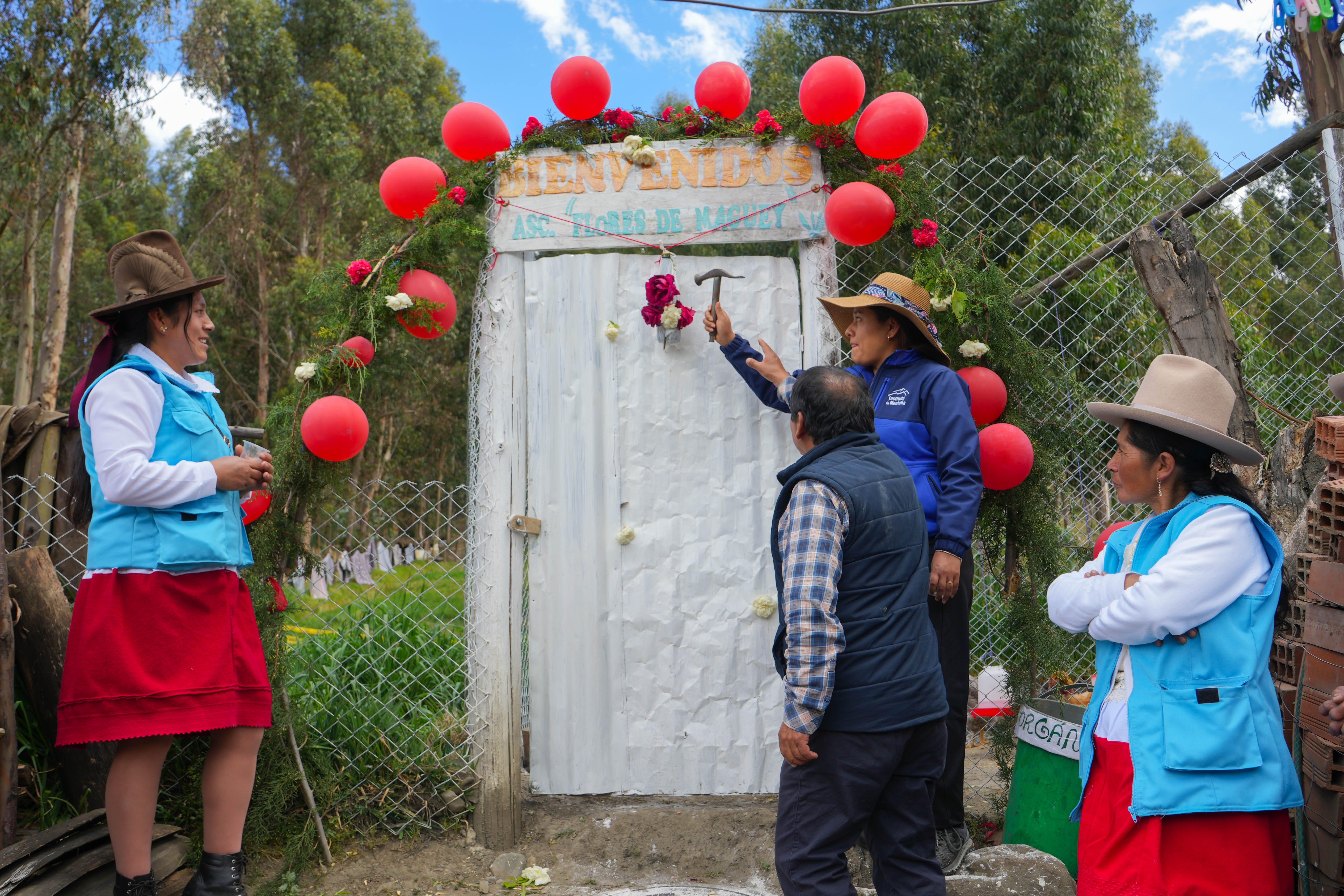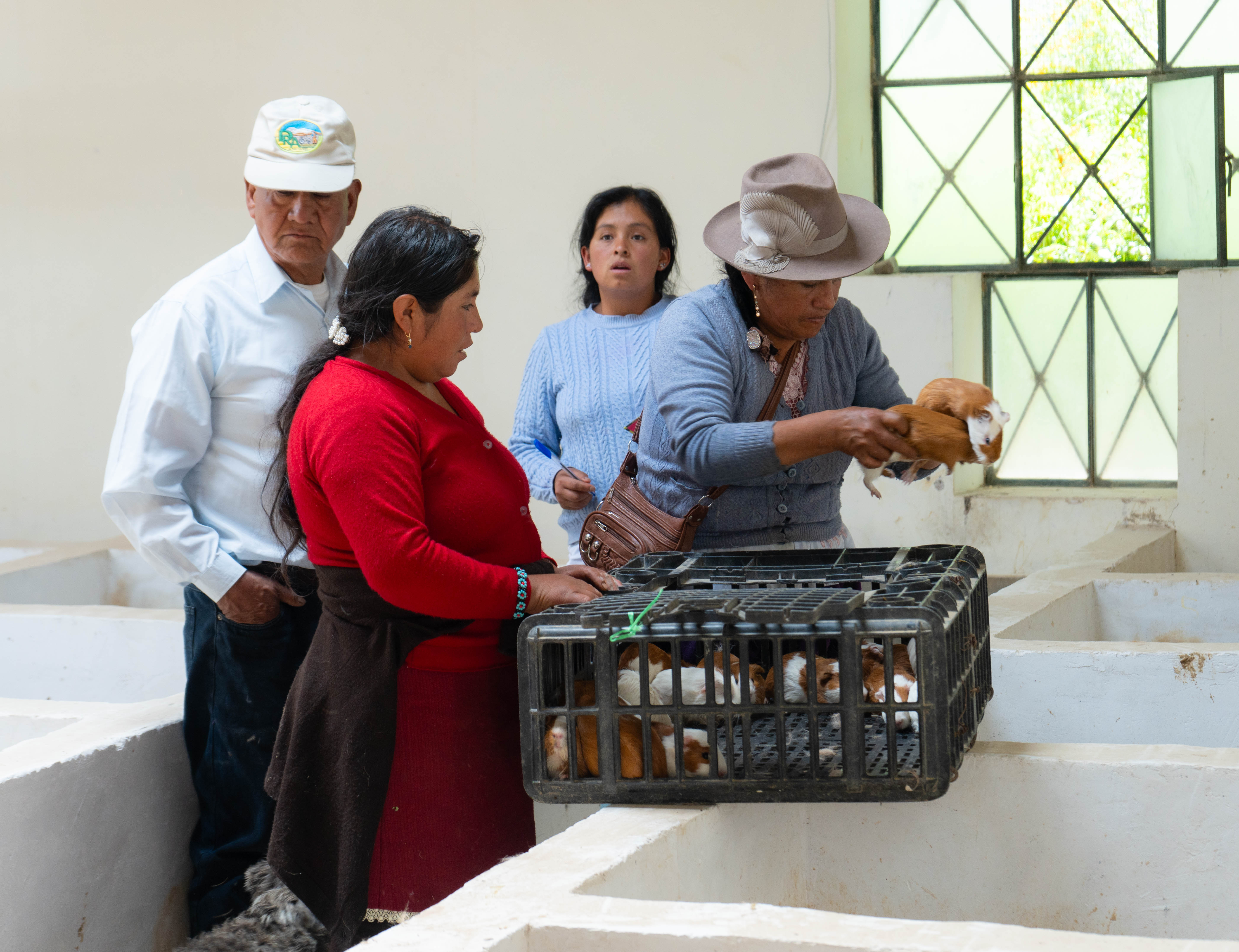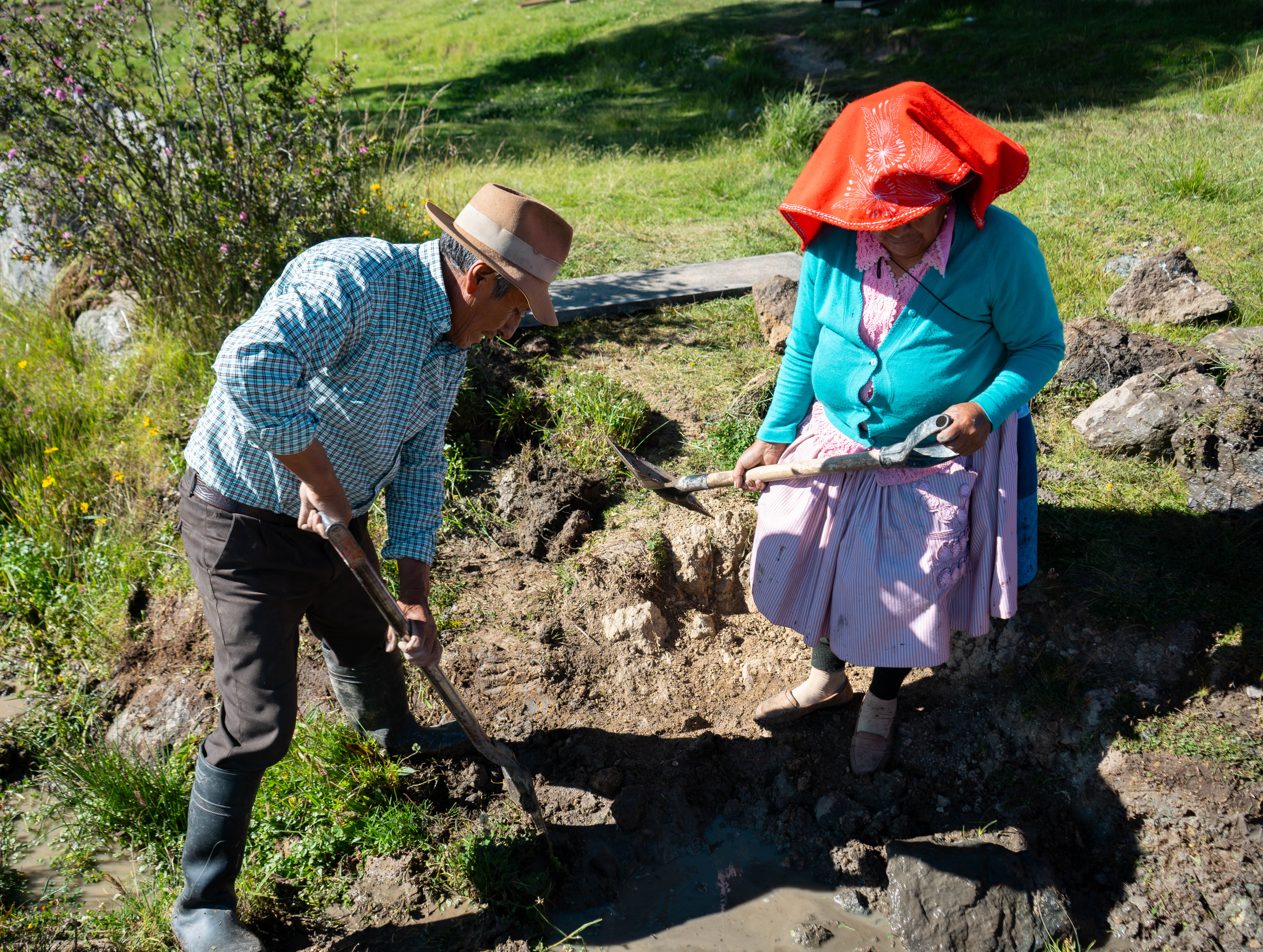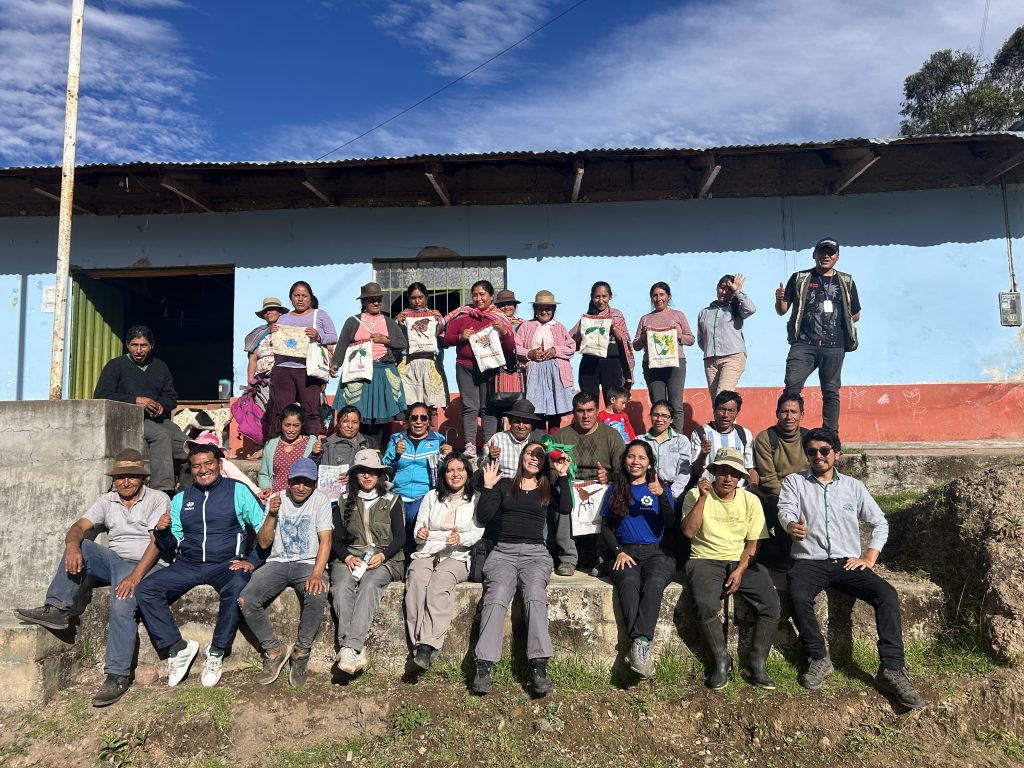
Members of the community of Huata together with the technical team fromhe Huata ACP project
Photography: Jonathan Chancasana
During the most recent monitoring visit to the ACP Huata project, led by the Andinus association and supported by the Conserve Birds Initiative, the sustained progress of this community located in the Cordillera Central of Peru was noted. The integration of practices such as embroidery, environmental education and the management of the community nursery reinforce local commitment and project a vision of sustainable development in harmony with biodiversity.
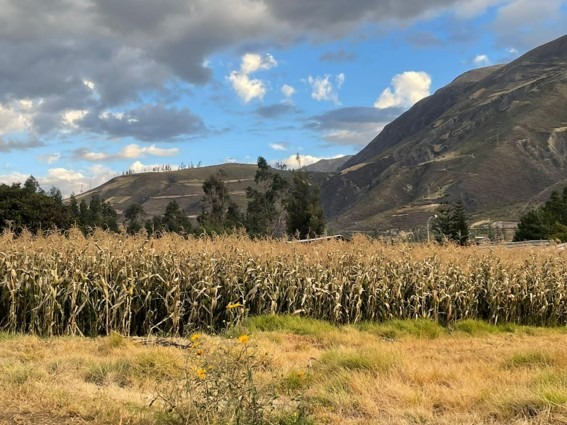
Road to the Huata ACP
Currently, two biological surveys have been carried out, which have recorded 109 bird species and five types of vegetation. One of the most important findings has been the presence of the black-eyed bushman (Atlapetes melanopsis), a bird endemic to the central Peruvian Andes, classified as «endangered» in the Peruvian Red Book.
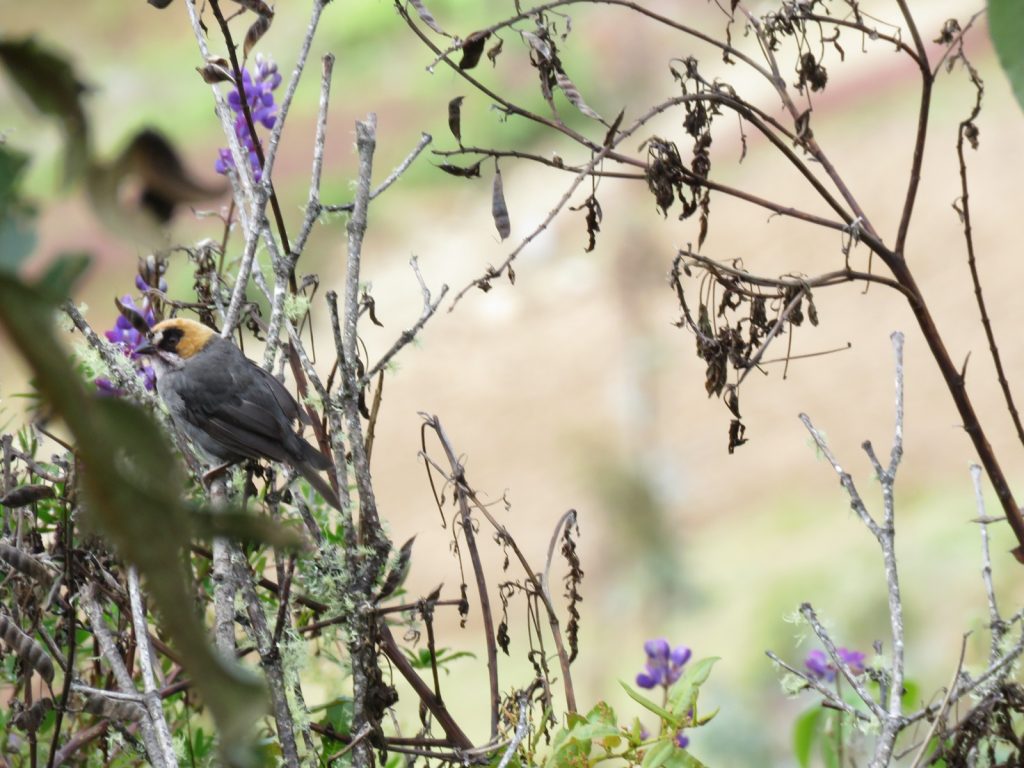
Black-eyed bushman (Atlapetes melanopsis)
Photography: Erick Barzola
In addition to the biological component, administrative advances have been made, such as the commitment of Huata families to participate in the project, a key step towards the formalization of the ACP. The coordinated work with local stakeholders has strengthened community governance and paved the way for the sustainability of the conserved area.
Strengthening community commitment
The integration and commitment of the community are key points for the creation of the ACP and its sustainability over time. Thanks to the implementation of productive and participatory activities such as embroidery and environmental education workshops and the creation of a community nursery, the first advances have been made, with women playing a special role in each step of the process.
Through five sessions, the embroidery workshops have linked art, culture and biodiversity. Women and girls from the community embroidered native species, such as endemic birds, promoting creativity and environmental awareness. This activity not only rescues traditional techniques, but also seeks to open new sustainable economic opportunities, strengthening women's leadership and their role as guardians of the territory.
Environmental education has also been a space where women have played a central role. With the support of pre-school and elementary school teachers, seven workshops were held in local educational institutions. Boys and girls participated in activities such as drawing ecosystems and recognizing local species, positioning themselves as the new environmental promoters of the community. Inspired by this experience, the teachers have committed to continue integrating conservation into their educational practices.
Likewise, the installation of the communal and experimental nursery is a fundamental pillar in the conservation and improvement of the quality of life of the communities. Through collective work and with technical support, a nursery has been established in the community of Huata and an experimental nursery in the city of Huancayo. These spaces allow the production and extension of forest resources for habitat restoration.
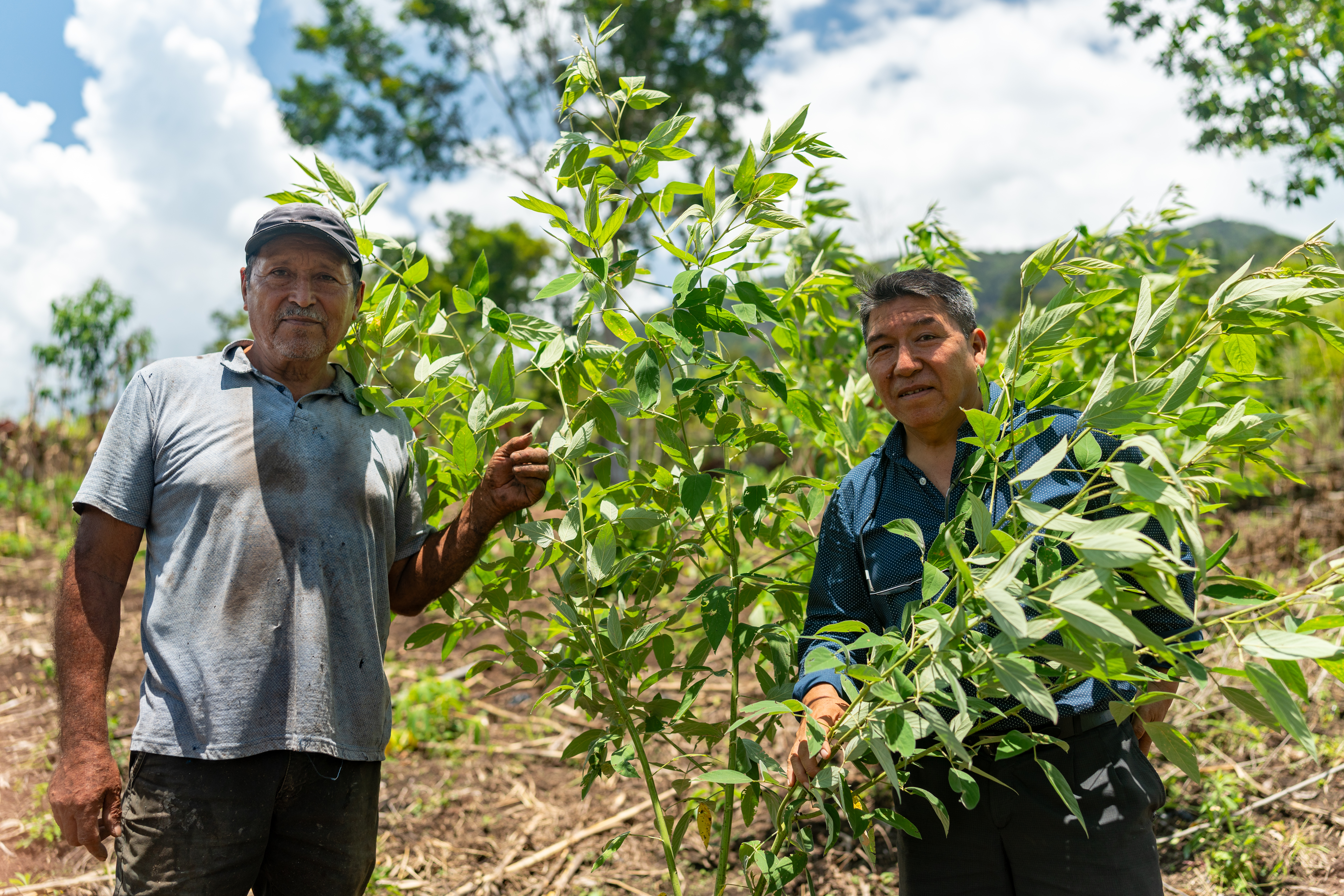
The villagers, both men and women, actively participate in seed collection, planting and care of the local flora. Thanks to the organized work, as of April, 890 avocado, 50 cherimoya and 50 black walnut seeds have been planted. Meanwhile, in the Huancayo city nursery, the first shoots of Andean elder (sambucus peruviana), chachacomo (escallonia resinosa) and mortiño (gaultheria bracteata), native Andean species that protect the soil, favor water infiltration and provide food and shelter for birds, insects and other pollinators.
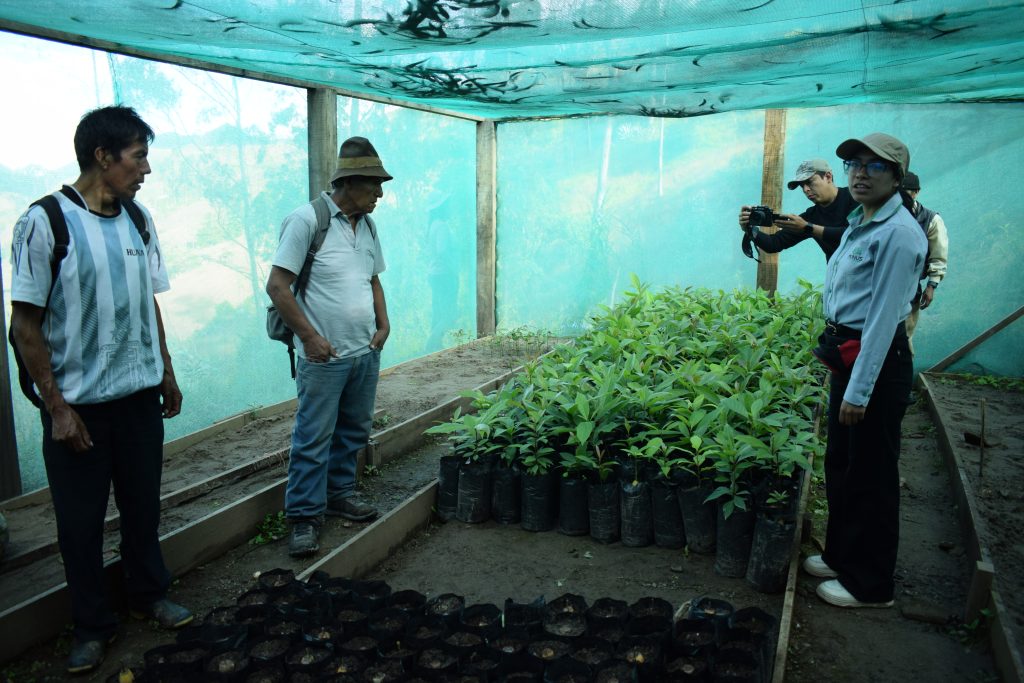
Huata community nursery - July 2025
Photography: Rosa Gordillo Salazar
Vision towards a sustainable future
These advances open the way to new key stages on the road to the creation of the future Private Conservation Area (PCA) in Huata. As progress was made, work was done on defining its location and delimiting its borders, a process that is carried out in a participatory manner with the community. Using the “talking map” methodology, the community members identified the uses of the territory, which allows the zoning of the area to be conserved to be established.
As part of this process, a community assembly was held to approve the area for conservation, defining its location, size in hectares, and the duration of the commitment. The community is also waiting for additional documents in order to formally continue with the legal process of recognizing the area.
At the same time, biological and socioeconomic monitoring will continue, as well as the implementation of participatory methodologies with adults, replicating the success of the educational activities carried out with children. Another goal is the design of a financial plan to ensure the long-term sustainability of the area. In addition to the planting of more than 100 native plants and the strengthening of community ties.
Huata's experience demonstrates that conservation is most effective when it is born from the territory. The commitment of its people, expressed in every activity and task, reaffirms that protecting nature can also be a path to well-being, local pride and sustainable development.
Join us
Fressia Ames Martinez
ANDINUS President and researcher