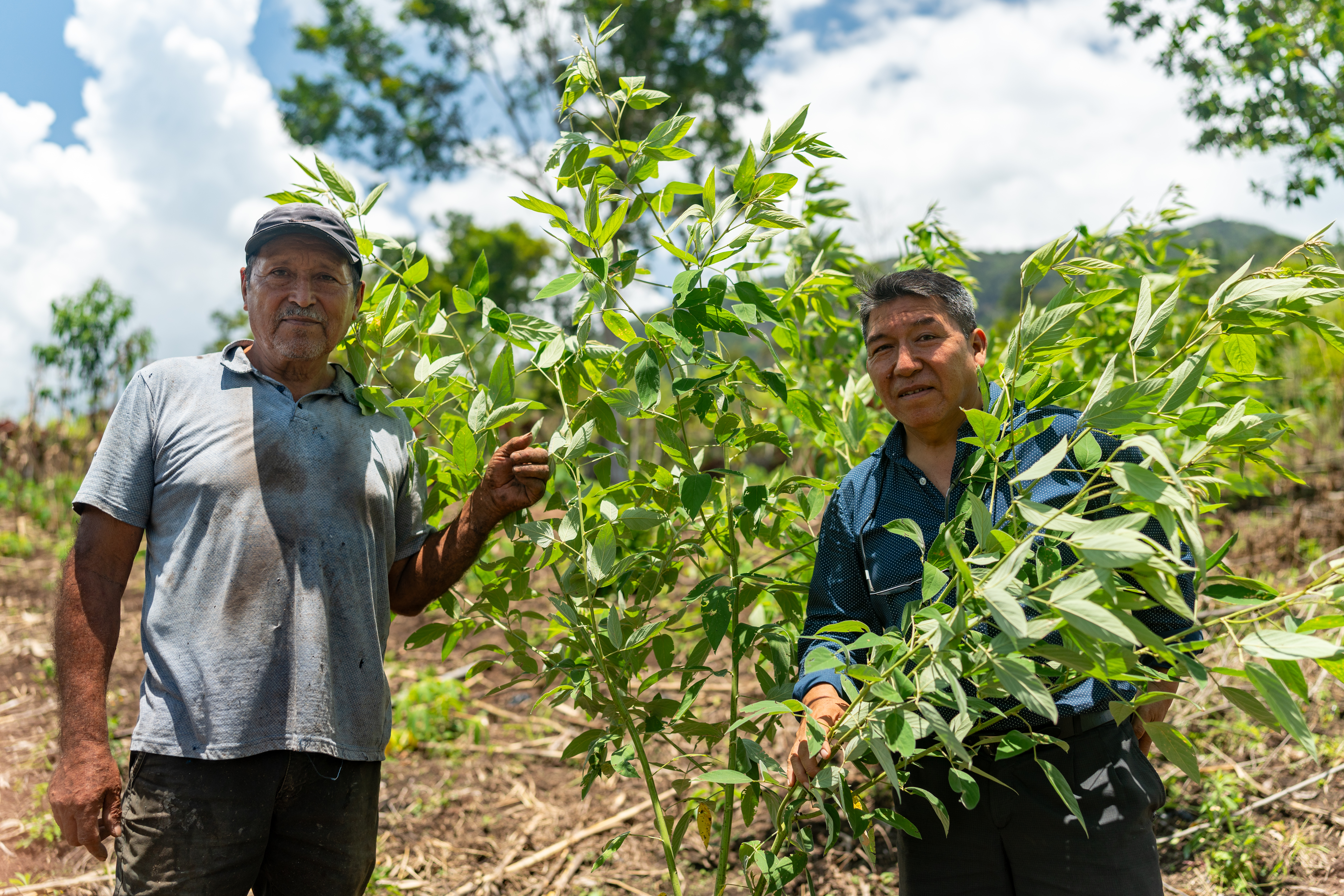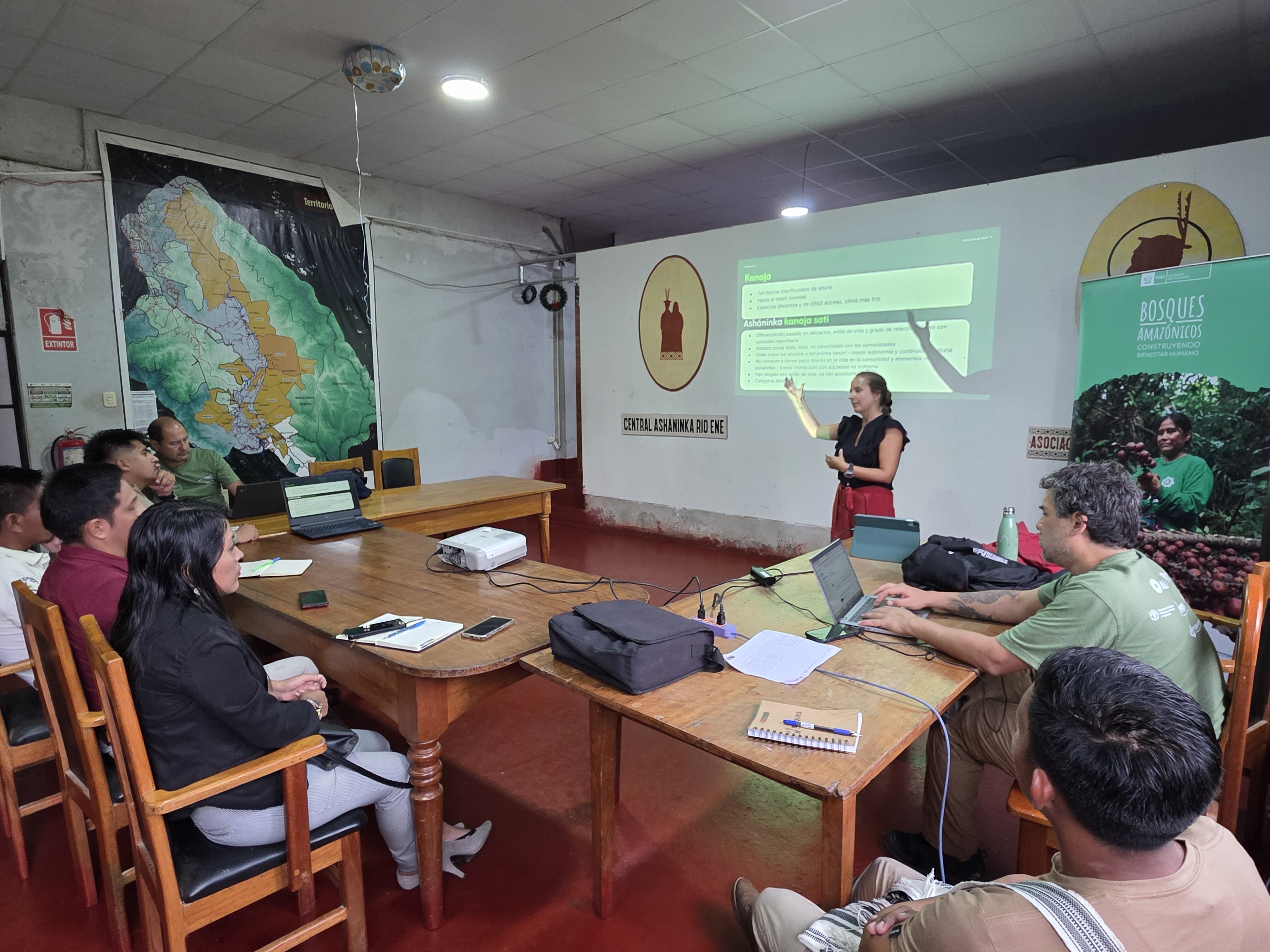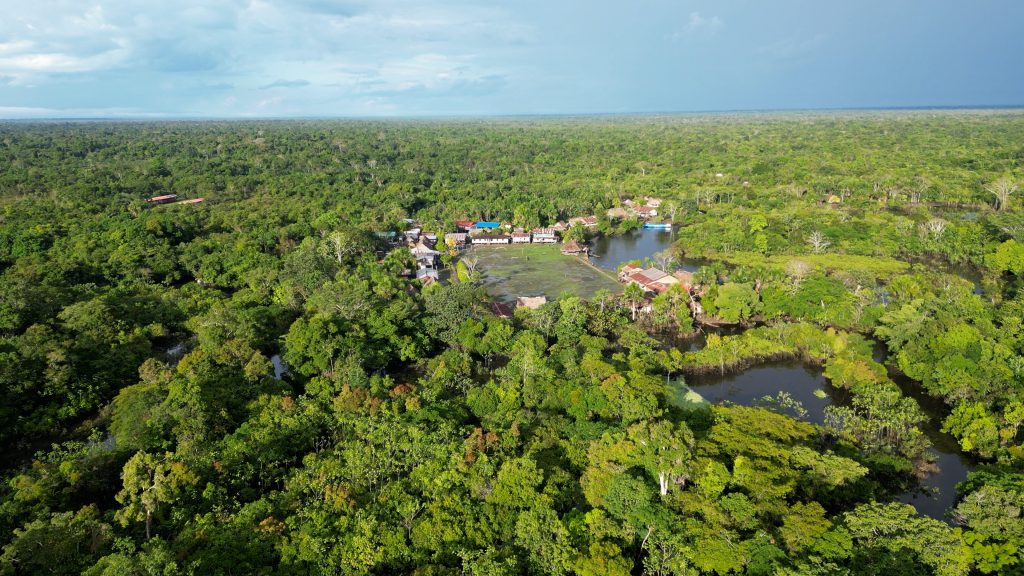
Within the framework of the DCI project, regional governments, local communities and Sernanp promoted various actions to strengthen the effective management of Regional Conservation Areas (RCAs) and Natural Protected Areas (NPAs) in Loreto, Ucayali, Huánuco and Amazonas, promoting more participatory and sustainable conservation in more than 4.7 million hectares.
One of the main developments was related to the control, surveillance and monitoring. In the eight RCAs prioritized by the project, forest monitoring was carried out through patrols, surveillance and control posts, overflights and satellite imagery, contributing to the protection of more than 2.5 million hectares. These actions were complemented by the training of community custodians and local surveillance organizations in the use of tools such as SMART, GPS, drones and basic cartography.

Patrolling in the Maijuna Kichwa Regional Conservation Area, Loreto region.
He strengthening surveillance also reached the national parks of Sierra del Divisor and Yaguas, under the leadership of the Sernanp, contributing to the protection of more than 2.2 million hectares through patrols, surveillance and control posts. In Sierra del Divisor, the capacities of park rangers were also strengthened in the use of SMART and GPS, as well as in the maintenance of essential equipment for monitoring and control tasks. In addition, the following were promoted conservation actions for species such as the taricaya and environmental education activities. with educational institutions, native communities and the local population.
The project contributed to the strengthening the co-management framework of the Regional Conservation Areas (RCAs), The company has also developed and updated its resource planning and management instruments. As part of this process, the following agreements were signed 20 agreements with indigenous and non-indigenous populations neighboring the areas, with the aim of consolidating co-management. In Loreto, the following were signed 8 timely monitoring agreements, in Huánuco and Ucayali, while in Huánuco and Ucayali, the following were signed 6 conservation agreements in each region.
Environmental awareness and education was another important component. In the Carpish Montane Forest RCA, in Huánuco, an Environmental Education Plan was implemented in educational institutions in the area, along with signage through information panels. This experience strengthened the link between communities, schools and conservation, promoting educational processes and greater social appropriation of the territory. In the ACR Vista Alegre Omia, in Amazonas, initiatives such as Cine Verde brought conservation messages to children linked to conservation areas.
The project also promoted economic alternatives compatible with conservation. In Loreto were elaborated eight business plans for enterprises linked to the RCAs, while in the Carpish Montane Forest RCA, the organizational, productive and commercial capacities of textile artisan associations were strengthened. These actions contributed to enhance the value of the cultural identity and biodiversity of the territory, strengthening sustainable development opportunities for local communities.
The experiences promoted by the DCI project demonstrate that the effective management of the Regional Conservation Areas and national parks goes beyond the protection of the territory. It is also requires a combination of monitoring, governance, environmental education, capacity building and sustainable opportunities for local populations., The project will contribute to a more resilient and sustainable conservation of the Peruvian Amazon.
About the Joint Statement of Intent (JIU), its Financial Mechanism and the JIU Project
The Joint Declaration of Intent (JIU) is a voluntary cooperation agreement signed in 2014 by the governments of Peru, Norway and Germany, aimed at reducing greenhouse gas emissions from deforestation and forest degradation. In the addendum signed for the period 2021-2025, the United Kingdom joined the agreement.
The ICD has a Financial Mechanism, administered by Profonananpe, which manages the resources for the implementation of its phases. Within this framework, the ICD Project is currently being executed, which contributes to the implementation of the Updated Plan 2021-2025.
It is led by the Ministry of Environment and executed by Profonanpe, with funding from the Norwegian Agency for Development Cooperation (NORAD) through the Norwegian International Climate and Forest Initiative (NICFI), and the participation as implementing partners of the Ministry of Agrarian Development and Irrigation, through SERFOR; Sernanp; the Ministry of Culture; the regional governments of San Martin, Huanuco, Ucayali, Loreto, Amazonas and Madre de Dios; and the indigenous organizations AIDESEP, CONAP and ANECAP. Learn more here.