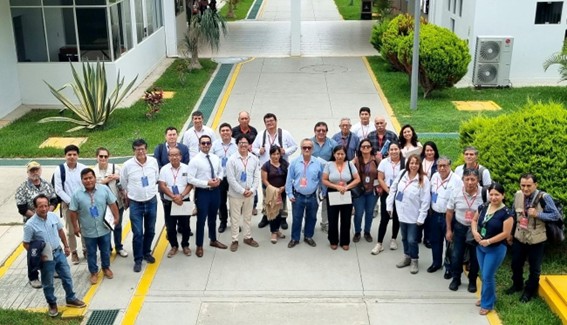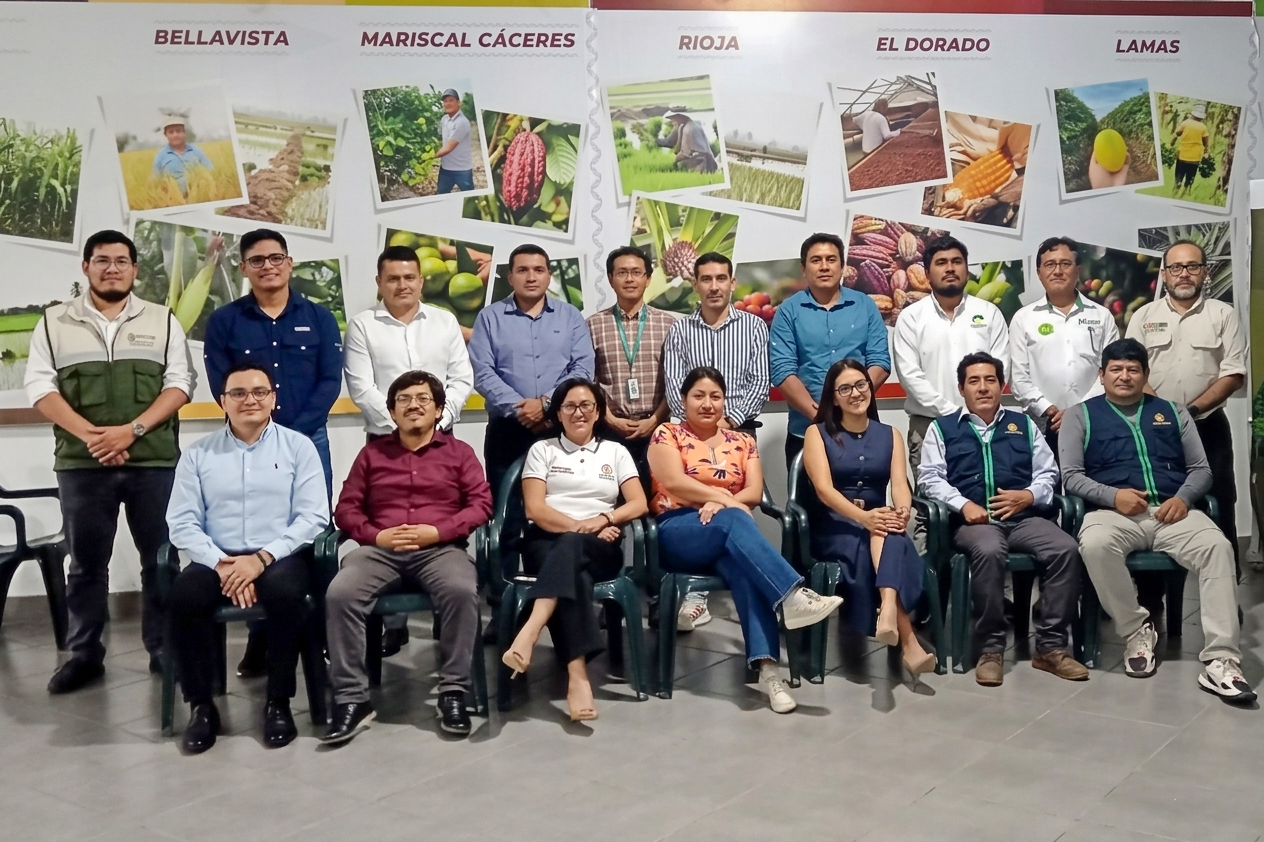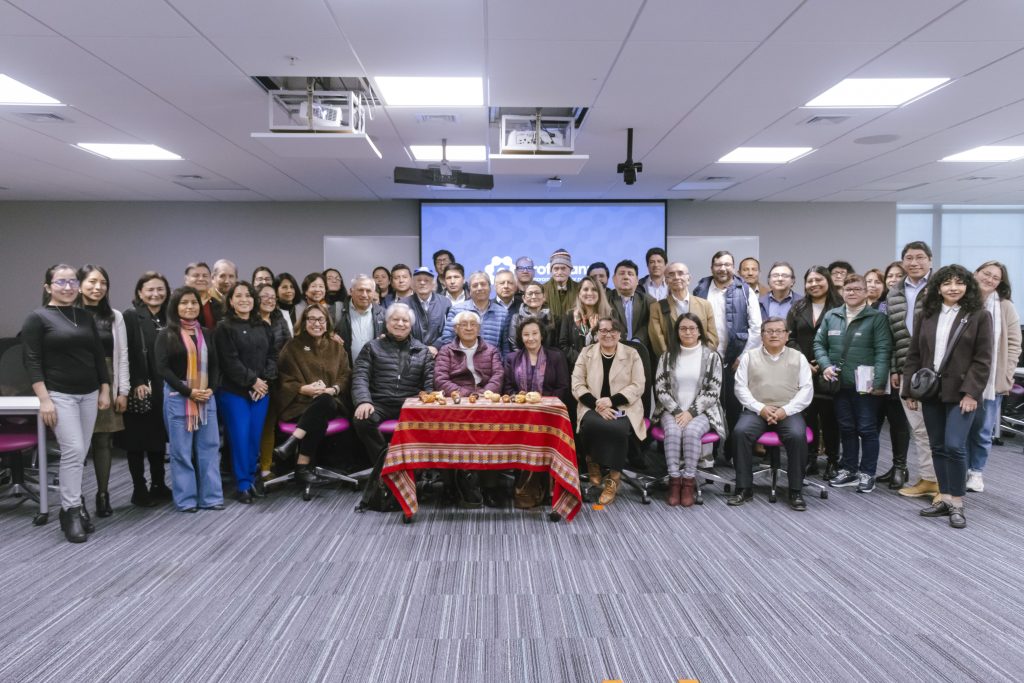
On July 18, the second meeting of Profonanpe’s 2024 Thematic Working Groups took place, bringing together experts from the public and private sectors, international cooperation, and civil society who are taking action on the conservation and sustainable use of agrobiodiversity. The meeting aimed to foster the exchange of ideas and approaches that will strengthen efforts in this important area.
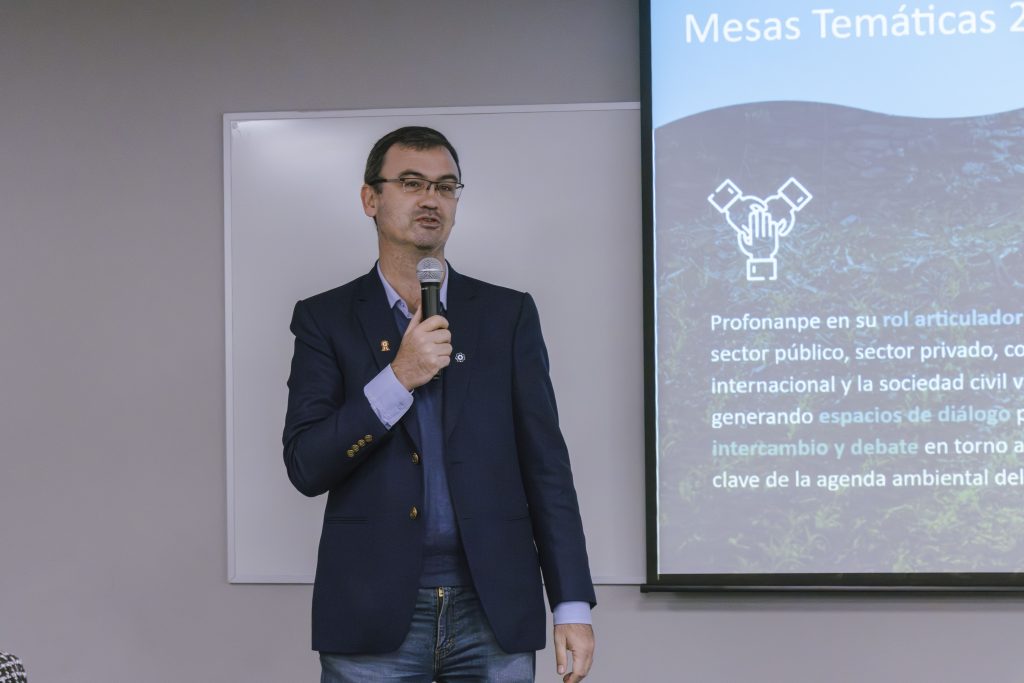
Anton Willems, Executive Director of Profonanpe, opened the meeting by highlighting Profonanpe’s role as “a facilitator among the various sectors that have been creating opportunities for exchange and debate, enabling us to identify key issues on our country’s environmental agenda.”
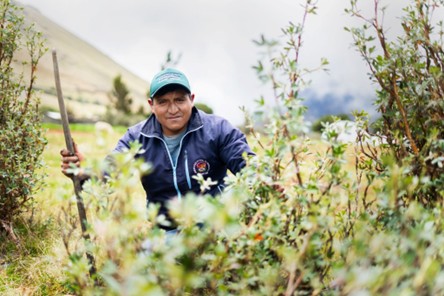
For his part, César Sotomayor, National Coordinator of the GEF Agrobiodiversity-SIPAM Project, gave an introductory presentation on seed banks, a strategy adopted by the project that has been based on the revitalization of the human and social capital of conservation-minded farmers in Puno, Cusco, Apurímac, and Huancavelica.
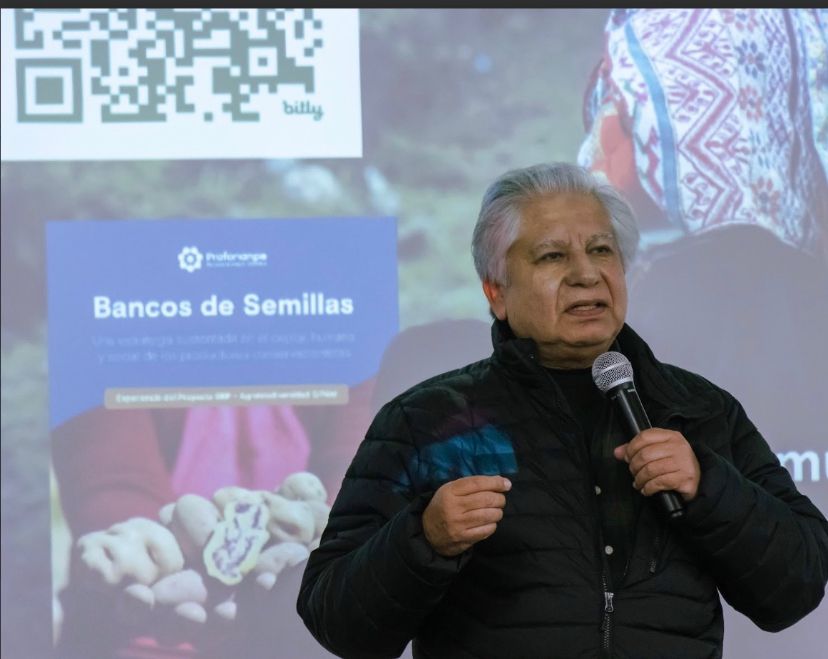
“One of the major challenges facing public policy, particularly with regard to agrodiversity, is resolving a complex paradox. Conservation-minded farmers contribute to food security and preserve valuable genetic material, yet they earn little income from growing diverse crops. Despite this, they continue to devote their time to conservation,” explained Sotomayor.
The meeting highlighted the importance of conservation-oriented farming families’ use of human, social, and cultural assets. “These intangible assets, though difficult to quantify, are reflected in the prestige and reputation of the producers. However, they are often not fully recognized,” he added.
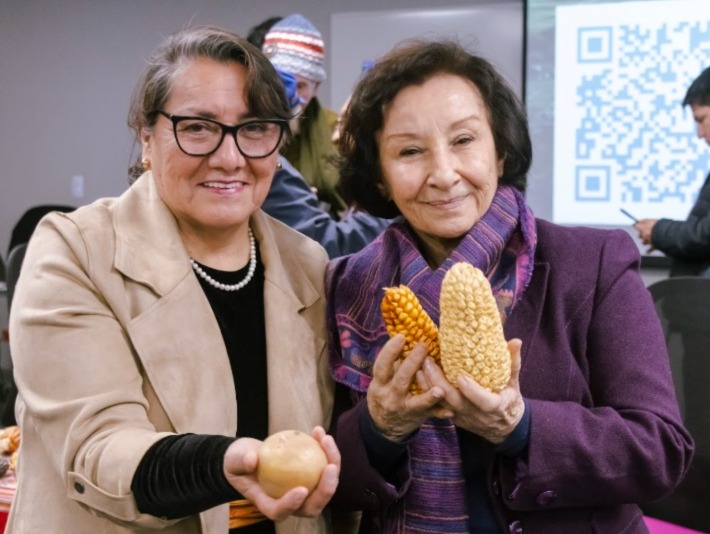
Work tables
To generate knowledge, the meeting organized working groups that focused on three key topics: the creation and management of family and community seed banks; the use of cultural and social capital in the conservation of agrobiodiversity; and the development of market-based incentives for the conservation of agrobiodiversity products.
Finally, innovative approaches were proposed that will help improve the management of agrobiodiversity in the Andean region. The participants concluded that it is essential to provide local incentives for the conservation of agrobiodiversity and to establish a direct link to the market to ensure demand for these products.
In addition, the importance of achieving environmental, social, and economic sustainability goals was emphasized, as well as the need to address the valuation, property rights, and benefit-sharing of genetic resources—issues that will be on the agenda at COP 16.
- Learn about the innovative Seed Bank initiative here.
- Watch the conversation between Sixto Huaracha and Anita Sierra here.
About Profonanpe's Thematic Roundtables
These are spaces for dialogue that seek to inspire the planning of collective actions that promote sustainability and efficiency in the management of environmental projects, as well as to have an impact on the national environmental agenda. These spaces bring together specialists from different sectors: public, private, international cooperation and civil society.