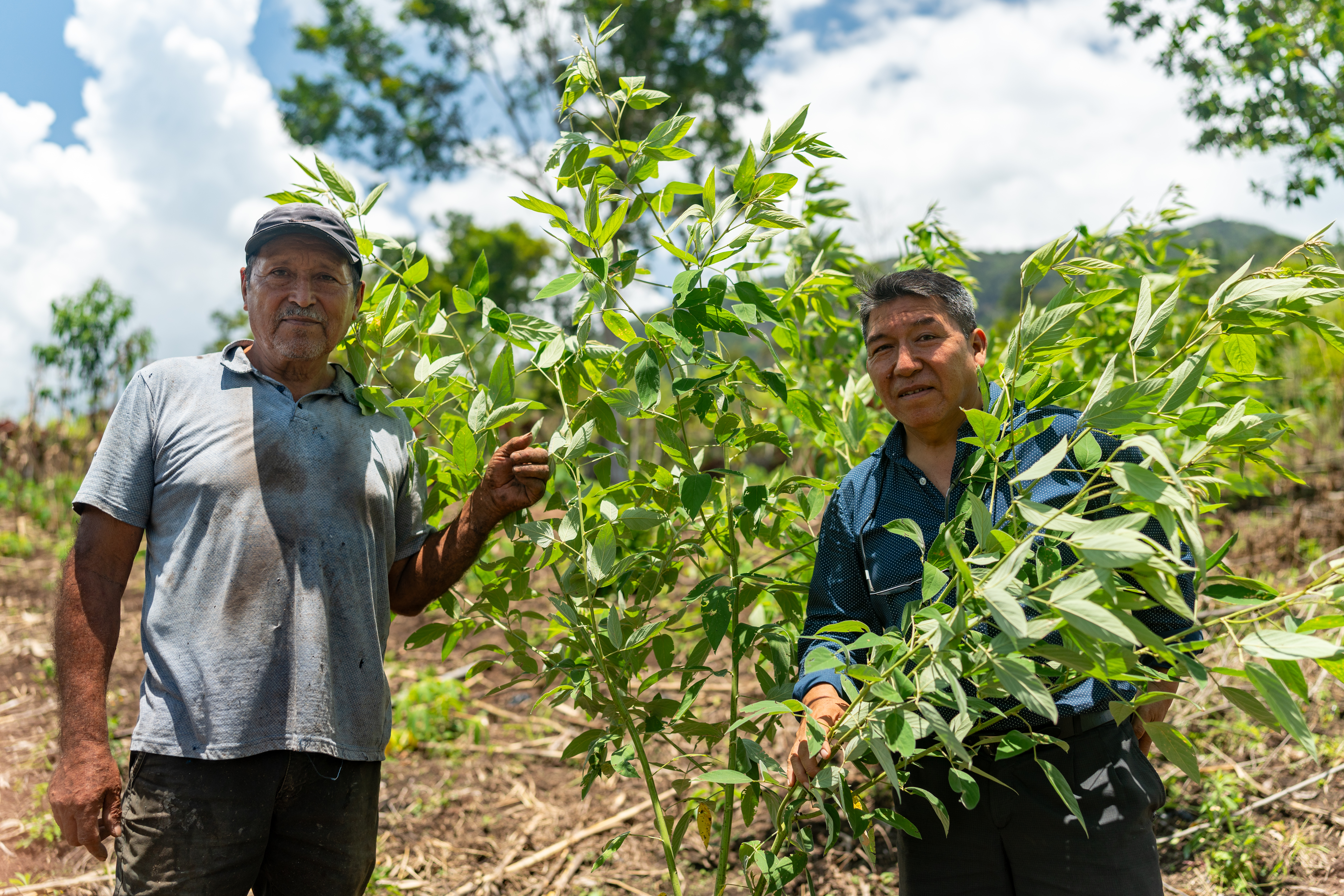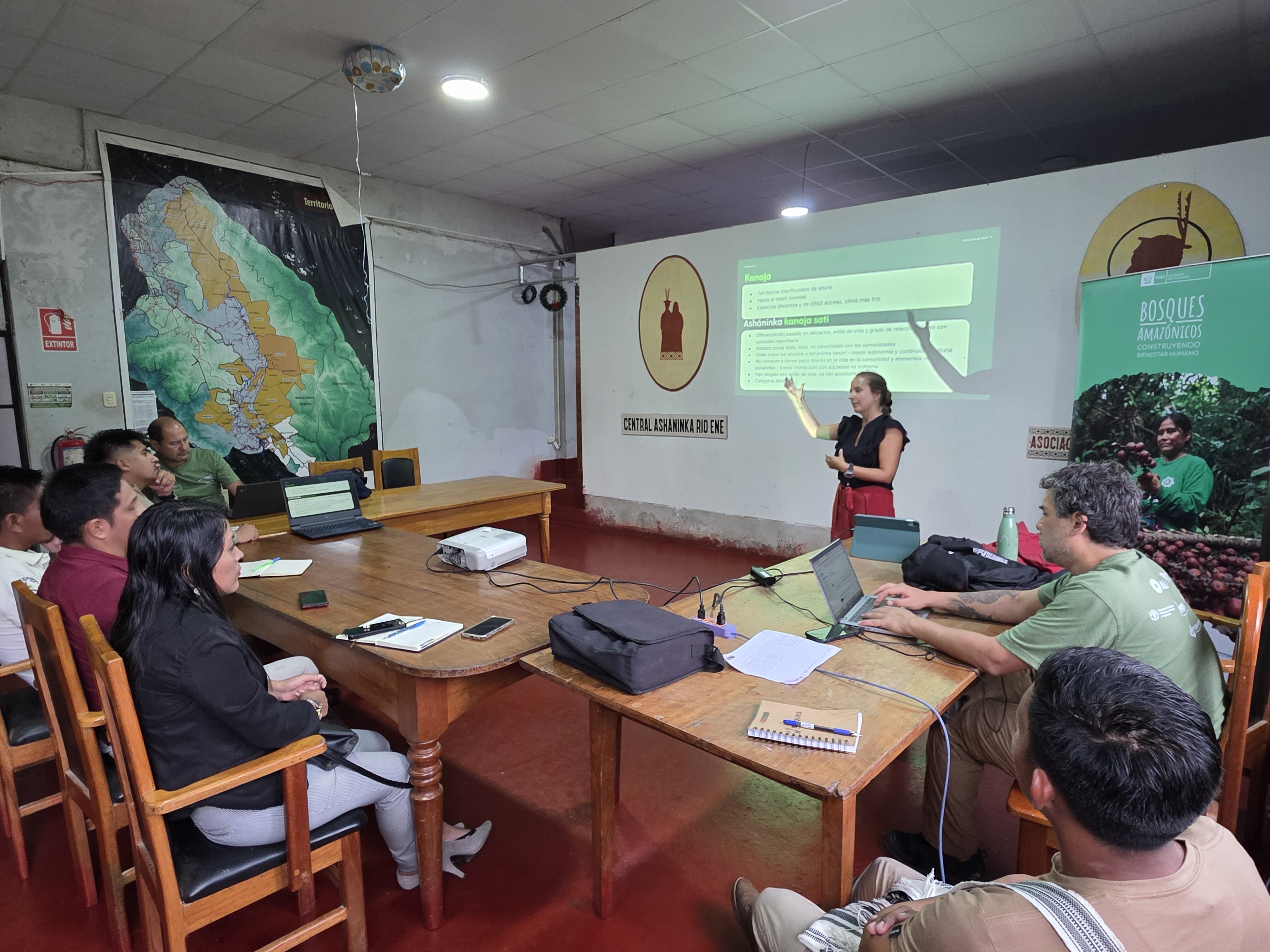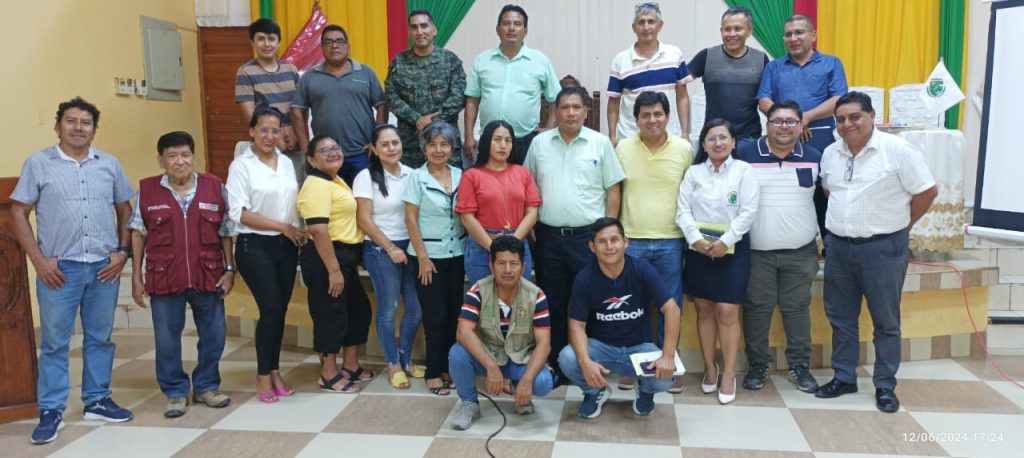
In order to strengthen the land management tools in the province of Atalaya, the Amazon Forests – ASL2 project, led by the Ministry of the Environment, brought together representatives from civil society, academia, and public and private entities so that they could jointly identify trends, risks, and opportunities associated with cross-cutting approaches in these tools. This initiative took place in the cities of Atalaya and Sepahua, in the province of Atalaya, Ucayali Department.
It was a widely participatory space, which facilitated the intervention of representatives of various institutions, as well as leading actors of the province. The meeting made it possible to gather relevant information that will be used to incorporate cross-cutting approaches in Atalaya's Concerted Local Development Plan (PDLC).
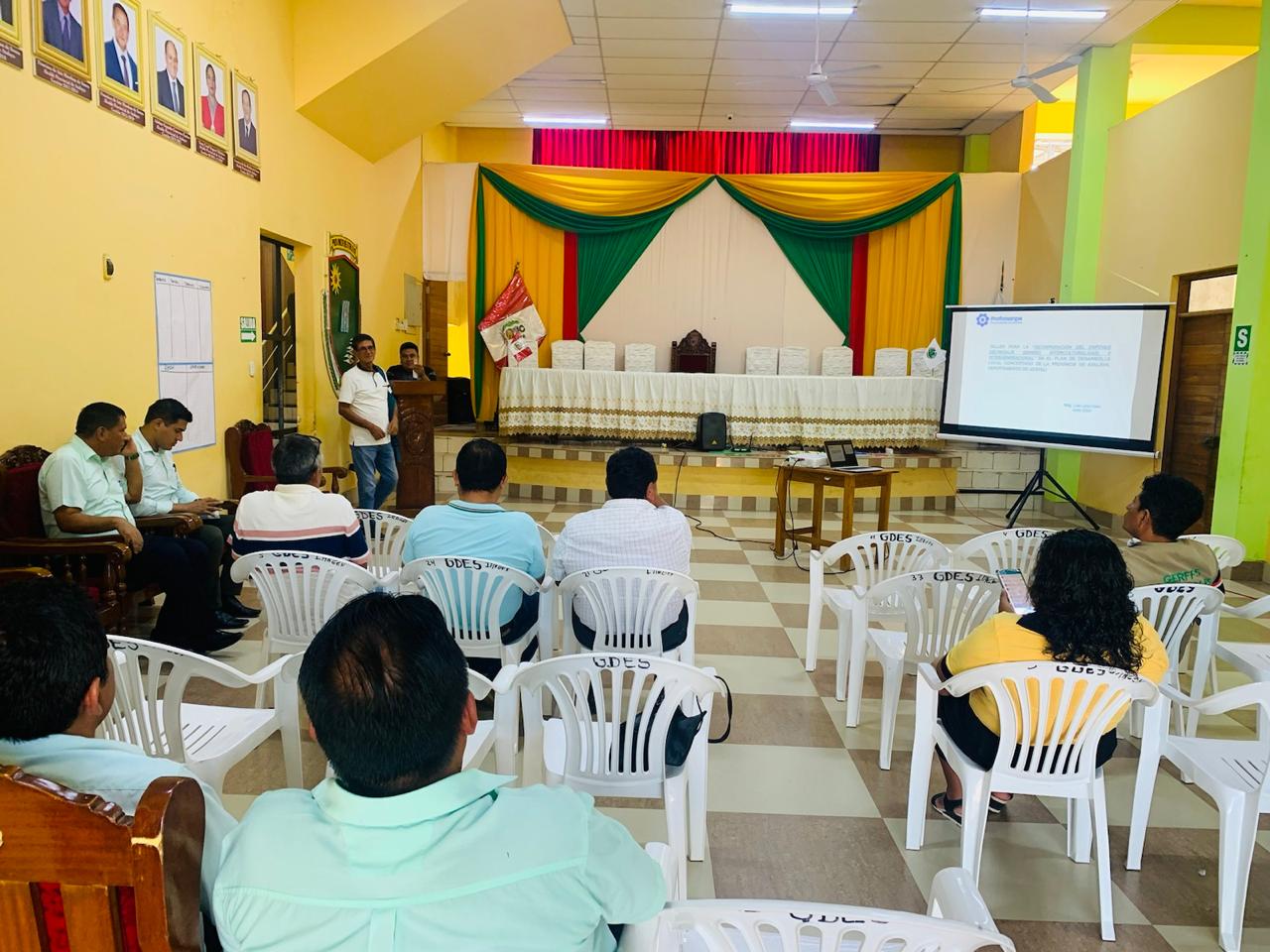
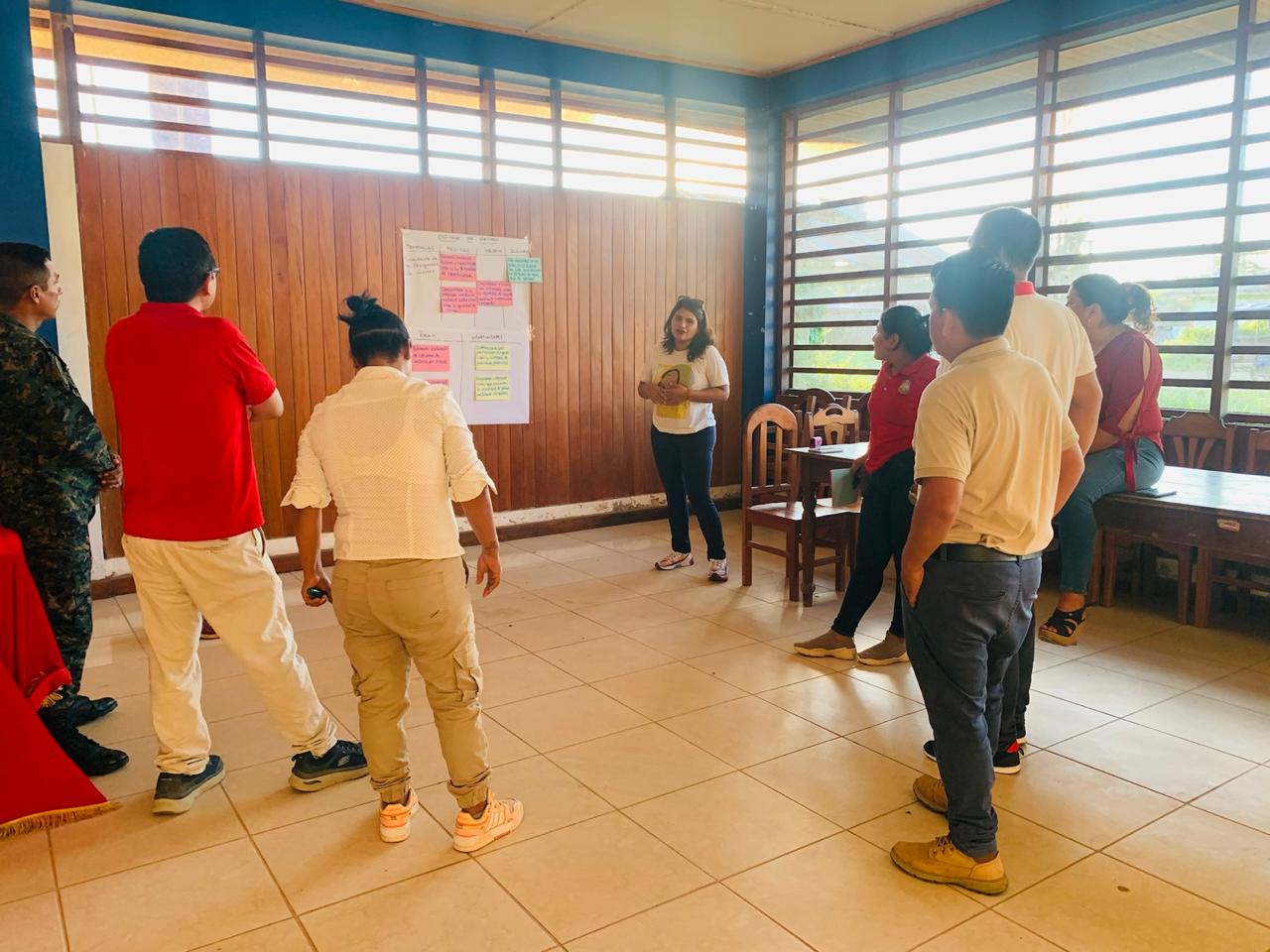
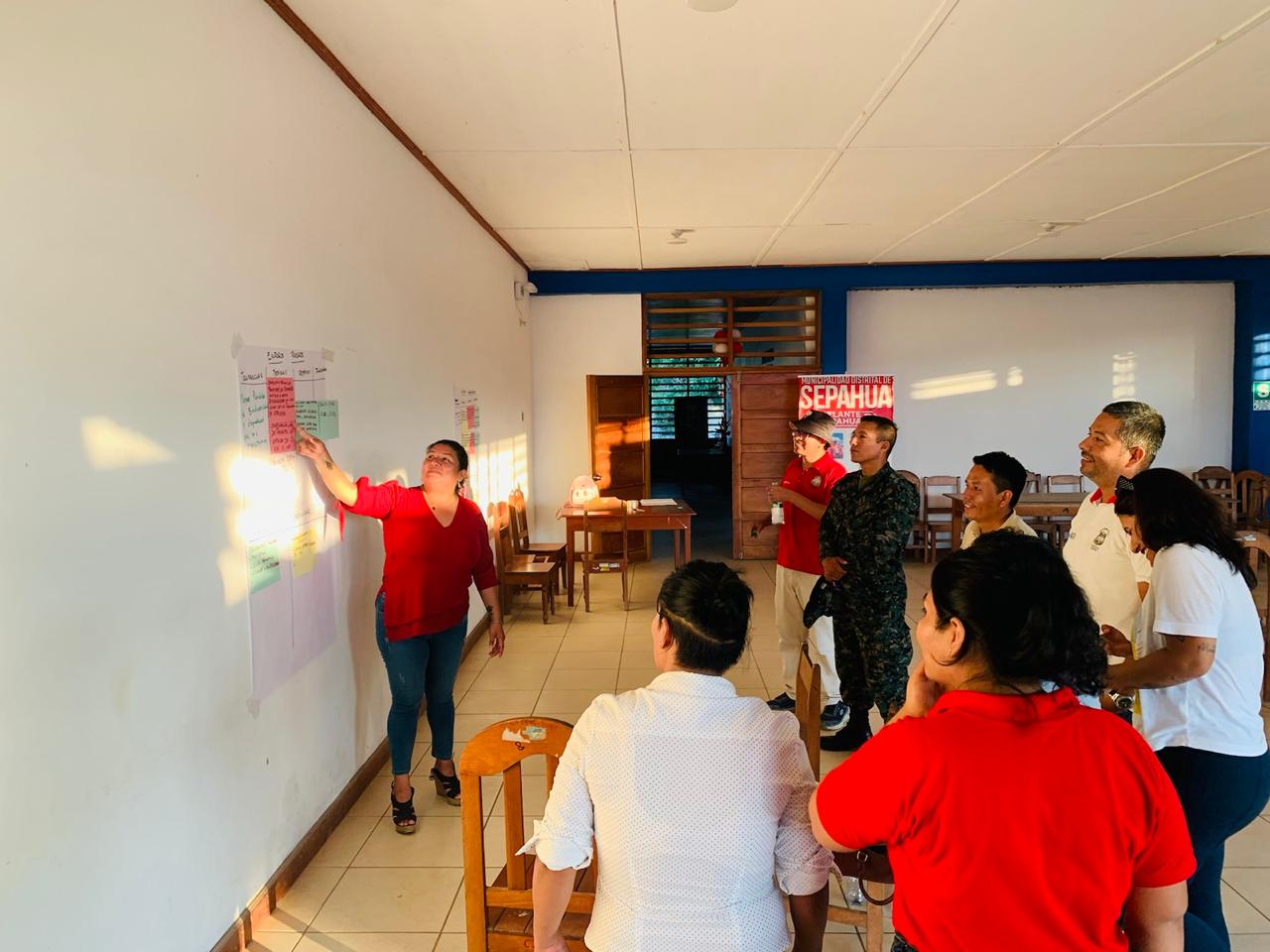
The Atalaya PDLC is a provincial land-use planning tool that will help identify local development objectives and goals; through the activities carried out in the workshop, cross-cutting approaches—such as gender, landscape, interculturality, and intergenerational issues—will be incorporated into the tool, thereby contributing to the development of a strategic roadmap for the province’s development.
The “Bosques Amazónicos - ASL2” project promotes this initiative within the framework of the Multilevel Governance component, which seeks to develop collaborative governance actions with various sectors and levels of government.
About the Amazon Rainforest Project – ASL2
o Bosques Amazónicos seeks to build human well-being and resilience in the Amazonian forests of the regions of Ucayali, Junín and Loreto, through the enhancement of biodiversity for food security and bio-business, based on maintaining the forest standing.
This initiative is executed by the Ministry of the Environment and is supported by the implementing agencies FAO, IFAD, UNIDO and Profonanpe as operational partner.