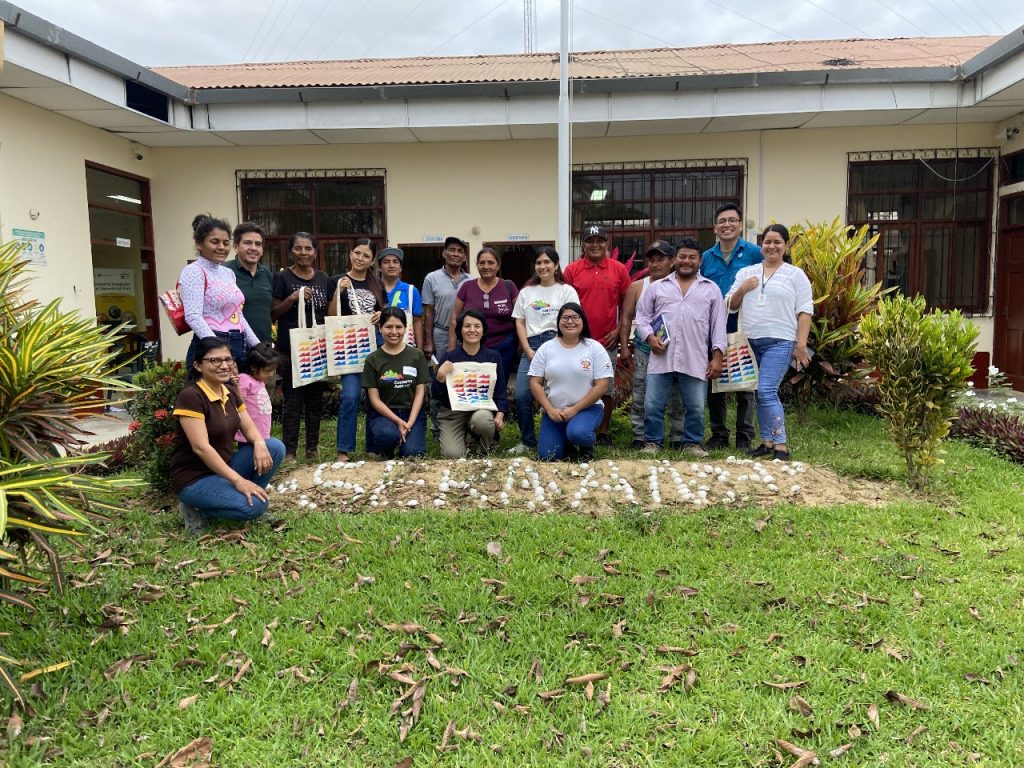
End of the biological monitoring course at SERNANP-Tumbes facilities.
Photo: CONMANOPE
Initiative of the Consorcio Manglares del Noroeste del Peru, led by the Regional Government of Tumbes within the framework of the Conserva Aves Project.
Associations that use the mangrove ecosystem and institutions linked to environmental governance and management in Tumbes participated in theoretical and practical workshops on conservation and sustainable ecosystem management. The training was provided in November 2024, with a view to consolidating the Manglares de Los Tumpis Regional Conservation Area (RCA).
The workshops are an initiative of the Consorcio Manglares del Noroeste del Peru (CONMANOPE), led by the Regional Government of Tumbes as part of the Conserva Aves Project. Biologists Camila Dávila Rojas and Mónica Flores Molleapaza, from the Asociación Ecosistemas Andinos (ECOAN) were in charge of the sessions.
The mangrove ecosystem in Tumbes is an area of high biodiversity and a key habitat for numerous bird species, many of them migratory. In addition to their ecological value, these areas also provide critical ecosystem services such as coastal protection, carbon sequestration and livelihoods for local communities that depend on its resources.
However, such ecosystems face constant threats, such as deforestation, pollution and climate change. In this context, it is essential to offer this type of workshop, aimed at improving the capacities of local stakeholders and the governance of this territory.
Theoretical sessions in two days
The first training session was aimed at associations that use the mangrove ecosystem and focused on the relevance of biological monitoring as a fundamental tool for land management. The participants learned about species identification, the use of digital tools and techniques applied to conservation..
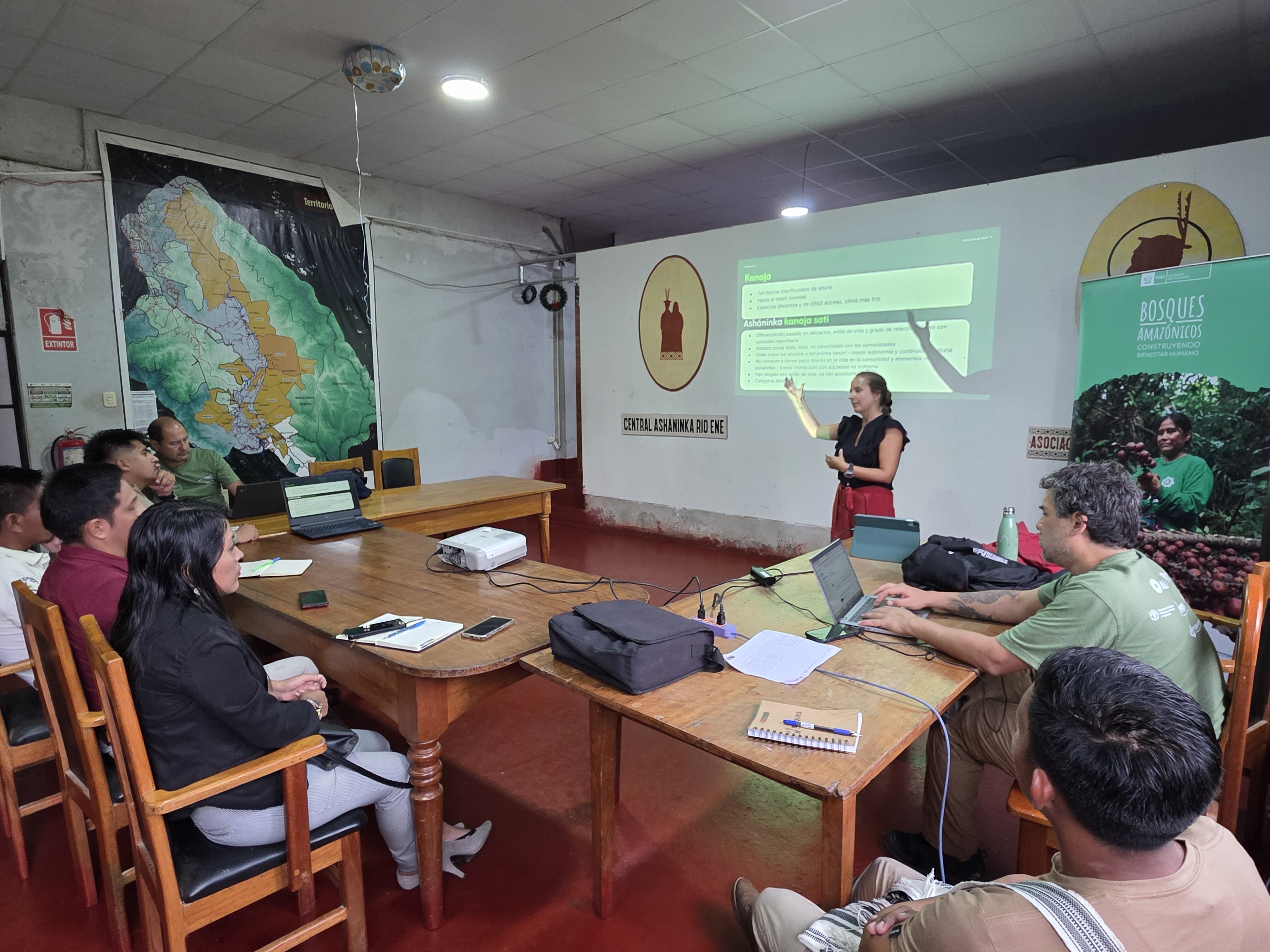
A day later, the second workshop addressed governance and territorial planning strategies, with emphasis on the importance of inter-institutional collaboration for conservation of mangroves. Representatives of key environmental management institutions participated in this event.
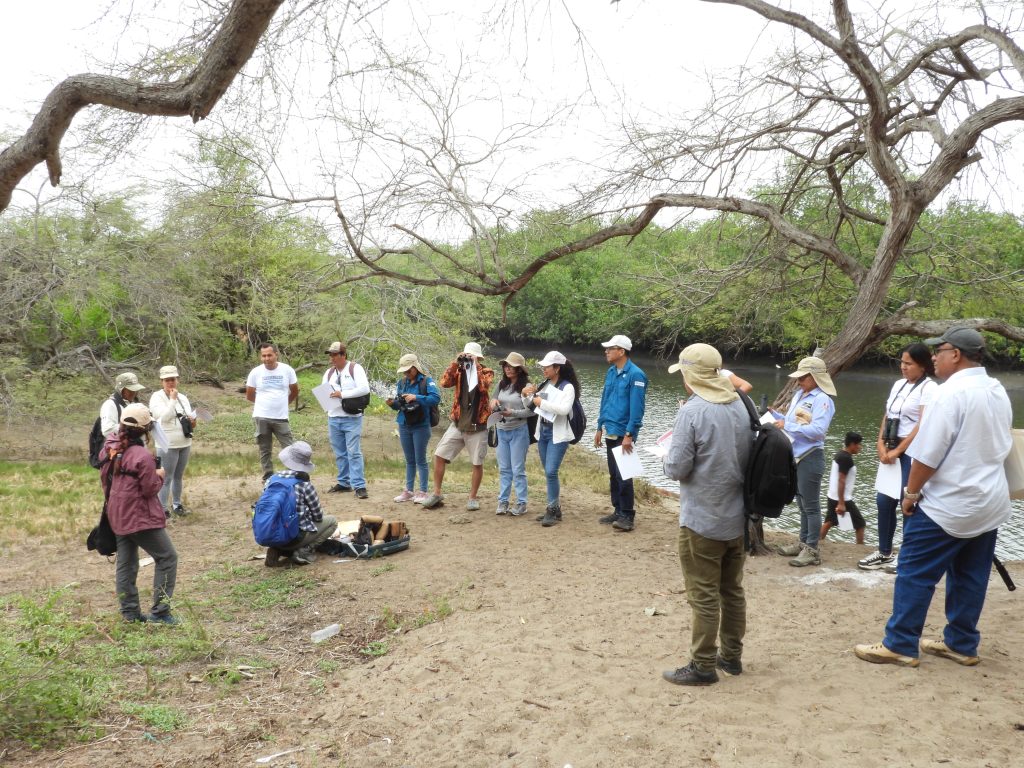
Practical biological monitoring course in Los Manglares de Tumbes National Sanctuary
Photo: CONMANOPE
This group was composed of the technical team of the Regional Management of Natural Resources and Environmental Management of GORE Tumbes, the Forestry and Wildlife Directorate of Tumbes, local municipalities, as well as teachers and students from the National University of Tumbes.
Practical session in a protected area
Two days later, on November 29, the participants of the previous sessions attended a practical workshop at Los Manglares de Tumbes National Sanctuary. This allowed them to apply the theoretical knowledge previously acquired in the field.
At the site, participants conducted monitoring exercises using tools such as GPS, binoculars and mobile applications to record birds and evaluate the ecosystem. Afterwards, they were able to identify key mangrove species and record observation data, which strengthened its capacity to contribute to the environmental monitoring of the protected area.
The event allowed attendees to better understand the dynamics of the mangrove ecosystem and the importance of its conservation. It also succeeded in promoting the exchange of experiences and teamwork between local associations, technicians and academics, The goal of the project is to promote the cooperative and effective management of the Manglares de Los Tumpis RCA.
A step forward in the consolidation of the RCA
These efforts are part of a comprehensive process that seeks to consolidate the Manglares de Los Tumpis RCA, in addition to ensuring its official recognition and sustainable management. Consolidating the RCA is key to guaranteeing the long-term protection of this ecosystem., The company provides a legal and institutional framework for its sustainable management.
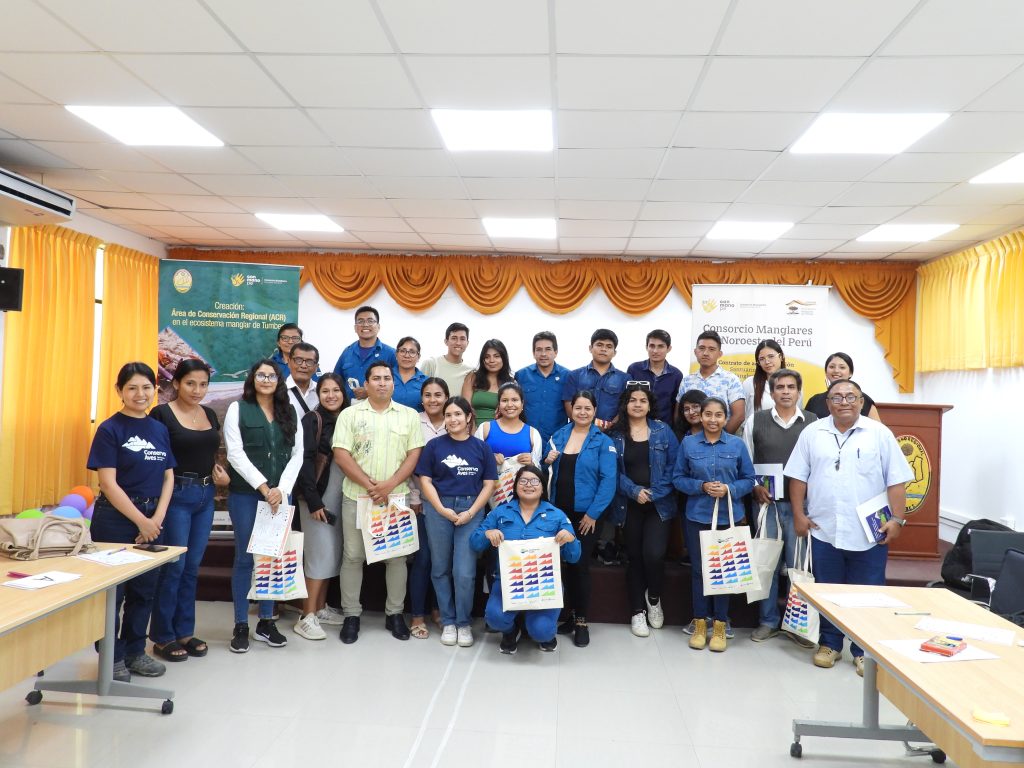
End of governance and biological monitoring course at the Regional Government of Tumbes
Photo: CONMANOPE
This process promotes local development, fostering economic opportunities based on the responsible use of natural resources. To continue in this direction, it is essential to continue training key actors, strengthen strategic alliances and manage the necessary financing for the implementation of the RCA.
In this line, providing training and dialogue spaces strengthens the involvement of these actors and contributes to the effective management of the ecosystem, which ensures benefits for both biodiversity and the communities that depend on mangroves..
Opting for a workshop strategy with practical implementation allows participants to acquire applicable knowledge and strengthen their role in ecosystem management. The combination of theory and practice facilitates the appropriation of knowledge and enhances skills. decision making process in the territory.
When communities and local stakeholders are empowered with technical knowledge and management tools, they become the main allies of conservation. In turn, this ensures that ecosystem management is participatory, effective and adaptive to current environmental challenges.
Capacity building is essential to ensure RCA sustainability!
Join us
Henrry Preciado Chune
Responsible for the Conserva Aves project at CONMANOPE
hpreciado@consorciomanglares.pe