According to INDECI data, 2024 was the year with the largest fire events recorded so far, detecting in a single day, through satellite monitoring, more than 1,200 hot spots nationwide.
Satipo was severely affected by forest fires that consumed more than 2,500 hectares of forest and agricultural fields, leaving at least 14 dead and 100 injured. The most affected areas include native communities in the Ene basin, which are located in areas of difficult access, warning of the region's increasing vulnerability in the dry season.
Despite the existence of a Regional Forest Fire Prevention and Risk Reduction Plan, none of Junín's 124 districts have a local plan in place. In addition, it was identified that 95% of these fires were caused by human activities, often related to inadequate agricultural practices. .
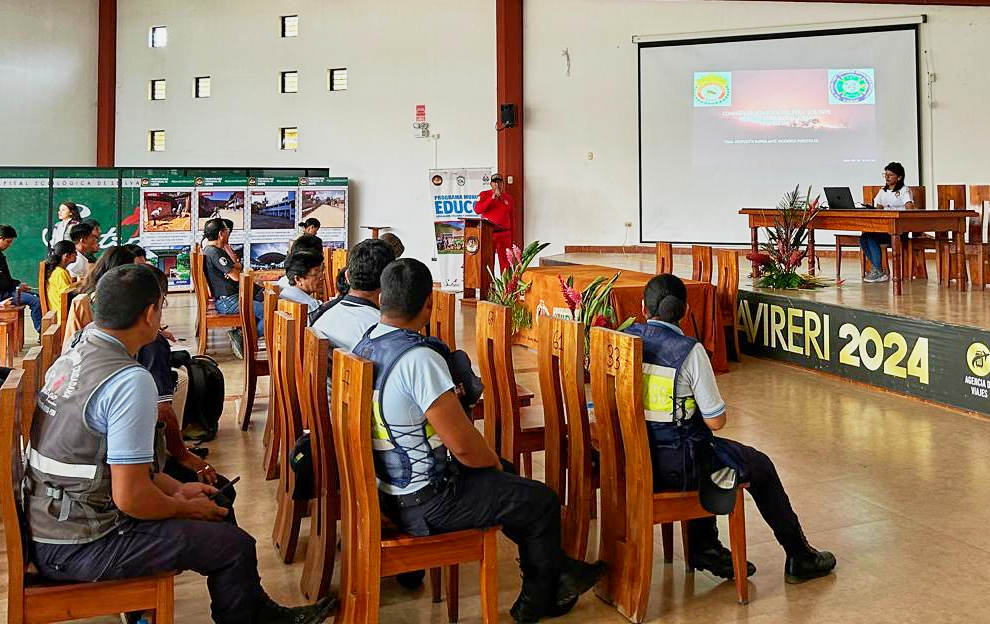
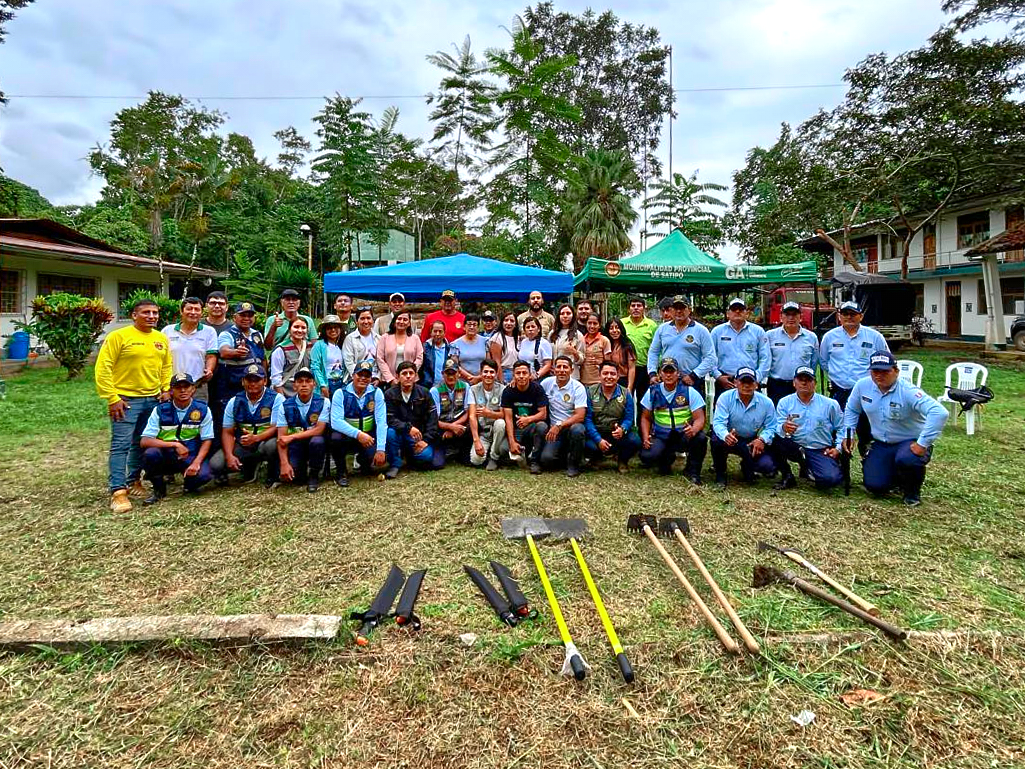
In response to this critical situation, last Thursday, May 29th, the Theoretical-practical workshop on forest fire prevention, The program was aimed at district Civil Defense managers, Serenazgo personnel, mayors of populated centers and members of the Municipal Environmental Commission (CAM).
This activity was organized by the Provincial Municipality of Satipo, the Ministry of Agriculture and Irrigation, Sernanp, Serfor, the Environmental Prosecutor's Office, the Satipo Fire Company and Profonanpe, as part of integrated efforts to strengthen territorial management and local disaster response.
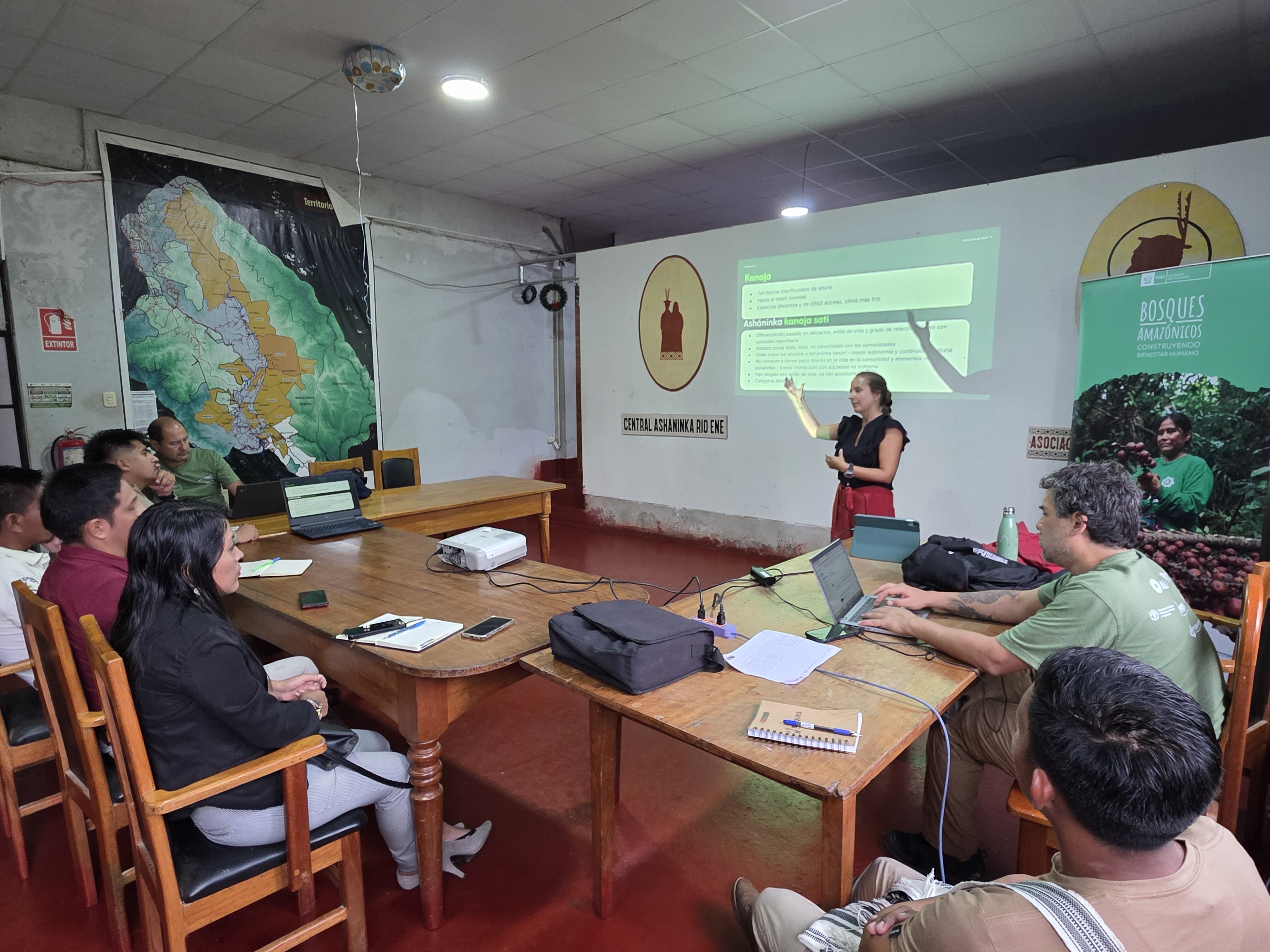
Likewise, in order to prevent possible emergencies, the ASL2 Amazonian Forests project includes among its next actions the preparation of the Local Forest Fire Prevention and Risk Reduction Plan for the province of Satipo and the establishment of the first nationally certified community forest fire brigade, with the participation of indigenous populations, marking a milestone in community preparedness and response to these extreme events.
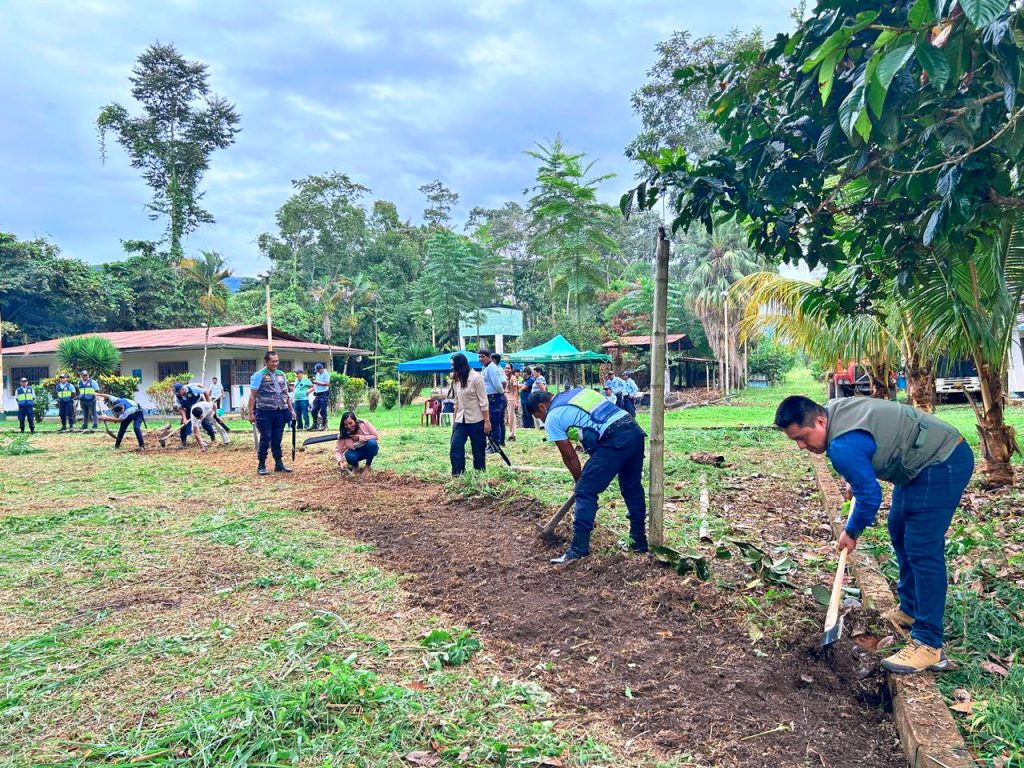
It is hoped that these initiatives will not only improve local response capacity, but also promote a sustainable and articulated approach to forest protection, recognizing the fundamental role of communities in the conservation of the Amazonian territory.
About the project “Amazon Forests - ASL2”.”
The project seeks to promote the conservation of healthy, functional and climate-resilient forests and wetlands; maintaining important carbon reserves, avoiding Greenhouse Gas (GHG) emissions and generating sustainable and resilient local livelihoods.
This initiative is being implemented by the Ministry of the Environment (MINAM), with funding from the Global Environment Facility (GEF); and has the support of the Food and Agriculture Organization of the United Nations (FAO), the International Fund for Agricultural Development (IFAD), the United Nations Industrial Development Organization (UNIDO) and Profonanpe.