The Board of Governors of the Financial Mechanism of the Joint Declaration of Intent (JDI) approved this Thursday, March 6, its Annual Operating Plan 2025. In this way, the DCI, led by the Ministry of the Environment (Minam) and executed by Profonanpe, seeks to contribute to the reduction of greenhouse gas (GHG) emissions from deforestation in the Peruvian Amazon.
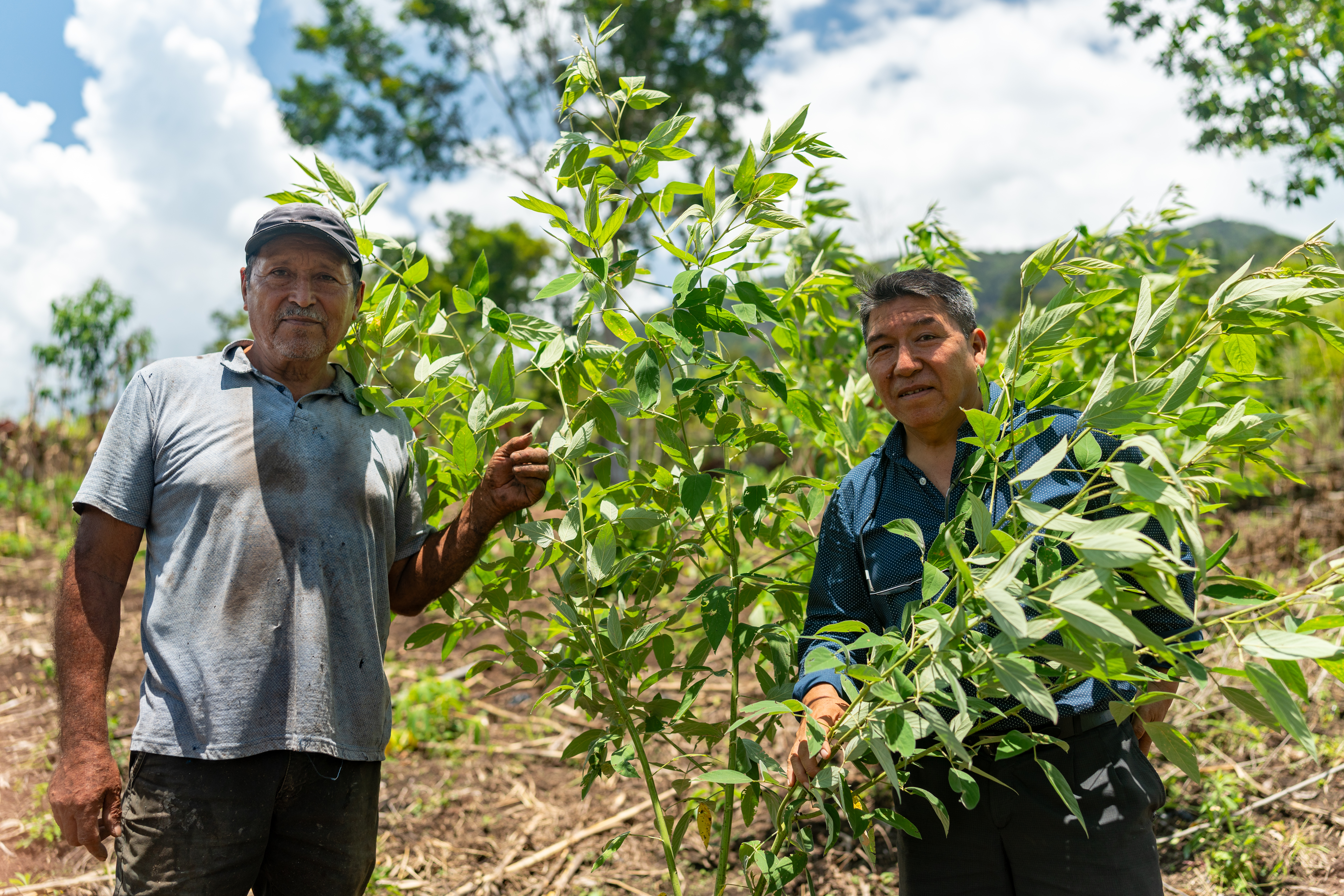
During 2024, the Financial Mechanism surpassed the target of forests under mitigation measures, reaching more than 4.6 million hectares (105% of compliance). This was made possible through effective management of natural protected areas (NPAs) and regional conservation areas (RCAs), agroforestry systems and community forest management.
In addition, 95% of the enabling conditions implemented under the ICD were implemented. The project was able to effectively monitor forest heritage hectares in prioritized regions (98%). Likewise, progress was made in the implementation of the Regional Forest and Wildlife Control and Surveillance Boards by 89% (compared to the planned 40%). The DCI also supported the implementation of the Regional Satellite Monitoring Units (UMSR) with a progress of 86%.
With the approval of the Annual Operating Plan 2025 with balances, continuity is given to the strategic actions described in the commitment of the Global Operational Plan 2024-2025. This will contribute to the goal of achieving five million hectares of forest in the Peruvian Amazon under mitigation measures, contributing 39% of the goal established in the Phase 2 Implementation Plan updated for the period 2021 - 2025.
Common goal: reduce deforestation in the Amazon
To achieve these objectives, we will continue to strengthen environmental institutions, legal security and the collective rights of indigenous peoples, which are fundamental for the sustainable management of the Amazon forests.
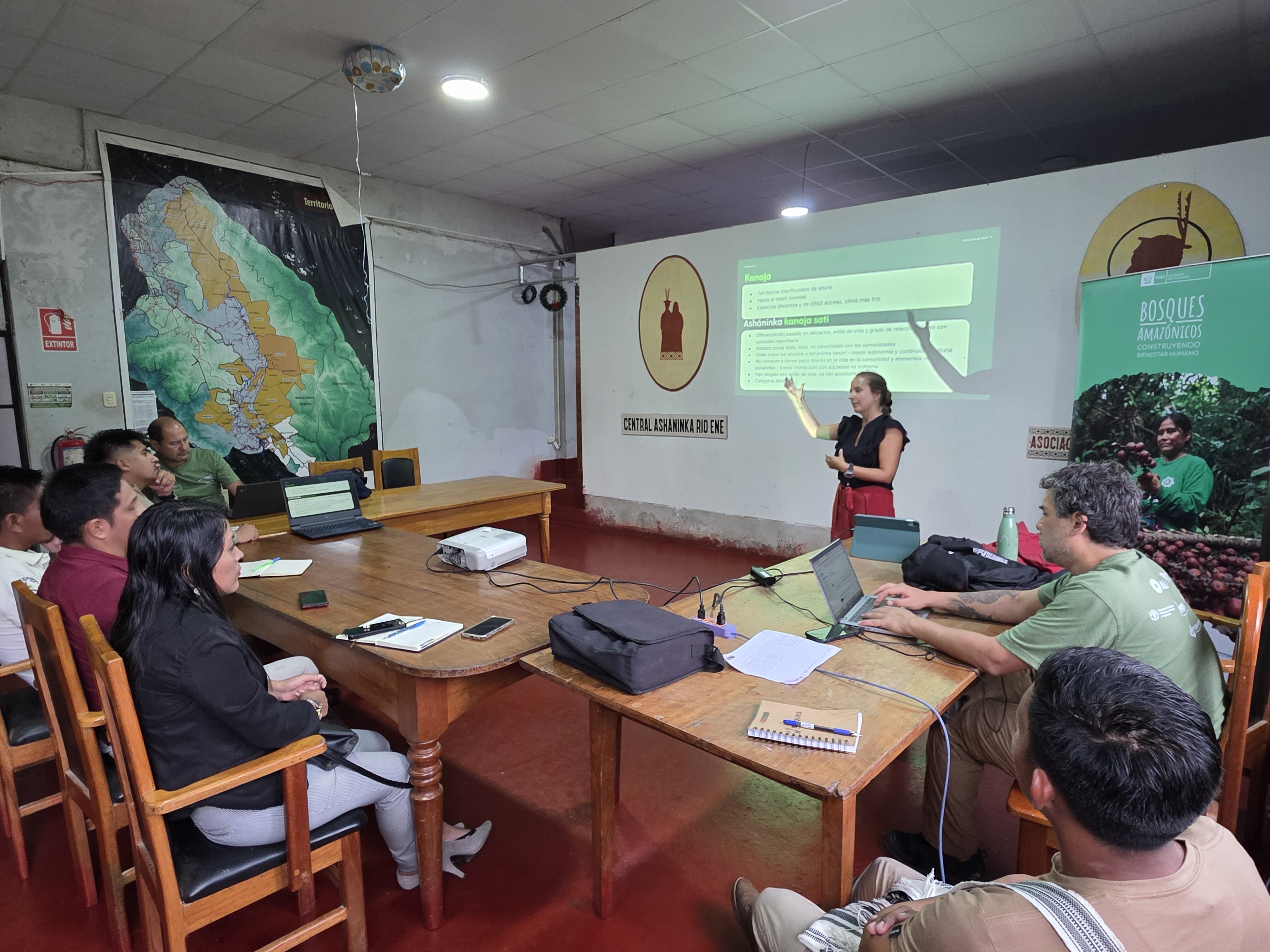
The meeting was attended by key stakeholders, such as representatives of the Ministry of Environment, the Norwegian Agency for Development Cooperation (Norad), the Ministry of Culture (Mincul), the Ministry of Agrarian Development and Irrigation (Midagri), the National Forestry and Wildlife Service (Serfor), as well as indigenous organizations such as Aidesep, Conap and Anecap, and the Amazon Regional Commonwealth (MRA).
«This whole process contributes to the common goal of reducing deforestation in the Peruvian Amazon through the implementation of the Nationally Determined Contribution (NDC), commitments that each of the different sectors representing our country's Agreement has. In Peru, we have called them our climate challenge«, said Raquel Soto, Vice Minister of Strategic Development of Natural Resources (Minam), who chaired the session.
International alliance for forest conservation
The cooperation agreement between Peru, Norway and Germany, known as the Joint Declaration of Intent (JIU), was signed in 2014 and extended in 2021 with the incorporation of the United Kingdom and the United States Agency for International Development (USAID), the latter as an observer.
In November 2022, during COP27, Norway and Profonanpe signed the Contribution Agreement between Peru for the management of $ 10 million, destined to the financing of priority actions within the Implementation Plan of Phase 2 of the ICD, to the updated 2021-2025, whose total cost amounts to approximately $ 50 million.
This joint effort reaffirms the commitment of Peru and its international allies in the fight against deforestation and climate change, promoting a sustainable development model that guarantees the conservation of the Amazon and the well-being of its communities.
 Photo: Profonanpe
Actions in six regions of the Amazon
DCI is active in six Amazonian regions: Loreto, Amazonas, Huanuco, Madre de Dios, San Martin and Ucayali. In this way, it covers 608 communities (including native, peasant and local communities), benefiting an estimated 75,000 people.
This financial mechanism aims to support agroforestry systems; promote community forest management; effectively manage protected natural areas; facilitate the titling of native communities; reduce illegal activities; encourage forest zoning; and promote knowledge management.