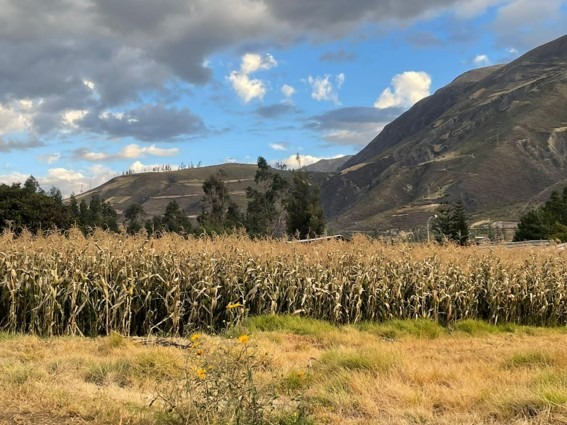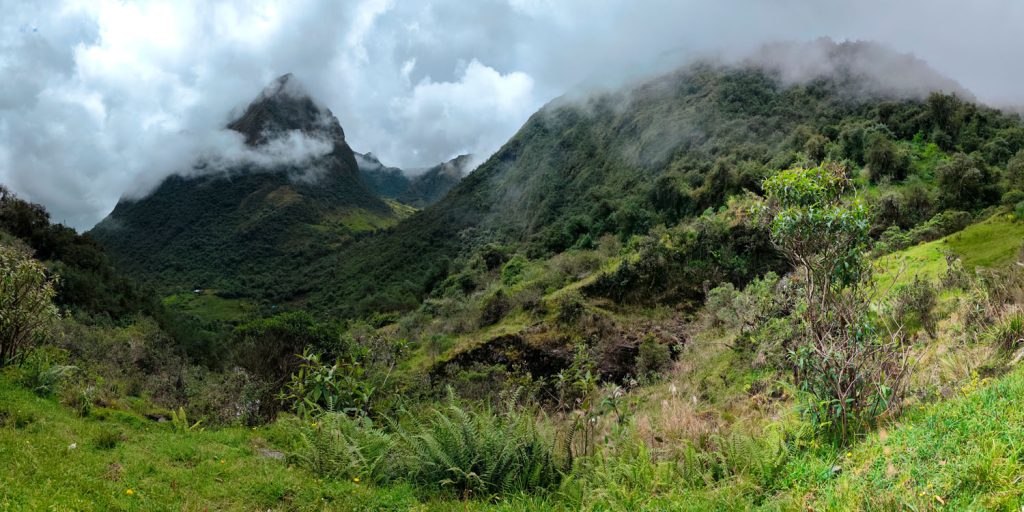
Panoramic view of the proposed private conservation area - Huata
Photography: Jonathan Chancasana
On the way to the creation of the Huata ACP: a key territory for life
The community of Huata is located near an Endemic Bird Area (EBA) and a fragile ecosystem, acting as a bridge between Natural Protected Areas (NPAs). The ACP proposal seeks to protect critical habitat for endemic and threatened species, such as the black-eyed scrub (Atlapetes melanopsis), while conserving forests that allow water infiltration and recharge vital water sources for local communities.
Huata: a strategic ally for conservation
Huata is one of the few communities in the district of Andamarca. which has managed to complete the regulation of its communal property, with registered title since 1996 (Electronic Record No. 11069438). This territorial security is key to guaranteeing long-term conservation initiatives.
Beyond the legal aspect, its forests act as natural sponges that feed the Chilacamayo River., This is an essential source of water for populated centers such as Antacucho, Lauca, Huata itself and the district capital, Andamarca. These waters, in turn, are tributaries of the San Fernando River, which amplifies the positive impact of conservation.
Biodiversity at risk: reasons to conserve Huata
The territory of Huata is located in a transition zone between the Yunga and high Andes ecosystems, creating an ecological mosaic that harbors a unique diversity of species. The Conserve Birds Initiative has identified this region as a priority for threatened and endemic birds. Only two kilometers away is the EBA «Cordillera del Noreste de Perú», recognized by BirdLife International.
Field studies have documented more than 109 bird species and at least 140 associated plant species.. These include species of the Gynoxys, Buddleja and Escallonia genera, many of which are endemic. This biological diversity confirms Huata as a regional biodiversity hotspot.
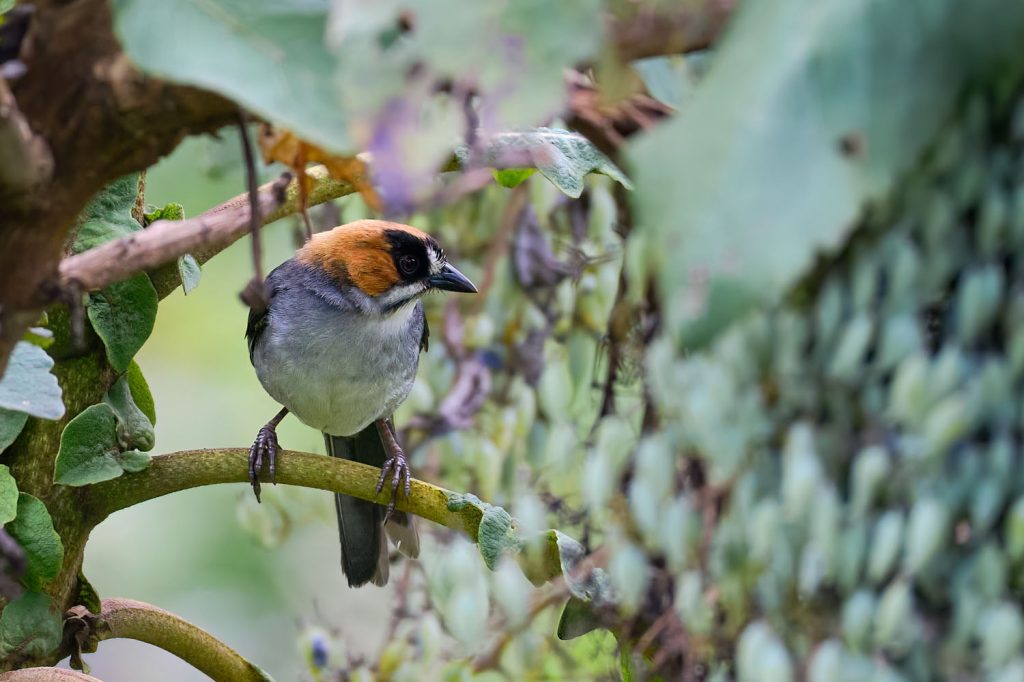
Black-spectacled scrub (Atlapetes melanopsis)
Photography: Jonathan Chancasana
The black-eyed bushman: a forest guardian
El Atlapetes melanopsis is listed as «endangered».» according to the Peruvian Red Book and «near threatened» by the IUCN. It is a bird exclusive to the central Peruvian Andes, and plays a vital role as a seed disperser. in montane scrublands. Their habitat is being destroyed by agricultural expansion and forest fragmentation.
Protecting Atlapetes melanopsis is also about ensuring the health of forests and the water that feeds entire villages.. This is a call to recognize that the most effective conservation is born from the territory and those who inhabit it.
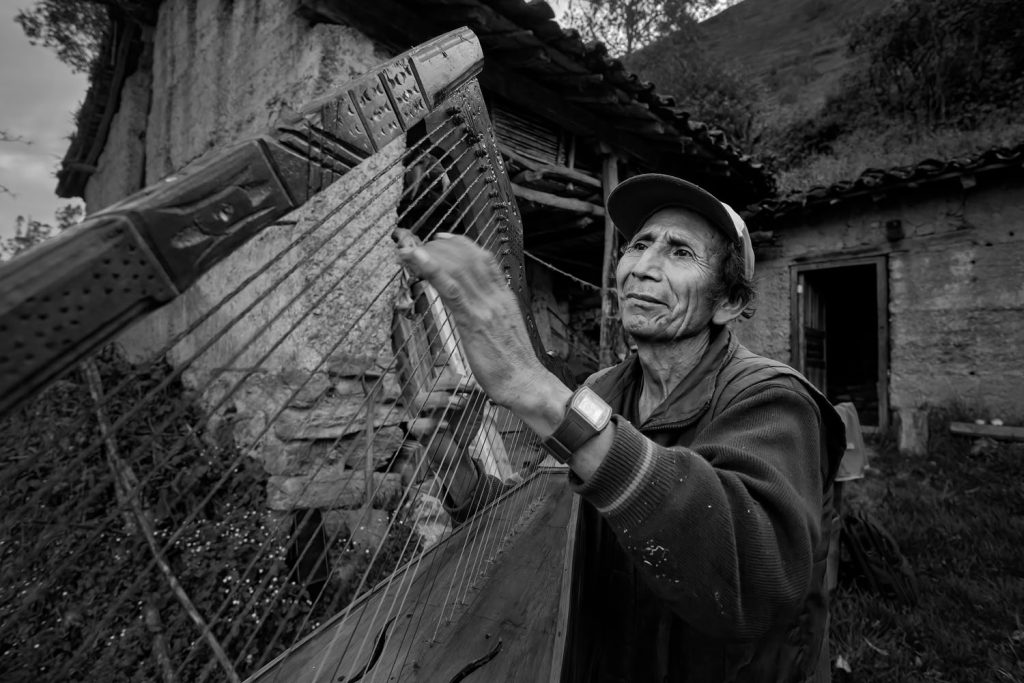
Mr. Alberto Untiveros playing his harp (Huata community member)
Photography: Jonathan Chancasana
Living culture and ancestral roots
Huata is not only home to natural wealth, it is also the cradle of cultural expressions such as the Tira Palo dance, which embodies the indomitable spirit of its people. This tradition and its history as the last Wanca military bastion strengthen the identity of a people that decides to preserve from pride and resistance.
The Initiative Poultry Preserves is led by the American Bird Conservancy (ABC), National Audubon Society (Audubon), Bird Life International, Birds Canada and the Latin American and Caribbean Network of Environmental Funds (RedLAC). The national partners are Profonananpe and ECOAN, leaders of implementation in Peru, with funding from the Bezos Earth Fund.
Join us
Fressia Ames Martinez
President of ANDINUS
fressiames@gmail.com