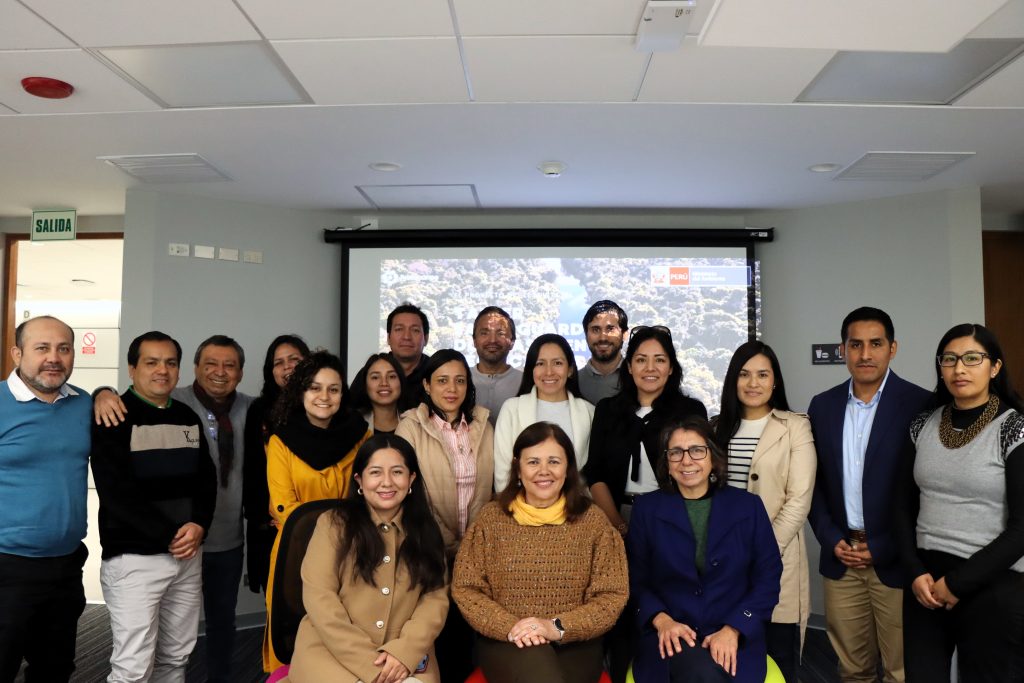
Photo: Profonanpe
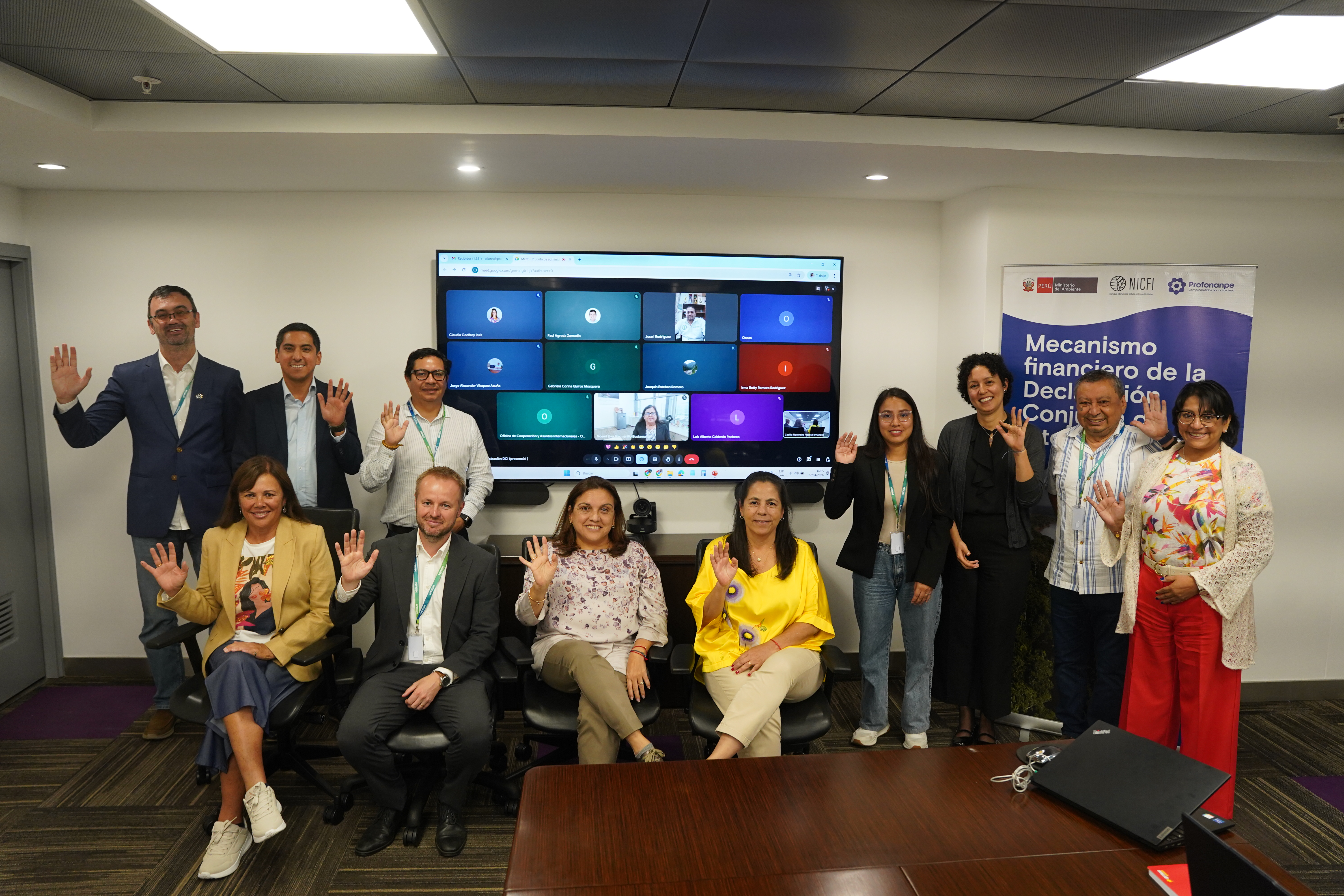
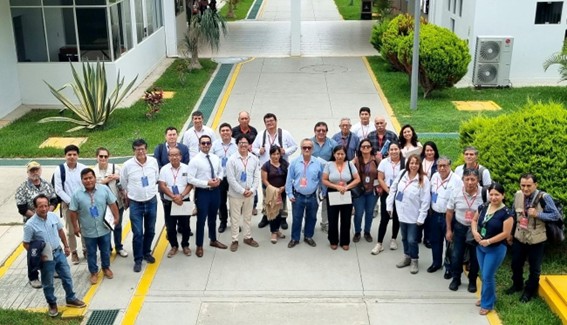
Between July and September, the Joint Declaration of Intent (DCI) Project, led by the Ministry of the Environment and implemented by Profonanpe, successfully organized eight workshops in Ucayali, Loreto, San Martín, Amazonas, Huánuco, and Madre de Dios, as well as two in Lima.
These forums brought together a wide range of stakeholders, including regional governments and agencies such as the Ministry of the Environment, SERNANP, the Ministry of Culture, and SERFOR, as well as indigenous organizations, directors, leaders, and specialists from the various departments involved in implementing the project.
The first part of the workshops focused on sharing and validating the safeguards instruments. The Stakeholder Mapping exercise was presented and discussed to gather valuable input. In addition, an open dialogue was held on the Grievance Mechanism, allowing for a detailed presentation and the collection of constructive suggestions to improve the process.
Technical assistance was provided to the components of community forest management and effective management of regional conservation areas, primarily with regard to reporting. In addition, gaps and bottlenecks were identified that hinder the achievement of technical and financial goals.
The process map has finally been updated, and the lessons learned have been documented, which will allow us to incorporate them into our continuous improvement efforts.
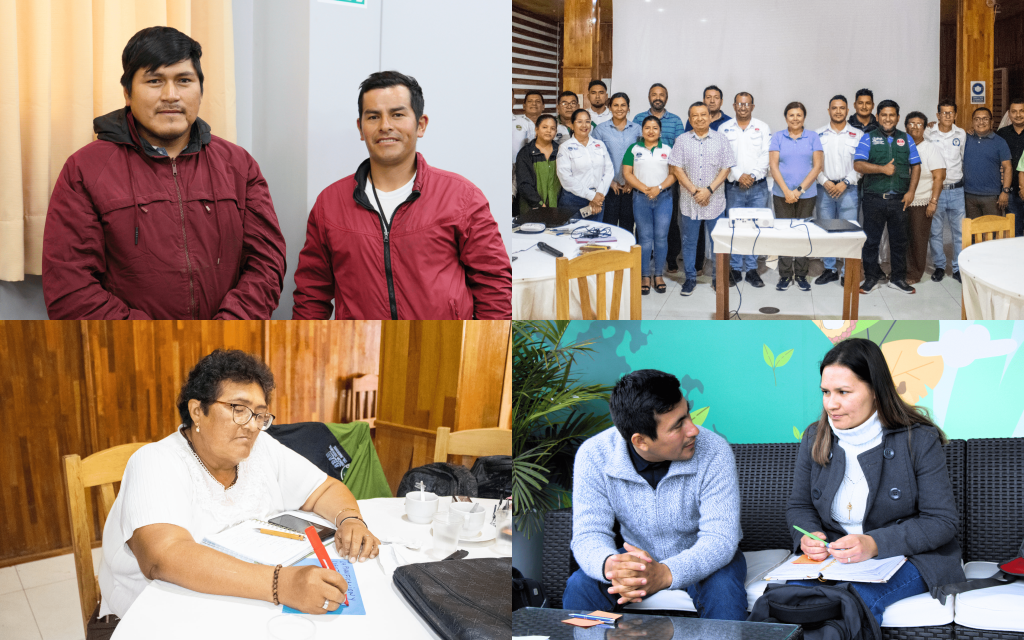 Photo: Profonanpe
Assessment and Learning
On the other hand, during the workshops, participants spoke highly of the gender and intercultural approach that the DCI Project has incorporated into its activities. Many attendees noted that the project’s strategies and actions not only address deforestation and climate change but also take gender equality and cultural diversity into account.
These initiatives not only strengthen the capacity to respond to deforestation and climate change, but also promote greater collaboration among the institutions and communities involved. The DCI Project continues to advance its mission to reduce greenhouse gas (GHG) emissions and mitigate the impact of climate change, supported by the commitment and active participation of all key stakeholders.