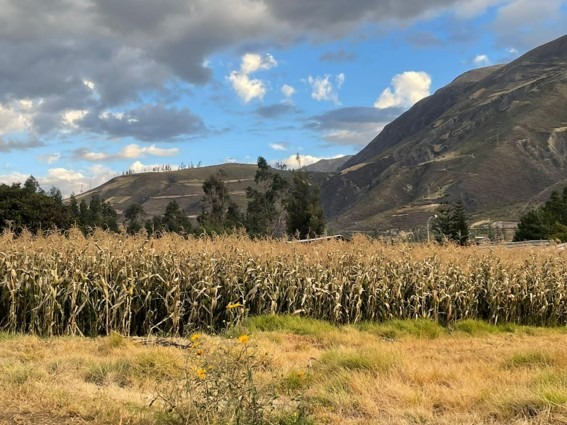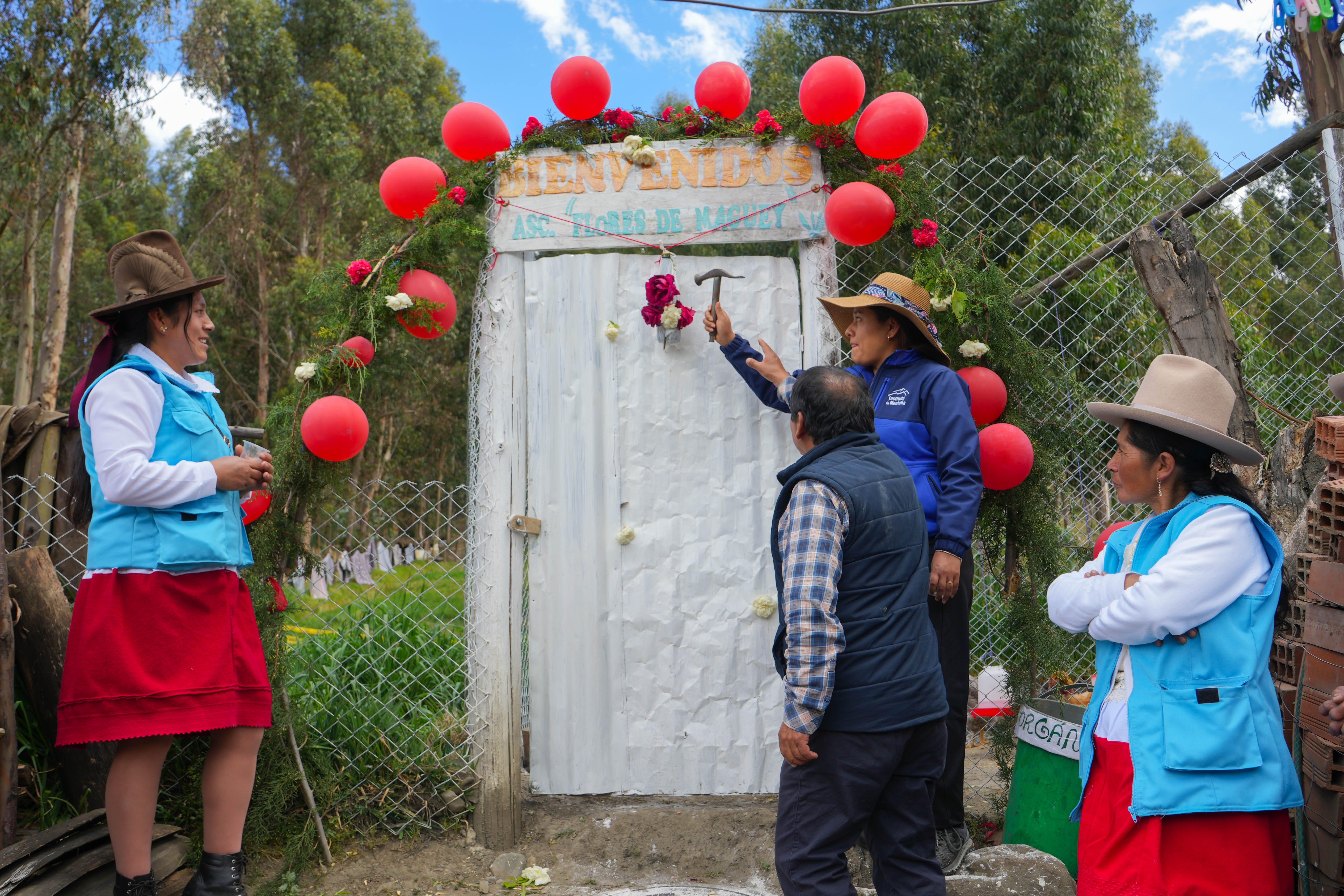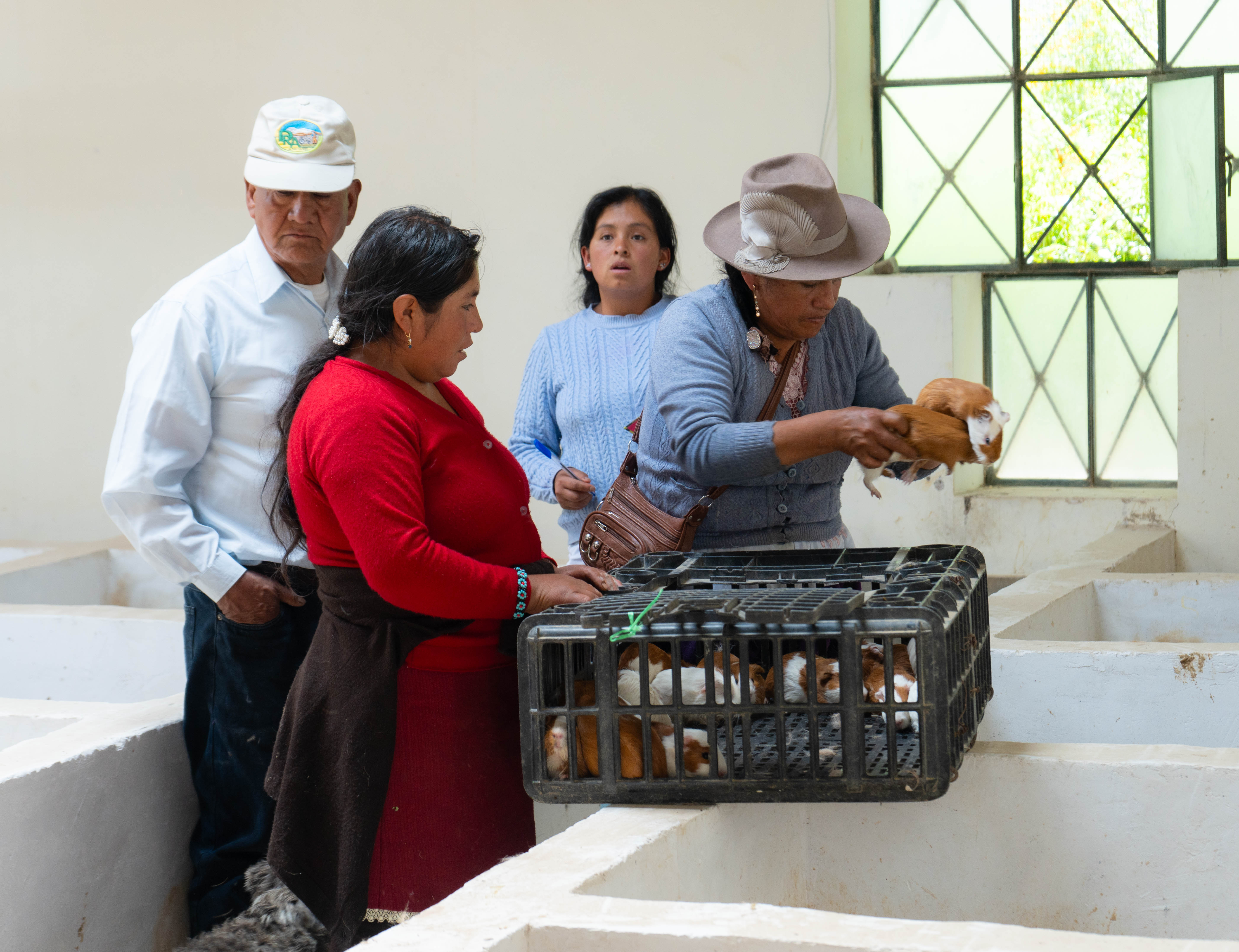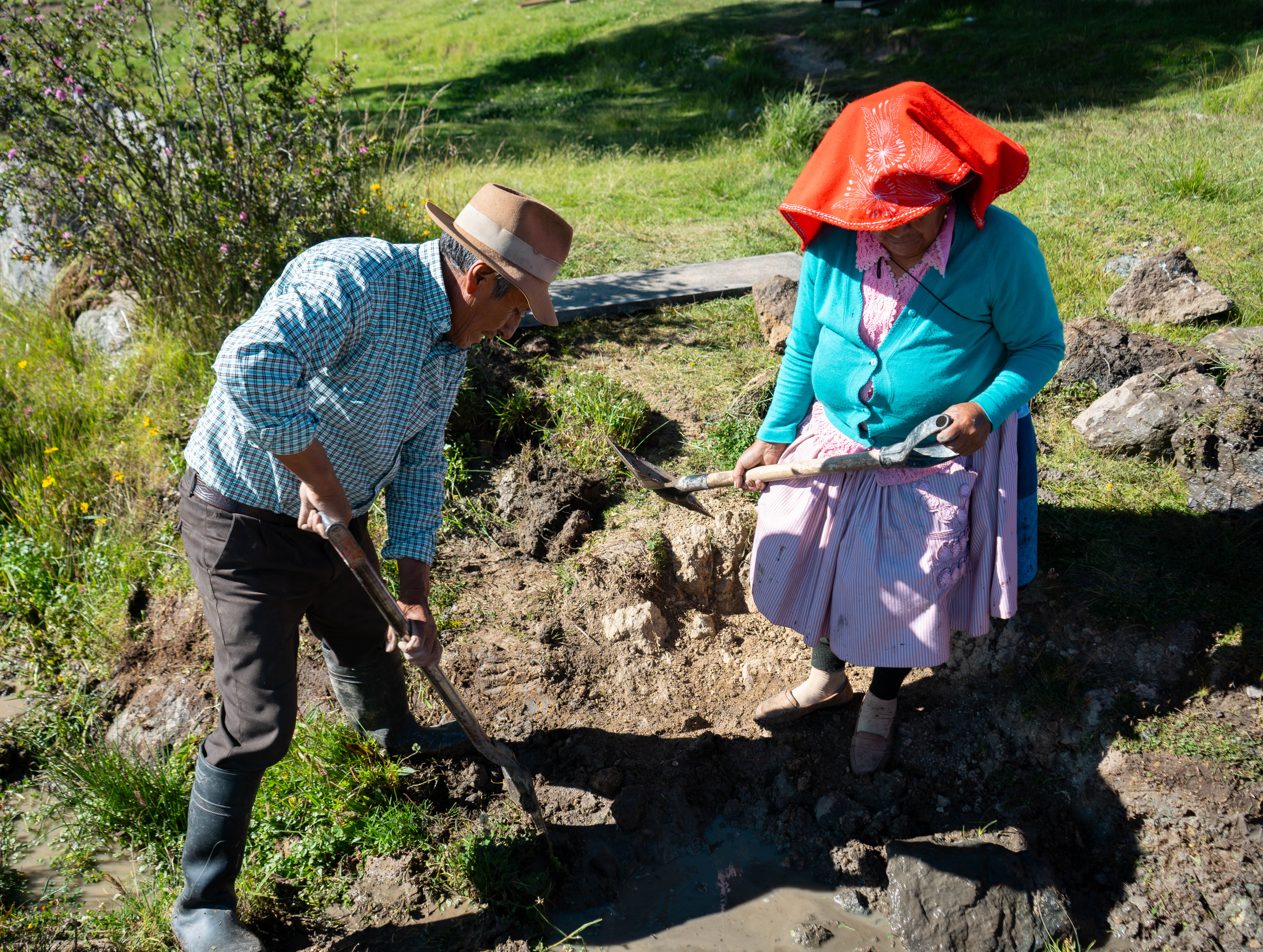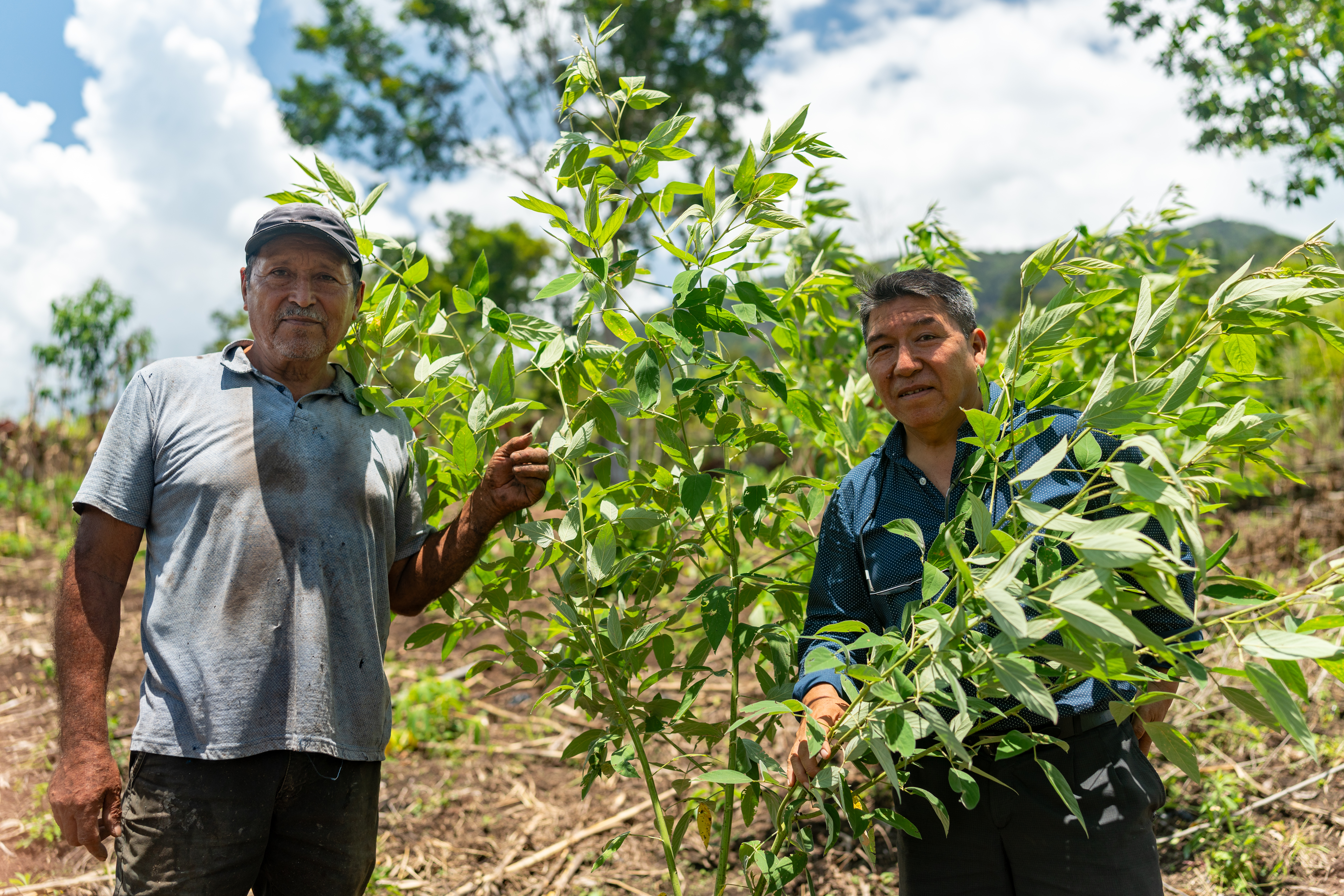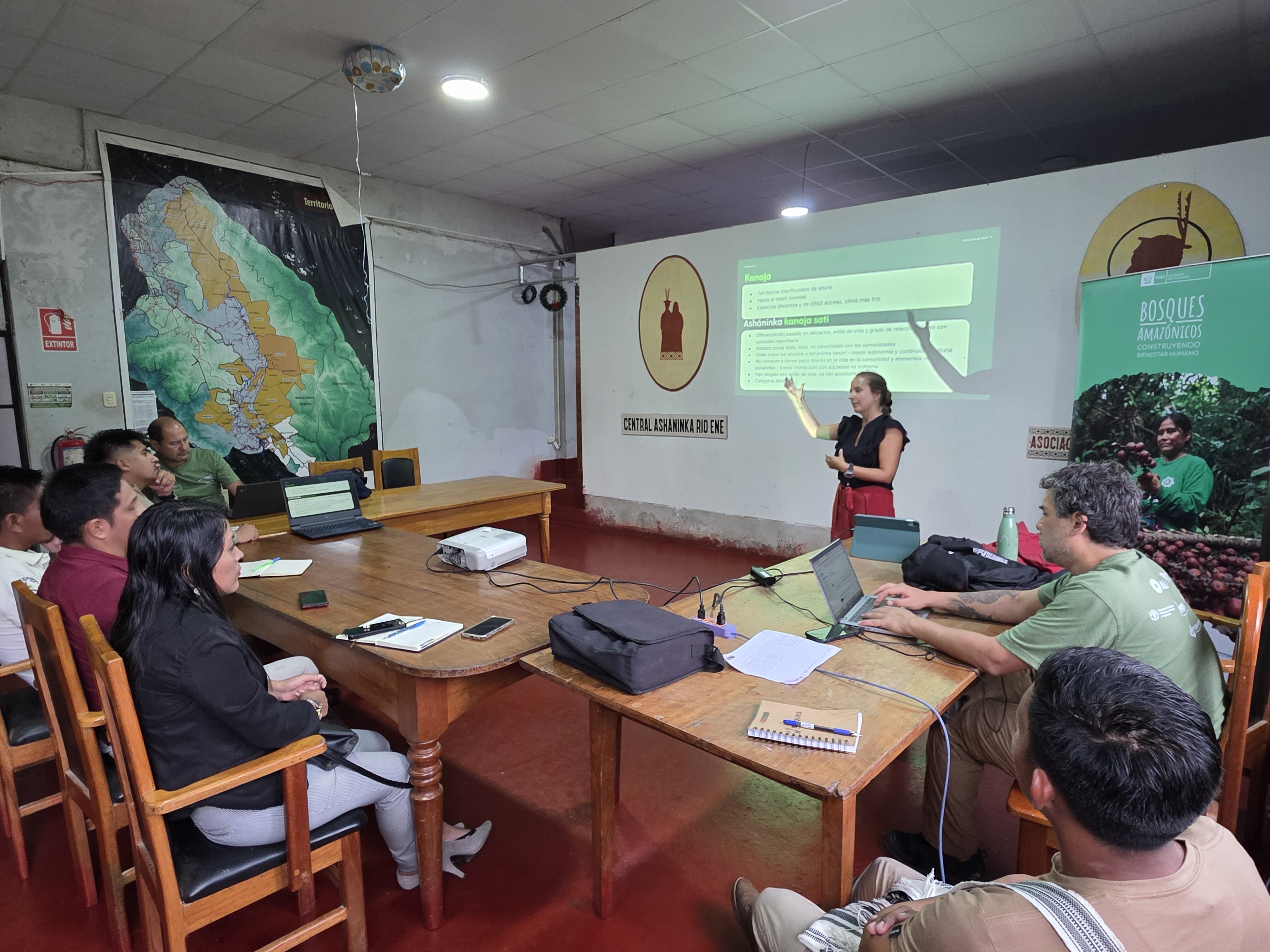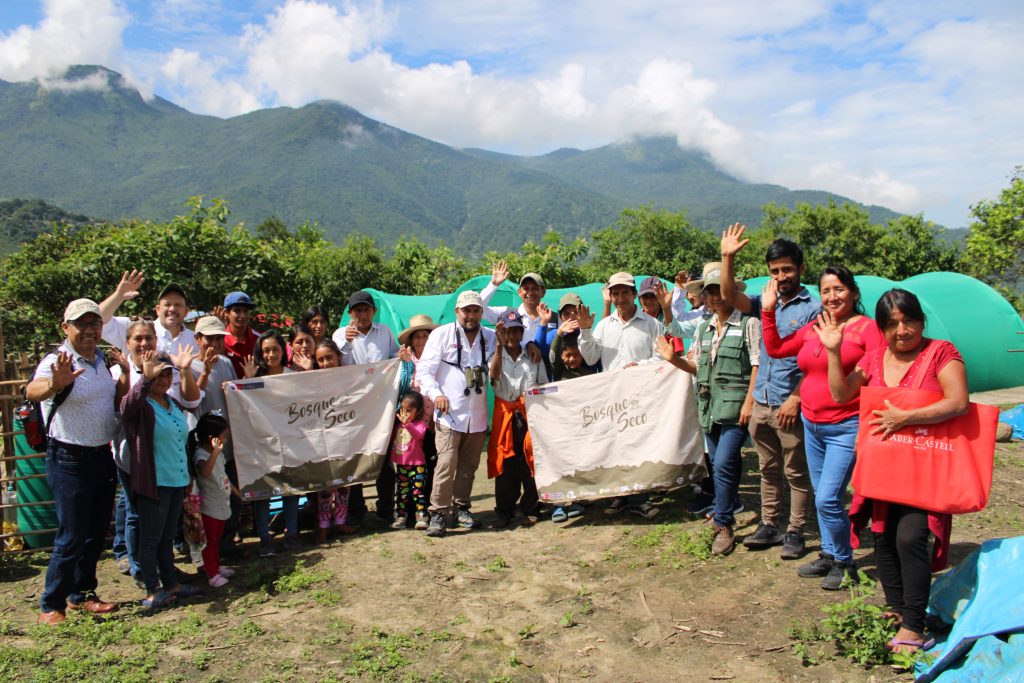
This past weekend, we visited areas of Lambayeque where dry forest restoration practices are being implemented in direct collaboration with local communities, in order to learn about the progress and results of this experience. These are the El Banco sector of the Salas farming community, which has a special development committee made up of 33 members (15 women and 18 men); and the Laquipampa farming community, which has 2 producer associations, duly registered, with a total of 38 members (12 women and 26 men), who together with the project are restoring their agricultural plots through agroforestry..
During the visit, the delegation was able to see first-hand the progress and learning of the Project's partners, especially those acquired in the Field Schools. In these spaces, families learn in a practical way about the production of organic fertilizers, compost with microorganisms and bioferments, among others. This knowledge allows them to apply what they have learned on their own plots of land.
As part of the actions to strengthen food security, the associates showed the implementation of family bio-gardens, in which products such as cilantro, radish, beet, lettuce and spinach are already being grown. This shows that it is possible to produce healthy food at home, improving their daily diet.
They also presented the nurseries with forest species such as Faique, Tara and Zapote. These plants, in later stages, will coexist with the main activities of the area, such as the cultivation of sugar cane, and the raising of small animals or cattle. This synergy opens new opportunities to conserve the dry forest, while generating economic income, especially through the commercialization of the Tara.
During his visit, Marco Arenas highlighted the active role of the communities, stating: “The leaders of the Project are you and the Ministry of the Environment”, thanking them for their commitment and inviting them to assume a more active leadership role. He remarked that this initiative seeks to promote forest restoration and conservation, and at the same time, improve the family economy, which represents a great opportunity for everyone.
For his part, Sergio Lazo encouraged the attendees to generate associativity, since this will allow them to access new financing and growth opportunities, in addition to strengthening an efficient and sustainable use of the forest. He also thanked the valuable support of Arena Verde - Agrovisión, one of the key partners of the Project.
All of these actions contribute to the main objective of the Dry Forest Project, which is to restore and sustainably manage the dry forests of the northern coast of Peru, conserving their biodiversity, guaranteeing ecosystem services, and increasing the resilience of communities in the face of climate change. In addition, the project supports the achievement of the national goal of land degradation neutrality.
During the day, equipment for monitoring and control of dry forests and fire fighting tools (fire extinguishers, rakes and water pumps) were also delivered to the Laquipampa Wildlife Refuge and the Bosque de Pomac Historic Sanctuary, where field schools are also held.
The delegation included Marco Arenas, Director of Biological Diversity of the Ministry of the Environment and National Director of the Dry Forest Project; Sergio Lazo, Project Coordinator; Vladimir Saguma, Coordinator of Component 1; and Patricia Medina, Coordinator of Component 2 of the project.
About the project “Dry Forest of the Northern Coast of Peru”.”
Dry forest ecosystems are crucial for climate change adaptation and mitigation, as they harbor great biological diversity and provide essential ecosystem services for local communities.
The “Dry Forest of the Northern Coast of Peru” project is an initiative financed by the Global Environment Facility (GEF) and executed by the Ministry of the Environment. It is supported by the Ministry of Agrarian Development and Irrigation, FAO, IUCN and Profonanpe. Learn more here.