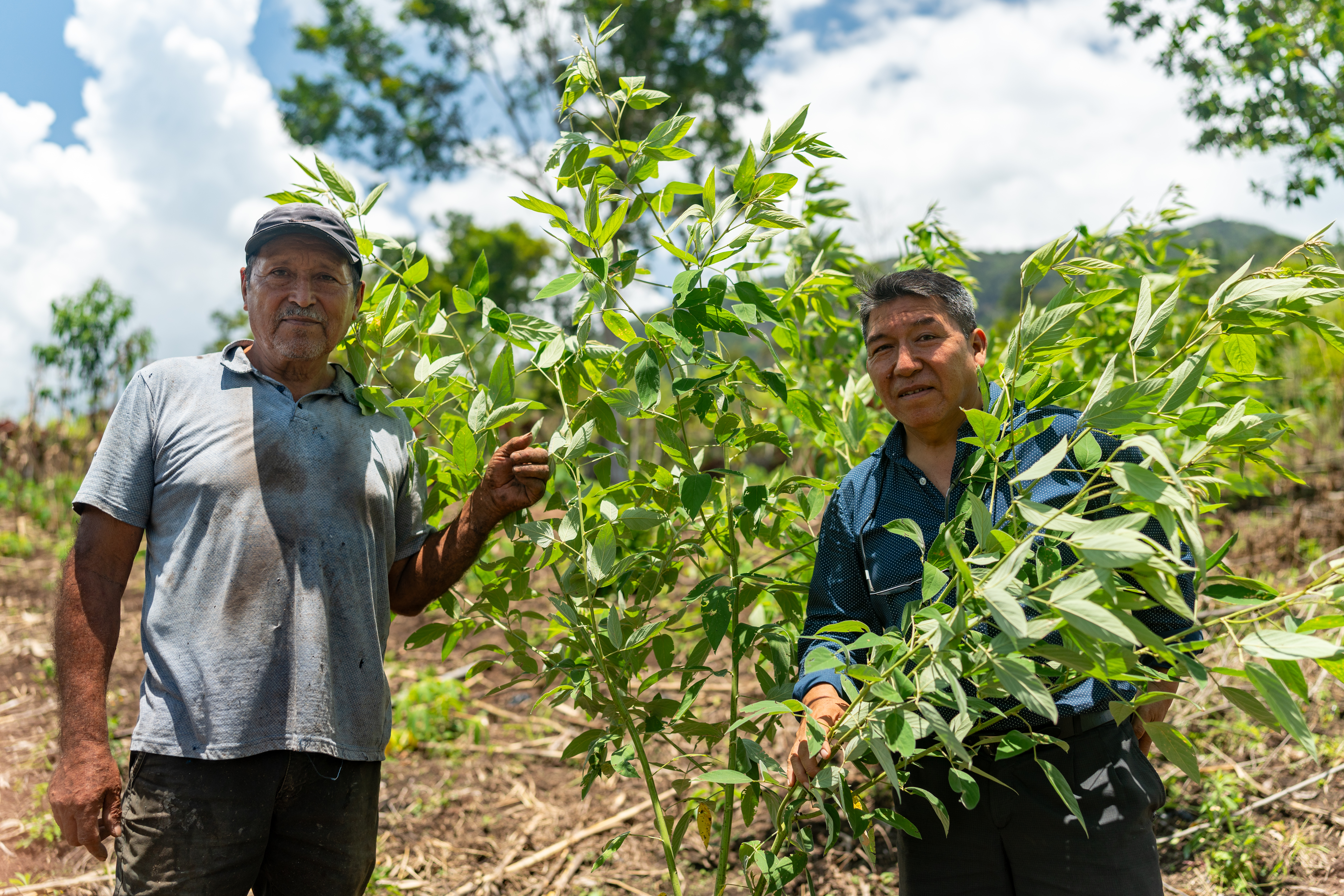
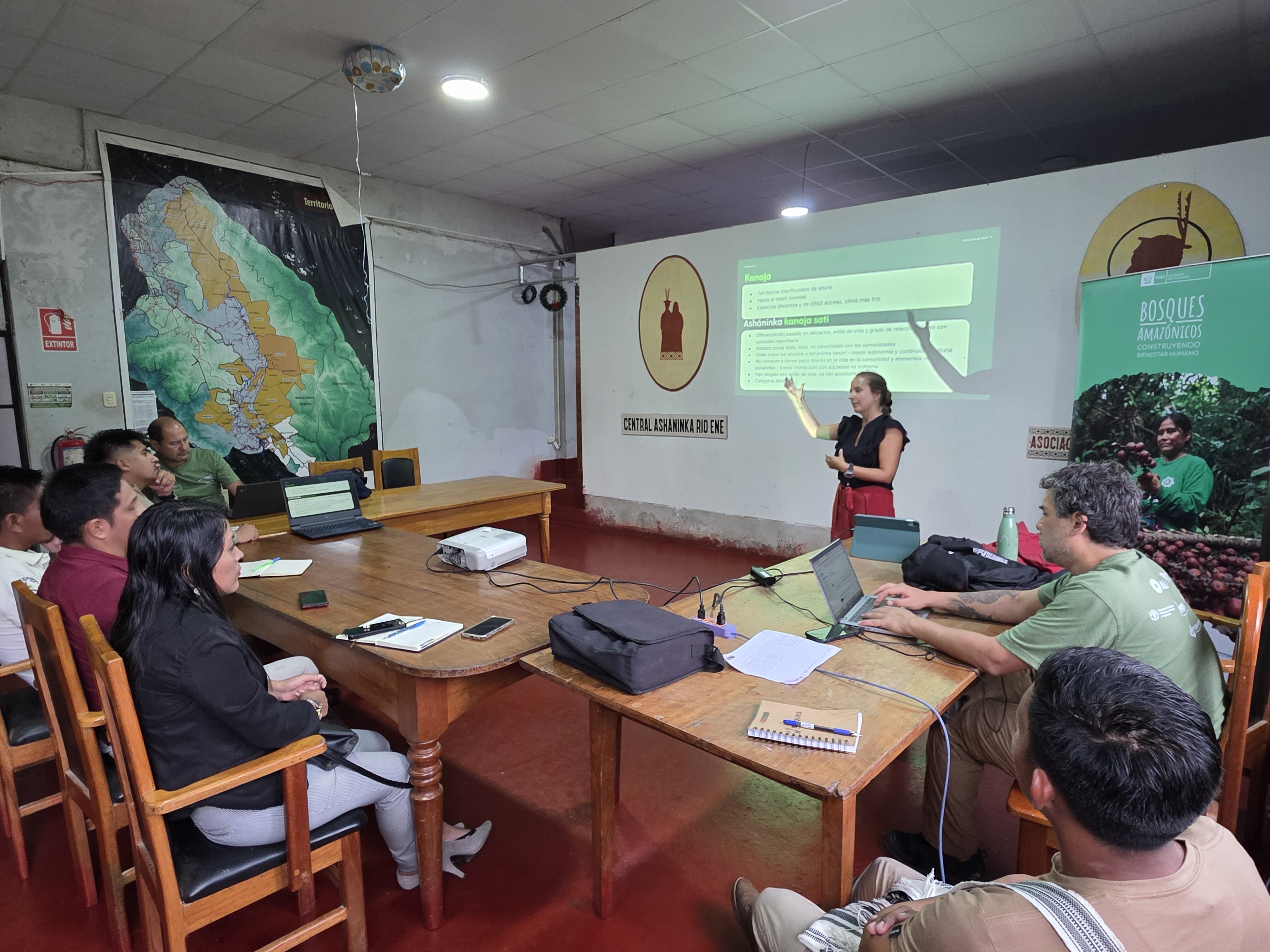
In the montane forests of Huamantanga and Chorro Blanco, in the province of Jaén, local communities are working for the same purpose: to conserve one of the most valuable and fragile ecosystems in Cajamarca.
As part of this commitment, the Regional Government of Cajamarca is leading the process for the establishment of the Huamantanga and Chorro Blanco Montane Forests Regional Conservation Area (RCA) as of 2021, with technical support from Nature and Culture International (NCI) and funding from the Andes Amazon Fund.
The great momentum of Conserva Aves
During the last quarter of 2025, the Conserve Birds Initiative - led in Peru by PROFONANPE and ECOAN - joined this effort, giving a new impetus to the process that seeks to protect the last Jaén Forests. As a result, a committee was formed to promote the proposal, made up of local authorities, community representatives and technical allies who are working together to guarantee the protection of more than 14,000 hectares of montane forests, essential ecosystems for environmental balance and biodiversity conservation.
After a democratic election, the District Municipality of Colasay was elected to chair the steering committee. Marielena Cruz Huancas, Manager of Municipal Services and Environmental Management, assumed the position on behalf of the local government, being endorsed by the majority of votes of the stakeholders involved.

Maria Elena Cruz Huancas, Colasay's Municipal Services and Environmental Management Manager, presides over the RCA Promotion Committee for the Huamantanga and Chorro Blanco Montane Forests. © Alberto Genaro
Participation and local knowledge
As part of the strengthening of the process for the establishment of the Huamantanga and Chorro Blanco Montane Forests RCA, the Nature and Culture International team and the Regional Government of Cajamarca held coordination meetings to validate the progress of the proposal and gather observations.
In addition, SERNANP held six informative workshops on the fourth stage of the RCA evaluation in the district municipalities of Jaén, San José del Alto and Huabal, as well as in the towns of La Higuera (Colasay), San Luis de Nuevo Retiro (Huabal) and Puerta del Edén (San José del Alto).
In each workshop, local communities shared their knowledge about the forest, the resources it offers and the species that inhabit it. A remarkable fact was the female participation, which reached 37.5 % of the total number of attendees, showing the active and growing role of women in biodiversity conservation actions and local environmental management.

End of the decentralized workshop with the local population of “La Higuera” village in the district of Colasay, one of the closest sectors to the future RCA Huamantanga and Chorro Blanco. © Alberto Genaro
Community science to care for the forest
During the last three months, we have been working on the Community Bird Monitoring Plan, a participatory tool that will allow local communities to identify and record changes in the populations of key species. This plan combines scientific knowledge with local observation and community capacity building, thus enabling informed decision-making on natural resource management.
The monitoring will focus on three representative bird species: the Peruvian tororoi “Grallaricula peruviana”, the bearded kettle “Penelope barbata” and the blue-breasted toucan or seven-colored toucan “Andigena nigrirostris”. These birds are natural indicators of the ecosystem: their presence or absence provides valuable signals about their conservation status.
A global alliance for conservation
Conserva Aves is an initiative led by the American Bird Conservancy (ABC), the National Audubon Society (Audubon), BirdLife International, Birds Canada, and the Latin American and Caribbean Network of Environmental Funds (RedLAC). In Peru, its national partners are Profonanpe and ECOAN, with funding from the Government of Canada.
Its objective is to create and strengthen protected areas managed by local communities and subnational governments, ensuring the conservation of essential habitats for birds and other threatened species, while promoting sustainable development opportunities.
With the commitment of its communities, the support of national and international institutions, and the leadership of the Regional Government of Cajamarca, the Huamantanga and Chorro Blanco montane forest is expected to be officially protected this year.