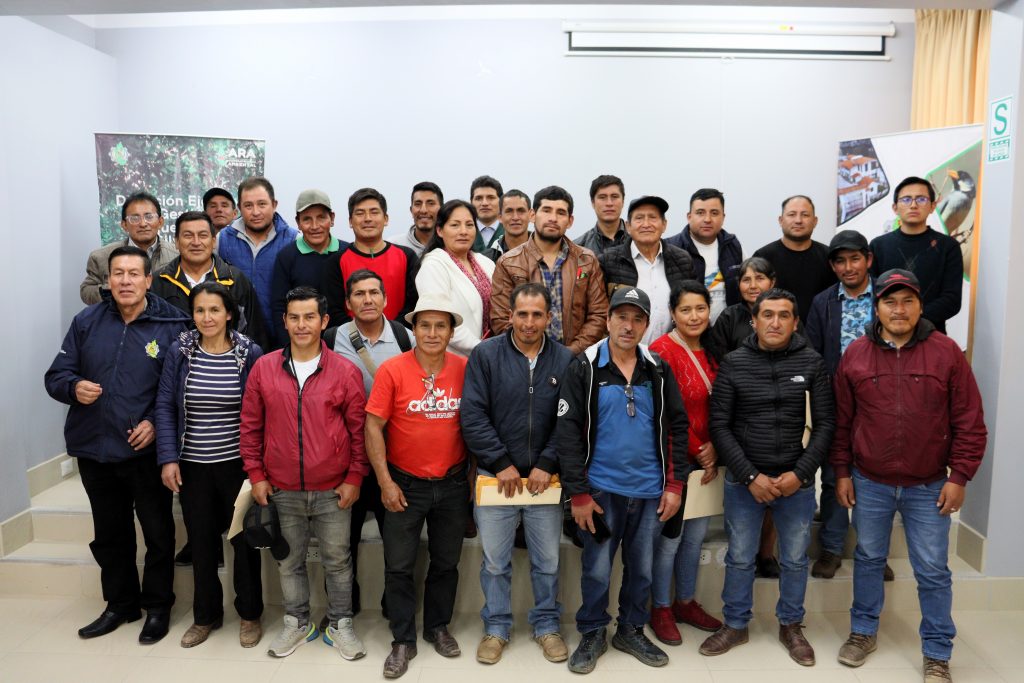
Photo: Amazonas Regional Environmental Authority.
Native communities play a fundamental role in the sustainable management of natural resources. According to the Instituto del Bien Común (IBC), cover approximately 80% of the Amazonian territory in Peru., Therefore, their ancestral knowledge and deep connection to the land are crucial for the protection of ecosystems and the implementation of responsible use practices.
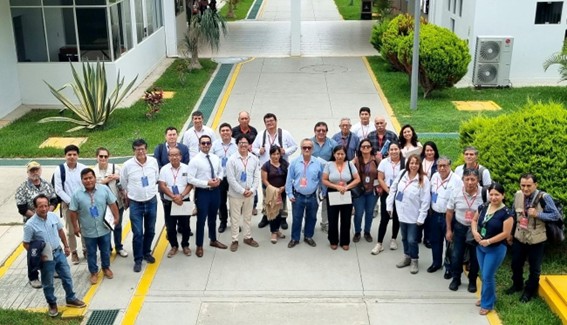
In this context, and with the aim of strengthening their capacities, integrating their local knowledge in forest management, authorities from 27 native communities participated in the informative workshop aimed at induction, sensitization, dissemination and capacity building of indigenous communities within the framework of the project “Contribution to the Updated Implementation Plan of the ICD 2021 - 2025”.
The Forestry Zoning (ZF) process is led by the Regional Environmental Authority (ARA) of the Amazonas Regional Government with technical assistance from the National Forestry and Wildlife Service (SERFOR), the DCI project has been supporting the progress of the implementation of part of the FTZ process, specifically for 5 priority provinces: Utcubamba, Luya, Bongará, Rodríguez de Mendoza and Chachapoyas.
During the session, the Director of Forest and Wildlife Management of the ARA Amazonas, Wilson Carrasco Barturen, welcomed the attendees, followed by a presentation by Geographer Ernesto Aguilar, who explained the progress and key concepts of the forest zoning process in the regional framework. The presentation included the importance of zoning as a crucial tool for the sustainable management of forest resources.
The participants were divided into working groups to reinforce the concepts of forest zoning. The groups discussed the internalization of the knowledge transmitted and the identification of intervention areas. This participatory approach allowed the participants to integrate their ancestral and local knowledge into the technical process of forest zoning.
Community Leadership
A significant achievement of the workshop was the designation of regular and alternate representatives to the forest zoning technical committee, ensuring that communities have a voice and direct representation in decisions related to the management of their territories. This process strengthens environmental governance and guarantees the inclusion of communities in decision-making.
Finally, a space was opened for questions and comments, allowing participants to express their concerns and receive feedback. These types of activities, organized within the framework of the ICD Project, demonstrate the commitment of Profonanpe and the Ministry of the Environment (MINAM) to work hand in hand with local communities to achieve sustainable development and efficient forest management in the Peruvian Amazon.
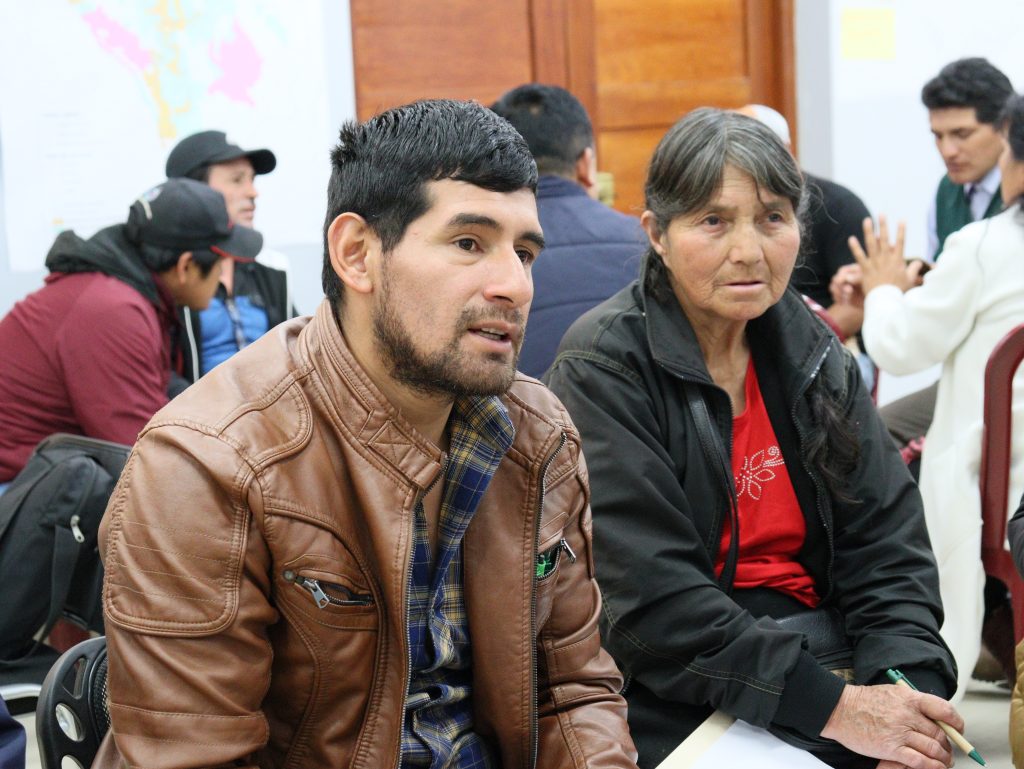
Photo: Amazonas Regional Environmental Authority.