An ecosystem full of living knowledge

Management Report 2023

Authors: Profonanpe

Publication: 2023

It has been 31 years since the creation of Profonananpe in 1992. The conservation fund for protected areas has become Peru's environmental fund. We have expanded our typical services of fundraising, investment fund administration, design and implementation of initiatives and administrative and financial management to include others that emerged from the learning acquired throughout this period such as technical assistance to different entities, monitoring and evaluation of projects and its consequent knowledge management, as well as the and awareness-raising of environmental actions.

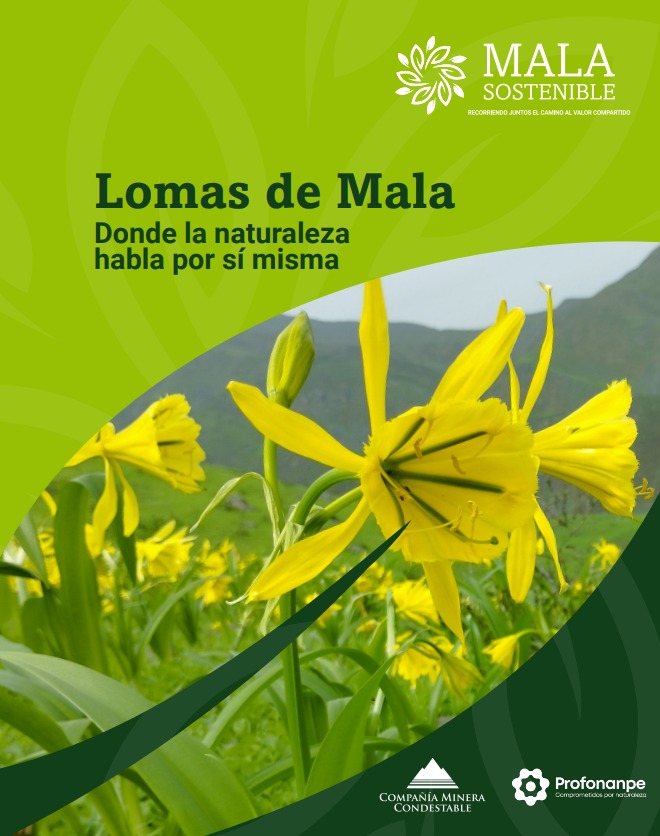
Lomas de Mala, where nature speaks for itself

Authors: Profonanpe

Publication: 2024

During the coastal winter, a dense layer of fog with high humidity content envelops the coastal hills, accompanied by drizzle that blocks the sun's rays. This event gives rise to the formation of unique ecosystems, such as the hills, typical of the Peruvian coast.

Manual for the Management of Solid Waste at Fishing Landing Sites

Authors: Profonanpe

Publication: 2023

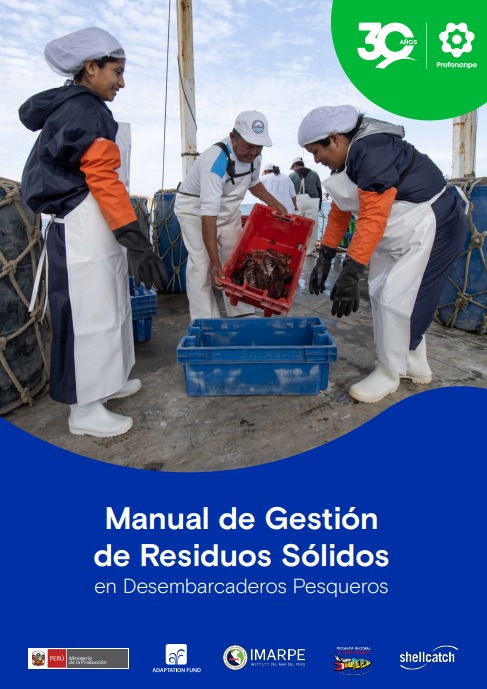
This manual seeks to generate a change in the behavior of people involved in artisanal fishing activities, so that they make use of solid waste management and assume their commitment to implement good practices. It is of utmost importance to know the regulatory aspects, opinions and perceptions of the actors involved in this artisanal activity, identifying their responsibilities, describing the actions in the management of solid waste generated by artisanal fishing activities.

Manual for the production and use of Challwabiol

Authors: Profonanpe

Publication: 2023

Challwabiol is a technological alternative of entrepreneurship that allows the use of livestock and fishery waste for the benefit of agriculture, easy to produce and profitable for people who are linked to the artisanal fishing and agricultural sector.

Manual for the production and use of Challwamino

Authors: Profonanpe

Publication: 2023

In Peru's large fishing processing companies and fishing terminals, waste is often transformed into fishmeal and fish oil, but the waste produced in local supply markets, filleting rooms at landing sites and restaurants has different destinations that could be used to start simple and inexpensive technology entrepreneurship processes. The process to obtain Challwamino is a good value alternative for agriculture.

Biodiversity of flora in the Mala Hills

Authors: Profonanpe

Publication: 2024

Lomas de Mala has a unique ecosystem that extends over 5,033 hectares, where up to 66 species of flora are found, including endemic species, endangered species and those with valuable genetic resources.

Faunal Biodiversity in the Mala Hills

Authors: Profonanpe

Publication: 2024

The Lomas de Mala covers an area of 5,033 hectares and is home to 67 species of fauna, which perform crucial ecological functions, such as seed dispersal and pollination. Learn about the main species of birds that inhabit these hills.

Experiences in the development, management and consolidation of biobusinesses

Authors: Profonanpe

Publication: 2023

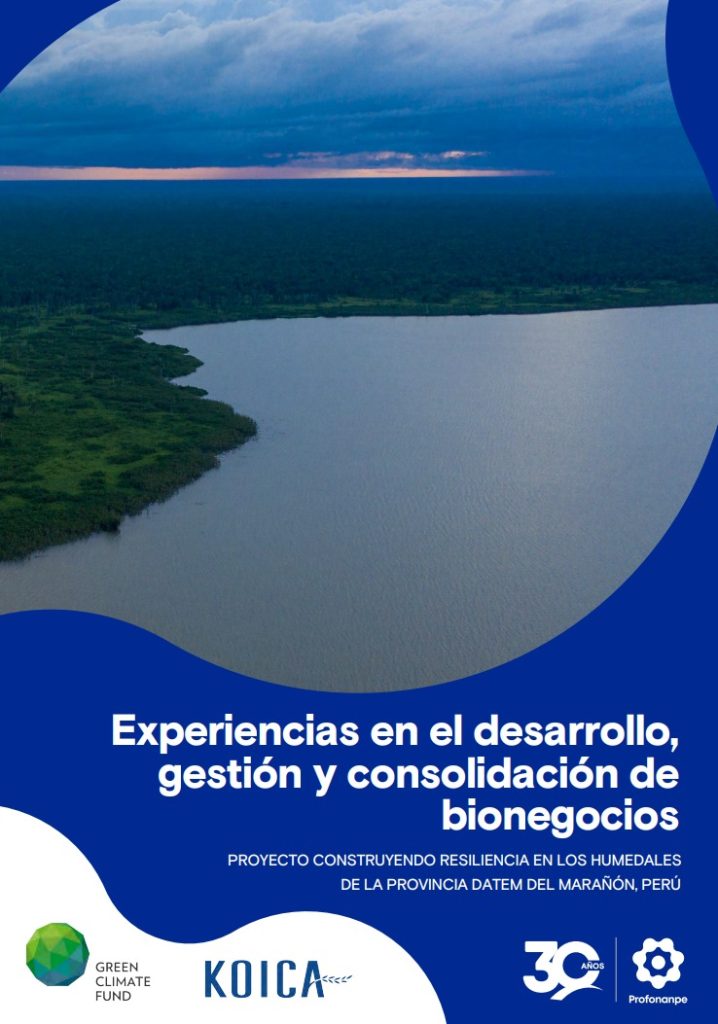
This document in particular focuses on the systematization of Component III, which has allowed for improved economic dynamism in the province, as well as the relationship, administration, and sustainable use of resources to protect the Datem Wetlands and conserve biodiversity.

Social Management of the Datem Wetlands Project

Authors: Profonanpe

Publication: 2024

The Datem del Marañón province has unique ecological characteristics. The confluence of three large rivers and other geological features have allowed for the emergence of swamps, marsh forests, and lake ecosystems. The organic soil associated with these ecosystems has generated extensive carbon reserves, stored as peat, whose sustainability is of particular environmental importance within the framework of the global commitment to reduce greenhouse gases and limit warming to 2°C above pre-industrial levels.

Measurement and analysis of the dynamics and trajectory of carbon stock levels.

Authors: Profonanpe

Publication: 2024

This study was developed in the area of influence of the Pastaza-Marañón basin, within the Datem del Marañón province, and consists of measuring and analyzing the dynamics and trajectory of carbon stock levels at the Datem del Marañón province level with emphasis on the territory where the Datem Wetlands project is being implemented.

Manual for Indigenous Entrepreneurs in Biobusiness

Authors: Profonanpe

Publication: 2024

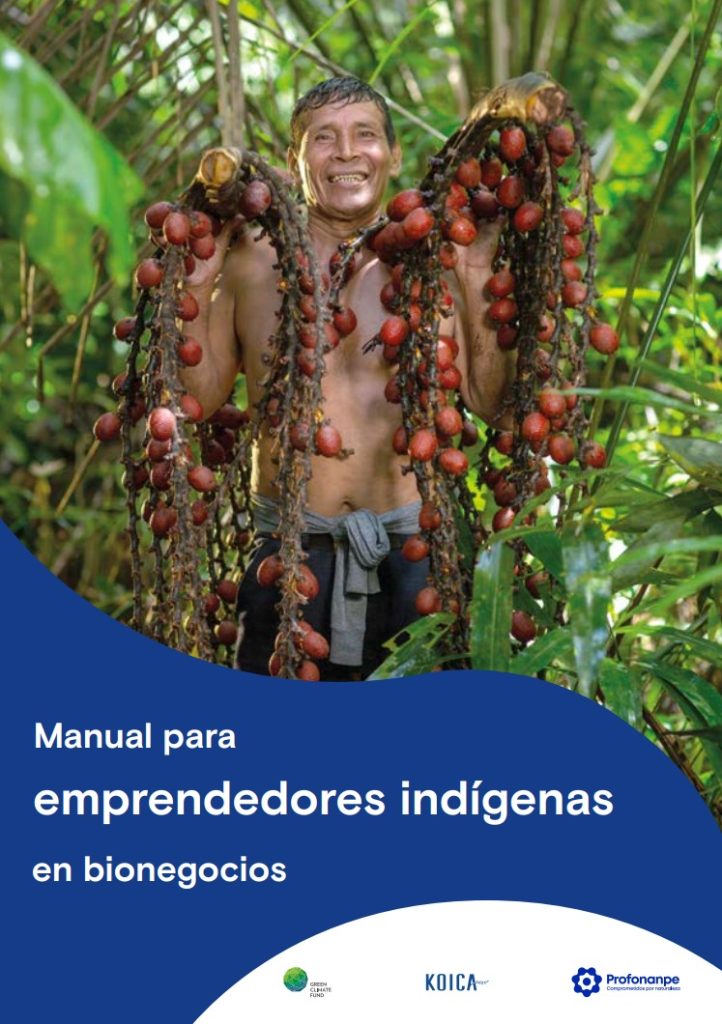
This manual will help you organize your ideas and assess whether they have the potential to become a profitable and sustainable business. If you decide to develop them and start a business, this manual will teach you how to begin.

Guide for facilitators in the formulation and implementation of bio-businesses in Amazonian communities

Authors: Profonanpe

Publication: 2024

The Program aims to strengthen the capacities of Indigenous entrepreneurs for the management and consolidation of bio-businesses, ensuring their sustainability. It comprises a series of activities through which the Profonanpe team provides training, technical assistance, and support to organized groups of entrepreneurs in the native communities with whom they promote bio-businesses.

Climate Change Perception Study

Authors: Profonanpe

Publication: 2024

This report systematizes the results of the study on the perception of climate events in native communities of Datem del Marañón. This study is part of a process to implement a Climate Monitoring System in the corridors established by the PHD, which will provide information on climate variables taking into account the perspectives and knowledge of the population of thirty-one (31) local communities.

Dialogue and participation as a basis for local governance of indigenous territories: Experience of the Datem del Marañón Wetlands project in Loreto

Authors: Profonanpe

Publication: 2024

In Datem de Marañón, 67,121% of the population lives in indigenous communities. Therefore, the PhD program proposed a social engagement and management strategy based on the governance of indigenous territories.

Sustainable management of agrobiodiversity and recovery of vulnerable ecosystems in the Andean region of Peru through the Globally Important Agricultural Heritage Systems Approach (GIAHS).

Authors: Ana Tumi

Publication: 2023

Systematization of the project “Sustainable Management of Agrobiodiversity and Recovery of Vulnerable Ecosystems in the Andean Region of Peru through the Globally Important Agricultural Heritage Systems Approach (GIAHS)”. It aims to conserve in-situ and sustainably use globally important agrobiodiversity (GIAB) through the preservation of traditional agricultural systems, the integrated management of forests, land resources and the maintenance of ecosystem services.

Carbon and hydrology modeled benefits of biobusinesses and ecosystems.

Authors: Profonanpe

Publication: 2023

Carbon modeling is used to assess the mitigation capacity of bio-businesses and ecosystems in the face of climate change. It quantifies how much carbon can be stored in plant biomass, necromass, and soils, and how many greenhouse gases, including CO2, methane, and nitrous oxides, can be prevented from being released into the atmosphere.

Gender Action Plan

Authors: Profonanpe

Publication: 2023

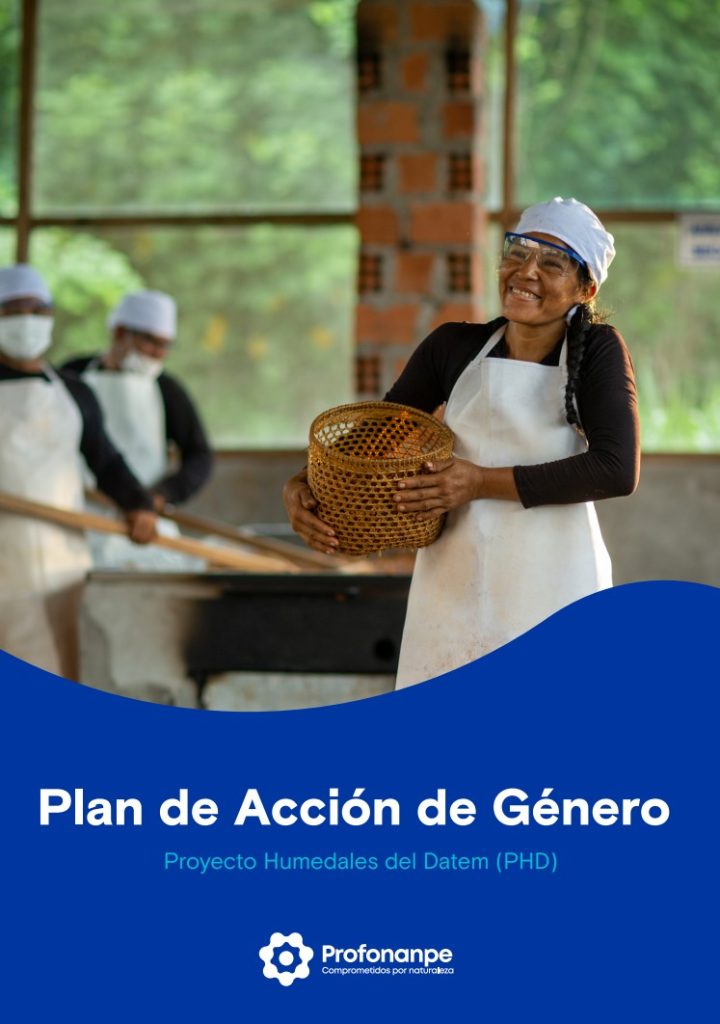
The main objectives of the Datem Wetlands Project's Gender Action Plan are to increase women's participation in the project's management, training and conservation activities, as well as in the political and social processes of their communities and representative organizations. In addition, it seeks to promote actions that reduce gender gaps in the project's area of intervention and prevent their widening.

Annual Report 2022

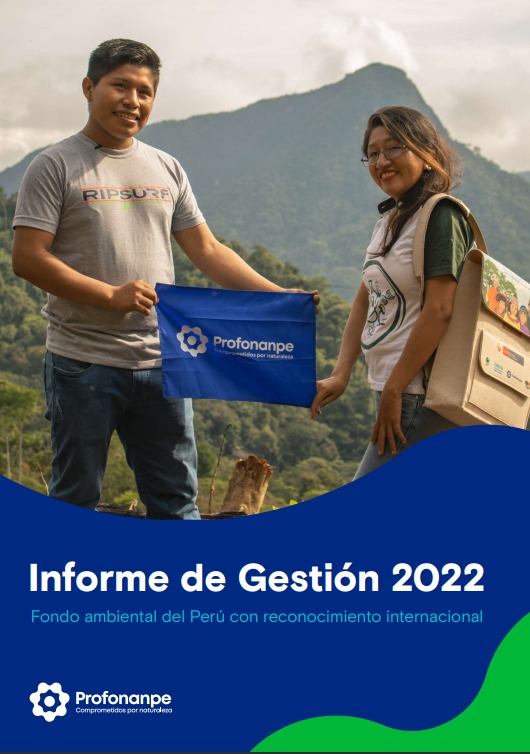
The following document compiles all the achievements that have been accomplished during the year 2022. Profonananpe has also consolidated its position as a reliable strategic partner in different regions where we are active.