Photo: Profonanpe
The Minister of the Environment, Juan Carlos Castro Vargas, visited yesterday the district of Mala, to learn about the main advances in activities related to eco-business, conservation and use of ecosystems, which are being carried out through the project Poor sustainability, This is Profonanpe's first project to be financed by private enterprise.
The project is being implemented thanks to a framework agreement signed between Compañía Minera Condestable of the Southern Peaks Mining group and Profonanpe, which allows the development of initiatives that benefit the community and the district, respecting the environment and contributing to promote economic growth in the area through proposals focused on productive development, sustainable tourism and waste management.
The maleño trail
During his visit, the minister was able to learn about the implementation of the first tourist circuit in the district.: “Sendero Maleño: between sea, culture and valley”.”, which was designed in a participatory manner with the population, productive associations, companies and the district municipality of Mala, as part of the implementation of the Local Tourism Development Plan 2025-2030.
The circuit includes eight emblematic tourist resources, including the Malecón de Bujama, the Iglesia Matriz de San Pedro de Mala and the Mirador de San José del Monte. Each of these places has information panels that include texts in Braille and a QR code that directs visitors to an informative video that presents the information in sign language. Likewise, the attractions located on the beaches have wooden walkways so that people with motor disabilities can move around comfortably and enjoy the tourist attractions.
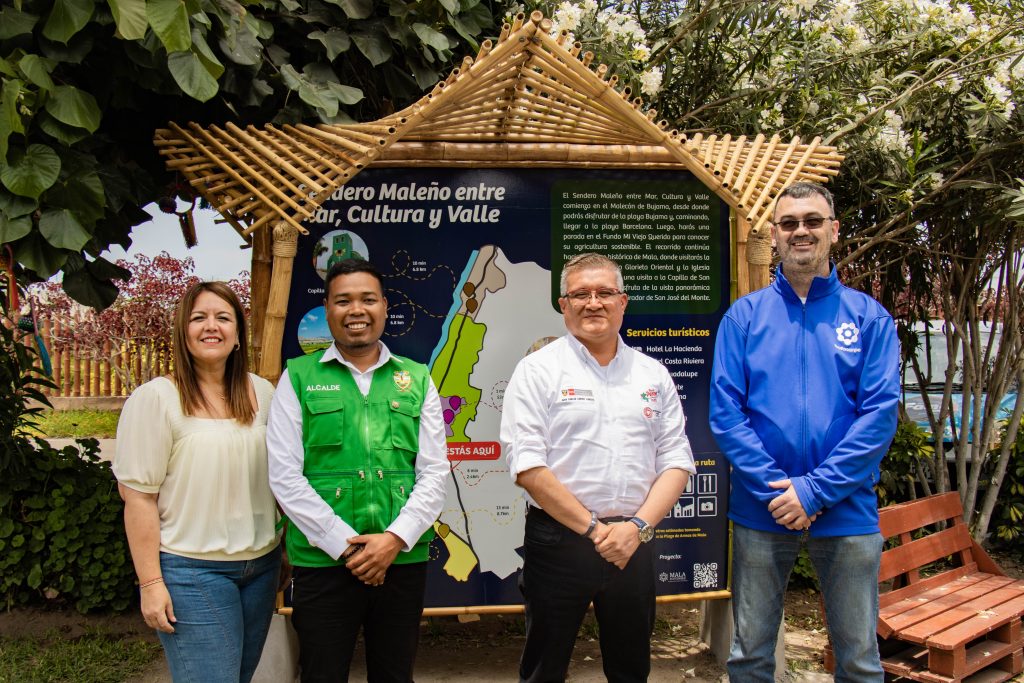
Photo: Profonanpe
Driving the circular economy
“By working with entrepreneurs we can start to really make the circular economy here in Mala.”, said the Minister when he visited the plant of the Mala Biofertilizer Producers Association (PROBIMA), which produces biofertilizers using organic waste from the municipal market and slaughterhouse. In addition, they make sustainable use of residual oil from local enterprises for the production of grease removers and soaps.
The visit also included the eco-business of the Asociación de Ecoproductores de Derivados de Plátano Maleño (ECODEP), who produce chifles using a flagship product of the area that showed losses during the high season.
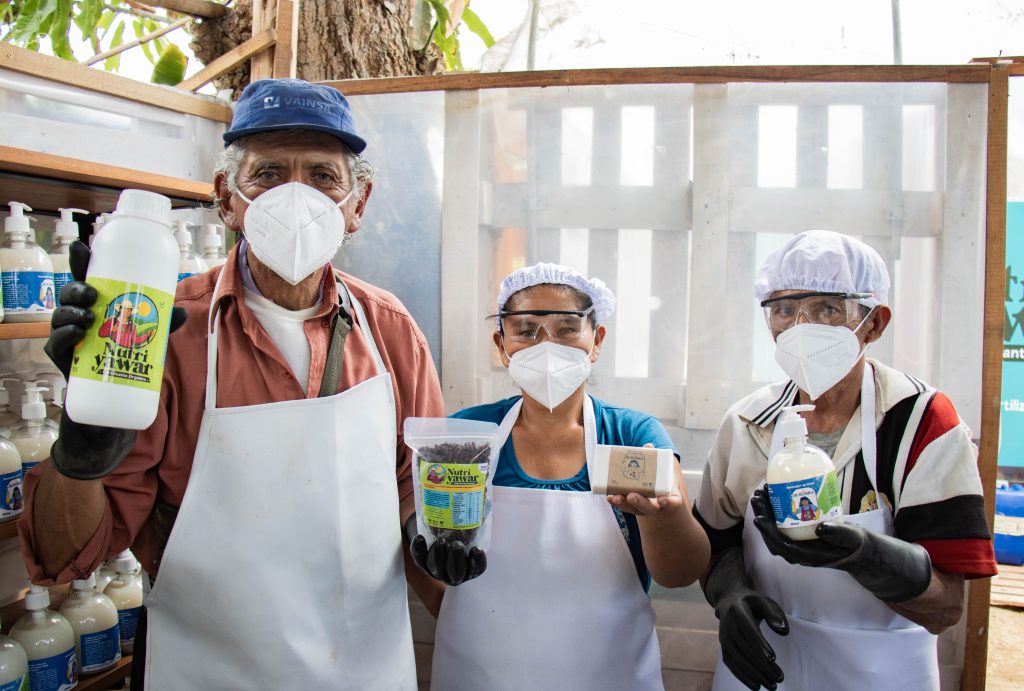
Photo: Profonanpe
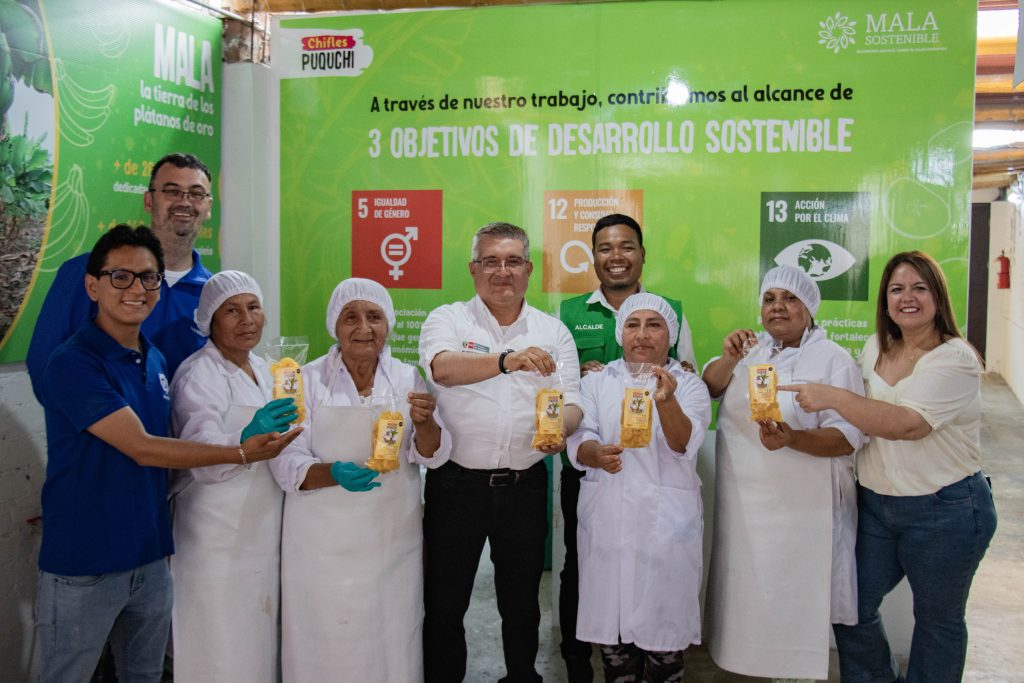
Photo: Profonanpe
Bamboo to prevent overflows
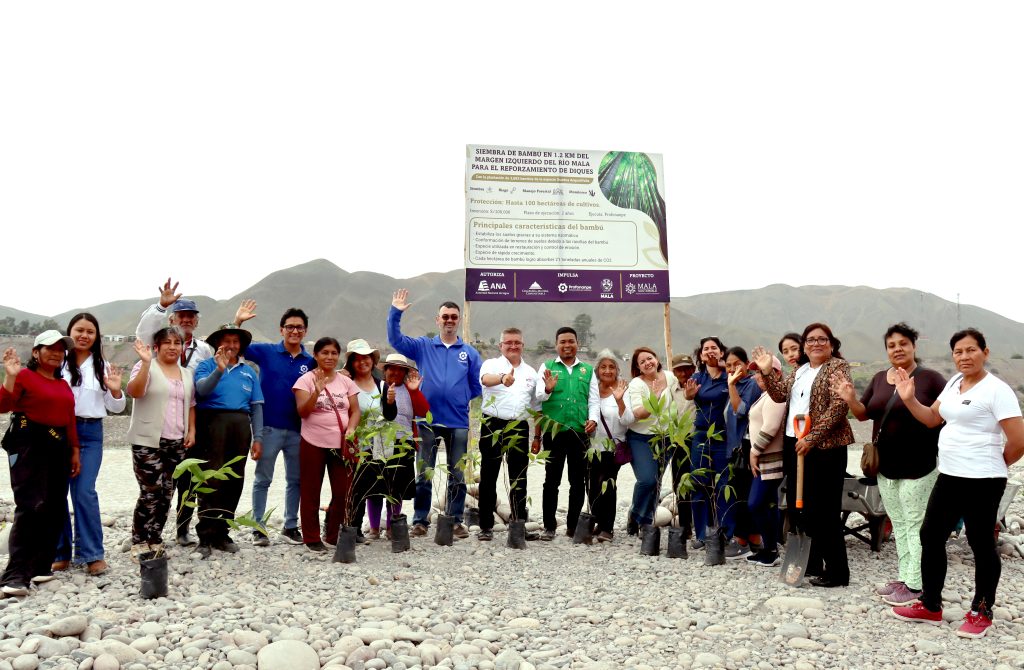
As part of the tour, we visited the banks of the Mala River where we observed more than 1,800 bamboo units planted along 1.2 kilometers, with the purpose of reducing the vulnerability of the areas adjacent to the river as a result of overflows, since bamboo has the ability to withstand the onslaught of torrential waters because its roots grow vertically and horizontally.
In addition, bamboo prevents the loss of agricultural soils and crops due to erosion and landslides, also acting as a carbon sink, contributing to climate change mitigation by capturing and storing CO₂. And to recognize its importance, the protocol act of planting bamboo on the riverbank took place.
Towards sustainability
The tour ended with words from representatives of the Municipality, Profonanpe and Compañía Minera Condestable, who reaffirmed their commitment to promoting sustainable initiatives.
“Mala is committed to being one of the most important sustainable cities in Lima, and we hope that we will continue to promote this type of projects that will help not only small entrepreneurs but also to create awareness in our population”.”, concluded the Minister of the Environment, encouraging the population to visit the tourist circuit and to consume the products developed by the members of the community to contribute to their wellbeing and development.
Learn more about the Mala Sostenible project here