Photo: Profonanpe
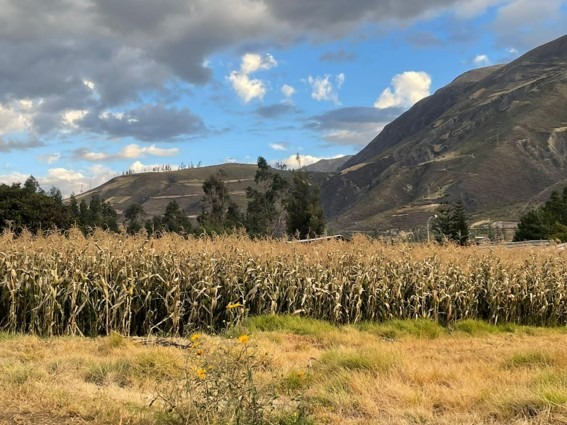
The Molinopampa Palm Forest and Bird Conservation Project, located in the province of Rodríguez de Mendoza, Amazonas, has established itself as a crucial initiative for the preservation of native birds and their habitats. This project, which spans more than 20,500 hectares, began on February 5, with the goal of protecting the bird species that inhabit the region and ensure the sustainability of water resources vital to surrounding communities. Through the implementation of conservation practices and awareness programs, the project seeks not only to safeguard the rich avian fauna, but also to foster a harmonious coexistence between people and their natural environment.
Protecting Biodiversity
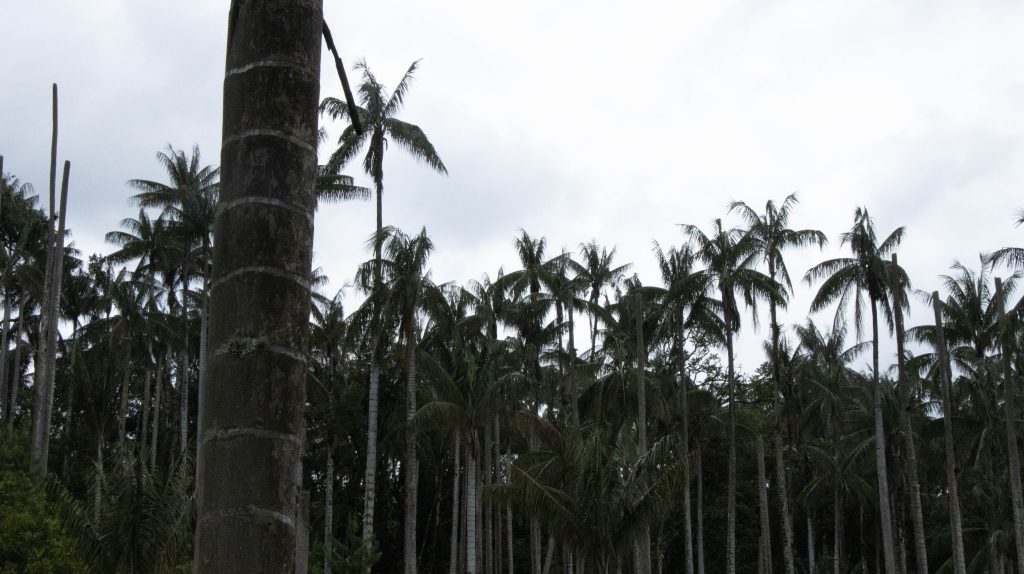
The Palm Forest is a crucial area in terms of biodiversity, as it is home to unique species such as the spatula-tailed hummingbird, an iconic species facing extinction, and the bird locally known as “Siqua,”both of which are essential to the forest’s ecological balance. Furthermore, the project addresses a serious environmental issue, as the region has experienced an alarming water shortage, affecting local communities and highlighting the urgent need to conserve the watershed headwaters.

Photo: Profonanpe
Sharing the project with the community
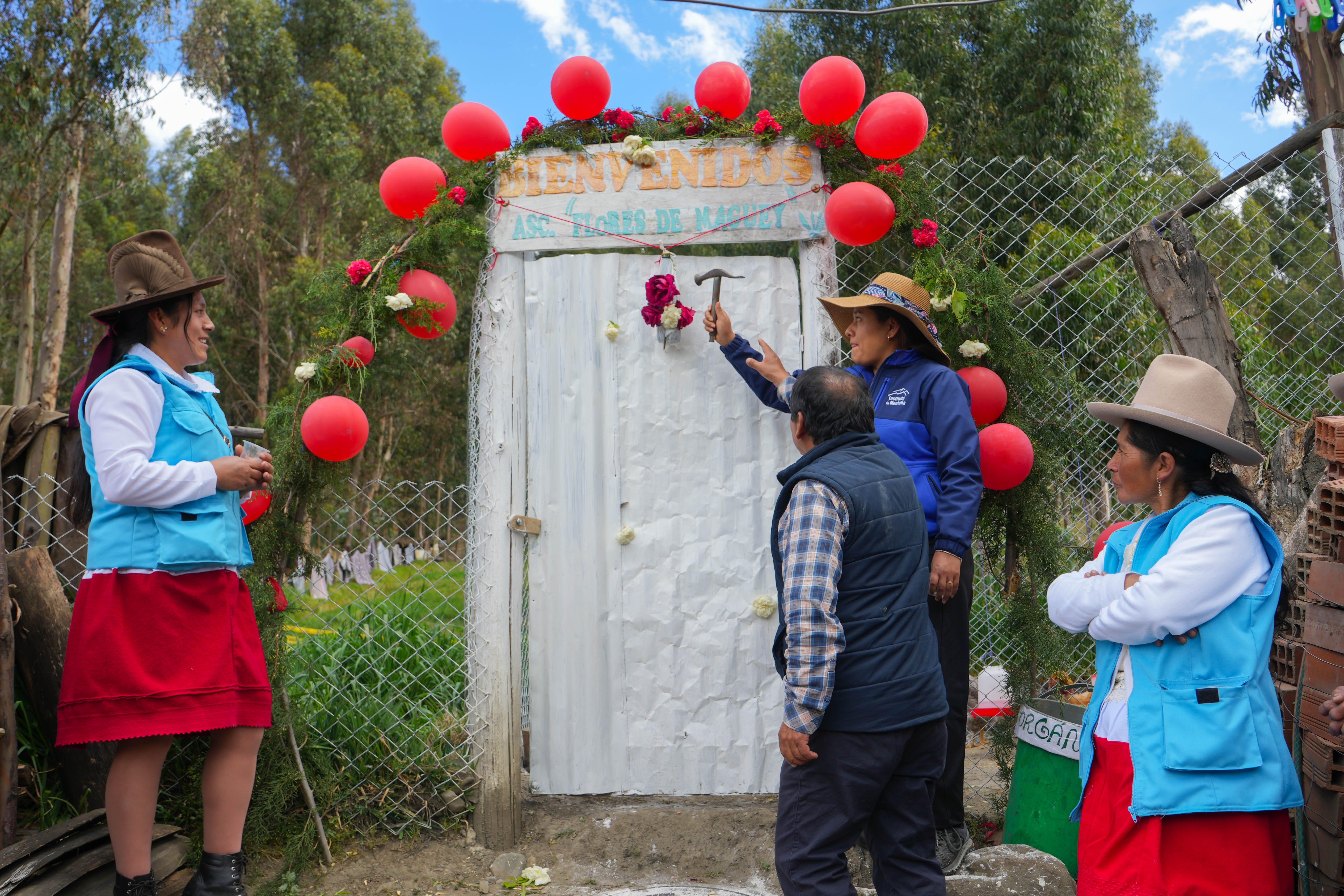
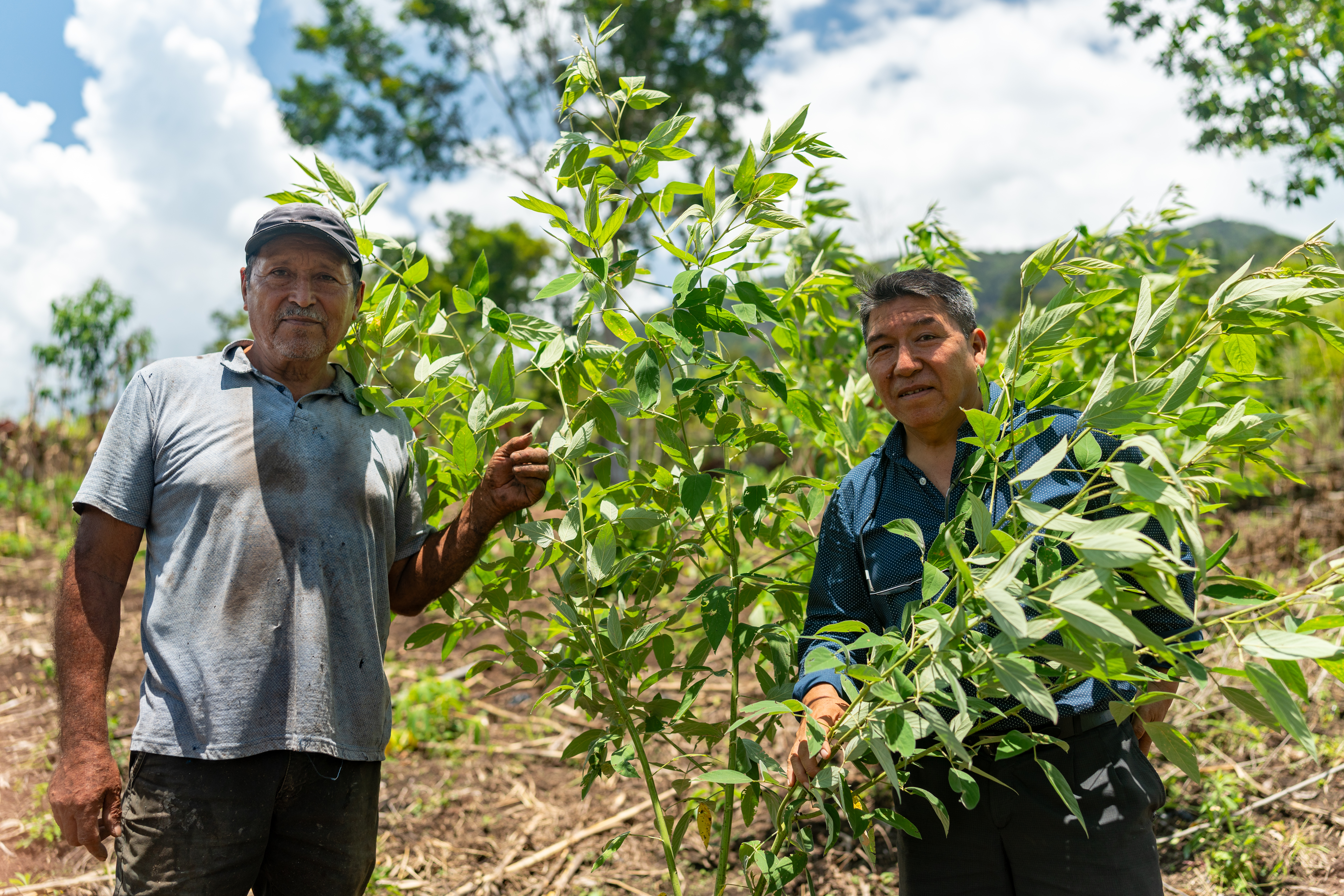
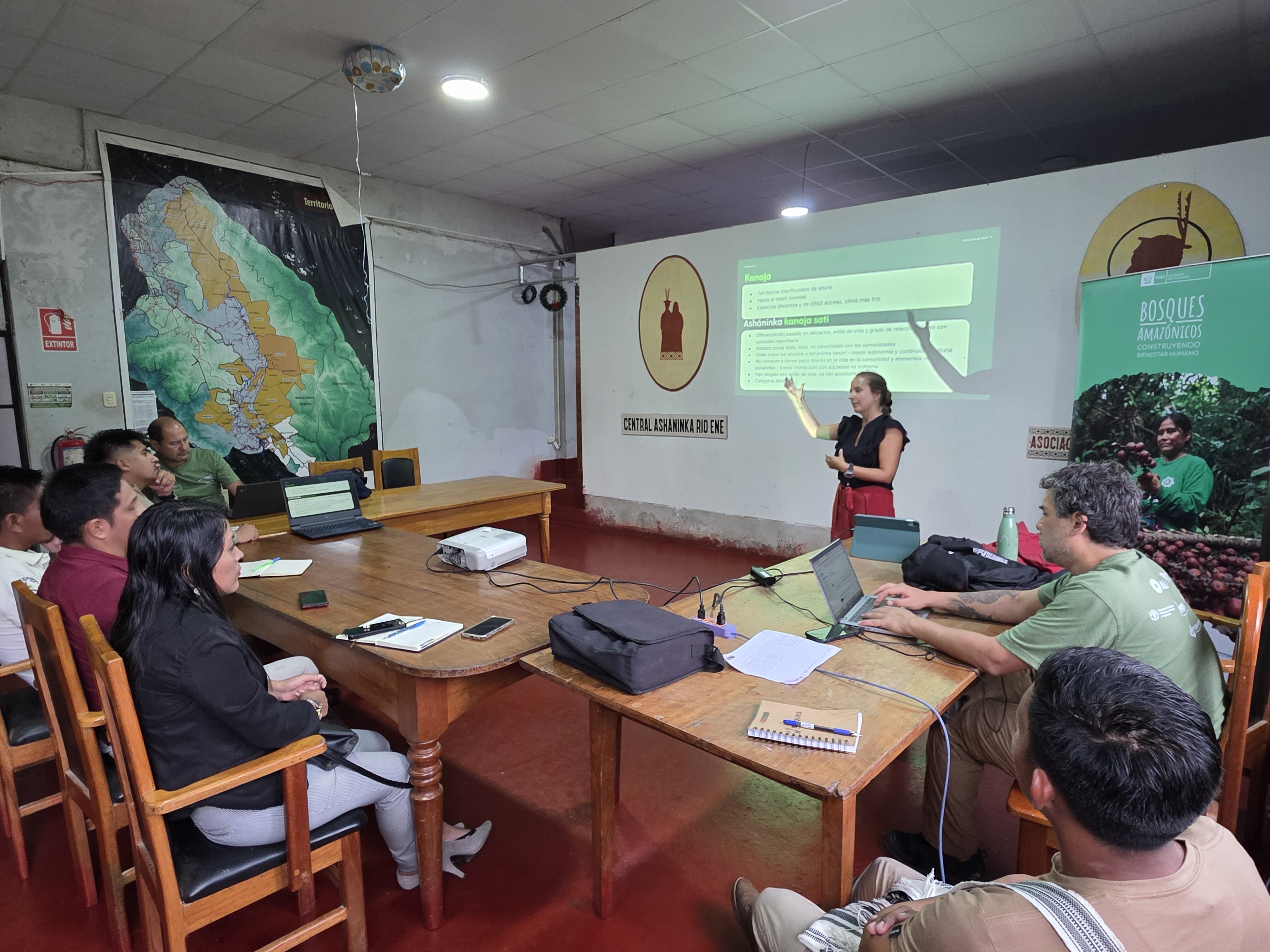
Since its launch in February, outreach meetings have been held in the villages of San José de Dallavoz, Izcuchaca, Santa Cruz del Tingo, Ocol, Molinopampa, and Pumahermana. Although there was initial resistance from the local population, coordinated efforts with the Rondas Campesinas led to greater participation and acceptance of the project. Thanks to this joint effort, conservation activities have begun to be understood and valued as essential for the region’s sustainable future.
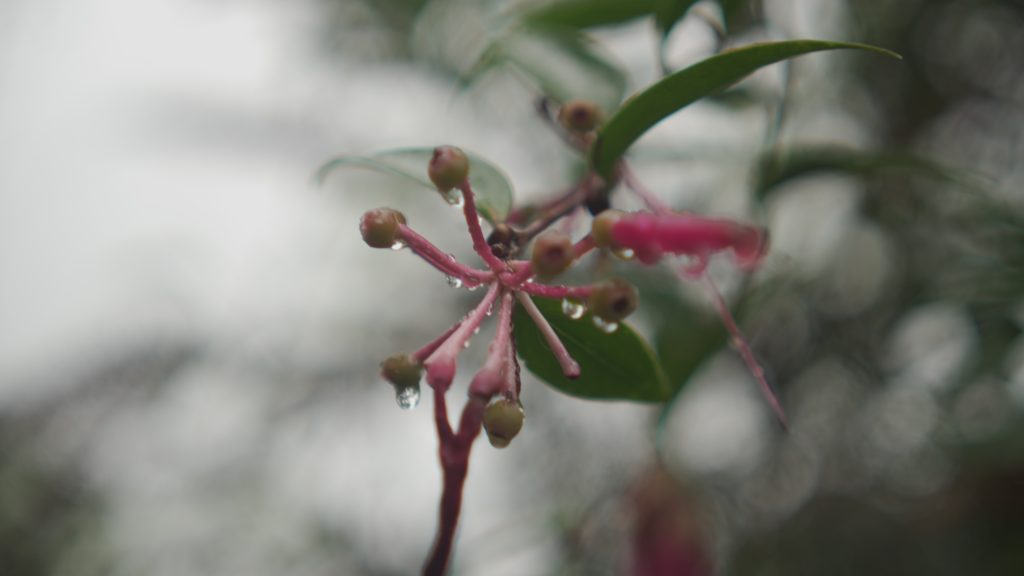
Photo: Profonanpe
Water Issues
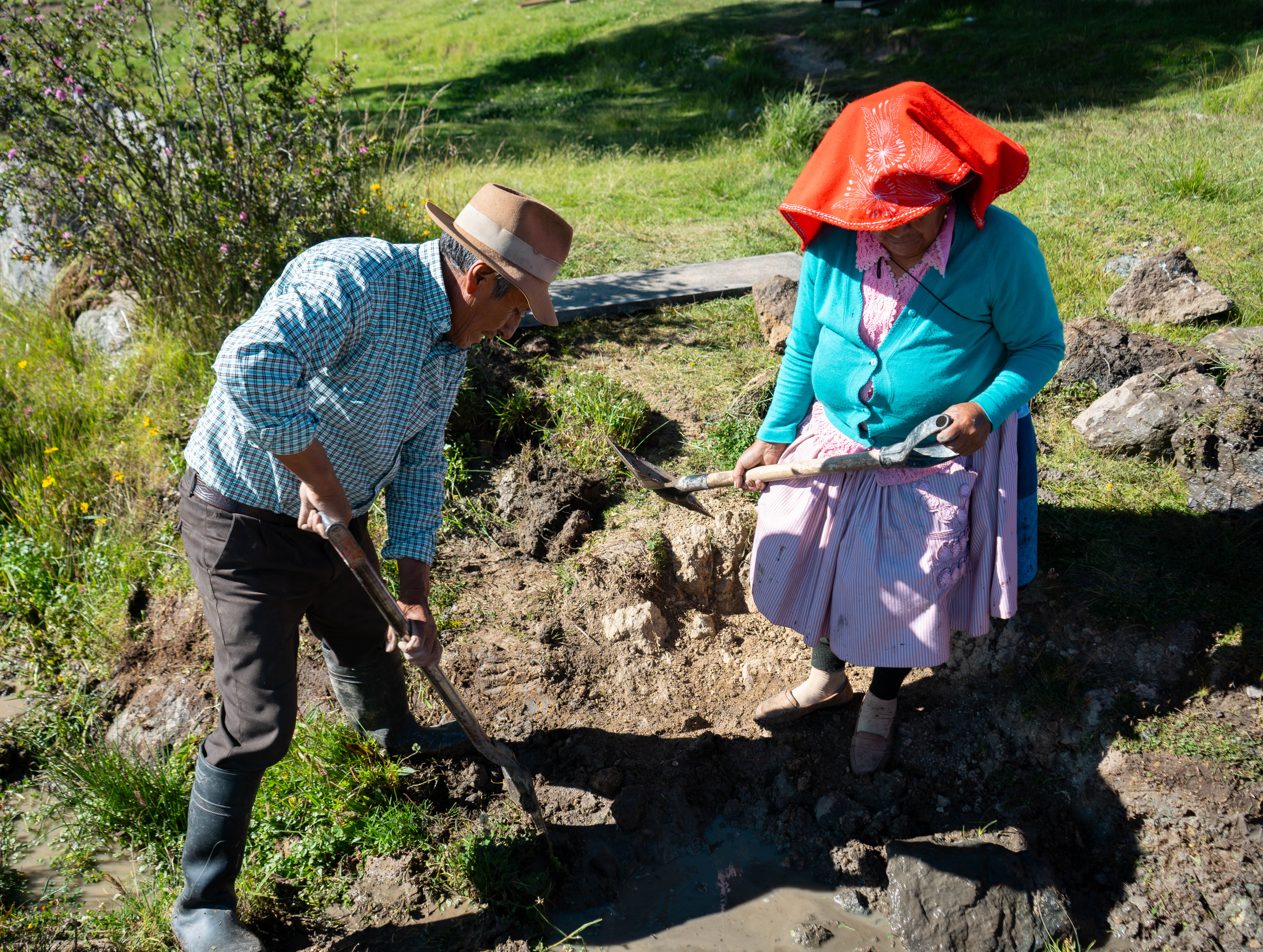
One of the community's biggest concerns is the water shortage. It has been determined that four or five major water sources in the area are completely dry, a situation that has raised awareness of the importance of conserving watershed headwaters. This challenge has been one of the driving forces behind the local population’s strong support for conservation initiatives.
Expansion of the conservation area
The project initially focused on protecting Cerro Pishcowañuna, an area with three main lakes: Negra, Blanca, and Cocha Conga. However, at the community’s request, the conservation area has been expanded to include Cerro Tío, a vital source of water for several surrounding areas. This expansion demonstrates the local population’s commitment to protecting their natural resources.
About the Project:
Building a Community Conservation Initiative During a special community meeting on July 7, the comprehensive conservation plan was approved by an almost unanimous consensus to expand the protected area. This marks a critical milestone for the ongoing implementation of this project, ensuring the full support of the communities involved in the creation and launch of the initiative.
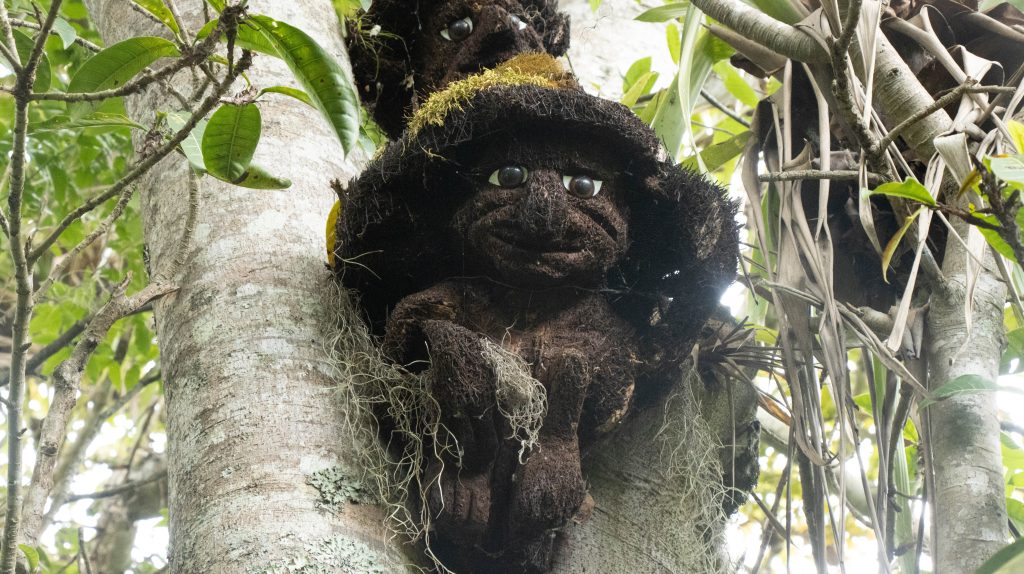
Photo: Profonanpe
With this decision, a process of participatory design has begun, in which key events have already taken place, such as the delineation of multiple-use areas in collaboration with the communities. This will also support the eventual removal of populated centers from the protected region, allowing for its expansion and the definition of boundaries to prevent urban and agricultural regions near the Mendoza Route from being protected, including populated and agricultural areas. Thus, the aim is to maintain a balance between nature and the sustainable development needs of the communities.
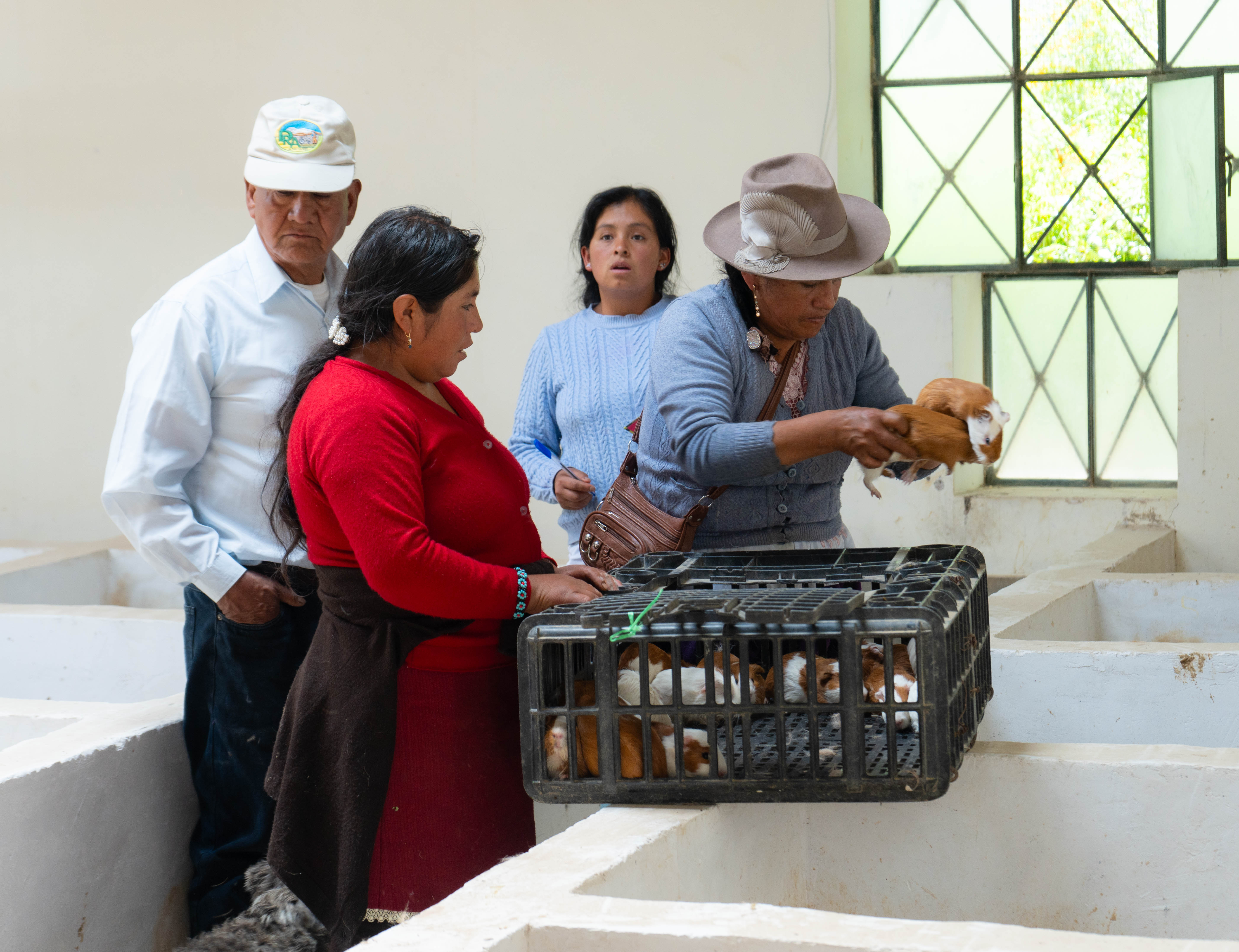
As part of its participatory approach strategy, the project has developed environmental education workshops in collaboration with Toribio Rodríguez de Mendoza National University. These workshops have had a positive impact on the communities by educating younger generations about the importance of forest species and how they can play a role in ecosystem conservation.
Challenges and Achievements
Despite initial challenges, the growing concern over the water crisis has been a key factor in securing public support for the project. Landowners, far beyond the project area, are voluntarily donating their land to be included in the conservation areas. This demonstrates not only the success of a community-based approach, but also its long-term positive impact.
This effort will not only protect critically endangered birds and species and the important role they play in the biosphere, from seed dispersal to pest control; but it will also ensure fresh, clean water for future generations, thereby demonstrating a total commitment to sustainability and the comprehensive conservation of the area.
About Preserving Birds
Conserva Aves is the protection of habitats. It is an innovative, bold, and visionary initiative for effective nature conservation. Thanks to its versatile and dynamic nature, it adapts to each territory to ensure the creation and sustainable management of subnational protected areas that safeguard endangered endemic and migratory birds, and their habitats throughout Latin America and the Caribbean.
Conserva Aves is an inclusive conservation and climate change mitigation strategy, benefiting birds, biodiversity, and both present and future generations. In Peru, this mission is carried out by the Fondo de Promoción de las Áreas Naturales Protegidas del Perú (Profonanpe), an organisation specialised in mobilising and managing financial resources for the implementation of biodiversity conservation programmes and projects, and ECOAN, a non-profit organisation dedicated to the conservation of endangered species and threatened Andean ecosystems.
Join us
Angers William Espejo Pingus
RED AMA Environmental Specialist
aespejop24@gmail.com
Eduard Valdivia Torres
eduard.arm@hotmail.com