The indigenous communities of Aerija and Sapani took an important step toward protecting their water sources by approving, at a community assembly, the proposal for the Public Investment Project (PIP) titled «Restoration of Ecosystem Services in the Lowland Hills of the Aerija and Sapani Watersheds.» The initiative aims to restore the ecosystems that supply water to both communities and the city of Atalaya through forest restoration and conservation efforts.
The project is led by the Provincial Municipality of Atalaya, with technical support from the Ministry of the Environment and the Amazon Forests ASL2 project, and was launched in response to an issue that is of growing concern to local communities: the gradual decline in stream flow and the deterioration of the ecosystems that ensure the availability of water for families and productive activities in the region.
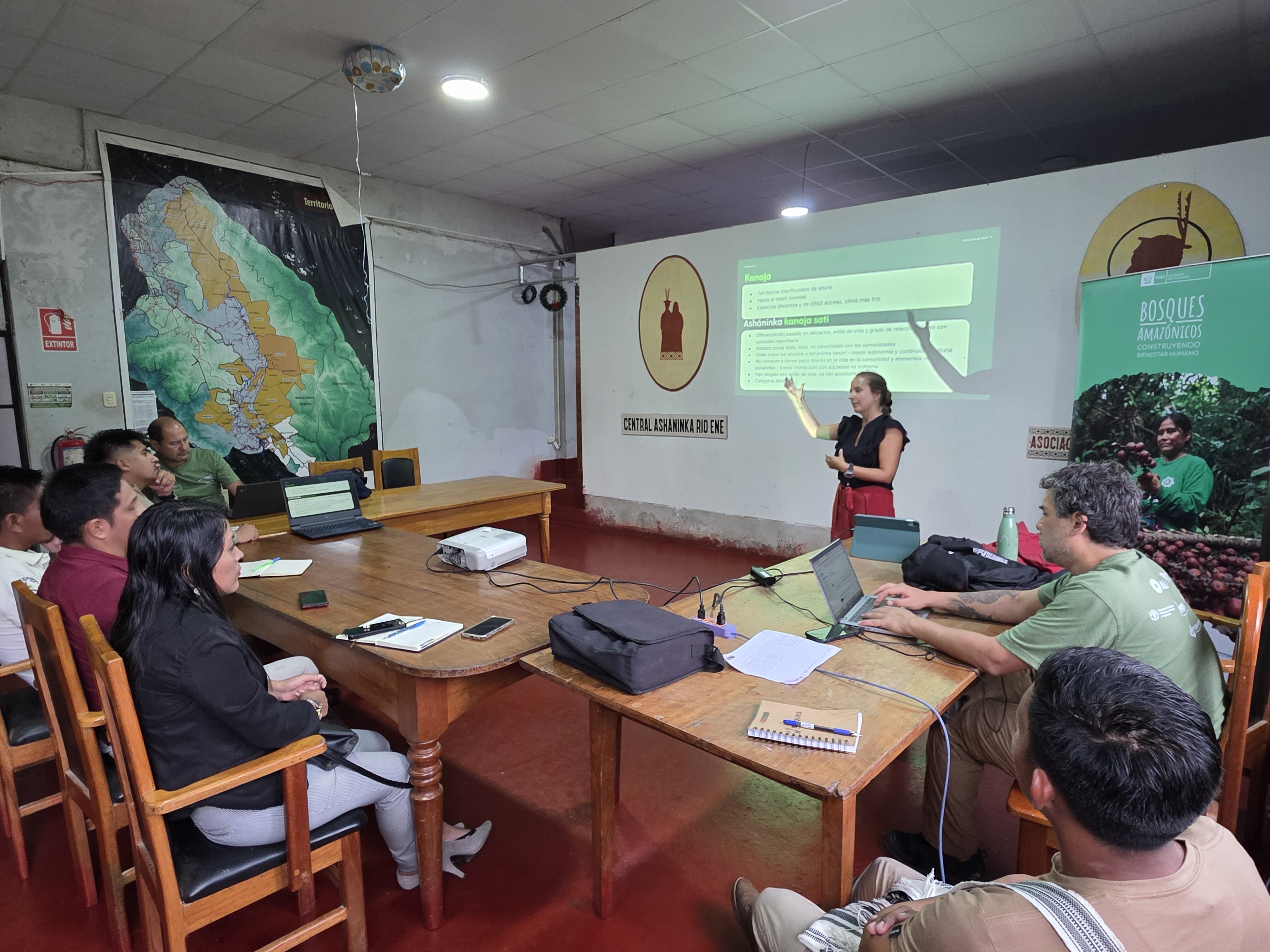
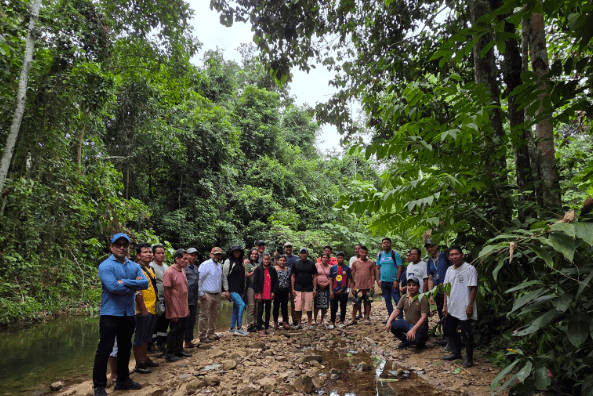
As part of the development of the PIP, a participatory process was carried out that included field visits, the identification of critical areas, and opportunities for dialogue with the communities to gather their knowledge, needs, and input. This work made it possible to develop a proposal that addresses both the communities’ priorities and the need to ensure a reliable water supply for the residents of Atalaya.
«We're seeing the water levels in our streams drop, and we need to take the right approach, because this is about saving lives. All of us community members must take the restoration of our streams seriously. This project is for the entire community—and even for all of Atalaya.», said Lleiv Izurreta, deputy head of the Aerija indigenous community, expressing concern about the decline in stream flow and the importance of taking timely action to protect this resource.
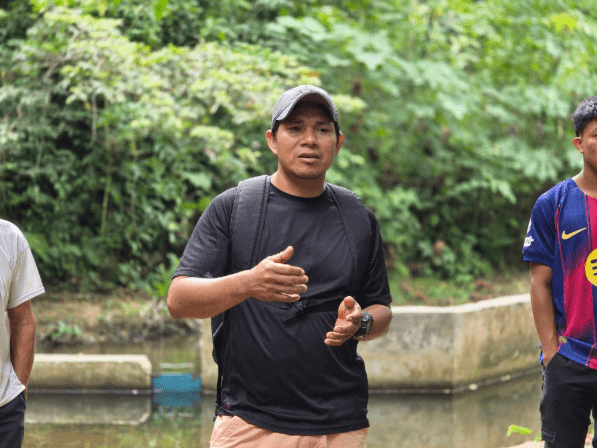
Remarks by Lleiv Zuelta, deputy head of the Sapani Native Community.
For his part, Luis Garay, a specialist with the Ministry of the Environment, stated: «These rivers were full when many of you were young, and the project aims precisely to help restore and preserve this water resource, because if things continue this way, there may be no water left in about 20 years.».
The process was also supported by the Atalaya Regional Indigenous Organization (OIRA), whose representative, Zenovia Gonzales, served as an Ashaninka interpreter and facilitated intercultural dialogue during the assemblies. Likewise, coordination with CORPIAA strengthened the participatory process, allowing the proposal to incorporate the priorities identified by the communities on the ground.
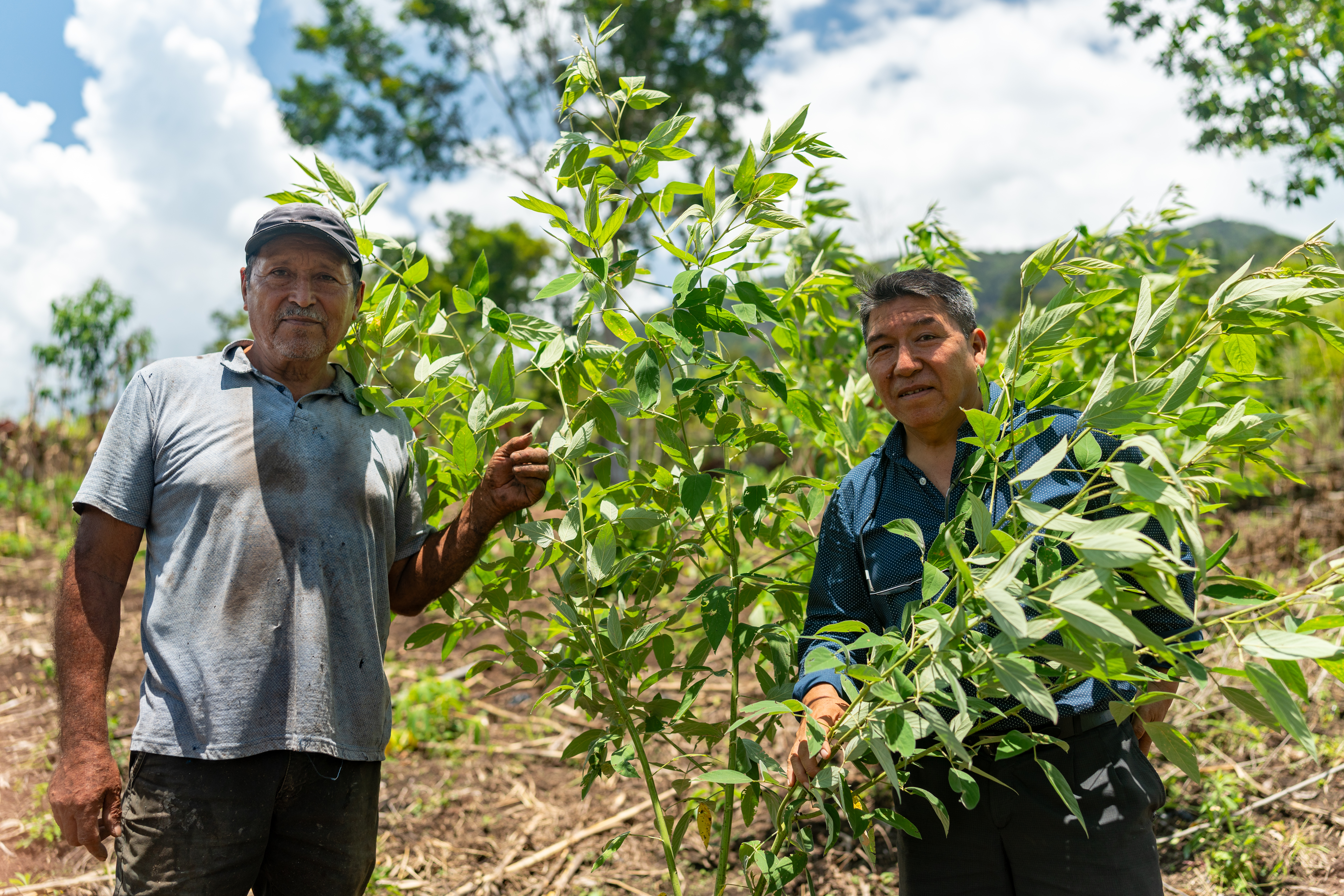
The PIP includes actions such as revegetation with native species, the establishment of nurseries, living fences, and agroforestry systems, as well as capacity building in integrated water resources management and climate change adaptation.
Community validation represents a milestone in continuing the project development process and moving toward its implementation, thereby consolidating a proposal that was developed through a participatory process and is designed to address the needs of the region.
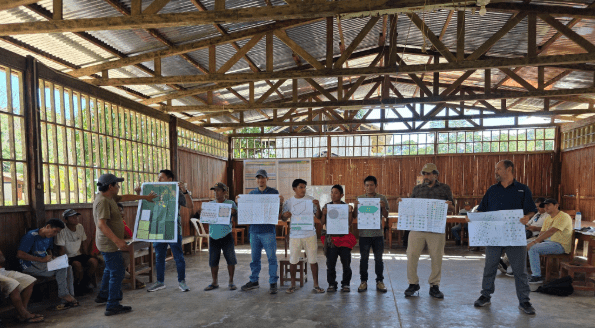
The project designer, with the support of some community members, explains how the project will be implemented in the Sapani Native Community.
These activities are part of the Amazon Rainforests ASL2 project, led by the Ministry of the Environment and funded by the Global Environment Facility (GEF), implemented by the Food and Agriculture Organization of the United Nations (FAO), he International Fund for Agricultural Development (IFAD) and the UNIDO, and implemented by Profonanpe.