Protecting the Amazonian forests requires institutions capable of detecting threats, gathering evidence, and coordinating timely actions against illegal activities that drive deforestation. With that goal in mind, the Joint Declaration of Intent (DCI) Project strengthened forest surveillance, monitoring, and control capacities in the Amazonas, Huánuco, and Madre de Dios regions.
One of the main achievements was the strengthening of the Regional Forest and Wildlife Control and Surveillance Committees (MRCVFFS), which coordinate the efforts of regional governments, the National Police, the Environmental Prosecutor’s Office, SERFOR, and other relevant agencies to address threats to forests.
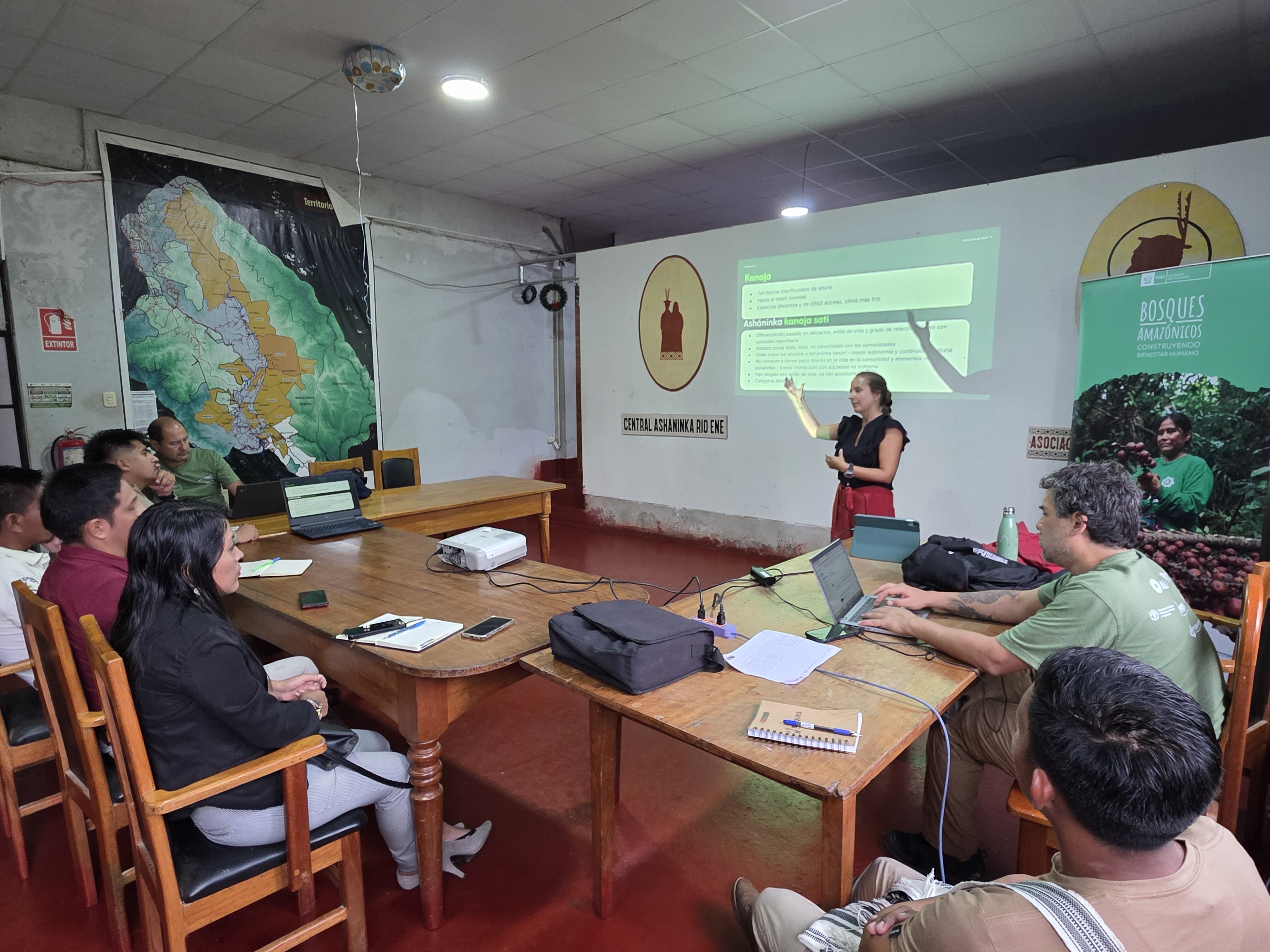
Between 2024 and 2026, these agencies held 40 coordination meetings and conducted 32 training sessions with 919 participants, including government officials and forest rangers. The training sessions covered topics such as handling complaints, forest monitoring, controlling illegal activities, early warning systems, and environmental investigation procedures.
The project also strengthened the Regional Satellite Monitoring Units (UMSR), which are responsible for generating geospatial information to identify changes in forest cover and issue alerts about potential impacts. To this end, these units were equipped with technology such as drones, GPS devices, computers, and specialized software. In addition, 47 specialists from Huánuco and Madre de Dios were certified in drone operation, strengthening regional capacities for forest monitoring.
Thanks to these capabilities, the UMSRs in Amazonas, Huánuco, and Madre de Dios produced 413 technical reports during the project’s implementation. These included multitemporal analyses, cartographic reports, drone-based assessments, and deforestation analyses—information that aids decision-making by forestry authorities, environmental prosecutors, and oversight and monitoring bodies.
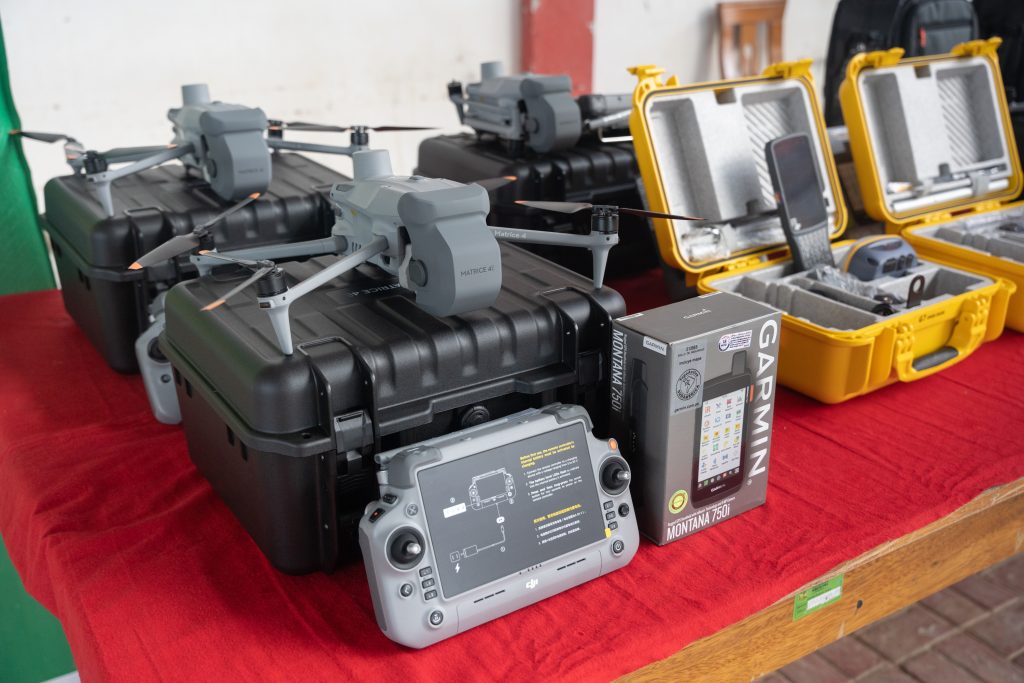
Delivery of drones and GPS equipment to the Huánuco Regional Government for forest monitoring and surveillance. Photo: Profonanpe
These efforts were complemented by SERFOR’s ongoing technical assistance to the regional governments of Amazonas, Huánuco, Loreto, Madre de Dios, Ucayali, and San Martín, promoting coordination among monitoring and control agencies, the strengthening of technical capacities, and the standardization of information through specialized platforms.
Through these actions, the DCI Project helped improve regional capacities for forest surveillance, monitoring, and control, enhancing coordination among institutions, access to technological tools, and the generation of information for responding to alerts and complaints. These advances contribute to more effective and sustainable management of the Amazonian forests, as well as a more timely response to the threats affecting this ecosystem.
About the Joint Statement of Intent (JIU), its Financial Mechanism and the JIU Project
The Joint Declaration of Intent (JIU) is a voluntary cooperation agreement signed in 2014 by the governments of Peru, Norway and Germany, aimed at reducing greenhouse gas emissions from deforestation and forest degradation. In the addendum signed for the period 2021-2025, the United Kingdom joined the agreement.
The ICD has a Financial Mechanism, administered by Profonananpe, which manages the resources for the implementation of its phases. Within this framework, the ICD Project is currently being executed, which contributes to the implementation of the Updated Plan 2021-2025. It is led by the Ministry of Environment and executed by Profonanpe, with funding from the Norwegian Agency for Development Cooperation (NORAD) through the Norwegian International Climate and Forest Initiative (NICFI), and the participation as implementing partners of the Ministry of Agrarian Development and Irrigation, through SERFOR; Sernanp; the Ministry of Culture; the regional governments of San Martin, Huanuco, Ucayali, Loreto, Amazonas and Madre de Dios; and the indigenous organizations AIDESEP, CONAP and ANECAP. Learn more here.