Building Resilience in the Wetlands of the Datem del Marañón Province, Peru.

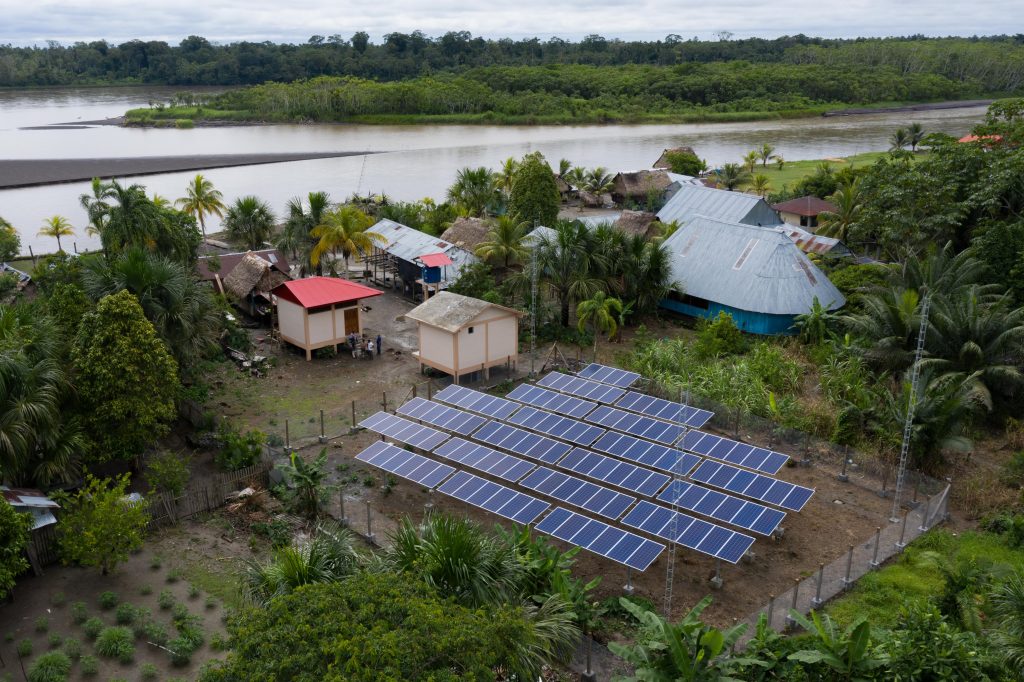
To improve the resilience capacities of indigenous communities living in carbon-rich wetland ecosystems in the Datem del Marañón Province in the Loreto Region, Peru; as well as to improve their livelihoods and reduce greenhouse gas emissions caused by deforestation.

Start:

March 10, 2017

Culmination:

December 31, 2024

Financing

$ 9.100.000,00

Role of Profonanpe:

Executor and Administrator

Entities
contributors:

Green-Climate-Fund-170

Green Climate Fund

It is the world's largest fund dedicated to helping developing countries reduce their greenhouse gas emissions and improve their capacity to respond to climate change.

koica-fullcolor

Korea International Cooperation Agency

It is the representative agency of the Korean government for development cooperation. Since its establishment in Peru in 2000, it has contributed over US$118 million, implementing more than 20 projects in public health, public administration, digitalization, the environment, and other areas.

Entities
implementing agencies:

LOGOS-1

Profonanpe

Profonanpe is Peru's environmental fund that provides innovative alternatives for environmental protection and sustainable development.

Location:

Loreto

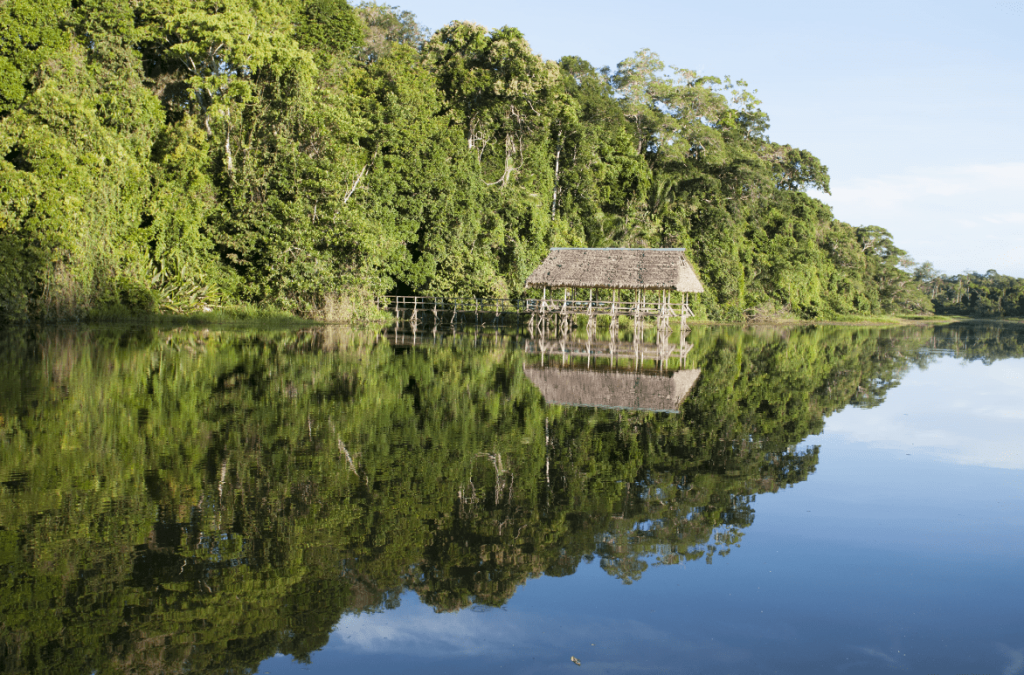
The Pastaza Fan, classified as a Ramsar site, is a wetland of international importance due to its water resources, biodiversity, and its role in capturing greenhouse gases to mitigate the effects of climate change in Peru and the planet.

Partners/Allies in the territory:

120 native communities of the Awajún, Achuar, Chapra, Kandozi, Kichwa, Wampis and Shawi indigenous peoples

More achievements
important to date

Technical files were prepared for the Kandozi, Chapra, and Shawi peoples, based on the conceptualization and worldview of the indigenous peoples.

Preparation and approval of 48 Management Declarations (DEMA) and Fisheries Management Program (PROMAPE), which are instruments for the management of the resource in a given area and which are approved by the sub-national authority.

Twelve anchor bio-businesses and 44 bio-business units have been implemented in the Saramiriza, Kandozi, Bajo Marañón Pastaza and Achuar corridors.

Among the main products sustainably harvested and marketed are: Aguaje, Ungurahui, Huicungo, Sangre de grado, Murumuru, Copaiba, native cacao, and Copal. Also included are Paiche, Boquichico, Gamitama, Lisa, Tucunaré, Doncella, Palometa, and taricaya turtles.

More than 110 workshops were conducted to strengthen capacities focused on improving management skills, implementing efficient production processes, resolving environmental conflicts, monitoring and sustainable use of resources, among others. A total of 1,197 people were trained, of whom approximately 21% were women.

Leveraging funds - National Innovation Program in Fisheries and Aquaculture (PNIPA) and PROCOMPITE - for more than S/847,000, for the execution of aquaculture, aguaje, and chocolate projects with native cacao.

In 2022, a study was conducted that allowed the quantification of carbon stock at the level of peatland areas, where 6 evaluation zones were defined for the native communities of Alfonso Ugarte, Puerto América, Estrella, Puerto Industrial, Campo Verde and Recreo.

It was estimated that the carbon stored in the peat (soil) amounts to 5,251,179,489 t CO2eq. Of the three types of peatlands identified (Aguajal, Herbaceous Swamp and Hydromorphic Varillal) in the Datem del Marañón province, the largest carbon reserve is constituted by the “aguajal” forests with a stock of 5,021,790,650.5 t CO2eq compared to the values of 125,034,726.4 and 104,354,112.5 t CO2eq estimated for the “herbaceous swamp” and “hydromorphic varillal” respectively.

In 2022, the "Peru for the SDGs" award in the Planet category, from Sustainable Peru, recognizes initiatives that work for the sustainable development of the country.

The project has benefited 13,920 people (50.31% women) from 116 native communities of 7 indigenous peoples.

Carbon stock measurement for the Datem del Marañón province: 6,948 million tCO2eq. 2,153 million tCO2eq of this are stored in the communities involved in the project.

Process of creating the 3rd ACA (Sasipahua) by initiative of the population.

The inventories of non-timber forest products, necessary for the management plans in the associations, were successfully completed.

Women's participation in fairs has increased during the life of the project (4 associations out of 16).

The Local Climate Change Plan (PLCC) for the Datem del Marañón Province has been approved and published, and has been shared with five district municipalities. It will subsequently be sent to the Regional Government of Loreto for inclusion in the Regional Climate Change Strategy.

Three Environmental Conservation Areas with a scope of 393,550 hectares have management plans and Forest Surveillance and Control Committees recognized by GERFOR Loreto.

36 trade agreements signed.

52 approved natural resource management plans covering 246,000 hectares.

15,120 beneficiaries from 07 indigenous communities.

Technical files were prepared for the Kandozi, Chapra, and Shawi peoples, based on the conceptualization and worldview of the indigenous peoples.

Preparation and approval of 48 Management Declarations (DEMA) and Fisheries Management Program (PROMAPE), which are instruments for the management of the resource in a given area and which are approved by the sub-national authority.

Twelve anchor bio-businesses and 44 bio-business units have been implemented in the Saramiriza, Kandozi, Bajo Marañón Pastaza and Achuar corridors.

Among the main products sustainably harvested and marketed are: Aguaje, Ungurahui, Huicungo, Sangre de grado, Murumuru, Copaiba, native cacao, and Copal. Also included are Paiche, Boquichico, Gamitama, Lisa, Tucunaré, Doncella, Palometa, and taricaya turtles.

More than 110 workshops were conducted to strengthen capacities focused on improving management skills, implementing efficient production processes, resolving environmental conflicts, monitoring and sustainable use of resources, among others. A total of 1,197 people were trained, of whom approximately 21% were women.

Leveraging funds - National Innovation Program in Fisheries and Aquaculture (PNIPA) and PROCOMPITE - for more than S/847,000, for the execution of aquaculture, aguaje, and chocolate projects with native cacao.

In 2022, a study was conducted that allowed the quantification of carbon stock at the level of peatland areas, where 6 evaluation zones were defined for the native communities of Alfonso Ugarte, Puerto América, Estrella, Puerto Industrial, Campo Verde and Recreo.

It was estimated that the carbon stored in the peat (soil) amounts to 5,251,179,489 t CO2eq. Of the three types of peatlands identified (Aguajal, Herbaceous Swamp and Hydromorphic Varillal) in the Datem del Marañón province, the largest carbon reserve is constituted by the “aguajal” forests with a stock of 5,021,790,650.5 t CO2eq compared to the values of 125,034,726.4 and 104,354,112.5 t CO2eq estimated for the “herbaceous swamp” and “hydromorphic varillal” respectively.

In 2022, the "Peru for the SDGs" award in the Planet category, from Sustainable Peru, recognizes initiatives that work for the sustainable development of the country.

The project has benefited 13,920 people (50.31% women) from 116 native communities of 7 indigenous peoples.

Carbon stock measurement for the Datem del Marañón province: 6,948 million tCO2eq. 2,153 million tCO2eq of this are stored in the communities involved in the project.

Process of creating the 3rd ACA (Sasipahua) by initiative of the population.

The inventories of non-timber forest products, necessary for the management plans in the associations, were successfully completed.

Women's participation in fairs has increased during the life of the project (4 associations out of 16).

The Local Climate Change Plan (PLCC) for the Datem del Marañón Province has been approved and published, and has been shared with five district municipalities. It will subsequently be sent to the Regional Government of Loreto for inclusion in the Regional Climate Change Strategy.

Three Environmental Conservation Areas with a scope of 393,550 hectares have management plans and Forest Surveillance and Control Committees recognized by GERFOR Loreto.

36 trade agreements signed.

52 approved natural resource management plans covering 246,000 hectares.

15,120 beneficiaries from 07 indigenous communities.

Documents
of the project

Fichas CCII

Technical Sheets of Indigenous Communities

Authors: Profonanpe
Publication date: 2024-02-05
The Datem del Marañón province has unique ecological characteristics. The confluence of three large rivers and other geological features have allowed for the emergence of swamps, marsh forests, and lake ecosystems. The organic soil associated with these ecosystems has generated extensive carbon reserves, stored as peat, whose sustainability is of particular environmental importance within the framework of the global commitment to reduce greenhouse gases and limit warming to 2°C above pre-industrial levels.
WhatsApp Image 2024-01-16 at 9.44.45 AM

Social Management of the Datem Wetlands Project

Authors: Profonanpe
Publication date: 2024-01-16
The Datem del Marañón province has unique ecological characteristics. The confluence of three large rivers and other geological features have allowed for the emergence of swamps, marsh forests, and lake ecosystems. The organic soil associated with these ecosystems has generated extensive carbon reserves, stored as peat, whose sustainability is of particular environmental importance within the framework of the global commitment to reduce greenhouse gases and limit warming to 2°C above pre-industrial levels.
WhatsApp Image 2024-01-10 at 2.39.50 PM

Measurement and analysis of the dynamics and trajectory of carbon stock levels at the level

Authors: Profonanpe
Publication date: 2024-01-08
This study was developed in the area of influence of the Pastaza-Marañón basin, within the Datem del Marañón province, and consists of measuring and analyzing the dynamics and trajectory of carbon stock levels at the Datem del Marañón province level with emphasis on the territory where the Datem Wetlands project is being implemented.
WhatsApp Image 2024-01-05 at 8.45.48 AM

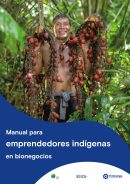
Manual for Indigenous Entrepreneurs in Biobusiness

Authors: Profonanpe
Publication date: 2024-01-05
This manual will help you organize your ideas and assess whether they have the potential to become a profitable and sustainable business. If you decide to develop them and start a business, this manual will teach you how to begin.
WhatsApp Image 2024-01-05 at 8.27.24 AM

Guide for facilitators in the formulation and implementation of bio-businesses in Amazonian communities

Authors: Profonanpe
Publication date: 2024-01-05
The Program aims to strengthen the capacities of Indigenous entrepreneurs for the management and consolidation of bio-businesses, ensuring their sustainability. It comprises a series of activities through which the Profonanpe team provides training, technical assistance, and support to organized groups of entrepreneurs in the native communities with whom they promote bio-businesses.
WhatsApp Image 2024-01-05 at 8.39.35 AM

Climate Change Perception Study

Authors: Profonanpe
Publication date: 2024-01-05
This report systematizes the results of the study on the perception of climate events in native communities of Datem del Marañón. This study is part of a process to implement a Climate Monitoring System in the corridors established by the PHD, which will provide information on climate variables taking into account the perspectives and knowledge of the population of thirty-one (31) local communities.
WhatsApp Image 2024-01-05 at 8.27.24 AM

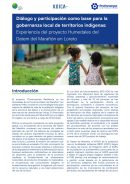
Dialogue and participation as a basis for local governance of indigenous territories: Experience of the Datem del Marañón Wetlands project in Loreto

Authors: Profonanpe
Publication date: 2024-01-05
In Datem de Marañón, 67,121% of the population lives in indigenous communities. Therefore, the PhD program proposed a social engagement and management strategy based on the governance of indigenous territories.
WhatsApp Image 2024-01-22 at 11.27.32 AM

Experiences in the development, management and consolidation of biobusinesses

Authors: Profonanpe
Publication date: 2023-10-20
This document in particular focuses on the systematization of Component III, which has allowed for improved economic dynamism in the province, as well as the relationship, administration, and sustainable use of resources to protect the Datem Wetlands and conserve biodiversity.
modelado

Carbon and hydrology modeled benefits of biobusinesses and ecosystems.

Authors: Profonanpe
Publication date: 2023-05-24
Carbon modeling is used to assess the mitigation capacity of bio-businesses and ecosystems in the face of climate change. It quantifies how much carbon can be stored in plant biomass, necromass, and soils, and how many greenhouse gases, including CO2, methane, and nitrous oxides, can be prevented from being released into the atmosphere.
WhatsApp Image 2023-05-03 at 3.06.05 PM

Field entry protocol

Authors: Profonanpe
Publication date: 2023-05-03
The entry protocol is an important instrument for ensuring respect for the communities within the project area and the ecosystem. It contains the minimum guidelines for preventing negative environmental and social impacts that could affect the project area. These impacts could be generated by inappropriate behaviors and practices by the project team, service providers, or other stakeholders involved in the project activities who enter the field during the project's design, implementation, and closure phases. This protocol also facilitates compliance with Profonanpe's Environmental and Social Policy (PAS) 6 regarding stakeholder participation and involvement.
WhatsApp Image 2024-01-05 at 10.03.46 AM

Gender Action Plan

Authors: Profonanpe
Publication date: 2023-05-03
As part of the gender-responsive sustainable development impact outlined in the project proposal, this initiative focuses primarily on promoting gender equality through bio-businesses and training. It is important to note that since the project proposal's inception, women have expressed their support and requested assistance in implementing more bio-businesses in their communities.
medicion carbono

Measurement and analysis of the dynamics and trajectory of carbon stock levels at the Datem del Marañón province level

Authors: Profonanpe, Institute of Research of the Peruvian Amazon
Publication date: 2023-03-04
The study focuses on (i) quantifying the carbon stock and (ii) mapping ecosystems (peatlands and non-peatlands), as well as (iii) the conservation status of the aguajales and associated wildlife and (iv) the sociocultural value of peatlands in the Datem del Marañón province, in Loreto.
WhatsApp Image 2024-01-05 at 10.06.12 AM

Kuz Kamankiya Charape Izapanimama Kandozshini Tarashini

Authors: Hernán Flores
Publication date: 2022-12-05
Musa Community Karushanung mus misha kung zapancha tarsha, kung tsapo poksha, kach kapung tariya, tarpari 3.8 million hectares, ashiriya RAMSAR tusin isamashinllinaya, maachi zapang tariya, kapungcha wanasiri tashinllinaya. Ashiriya nda ini tarawazu charape chinukana an tsipamam, ayu wnasircha tusin approves the Podocnemis unifilis “Taricaya” Fauna Management Plan through Chief Resolution No. 013-2021-GRL-GGR-GRDFFS-ODPDM, ne tarwzó kiz ashkanaya, nda charap kachingamama misha wanasirpatari tupaxanxapani tusina.
WhatsApp Image 2024-01-05 at 10.07.03 AM

Manual of procedures for the production and handling of taricaya turtles in native communities

Authors: Hernán Flores
Publication date: 2022-12-05
The native community of Musa Karusha is located within a vast network of rivers and lakes that extend through flooded forests and palm swamps across more than 3.8 million hectares, making this complex a Ramsar site. It is also the largest wetland of international importance in the entire Amazon and one of the most productive aquatic ecosystems. To ensure the continued sustainable management of the taricaya turtle (Podocnemis unifilis "taricaya"), the Management Plan for the Podocnemis unifilis "taricaya" species was approved through Head Office Resolution No. 013-2021-GRL-GGR-GRDFFS-ODPDM. This management plan is led by the Kandozi women, with the aim of promoting sustainable management and guaranteeing the legal commercialization of the resource.
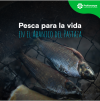
pesca

Fishing for Life

Authors: Profonanpe
Publication date: 2022-08-29
Guía Humedales 2021

Complaints and Claims Handling Mechanism

Authors: Profonanpe
Publication date: 2021-02-15
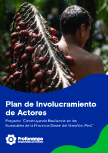
Portada-PIA

Stakeholder Engagement Plan

Authors: Profonanpe
Publication date: 2021-03-31
Captura

Assessment of Social and Environmental Aspects of BioBusinesses of the Project “Building the Resilience of Wetlands in the Province of Datem del Marañón in Peru""

Authors: Garay, Carolina
Publication date: 2021-08-05
portada (2)

Environmental and Social Management Plan

Authors: PhD Technical Team
Publication date: 2021-08-09
The objective of this document is to propose specific measures to prevent and mitigate possible adverse impacts and risks, as well as to enhance positive impacts and benefits for the actors involved, during the implementation of the Datem Wetlands Project.
portada-policy-PHD

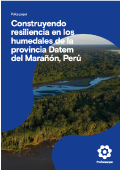
Building resilience in the wetlands of the Datem del Marañón province, Peru - Policy Paper

Authors: Profonanpe
Publication date: 2022-01-17
This document is divided as follows: the first section describes the ecosystems of Datem del Marañón and their climatic relevance, specifically in relation to global warming. The second section explains the causes (direct and indirect) of their deterioration. The third section describes the indigenous peoples of the province and their forms of organization, while the fourth section describes the components and characteristics of the PHD (Program for the Development of the Datem del Marañón), as well as its results to date.
Plan de Gestión Sostenible

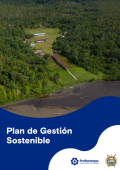
Sustainable Management Plan

Authors: Profonanpe
Publication date: 2022-01-24
Profonanpe presents the Sustainable Management Plan, which aims to prioritize the conservation objectives of the Bajo Marañón and Pastaza areas, Datem de Marañón Province, Loreto.
portada---ecosistemas

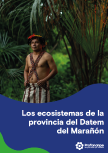
The ecosystems of the Datem del Marañón province

Authors: Profonanpe
Publication date: 2022-05-03
The Datem del Marañón province has unique ecological characteristics. The confluence of three large rivers and other geological features have allowed for the emergence of swamps, marsh forests, and lake ecosystems. The organic soil associated with these ecosystems has generated extensive carbon reserves, stored as peat, whose sustainability is of particular environmental importance within the framework of the global commitment to reducing greenhouse gases.
manual medidas

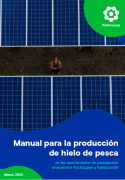
Manual for the production of fishing ice

Authors: Manuel Soplin
Publication date: 2022-03-04
The manual describes in detail the activities for the production of fishing ice to artisanal fishermen of Kachizpani and Katinbaschi, communities of San Fernando and Musa Karusha, districts of Andoas and Pastaza, province of Datem del Marañón, department of Loreto.
El aguaje

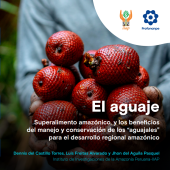
The Aguaje: Amazonian Superfood and the benefits of managing and conserving “aguajales” for Amazonian regional development

Authors: Profonanpe
This document details the benefits of aguaje palm groves. The aguaje fruit possesses diverse nutritional characteristics, which is why in recent years it has gone from being a food source used by rural inhabitants to a product undergoing industrial development.
PLCC

Local Climate Change Plan of the Datem del Marañón Province

Authors: Profonanpe
Publication date: 2021-10-31
The Datem del Marañón Province Local Climate Change Plan is a public management tool designed to provide guidelines, actions, and interventions that will lead to achieving adaptation objectives in response to the real and potential impacts of climate change, as well as reducing greenhouse gas emissions at the provincial level. Likewise, it seeks to contribute to the country's climate commitments by promoting sustainable development that is low in greenhouse gas emissions and resilient to the impacts of climate change, in accordance with the province's development policies, plans, and strategies, and aligned with regional and national guidelines.
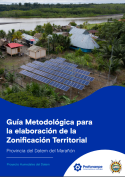
Guía Humedales 2021

Methodological Guide for the Development of Territorial Zoning: Datem del Marañón Province

Authors: Profonanpe
The Methodological Guide aims to direct the Territorial Zoning procedures initiated in the Datem del Marañón province. This project seeks to improve the quality of life of indigenous communities living in wetland ecosystems and to reduce greenhouse gas (GHG) emissions produced by deforestation.
Let's talk about you, your organization, your idea, or your project

We're transparent. We want to hear from you.