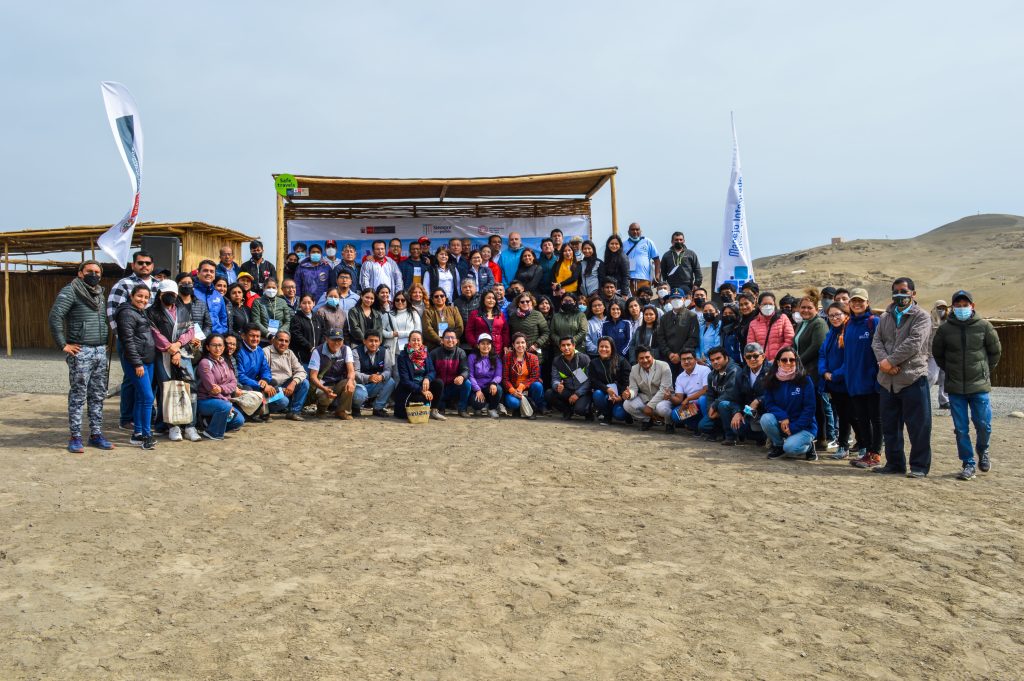
During the VI National Seminar on Integrated Management of the Marine Coastal Zone 2022, organized by the Ministry of the Environment at the National University Faustino Sánchez Carrión, in Huacho, 3 bio-businesses developed within the framework of the project were showcased.“Adaptation to the impacts of climate change on the coastal marine ecosystem of Peru and its fisheries” (AMC) from Profonanpe, Peru's environmental fund. This event, which brought together representatives from the public and private sectors, provided an opportunity to learn about experiences in strengthening early response capabilities to environmental disasters.
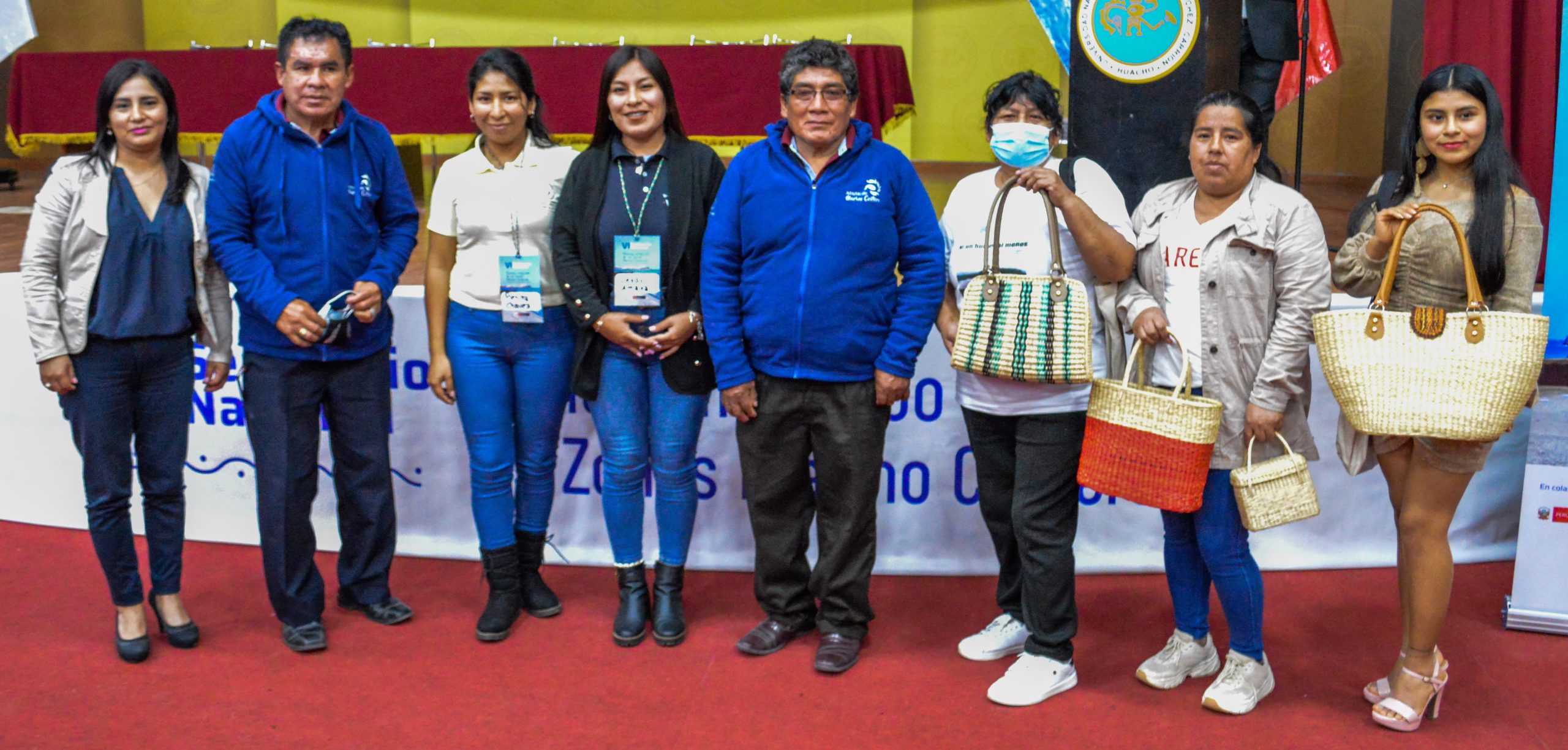
During her participation in the block “Entrepreneurship for the sustainability of ecosystems and local development” she preThe biobusinesses of the San Pedro Caleta de Carquín Artisanal Fishermen's Association for Human Consumption were established., Mother of Pearl Association of Cabo Blanco, Association of Women Artisans of Medio Mundo (AMARTEMM) y Los Hijos del Viento Organization, Cabo Blanco, who highlighted the joint work they carry out with their strategic allies and the impact achieved in conserving its ecosystem while they move towards strengthening their ventures that improve the quality of life of their communities.
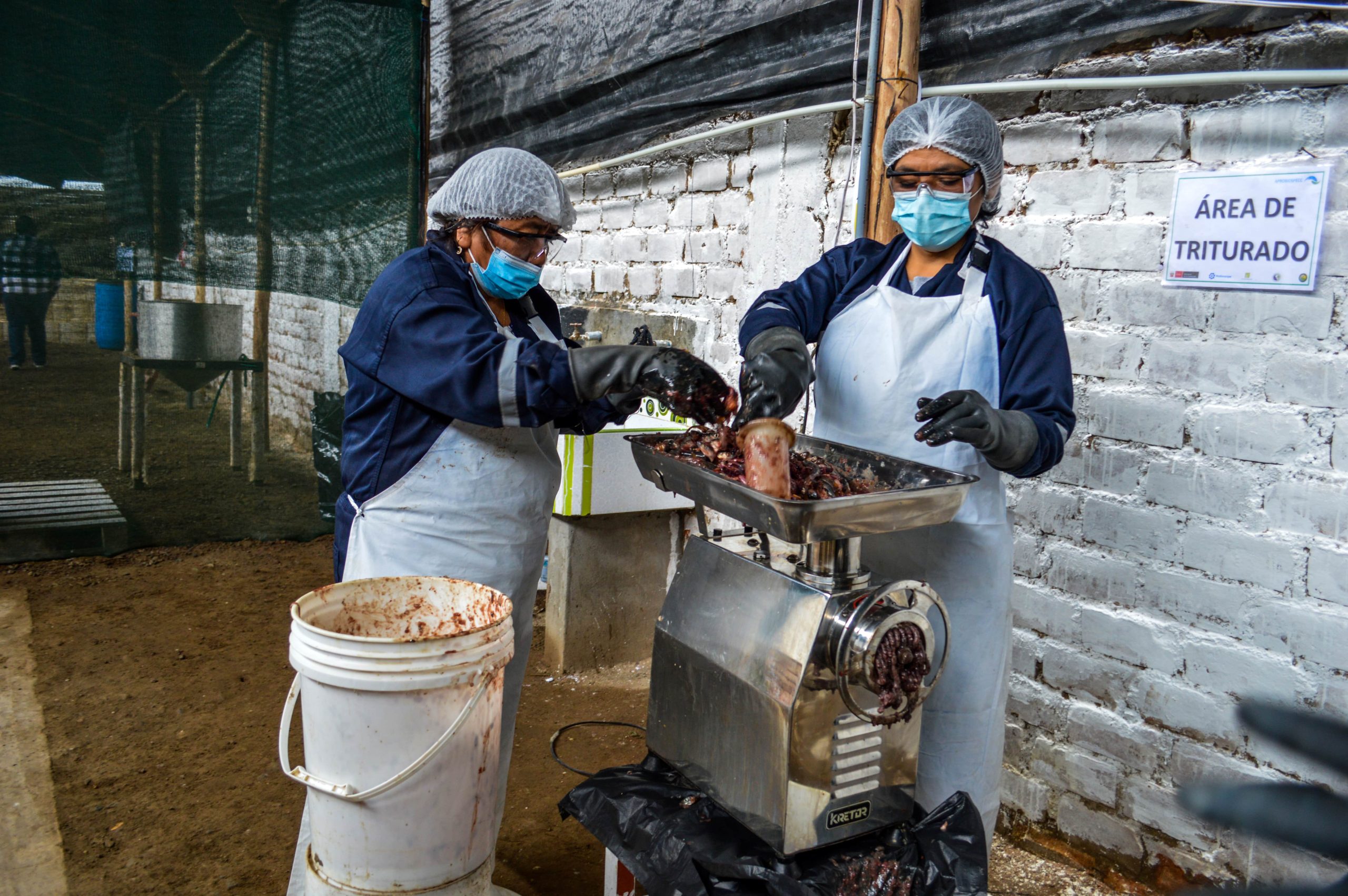
During the second day of the event, the businesses were visited in their areas of operation. The tour began at the plant of APPROVED SPECIFICATIONS, An initiative led by women who produce biofertilizers from aquatic waste. In recent weeks, their work has received significant national recognition through the viral spread of a video of the Environmental Reporters of Peru which recounts his entrepreneurial journey.
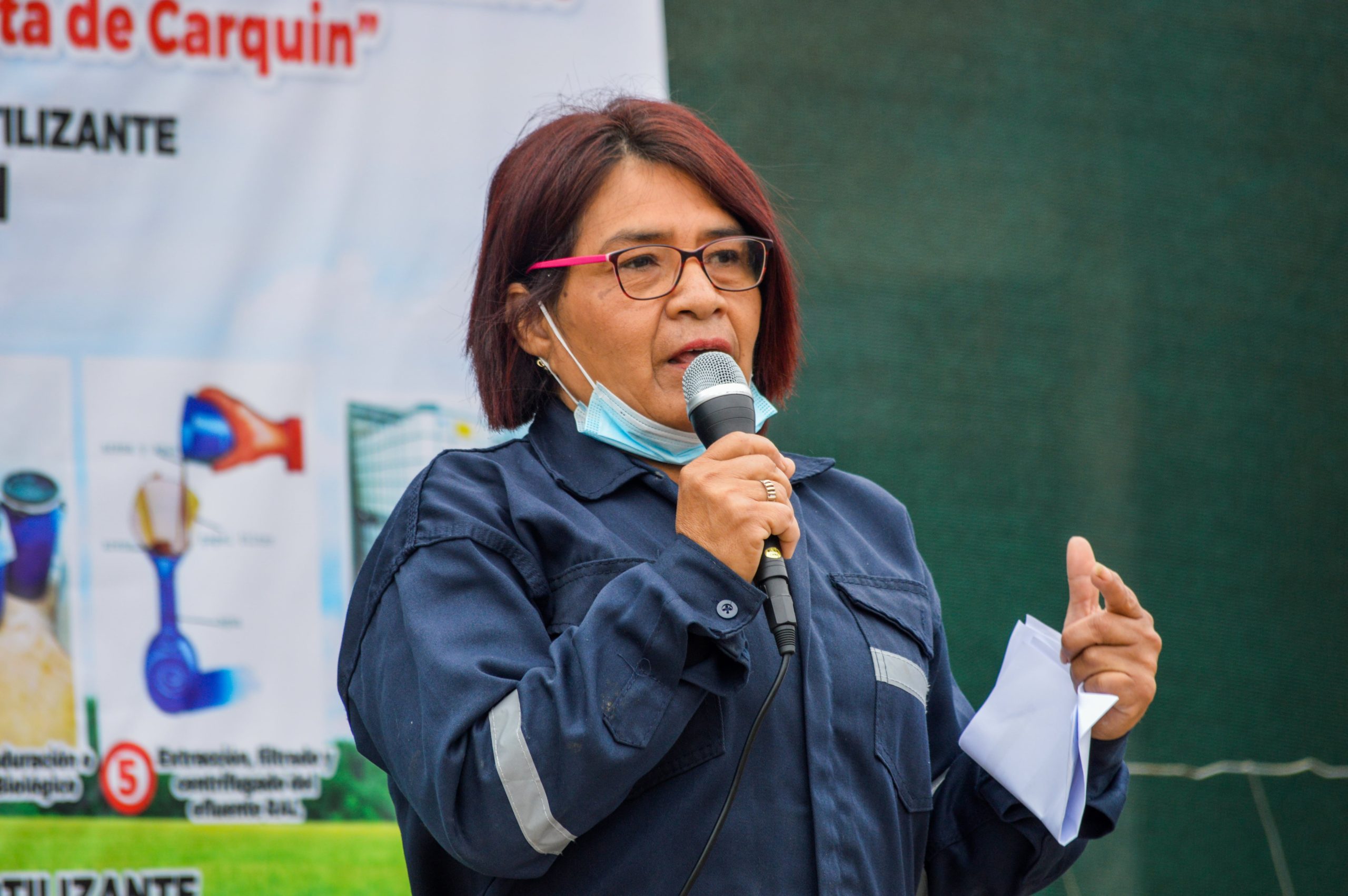
“With the support of the project, we have made a complete turnaround, because we acquired machinery, improved logistics and clothing. In addition, we strengthened our family's food supply through our work and by developing a natural product that also benefits the country's farmers,” said Marleny Lapo, president of APROBIOSPECC.
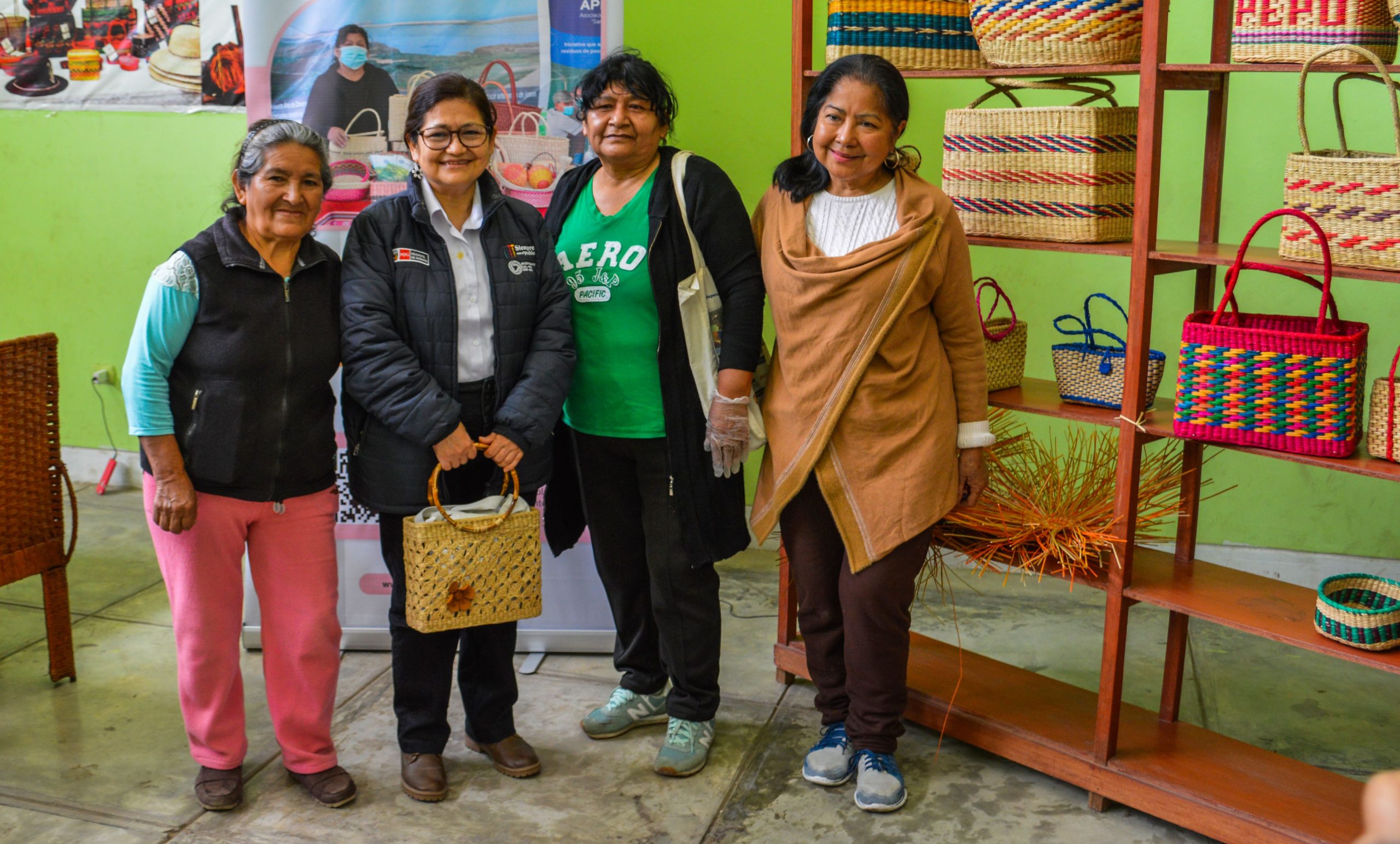
The tour continued with a visit to the Association of Women Artisans of Medio Mundo (AMARTEMM), in the district of Végueta. They work with reeds as raw material to create handicrafts and furniture. The third stop was at the Végueta Fishing Cove, where artisanal fisherman José Pinella highlighted the work of the local fishermen to promote sustainable tourism on Don Martín Island through his business, “Don Martín Tours.”.
Yamina Silva, Vice Minister of Strategic Development of Natural Resources at MINAM, who learned about the initiatives, emphasized: “We must continue to join efforts to continue with the implementation of Integrated Management Plans for Marine Coastal Zones in Peru, fundamental for the sustainable use and exploitation of the coastline, which generate well-being for people and the environment.”.
It is worth noting that the seminar was promoted by the Ministry of the Environment in cooperation with the Regional Government of Lima, the National University Faustino Sánchez Carrión, IMARPE and the Marine Coastal Adaptation project of Profonanpe.
About the Marine-Coastal Adaptation project
The project “Adaptation to the impacts of Climate Change on the marine coastal ecosystem of Peru and its fisheries” focuses its interventions on two pilot areas: Huacho (Punta Salinas – Végueta) and Máncora (Cabo Blanco), to reduce the vulnerability of coastal communities to the impacts of climate change on marine-coastal ecosystems and their fishery resources.
In 2016, the project was approved to receive funding from the Adaptation Fund, through Profonanpe. The Ministry of Production is responsible for project implementation, in coordination with the Peruvian Marine Institute (IMARPE) and the "Let's Eat Fish" Implementing Unit of the Ministry, with an implementation period from 2018 to 2023.