Digital assets, or non-fungible tokens (NFTs), and conservation are two concepts that we might not readily associate or believe have much in common. The Conservation NFTs campaign, promoted by Profonanpe, the Environmental Fund of Peru, and the NGO Conservation International Peru This is no longer the case when digital assets are put at the service of Peru's protected natural areas.
October 17th marked Peru's National Day of Protected Natural Areas. This date highlighted the importance of these vital spaces, essential for conserving natural and cultural diversity, the services they provide and on which we depend: water, medicine, clean air, and food. Conserving this natural environment is increasingly crucial in humanity's race to reverse the devastating impacts of climate change that we are already experiencing.
In Peru, there are 76 protected areas covering a total of 171% of our territory. However, their protection depends on the available budget to ensure effective control and monitoring, which is often insufficient.
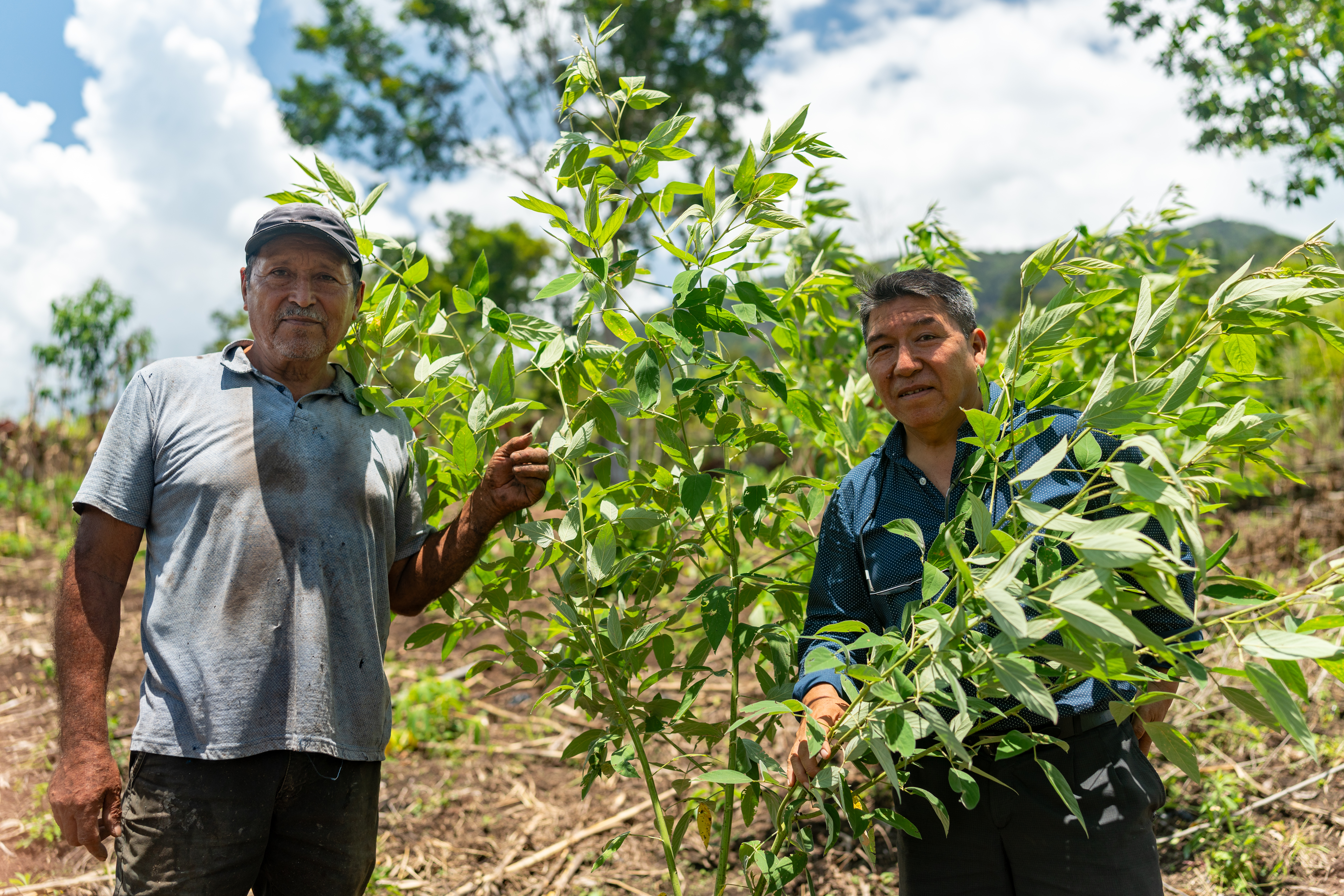
Today, when our connection to the outside world is increasingly through the digital realm, CONSERVATION NFTs gives you the opportunity to help conserve the Alto Mayo Protection Forest protected area through digital art and cryptocurrencies. Conservation International has been working with the Alto Mayo Protection Forest for over 10 years. National Service of Protected Natural Areas (Sernanp), Seeking effective management to reduce deforestation and improve the quality of life of the people who live there, diversifying their income in harmony with nature.
The campaign features 20 collectible pieces created by the digital artist Knot Paolo which will be offered through the platform Opensea.io Each piece is inspired by species from this forest, blending photography with collage techniques, and allows us to understand their vital role in the balance of this protected area, where all life forms are interconnected, from the largest to the smallest. Acquiring these pieces is much more than an investment in art; it's about protecting the future upon which these species, and your own, depend.
In the last two years, Peru has become the country with the most cryptocurrency users in Latin America. In January and February of this year alone, cryptocurrency transactions surpassed the total for all of 2020, reaching a value of US$16 million.
With the urgent need to secure more funding for protected areas, Conservation NFTs immerses us in this universe, still unknown to many, but increasingly captivating collectors worldwide, and invites you to be part of the change we need now, because we all need nature.
Learn more at https://opensea.io/AltoMayo-Peru
FACT:
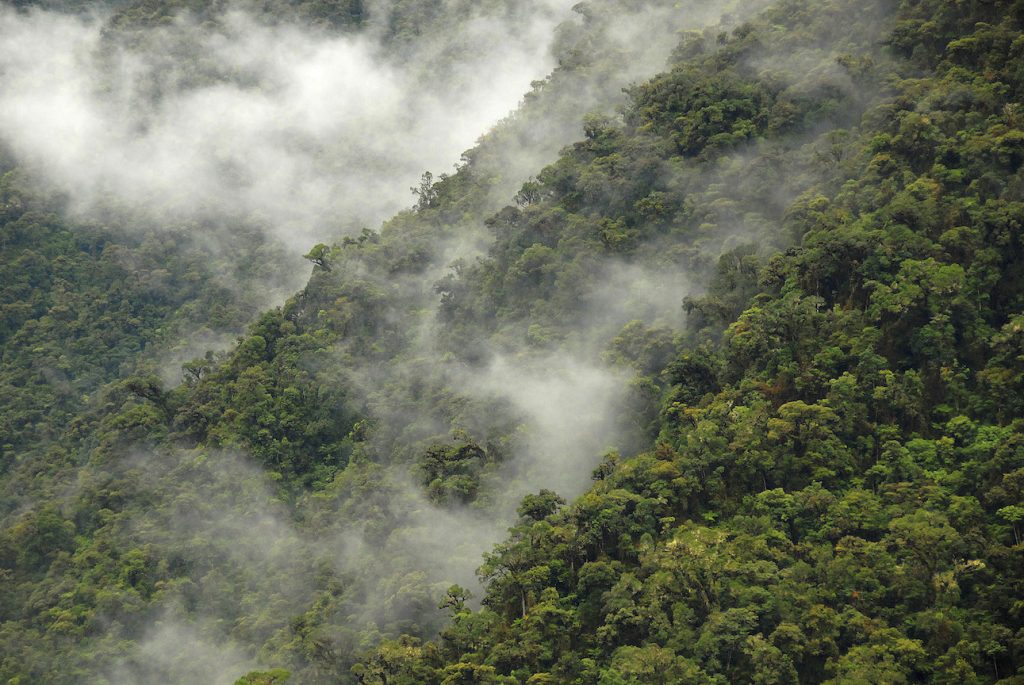
The Alto Mayo Protection Forest is a state-protected natural area established in 1987 that conserves 182,000 hectares of forest. Most of its territory lies within the provinces of Moyobamba and Rioja, in the San Martín region. This area provides water to more than 280,000 Peruvians, is home to over 300 species of orchids, and shelters 400 species of birds.
*Cover photo courtesy of Trond Larsen.