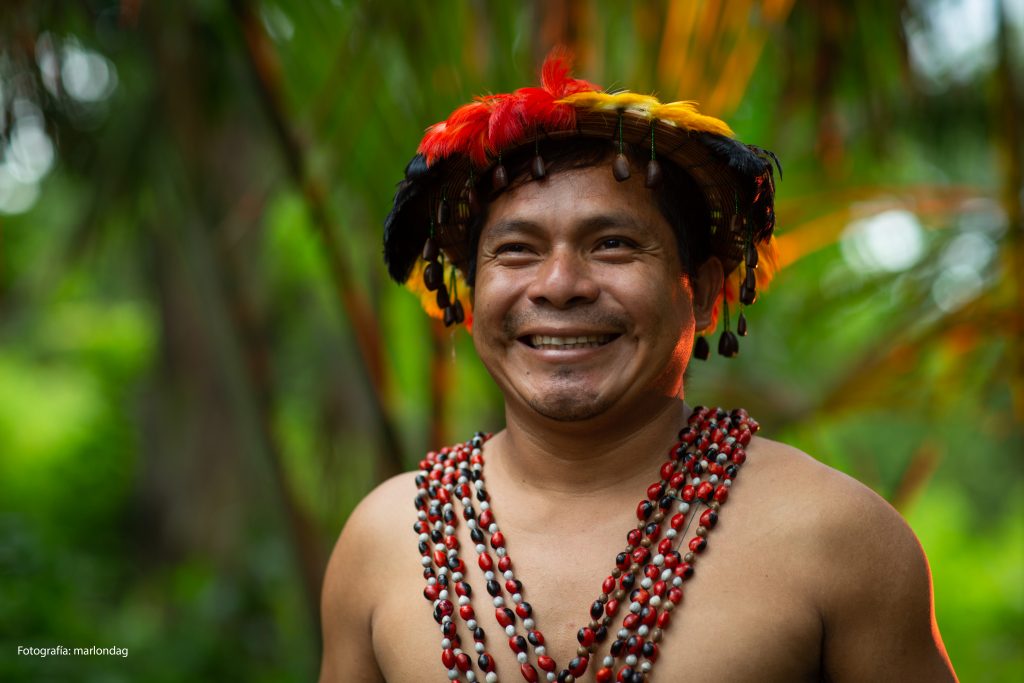
In the Datem del Marañón province, We find the Awajún ethnic group, where the Association of Ungurahui and Aguaje Producers of Indigenous Peoples of the Marañón Sector-APUAPISEM, led by Professor Ronel Pérez, has been developing an initiative for the conservation of the aguajales for almost ten years.. This bio-business involves the sustainable extraction of oil from the aguaje fruit, which is then processed into a natural and organic product and distributed for sale. It also involves local ethnic groups and holds EU and US NOP organic certifications (meeting US and European Union standards).
For oil extraction, APUAPISEM operates a plant with support from Profonanpe and funding from the Green Climate Fund. Average sales are around 300 kg, which are managed sustainably to ensure resource conservation. This association is one of the first in the Amazon to develop this bio-business and is currently experiencing growth. Both men and women participate in the production process: while men generally work climbing the palm swamps, women mostly work at the plant. The final oil is sold in bulk to companies like Candela Perú, and more companies are expected to become interested.
Nearby, In the Quechua native community of Puerto Díaz, there is Segundo, a master of climbing aguaje palm trees. He has developed as a climber so that the harvests of the aguaje fruit can be done by the people who live in the communities themselves. Segundo stands out for his professionalism and firm belief in sustainability. He represents a new perspective, believing that the various current conditions, both favorable and unfavorable, for the conservation of the aguaje palm must be taken into account. It could also be noted that Segundo has been a pioneer both in the profession of climber and in the dissemination of information about the aguaje palm. Now, he plays a fundamental role as a promoter of climbers, working as both a trainer and a harvester. Segundo understands that a comprehensive modernization process is necessary for the development of this bio-business, and he strives to ensure that one aspect converges without negatively impacting the other.
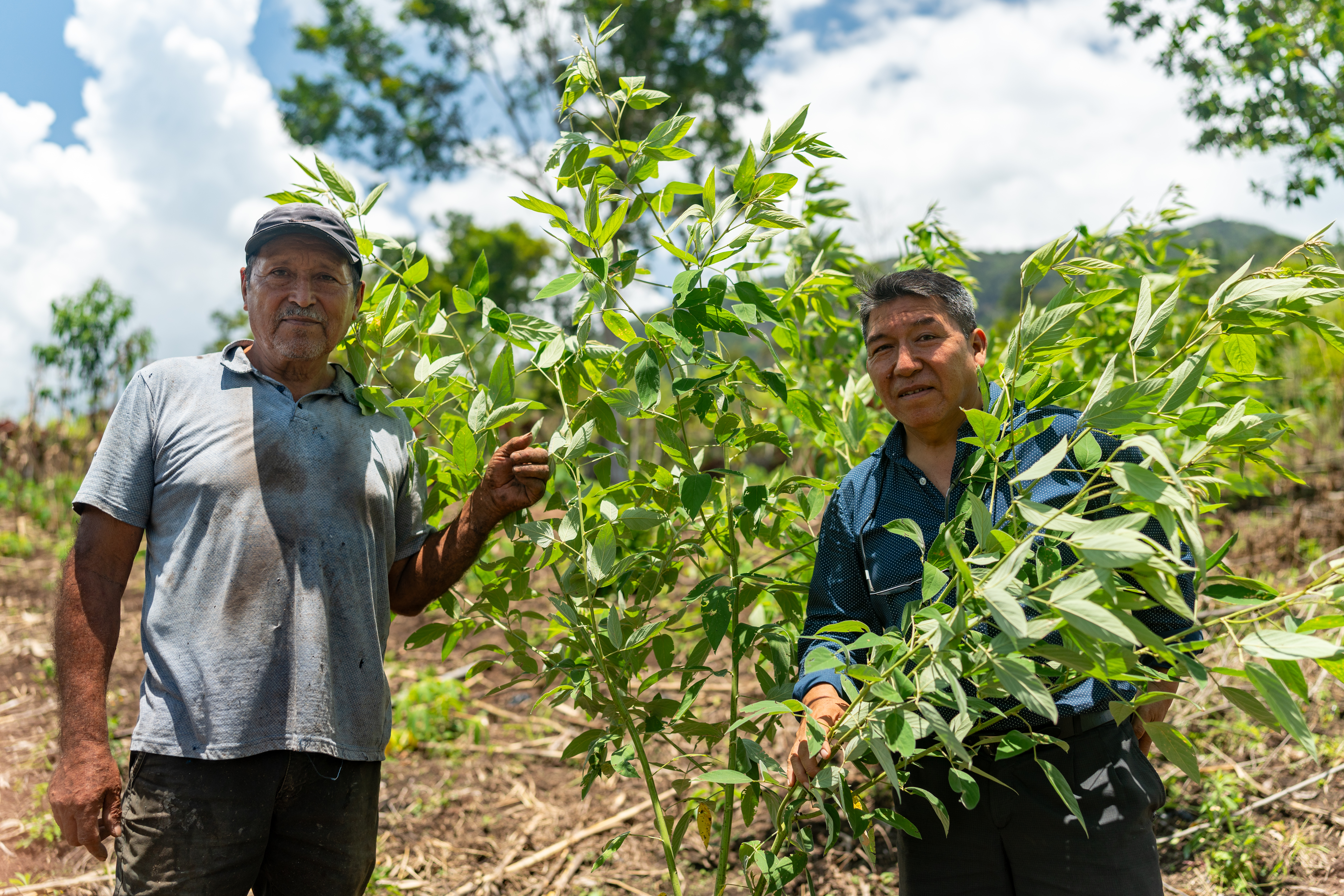
From the experiences of Balbina, Gunter, Ronel, and Segundo, we have learned that bio-businesses have a bright future and are important for strengthening the economic and social development of communities by fostering cooperative work among them and generating sources of income for their families. Therefore, management plans should be developed to enhance them in the long term.. In recent years, bio-businesses have faced various obstacles due to their distance from more industrialized businesses with larger production chains and marketing strategies. Therefore, ongoing support is necessary to strengthen these businesses and make them self-sustaining. It is expected that in the coming months, these isolated initiatives will begin to connect with others in the same and surrounding areas, exchanging knowledge, sharing perspectives and experiences, and ensuring comprehensive development.