The governments of Germany, Brazil, Mexico, Paraguay, Costa Rica and Peru reported on progress in the protection of pollinating insects during the second Regional Steering Committee of the Poli-LAC project.
In Peru, key milestones for biodiversity and sustainable agriculture were reported, such as the work to promote 02 conservation agreements in the Oxapampa-Asháninka-Yánesha Biosphere Reserve (BIOAY), where the Poli-LAC project is being developed.
This is the result of a joint effort between the Ministry of the Environment (MINAM), GIZ and Profonanpe.
Technical and territorial leadership in BIOAY
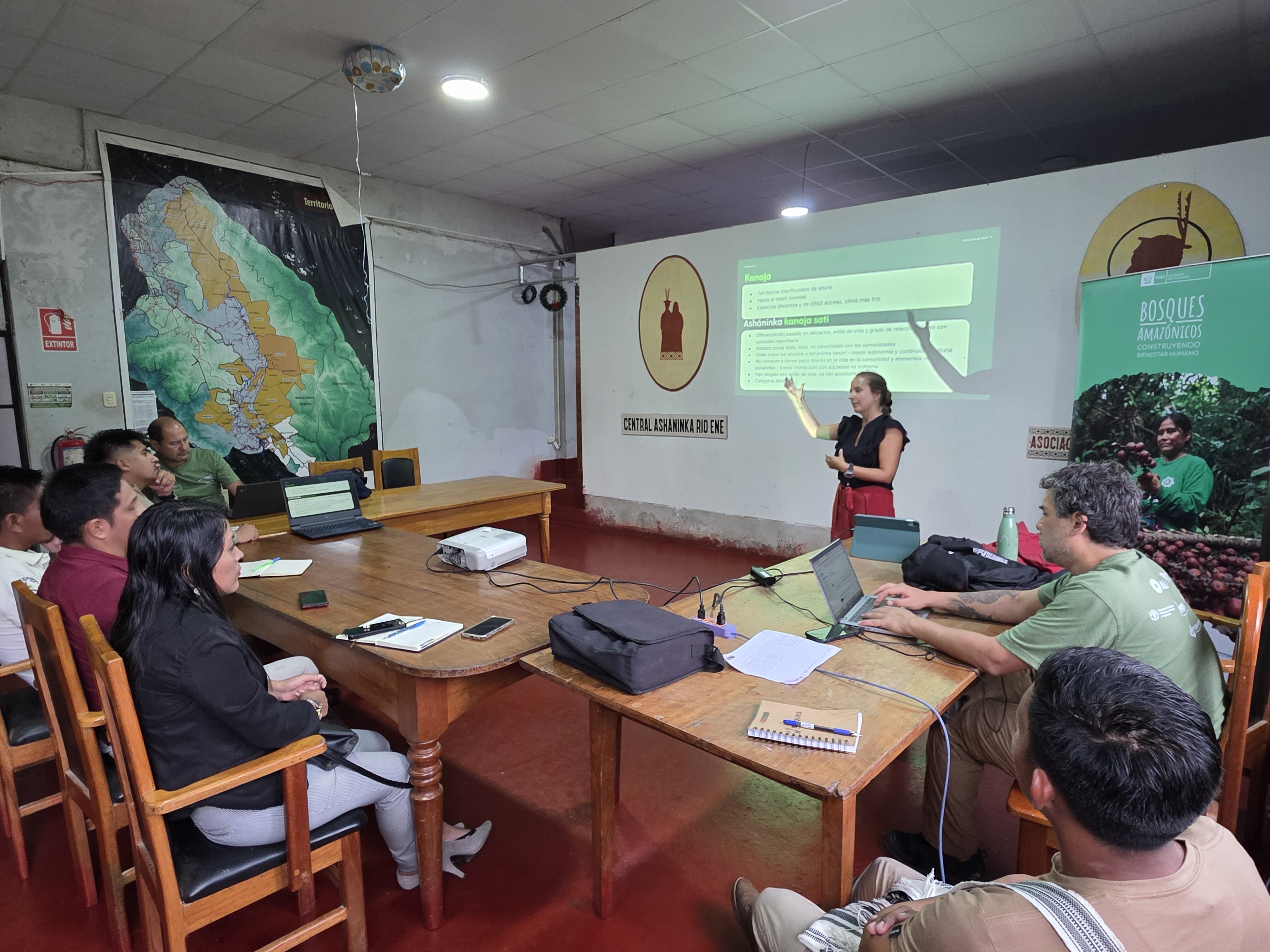
On behalf of the Ministry of the Environment, the Vice-Minister of Strategic Development of Natural Resources, Romina Caminada presented the progress that has been made based on the technical reports prepared by Profonanpe, the implementing partner of the Poli-LAC project, in the Oxapampa-Asháninka-Yánesha Biosphere Reserve (BIOAY).
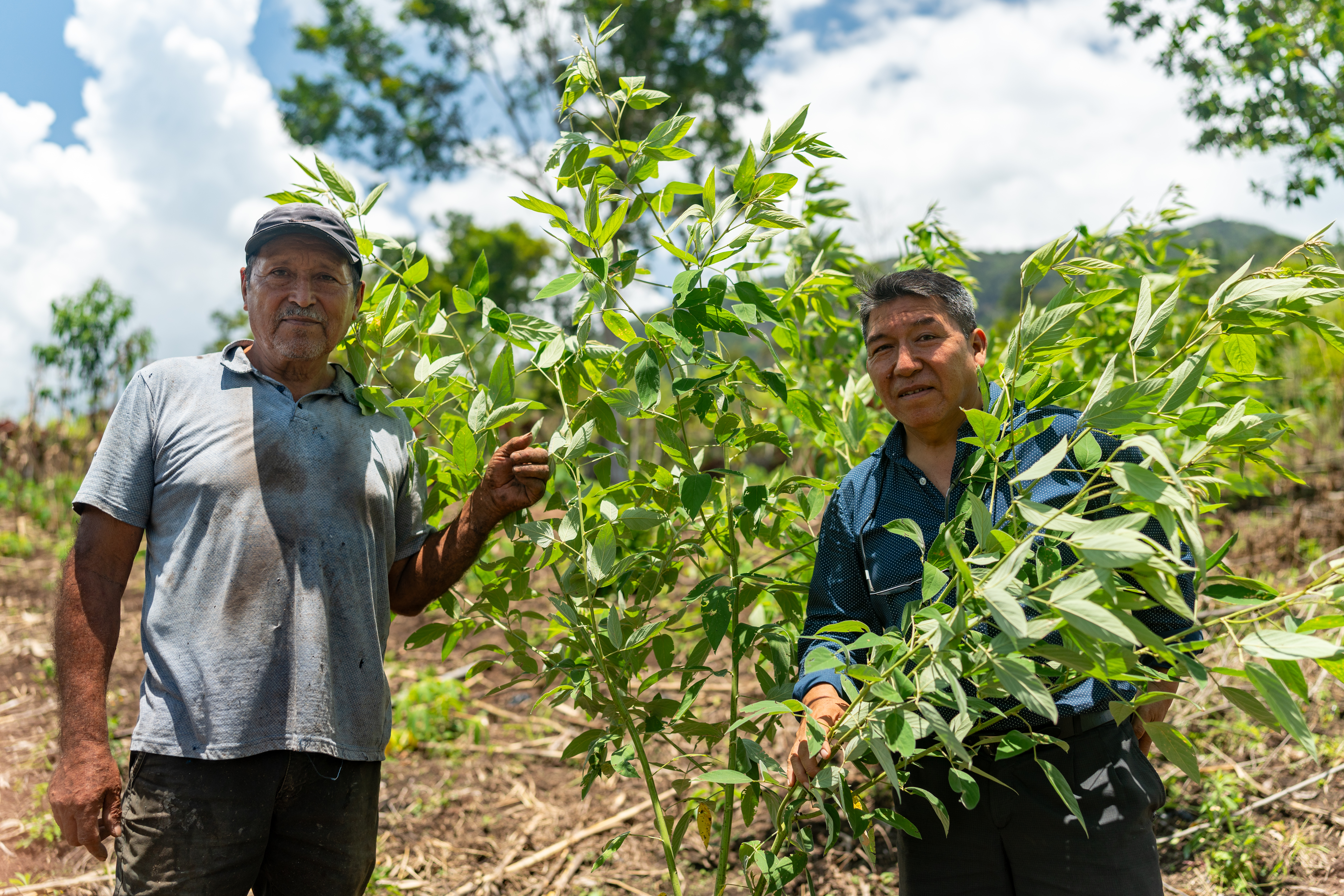
The successful selection of pilot sites and the validation of Pollinator Friendly Practices (PAP) in coffee, avocado and passion fruit crops, aimed at habitat conservation at the landscape scale, were highlighted. Progress was also reported on the proposed municipal ordinance in Oxapampa, which seeks to protect the ecosystem service of pollination.

The Poli-LAC project promotes the conservation of pollinators such as bees. Photo: Profonanpe
Friendly financial mechanisms
Claudia Godfrey, Profonanpe's Director of Innovation and Strategic Management, highlighted the institution's key commitment: to promote the integration of pollinator-friendly criteria and practices into Profonanpe's financial mechanisms.
This approach will allow pollinator conservation actions to be mainstreamed into the country's environmental project portfolio, ensuring that biodiversity protection is a component of profitability and resilience for the productive sector.