What is the link between mining and tourism? How are sustainability, energy transition and the critical minerals that sustain our daily lives intertwined? Can a mining operation become an engine to diversify local economies and strengthen communities? These are some of the questions posed in the second episode of Natural Capital, Profonanpe's podcast that seeks to open conversations necessary for Peru's sustainable development.
In this chapter, Adriana Aurazo, Vice President of Environmental, Social and Sustainability Affairs at Southern Peaks Mining, recalls that Peru is home to exploration projects worth more than US $$1089 million, strategic reserves and a unique potential: of the 17 critical metals for the global energy transition, 8 are produced in the country, including copper, lithium and zinc. Without them, he warns, there would be no underwater telecommunications, artificial intelligence or life-saving medical equipment. “Formal mining does not mean pollution, it means building the future, leaving a legacy and responding ethically to a global demand.”, emphasizes.
The episode goes beyond figures. It delves into community relations, a key element for a mining sector seeking legitimacy. The case of Mala, located in the province of Cañete, is illustrative: Southern Peaks Mining has maintained more than 50 years of dialogue with three generations of residents. Today, more than 60 % of its workforce comes from neighboring communities, and local development plans are built in a participatory manner with local and regional authorities.
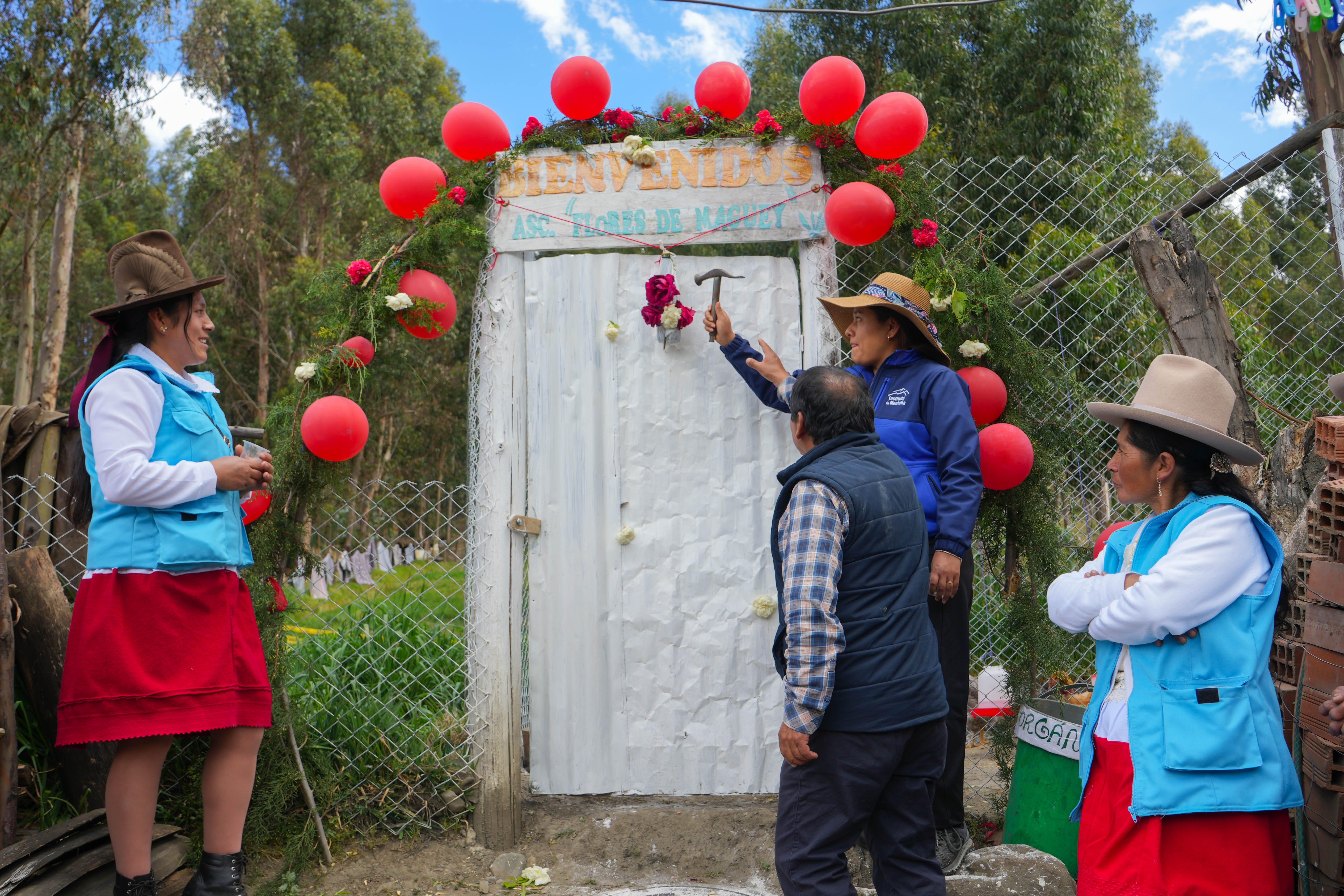
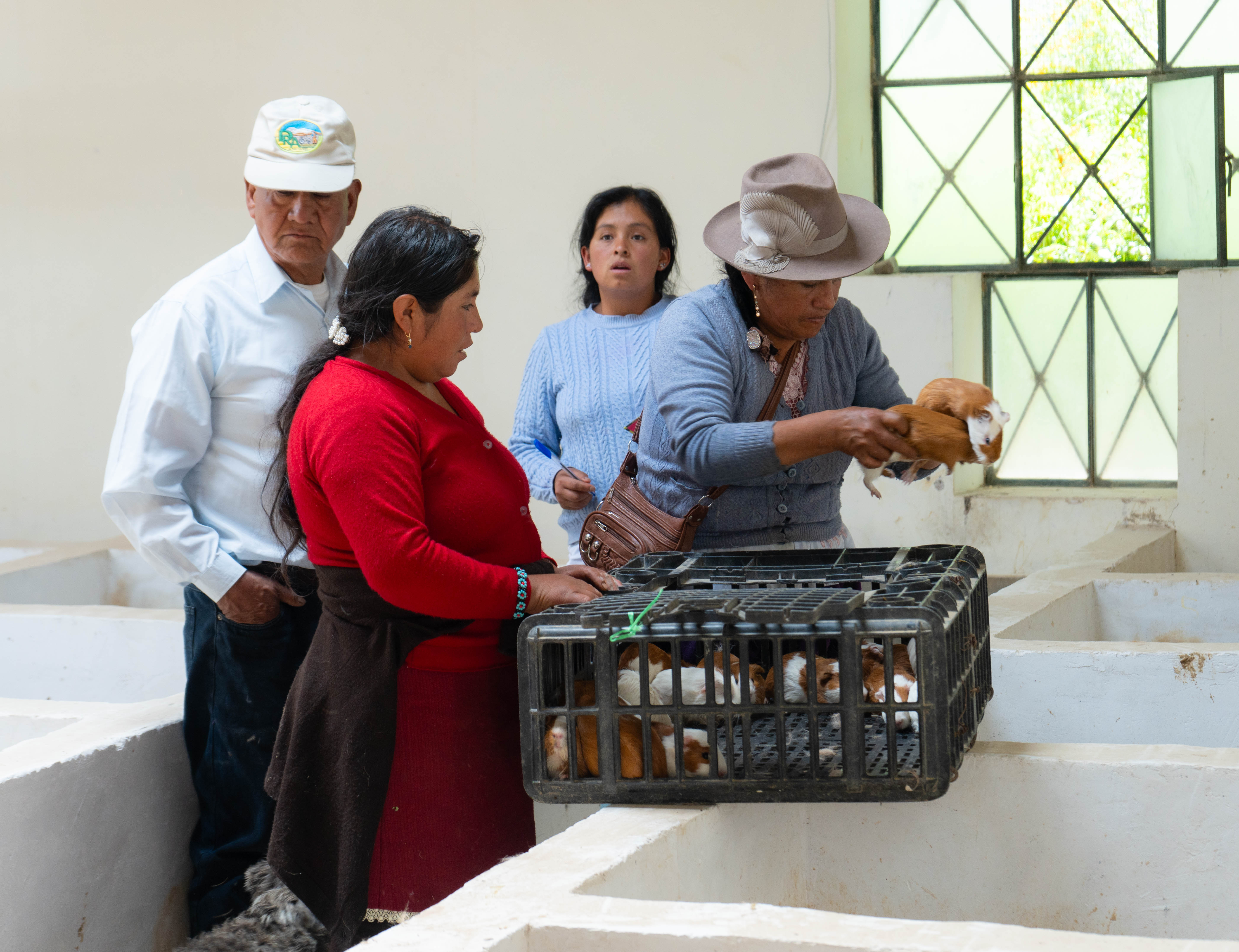
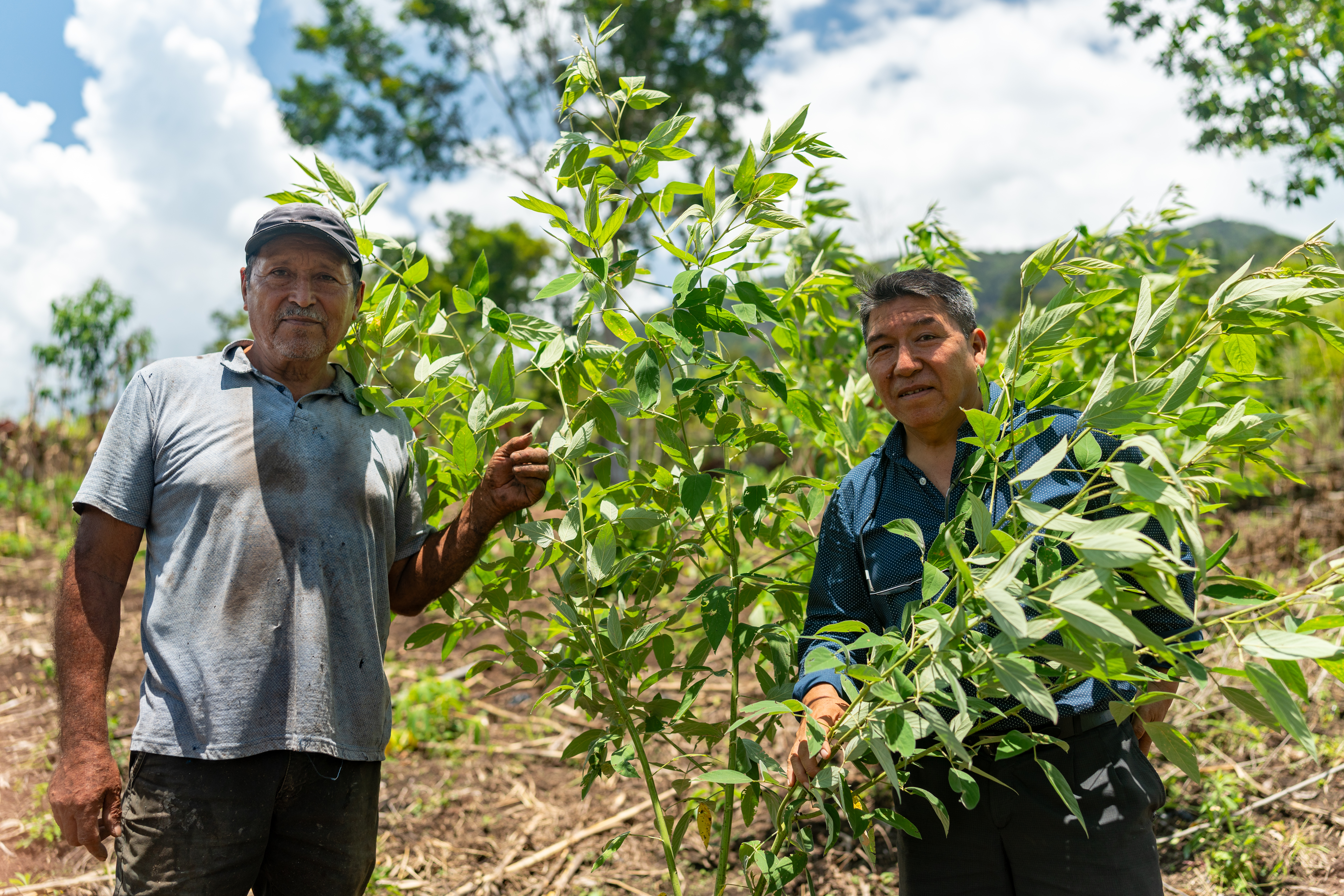
This commitment led to the creation of Mala Sostenible, a project in partnership with Profonanpe, a Peruvian environmental fund, with financing of US$$1,800,000 over 5 years (2023-2028) from Compañía Minera Condestable S.A. The initiative seeks to diversify family incomes through sustainable tourism, circular economy and environmental conservation. Thanks to this effort, the “Maleño Trail: between sea, culture and valley” was created, more than 1,800 bamboo trees were planted to stabilize the banks of the Mala River, and 26 tourism resources approved by Mincetur were inventoried. In addition, eco-businesses led by women and older adults (from plantain snacks to biofertilizers and soaps) have been launched to promote responsible practices and strengthen local identity. The project has been recognized with the ProActivo and ExpoMina 2024 awards, and was a finalist in the UPC Business Creativity category, demonstrating that mining, agriculture, tourism and culture can coexist and generate development.
Aurazo also warns about the threats facing the sector: illegal mining, deforestation, human trafficking and violence. For her, the mining industry must raise its voice and act as a network to protect ecosystems and communities. This approach coincides with the environmental commitment of the Peruvian formal sector, a pioneer in closure plans guaranteed by the State and in the adoption of international standards of the International Council on Mining and Metals (ICMM), which require returning the territories in better conditions than those received. “From the vision of Southern Peaks Mining, we can work collaboratively, articulated in a network and not only with the mining sector, but also with other organizations to confront illegal mining and other activities that threaten the development of communities,” he says.
These reflections are part of the second episode of the Natural Capital Podcast produced by Profonanpe, Peru's environmental fund. These interviews can be listened to at: https://youtu.be/IqTNFFCki5Q?si=J27lm23bRmTGu1LLlq