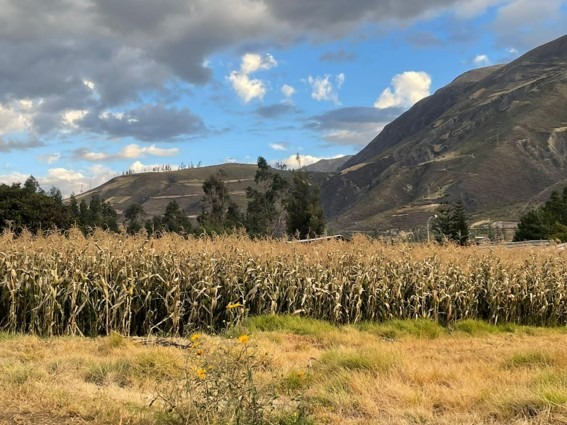
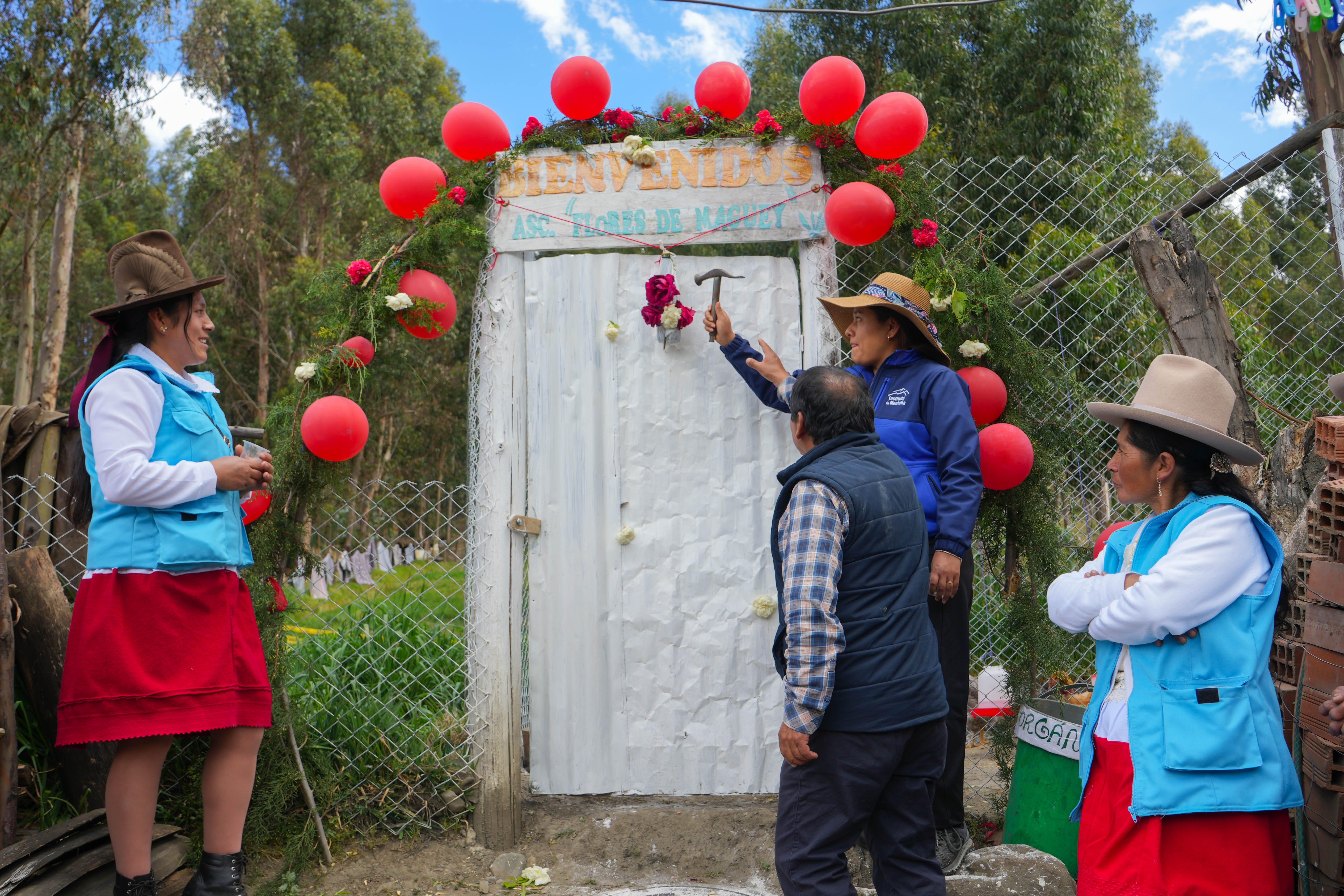
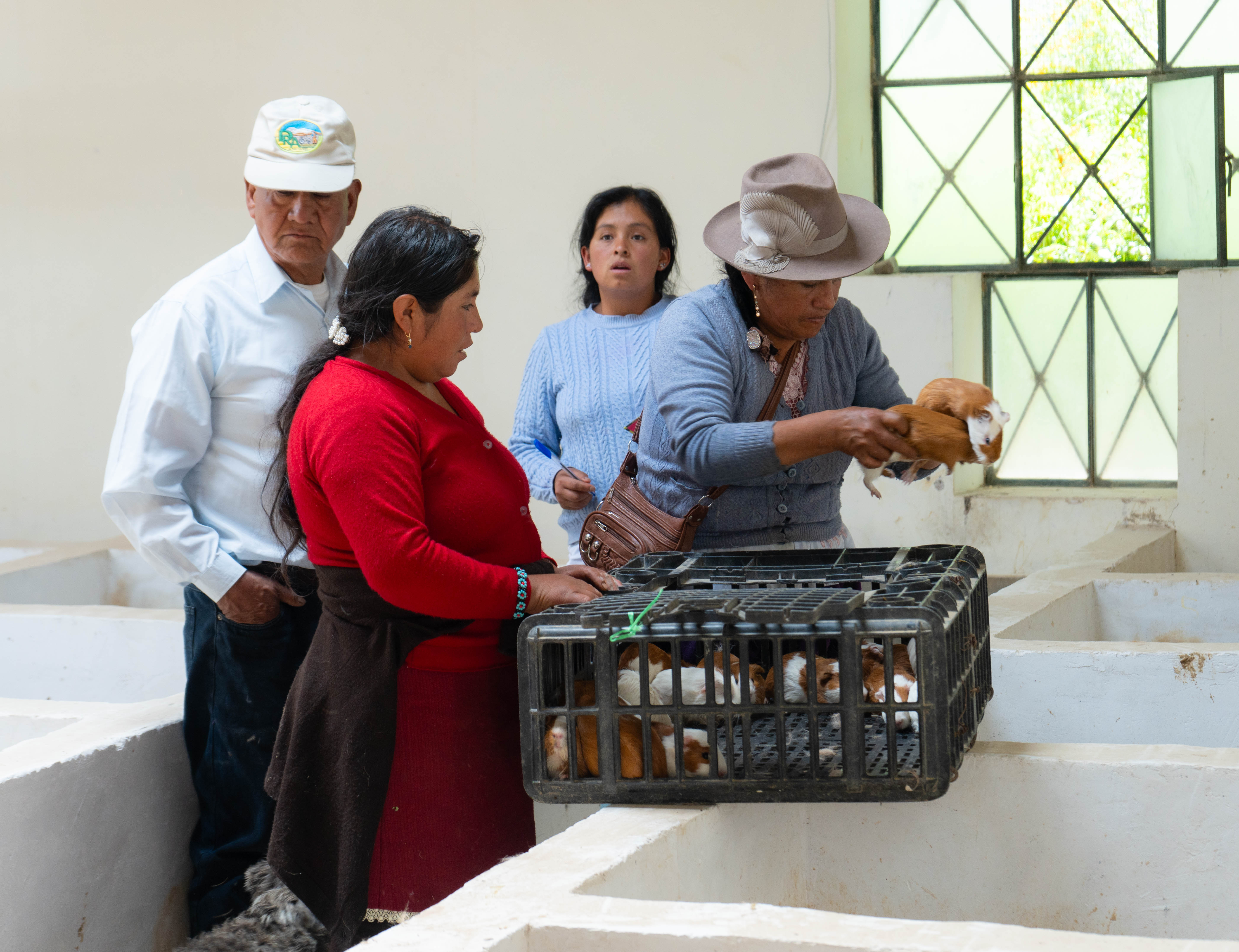
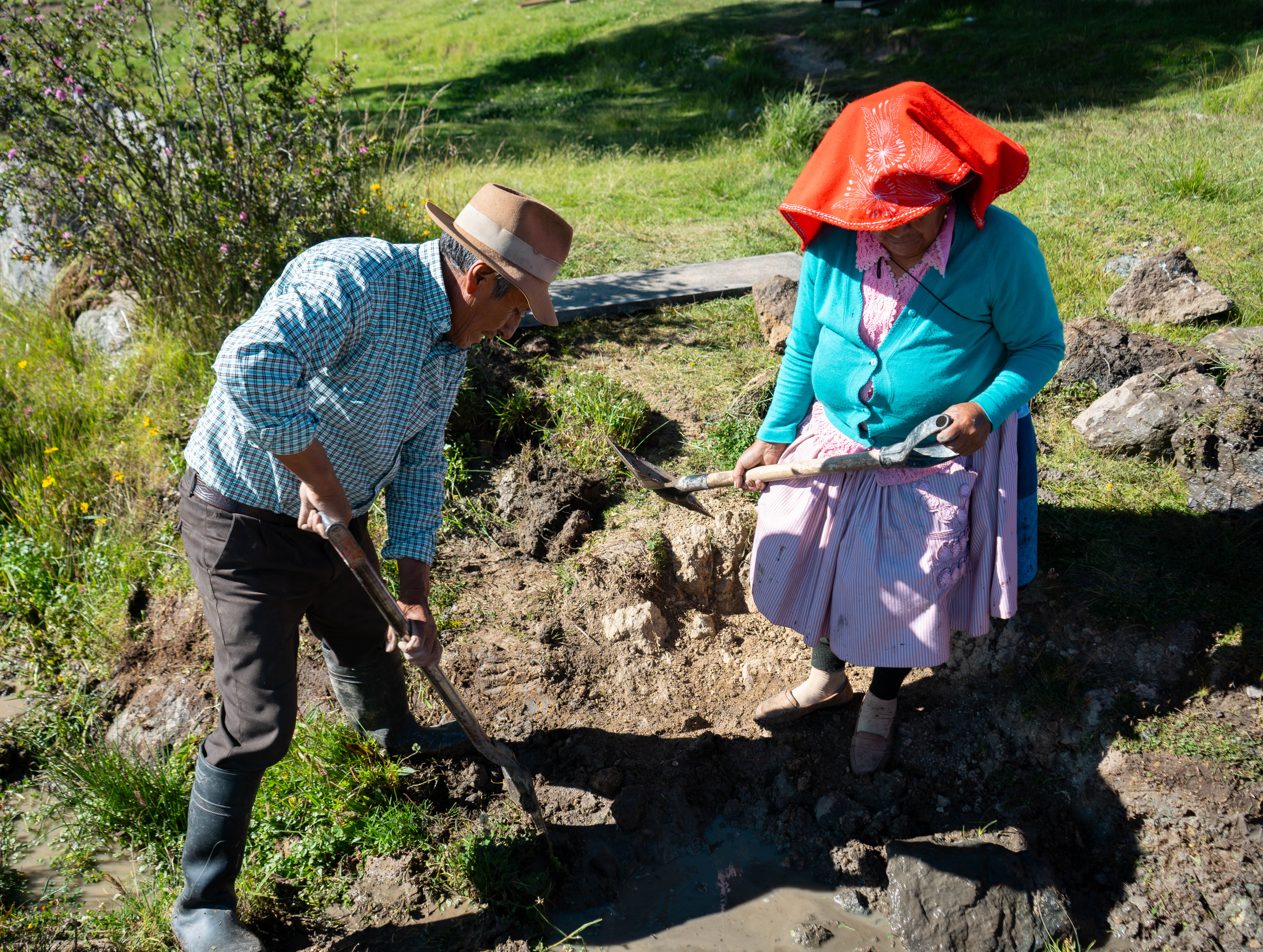
Peru faces a major challenge: solid waste contamination, and the city of Mala is no stranger to this problem. What was once a beautiful valley full of farms and family farms is now being replaced by housing developments and country houses, and is now threatened by the expansion of housing developments and country houses. Each year, an increasing number of villagers are forced to abandon their land as changing land use and diminishing groundwater resources make farming increasingly difficult. In the midst of this transformation, a group of women and entrepreneurs have decided to innovate, developing eco-businesses that not only generate income, but also contribute to the conservation of the area's ecosystems and traditional crops.
Chifles de plátano maleño: Valuing local products
Through the Asociación Ecoproductores de Derivados de Plátano Maleño (Ecodep), promoted by Profonanpe and Compañía Minera Condestable, a group of women has found an opportunity for growth in the plantain. Under the Puquchi (Aymara for plantain) brand, they produce and market chifles, adding value to the district's flagship product and reducing the waste of this fruit in high season. To date, they have processed more than 3,700 kilos of plantain, transforming them into 660 kilos of chifles, bringing this local product to new markets.

Photo: Profonanpe
Environmentally friendly cleaning products: Making use of waste oil
Instead of the oil used in the preparation of chifles ending up polluting drains and rivers, the Association of Biofertilizer Producers of Mala (Probima), made up of older adults and women from Mala, turns it into ecological cleaning products. Under the brand name The Brillosita, have produced 1,000 soaps y 852 liters of grease removers, offering innovative and environmentally friendly solutions.

Photo: Profonanpe
Biofertilizers and Feed: Circular Economy in Action
Under the brand Nutriyawar, the Probima association produced more than 1,500 liters of organic biofertilizers 100% and with high nutrients. For this purpose, it used bovine blood from the feedlot, meat waste, fish viscera, among others. Another recently implemented eco-business produces balanced poultry feed and fraz (humus). Here, larvae of the black soldier fly are raised and fed with organic waste from 2 markets in Mala.

Photo: Profonanpe
Social and environmental impact
These three eco-businesses, which have a circular economy approach, not only generate environmental benefits, but also drive social and economic inclusion. Currently, it is an additional source of income for 30 people, of which 85 % are women and the 10 % are adults over 72 years of age., The program provides them with a new opportunity for work and empowerment.
Thus, since 2024, 6.0 tons of organic waste have been used and the emission of 6.2 tons of CO2 has been avoided. In addition, the contamination of more than 131 thousand liters of water has been avoided by reusing the oil.